Newsletters


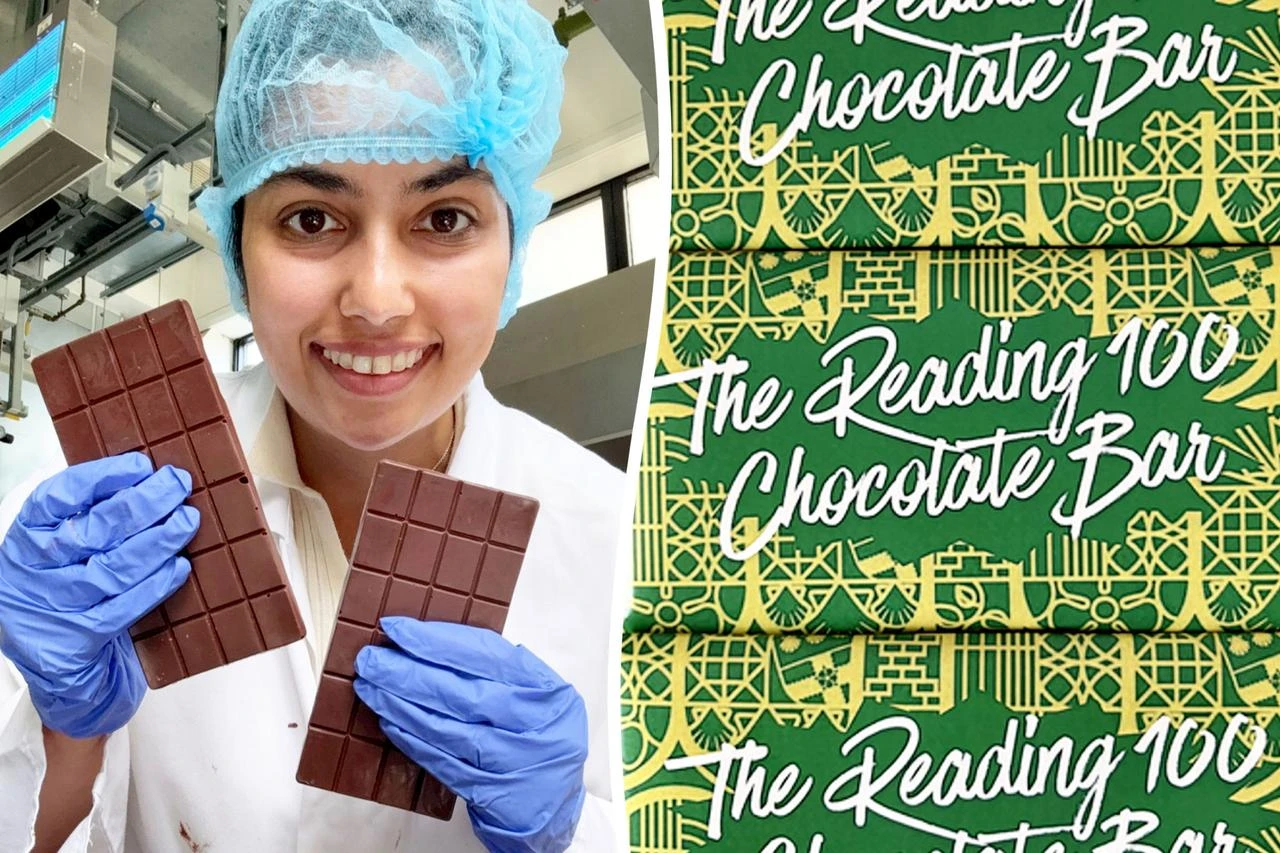


For the first time in nearly a hundred years, a chocolate bar has been produced entirely from British-grown ingredients, with the key component—cocoa—cultivated not in the global tropics, but in Berkshire.
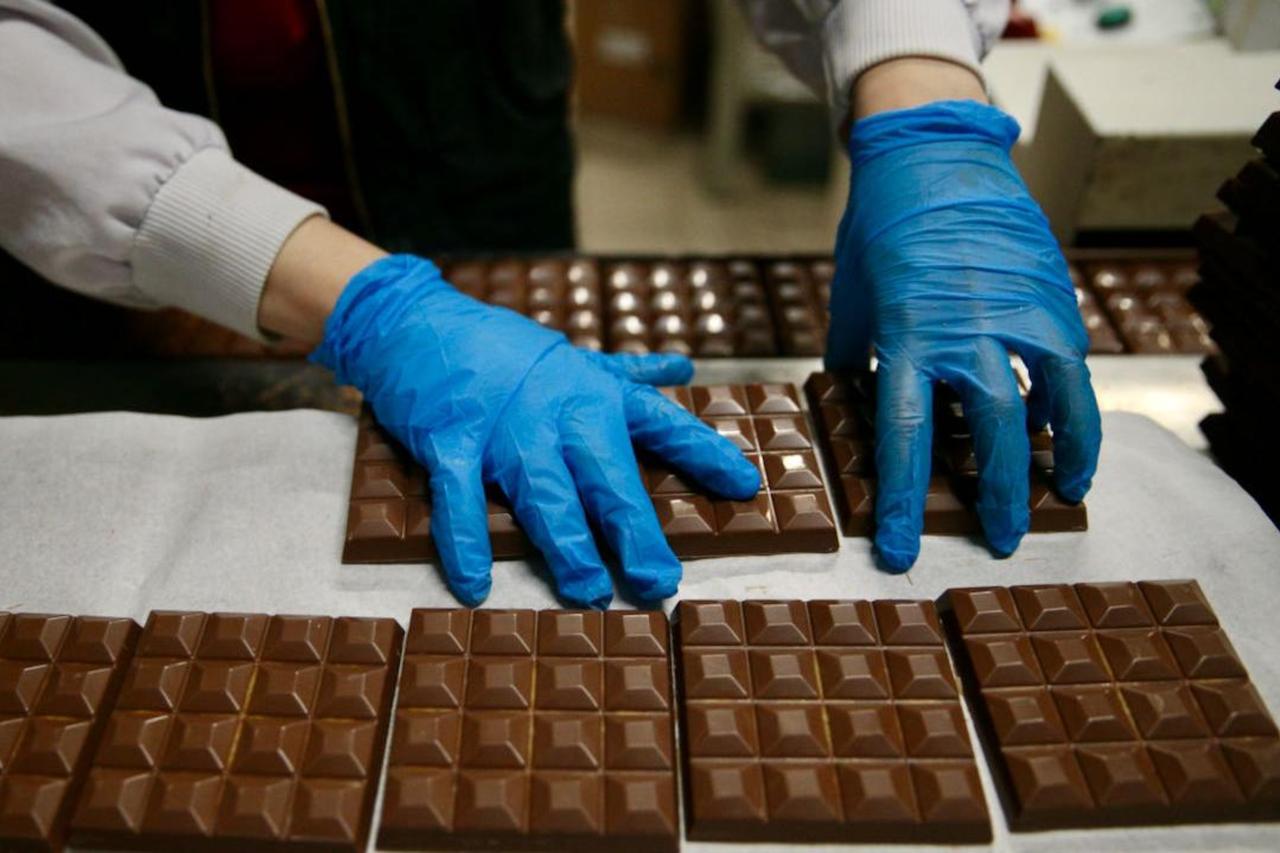
University of Reading student Maha Khan developed the "Reading 100 Chocolate Bar" to mark the university's centenary. The milestone achievement was made possible using cocoa that was harvested, fermented, and processed directly on campus at the institution's International Cocoa Quarantine Centre.
University officials noted this is the first chocolate bar of its kind since 1932, when confectionery firm Rowntree's presented six-year-old Princess Elizabeth with the only other recorded bar made from cocoa grown in the United Kingdom.
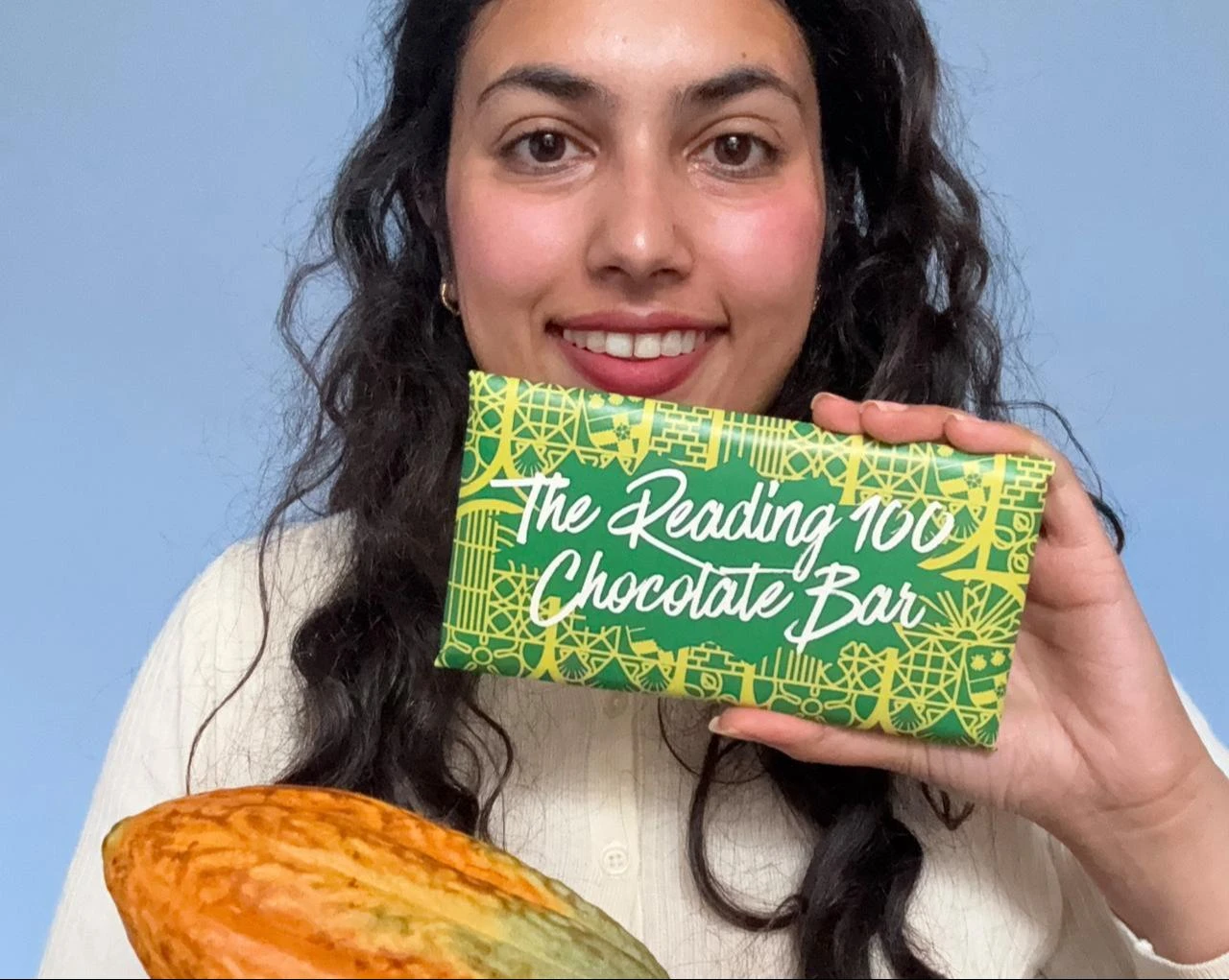

Khan, a master's student in the university's food security program, explained that the project aimed to spotlight the severe challenges facing global cocoa production as climate change, pests, and diseases threaten crops worldwide.
"It is incredible that we can make 100% British chocolate—but in the context of climate change, pests and diseases, there are estimates that 30 to 40% is lost," Khan said, adding that mounting heatwaves are expected to escalate these pressures further.
While the U.K. chocolate market generates £10.4 billion, it remains entirely dependent on imported cocoa, tying domestic production directly to complex supply chains spanning Africa, South America, and Asia.
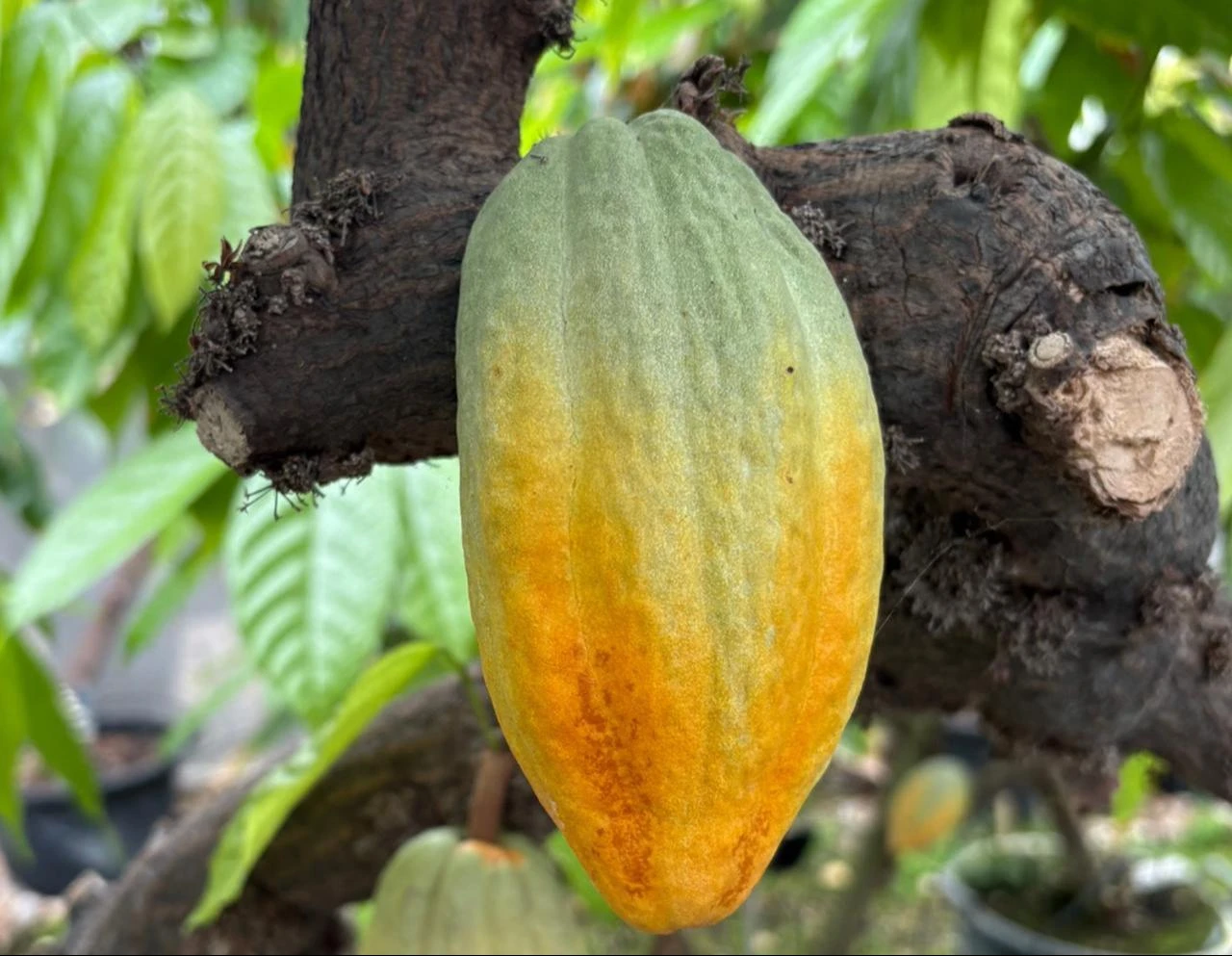
The cocoa used for the Reading 100 bar was grown at the university's International Cocoa Quarantine Centre, which houses more than 300 types of cocoa plants.
The climate-controlled facility helps prevent the transfer of pests and diseases between cocoa-growing regions while providing scientists with a controlled setting to study the plants.
Khan said the institution acts as an important transfer hub for cocoa-growing countries, with plants kept in quarantine for two years before they can move on.
To make the chocolate, she harvested the cocoa, removed the pulp and beans, and fermented the beans for around seven to 10 days. After drying them in the sun, she roasted the beans before using university facilities to winnow, grind and process them, eventually blending the cocoa with milk and sugar.
"It's a lot of work," she said.
 1 min read
Professor Carol Wagstaff, director of AgriFood Futures at the University of Reading, said Britain's chocolate industry rests on a supply chain beginning thousands of miles away in tropical regions.
She said maintaining a resilient global market was important for smallholder farmers operating in areas exposed to climate-related risks, as well as for chocolate producers and consumers in the U.K.
Wagstaff also cautioned against assuming that locally produced food was always preferable, saying international food trade could provide economic stability for communities while making use of natural resources suited to production.
She said continued investment in research would be needed to help keep threats to cocoa production at bay.


 Set as preferred source
 Set as preferred source


 1 min read