Newsletters


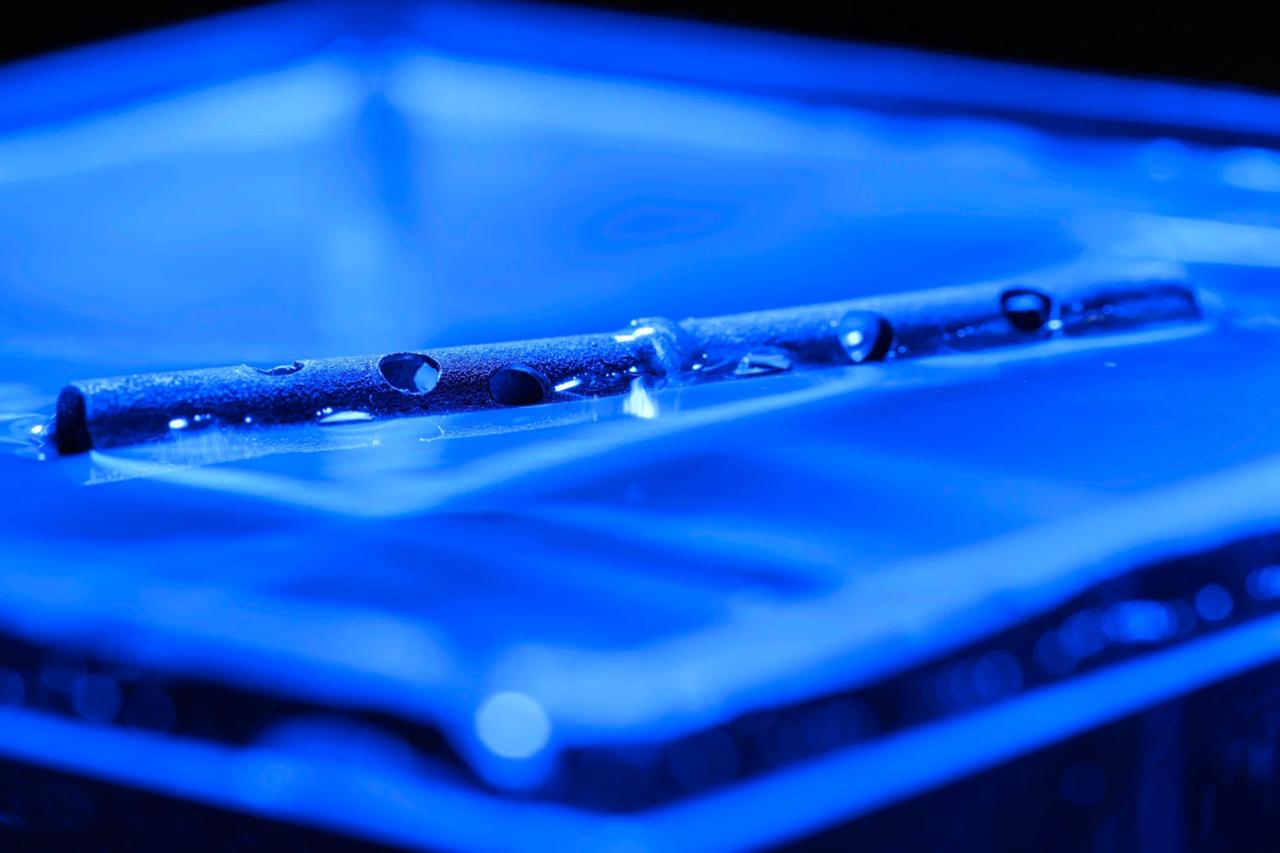


Air-trapping aluminum tubes that keep floating even after being punctured are now being pitched as a potential building block for tougher wave-powered platforms and other ocean infrastructure, after researchers reported that the water-repellent structures stayed buoyant in harsh lab testing.
A research team led by Chunlei Guo, a professor of optics and physics at the University of Rochester, engineered narrow aluminum tubes designed to hold onto internal air bubbles, which helps them stay afloat even when damaged. The work, reported by The New York Times and published last month in Advanced Functional Materials, frames the ocean as a largely underused energy source and points to wave motion as one possible target for future power-harvesting systems.
“I think the ocean is still a vast untapped resource,” Guo said.
The tubes measure roughly one-fifth of an inch in diameter and depend on “superhydrophobicity,” a term used for surfaces that strongly repel water. In this design, researchers chemically etched tiny pits into the aluminum, creating microscopic surface patterns that keep water from entering, so the trapped air stays in place rather than being displaced by seawater.
“It will still stay floating,” Guo said. “We have done quite extensive, really harsh environmental testing.”
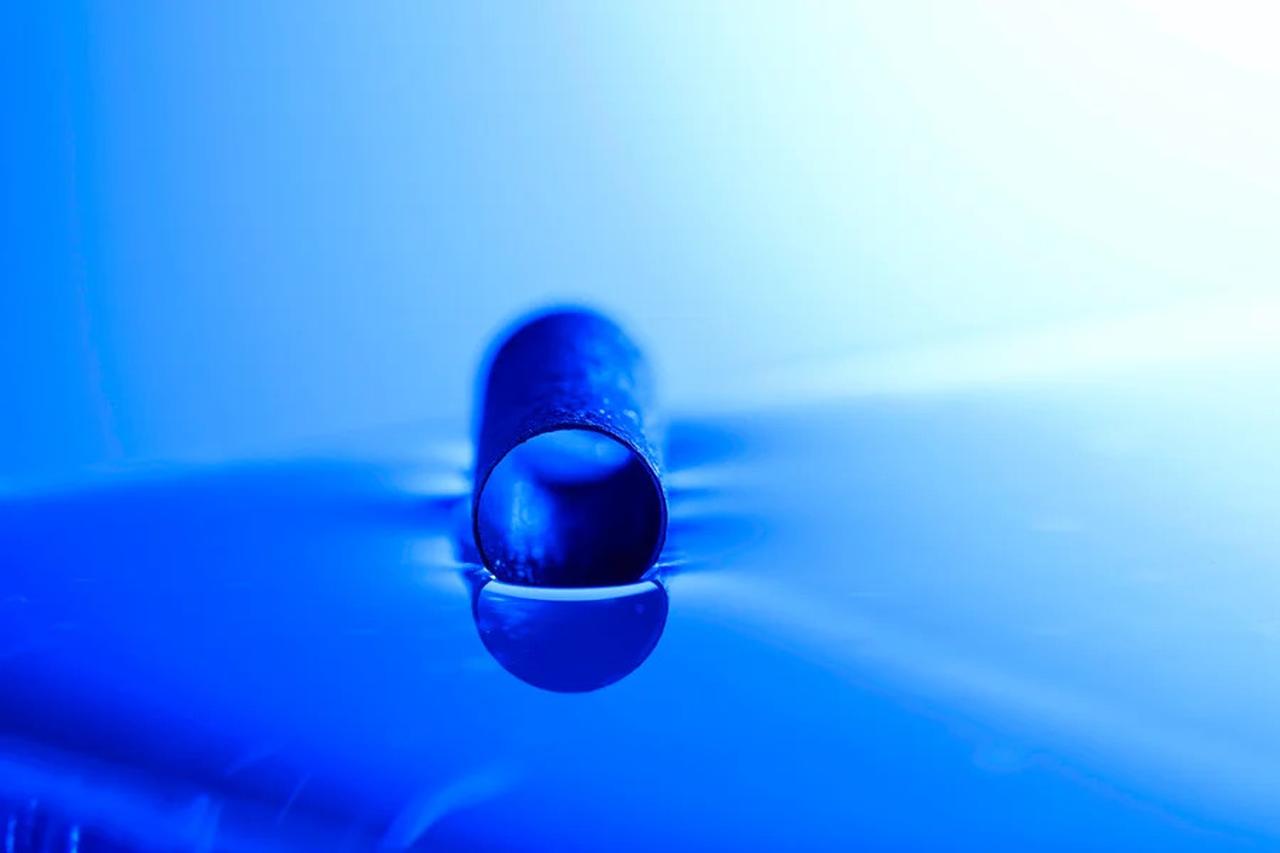

In laboratory trials, the tubes were reported to resist corrosion and algae buildup while remaining buoyant in both saltwater and biologically active environments. Researchers also used numerical modelling to test how layered assemblies might behave, with results suggesting stacked configurations could stand up to severe ocean conditions.
Andreas Ostendorf, a professor of applied laser technology at Ruhr-University Bochum in Germany who was not involved in the work, described the approach as promising and framed it as the kind of disruptive engineering idea researchers look for.
“As researchers, especially in engineering, we are always looking for disruptive ideas,” he said. “This can be a roadmap toward really penetrating this technology in many applications.”
Scientists cited in the report said further real-world testing will be needed, while also suggesting the concept could help open up new routes for durable floating devices and renewable energy systems that run on ocean motion.
The work builds on years of research into engineered, water-repellent surfaces inspired by natural systems, including diving bell spiders and fire ants, which use water-repellent structures to trap air and survive underwater or during floods.


 Set as preferred source
 Set as preferred source



 2 min read