Newsletters


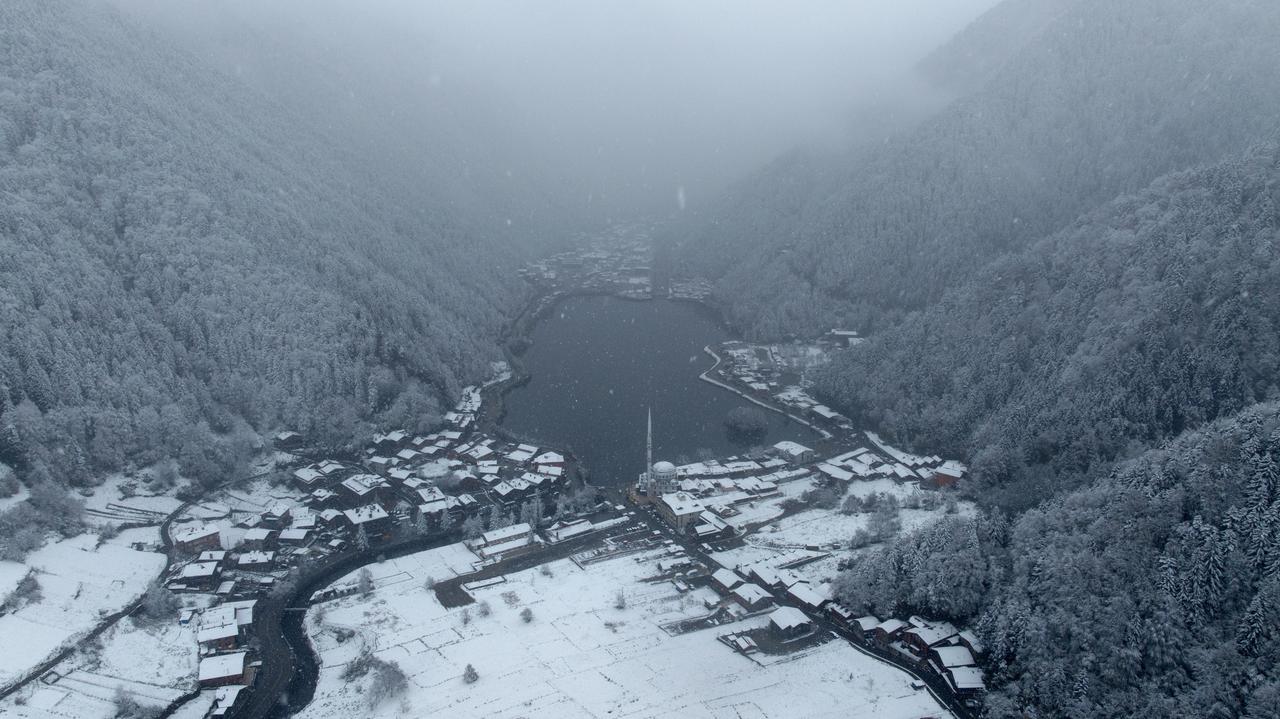
Uzungol, a lake in the Caykara district of Trabzon Province in northeastern Türkiye, lies in a mountain valley about 65 kilometers (40 miles) southeast of Trabzon city on the Black Sea coast.
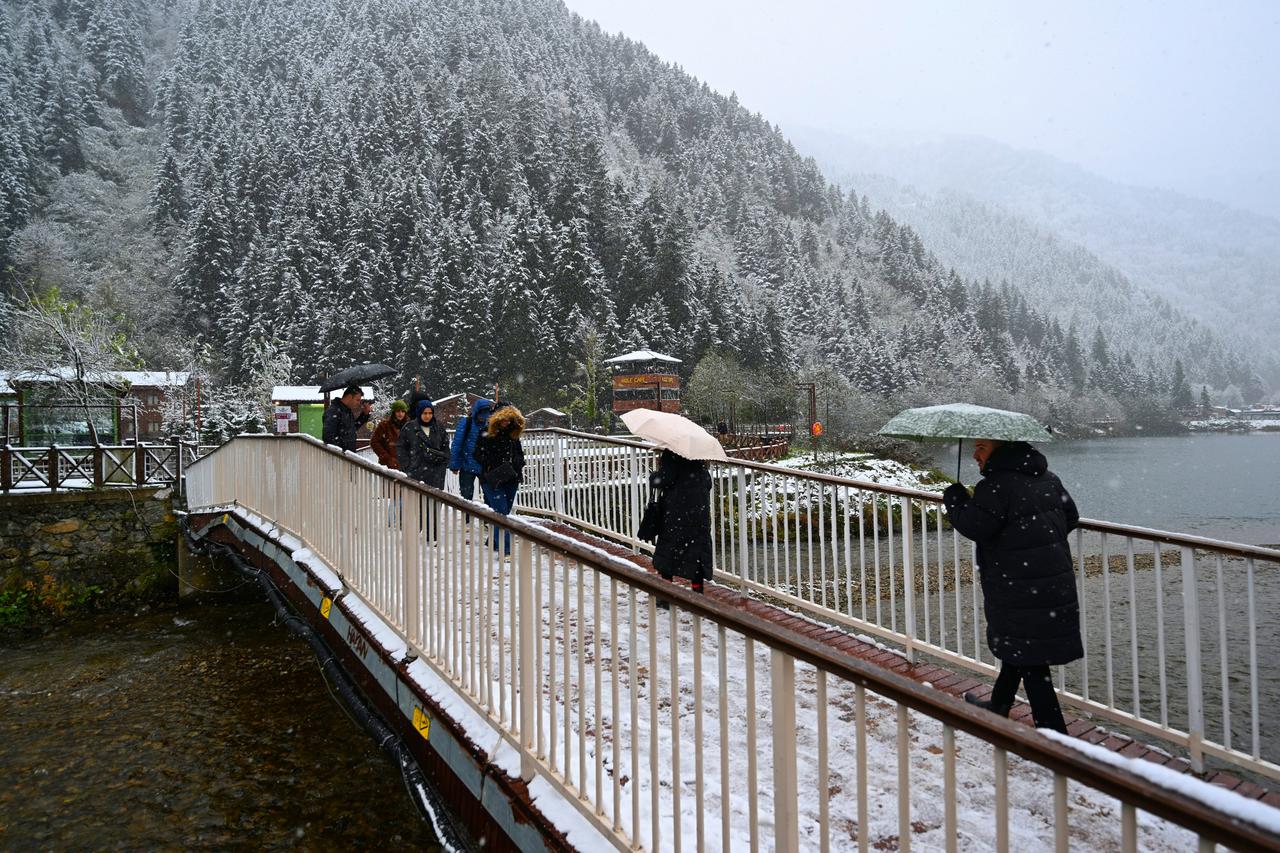
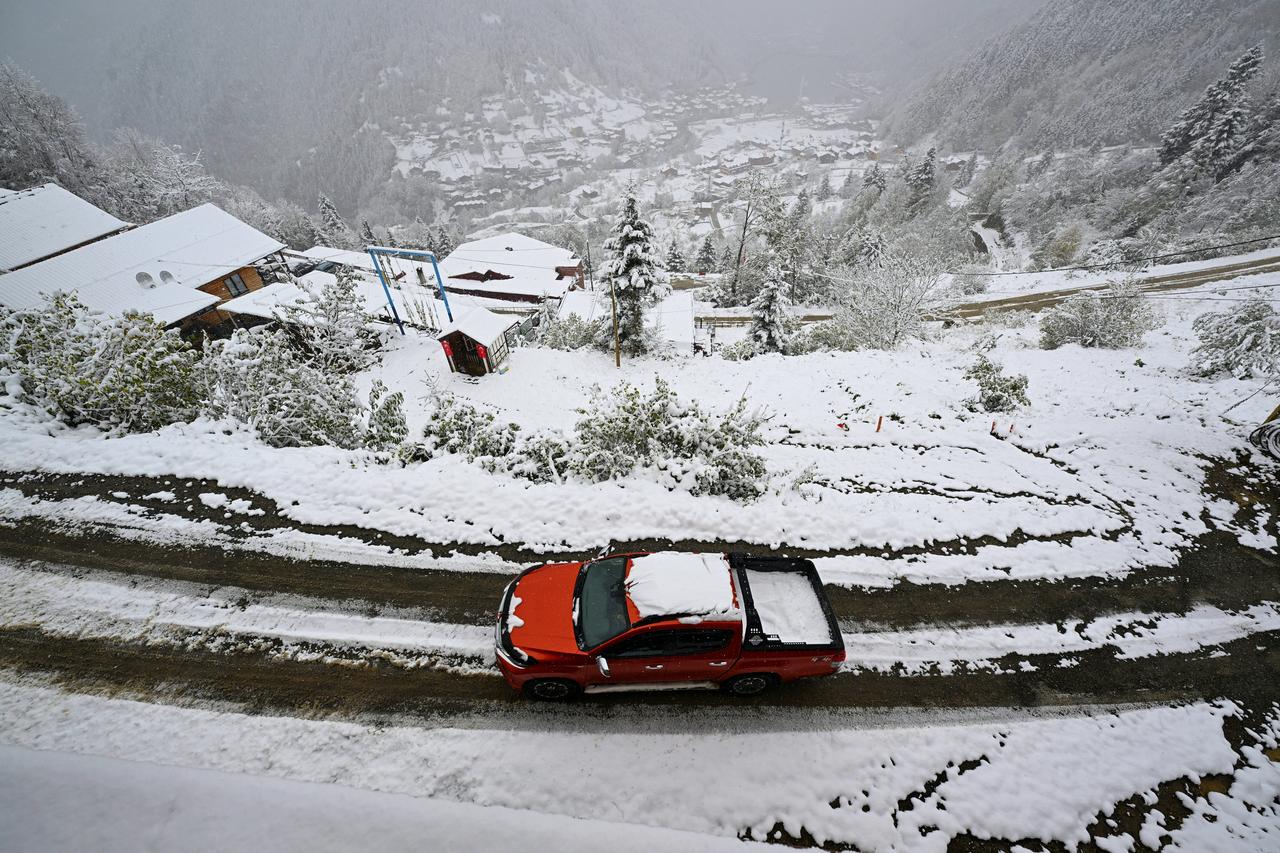
Snowfall that followed a night of falling temperatures has changed the scenery around the water.
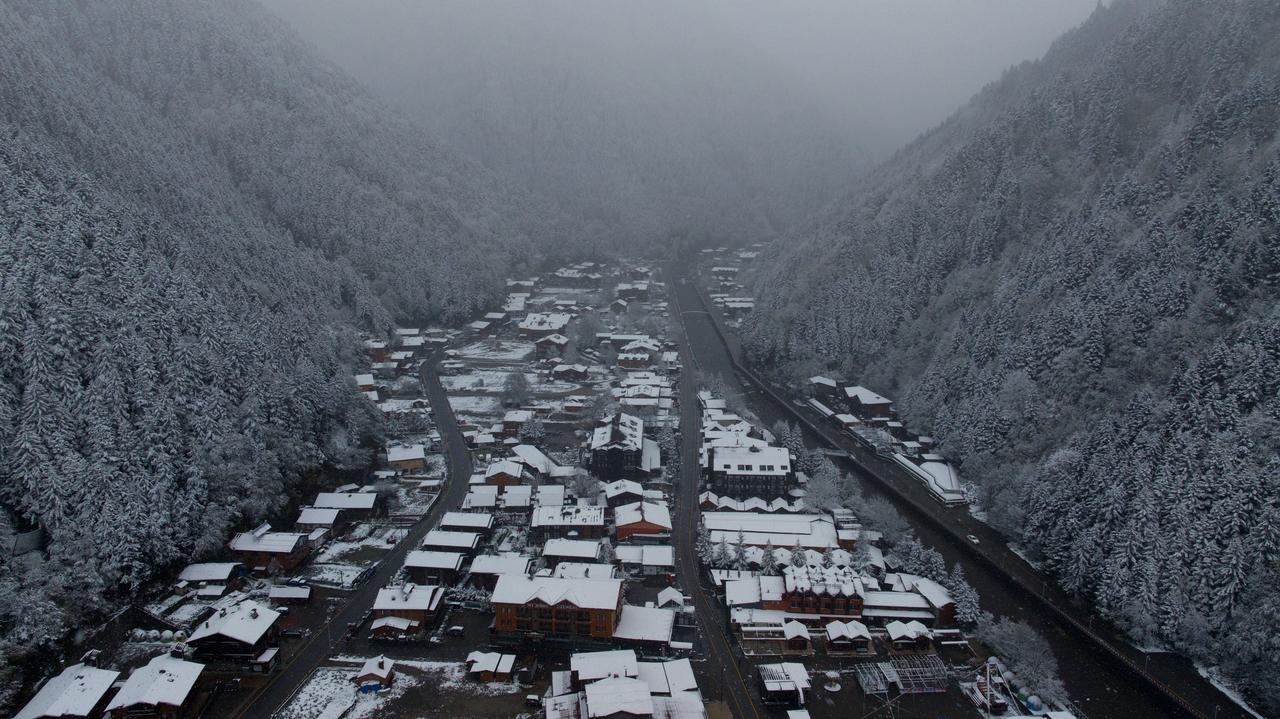
Rain fell at intervals across the eastern Black Sea region before the snow arrived.
The coast around Trabzon receives rainfall year-round, and the humid climate shapes the green landscape around the city and the valleys behind it.
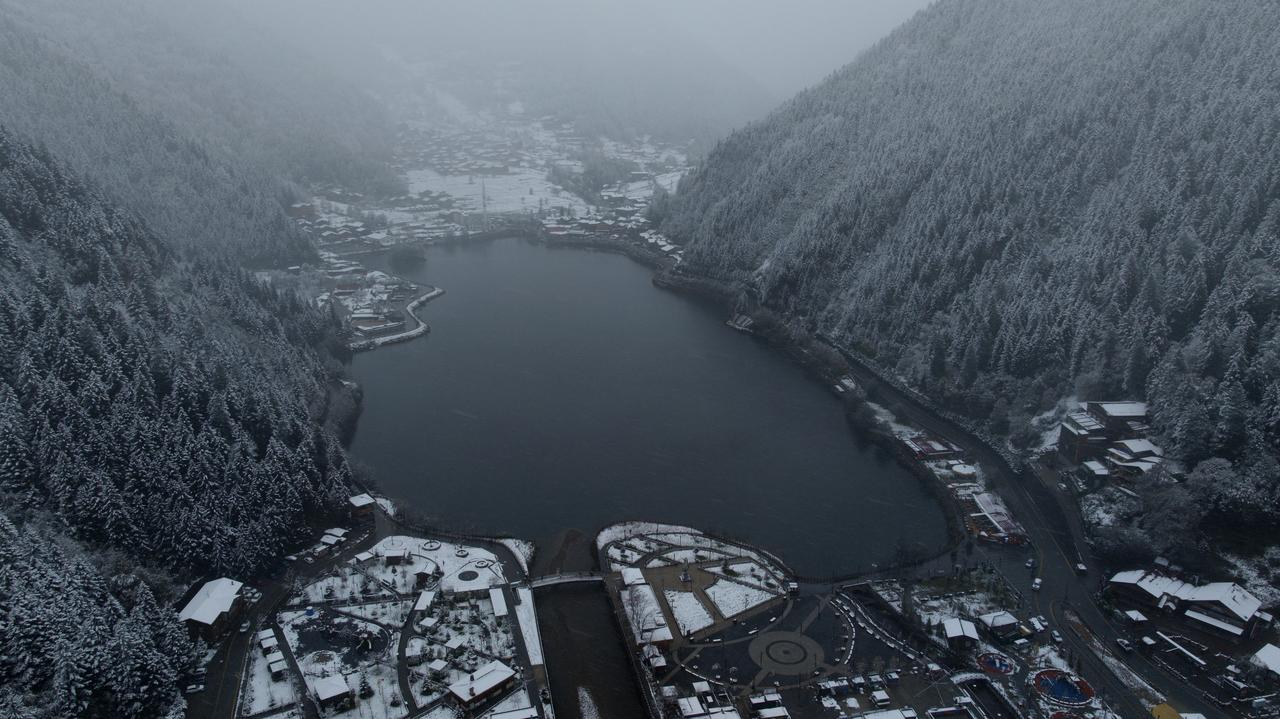
After the rain, temperatures dropped at night, and precipitation turned to snow at higher elevations.
Uzungol sits about 1,250 meters (4,101 feet) above sea level, while snow is rare in Trabzon city itself.
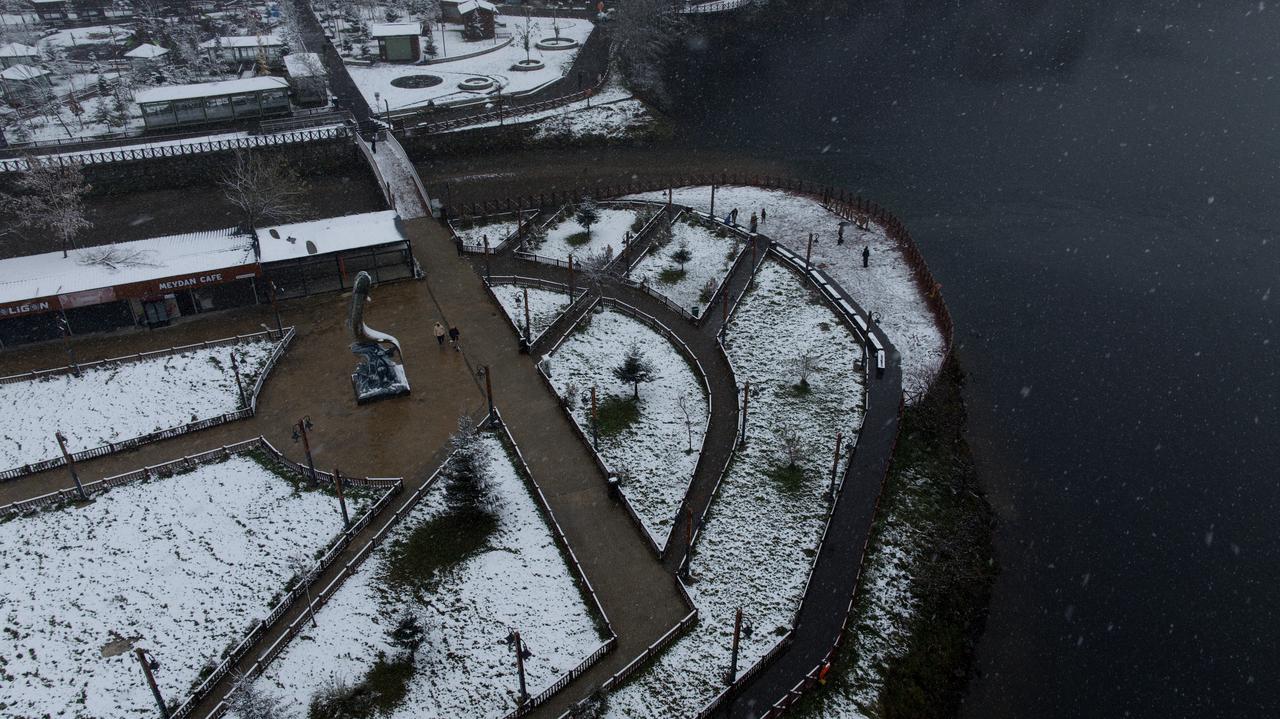
Snow covered the mountains, forested areas and higher ground around Uzungol.
The lake lies in a valley between high mountains, so the white cover is visible from the shore and from the slopes above it.
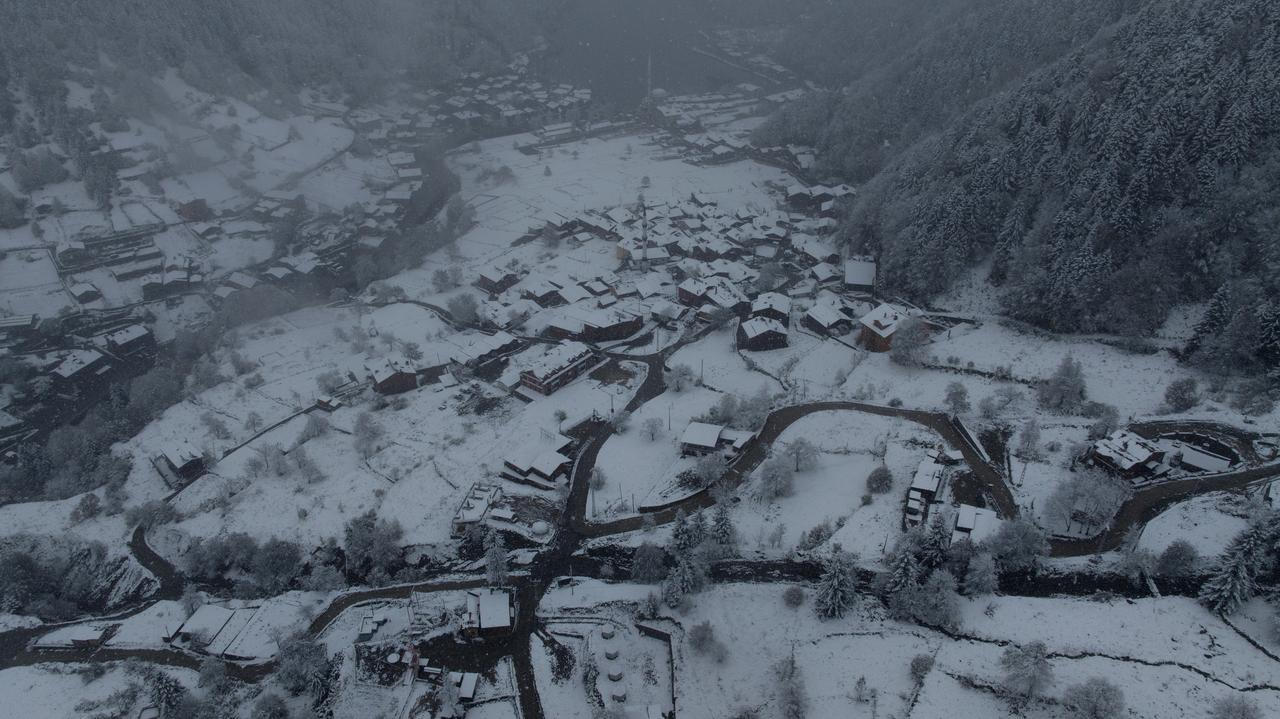
The lake formed when a landslide blocked the Haldizen Stream, creating a natural dam in the valley.
A village that shares the name Uzungol stands on its shore, where snow now settles along the water’s edge.
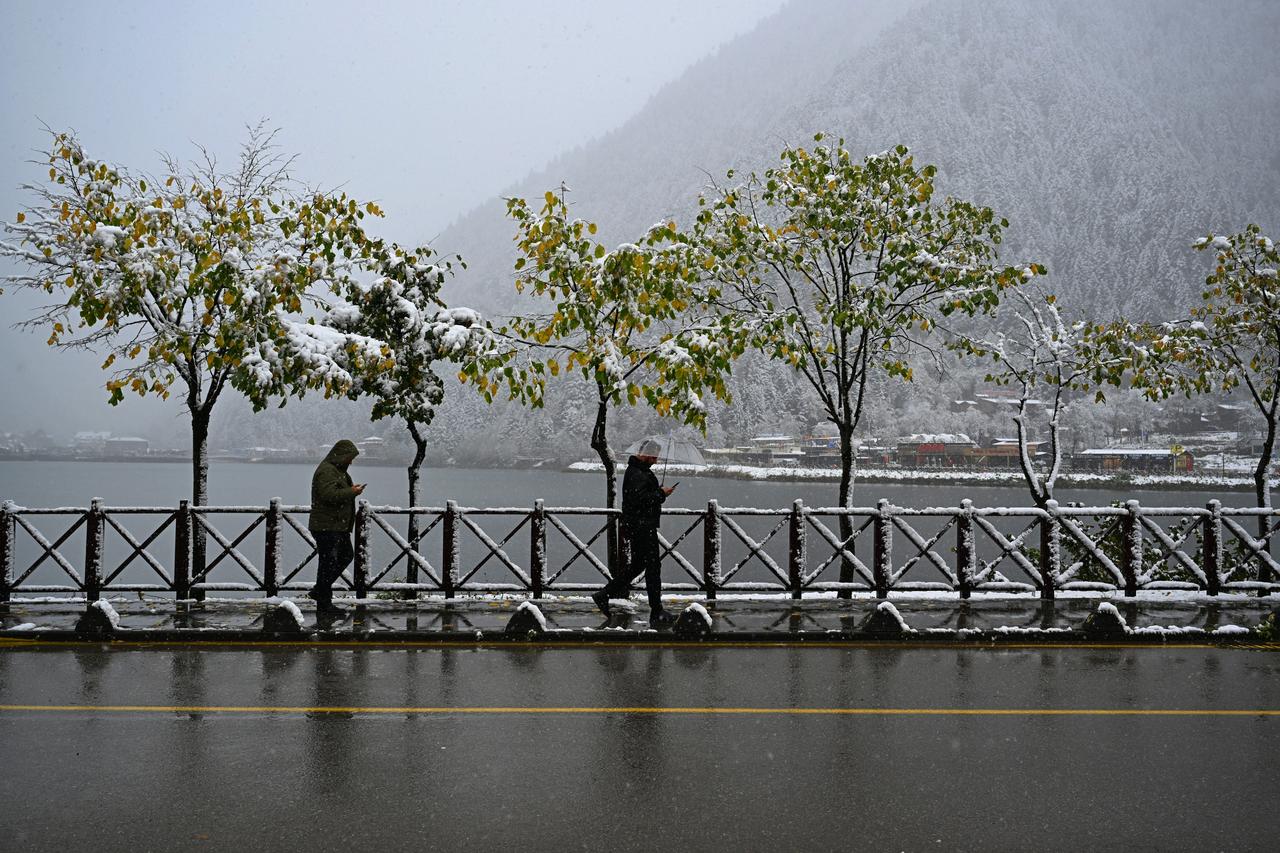
Uzungol is part of Uzungol Nature Park, which was declared a protected area on Oct. 3, 1989.
The designation covers the lake and its surroundings, where the snowfall has altered the look of the forest and the valley floor.
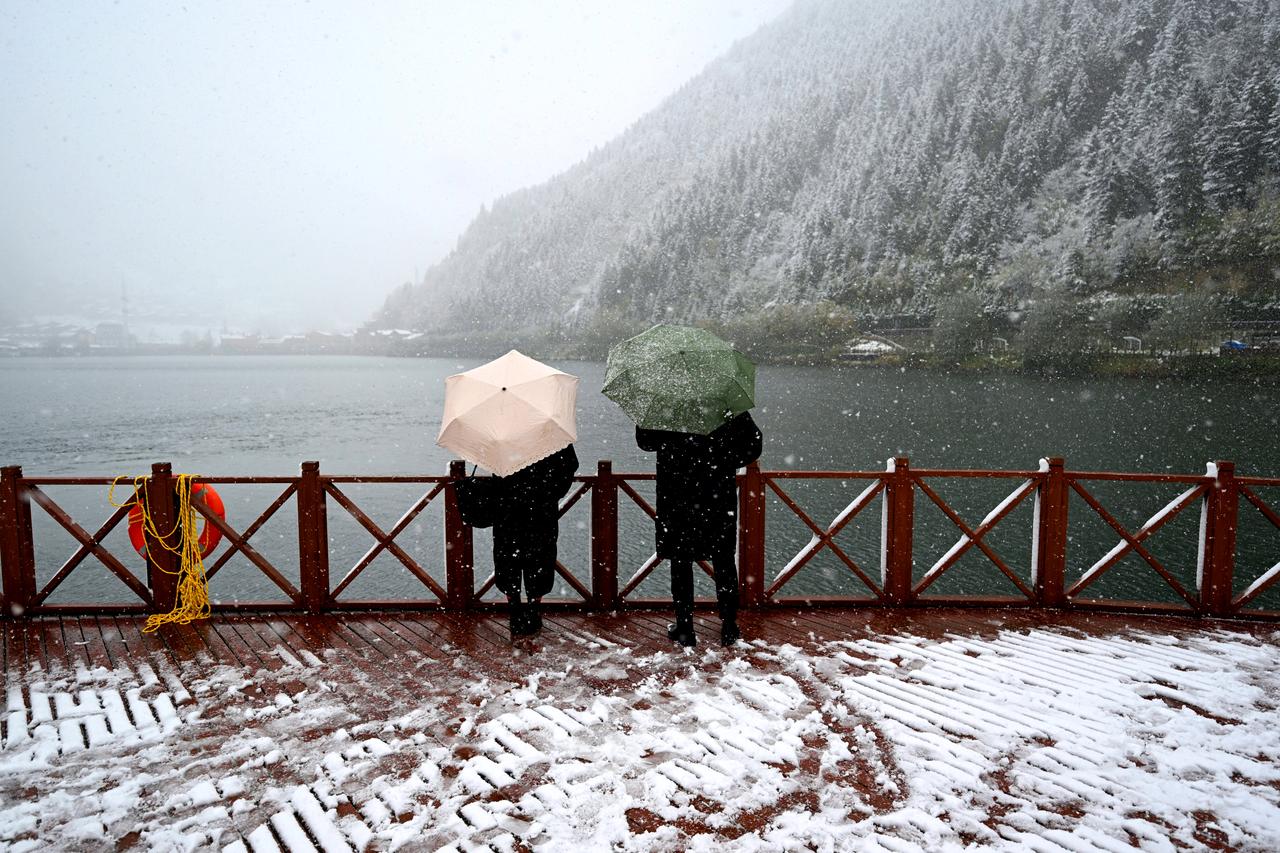
The snow-covered landscape around the lake drew particular interest from photography enthusiasts.
Images of the white mountains, forests and shoreline show a scene that differs from the lake’s appearance in other seasons.
Farther south, the Haldizen mountains rise to around 3,000 meters (9,843 feet), according to an earlier local news report. Higher parts of the range sit well above the valley floor.
Uzungol remains one of the main tourist destinations in the eastern Black Sea region.
The lake continues to draw visitors in winter, and the latest snowfall adds to the area's contribution to local tourism.


 Set as preferred source

 5 min read