Newsletters





A new scientific review led by researchers at the University of New South Wales (UNSW) finds that nicotine-based e-cigarettes are likely to cause lung and oral cancer, raising fresh concerns about a product long marketed as a safer alternative to smoking.
The findings, published in the journal Carcinogenesis, draw on a wide range of evidence collected between 2017 and 2025, including animal studies, human case reports, and laboratory research.
Researchers say the results show consistent biological changes linked to cancer, even if long-term population data is still limited.
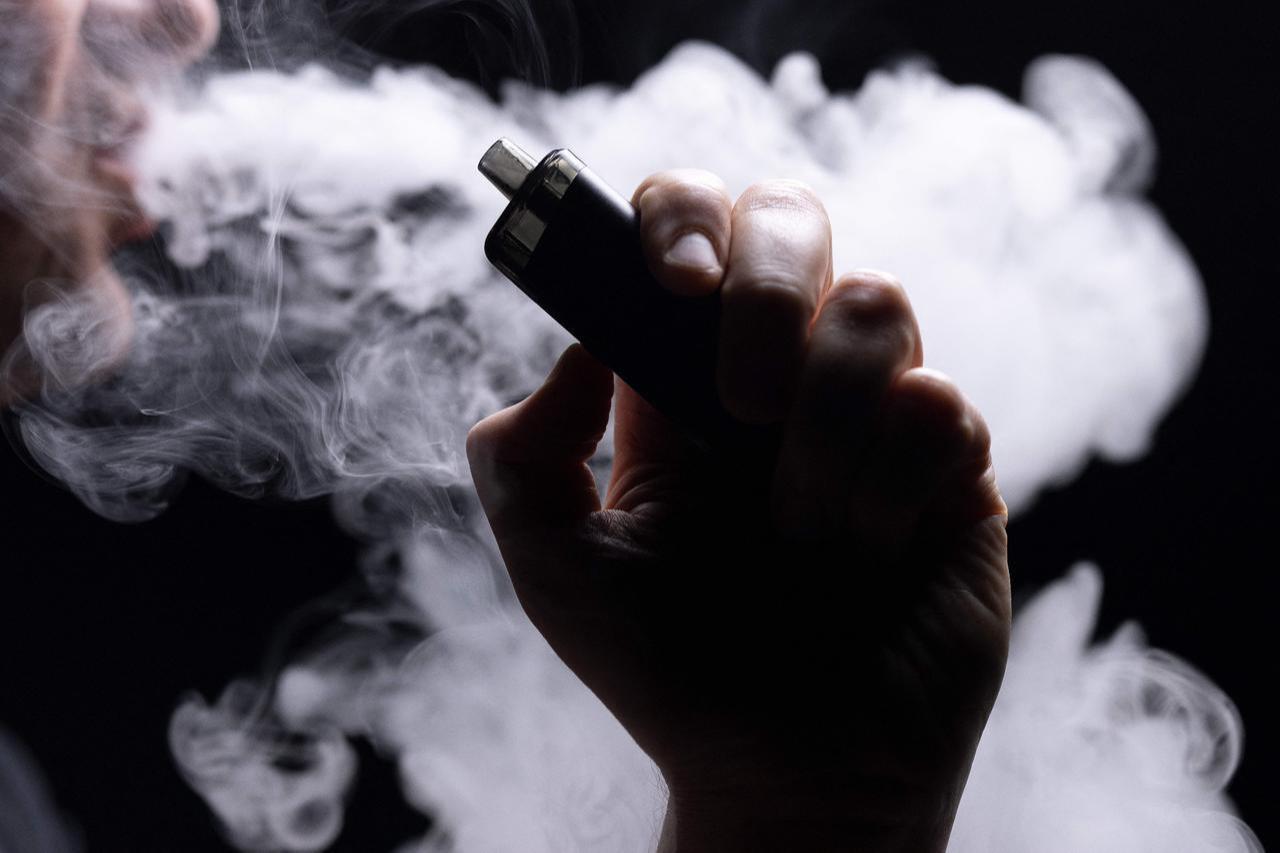

The review does not estimate how many people may develop cancer from vaping. Instead, it focuses on whether vaping causes biological processes known to lead to cancer.
Researchers identified signs such as DNA damage, oxidative stress, and inflammation in people who vape. These changes are widely recognised as early indicators of cancer development.
“There is no doubt that the cells and tissues of the oral cavity, the mouth and the lungs are altered by inhalation from e-cigarettes,” said Adjunct Professor Bernard Stewart, a cancer researcher involved in the study, to The Guardian.
The analysis also included animal studies showing higher rates of lung tumours in mice exposed to e-cigarette vapour, as well as case reports of oral cancer in individuals who had only vaped and never smoked.
Based on this combined evidence, researchers concluded that e-cigarettes are “likely to cause lung cancer and oral cancer,” although the exact level of risk remains unclear.

Scientists say the absence of definitive long-term data should not be interpreted as evidence of safety. E-cigarettes have only been widely used for about two decades, making it difficult to track cancer outcomes over time.
Lead researcher Freddy Sitas pointed to historical parallels with smoking, which took nearly a century to be formally recognised as a cause of lung cancer.
Experts warn that waiting for definitive proof could delay public health action. “We risk repeating that same fate with vaping if we don’t take emerging research and warning signs seriously,” said public health researcher Calvin Cochran.
Other researchers stress that vaping should be evaluated on its own health risks, not only in comparison to smoking. While some experts note that vaping does not involve combustion products found in cigarettes, the current evidence suggests it is not harmless.
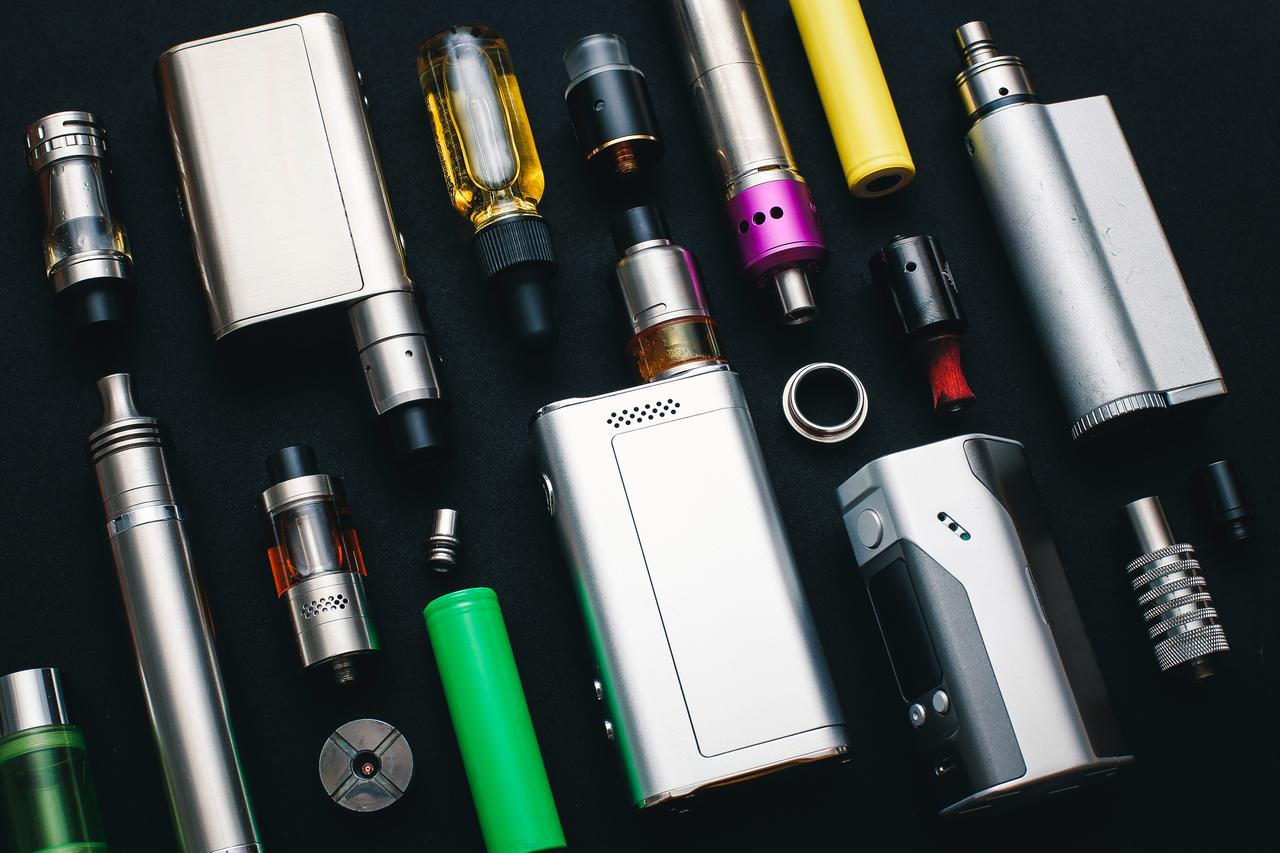
The review and supporting research also highlight the chemical composition of e-cigarettes as a source of concern.
Vape aerosols can contain:
Researchers say many of these substances are carcinogenic or can damage cells and immune function.
Importantly, experts warn that products labelled as nicotine-free may still pose risks. Some studies found inaccurate labelling, with certain black-market vapes containing nicotine despite claims otherwise.
“There is also never a comprehensive ingredients list on vape packaging, so users can’t make informed decisions,” said researcher Alexander Larcombe.

The findings have renewed calls for tighter regulation and stronger enforcement of existing laws, particularly to limit access among young people.
Public health experts say vaping is increasingly common among people who have never smoked, raising concerns about long-term addiction and health risks.
“This information is particularly important for young people who have never smoked,” said Professor Becky Freeman. “Vaping is not a safe alternative to smoking for nonsmokers.”
Some researchers also question the effectiveness of vaping as a quitting tool. Evidence suggests many users end up in “dual use,” continuing to smoke cigarettes while also vaping, which may further increase health risks.
While some experts say regulated use under medical supervision may help certain smokers quit, the overall message from researchers remains cautious.
“It’s not an alternative to smoking in the context of being safer,” Stewart said. “It is dangerous.”


 Set as preferred source
 Set as preferred source



 2 min read