Newsletters





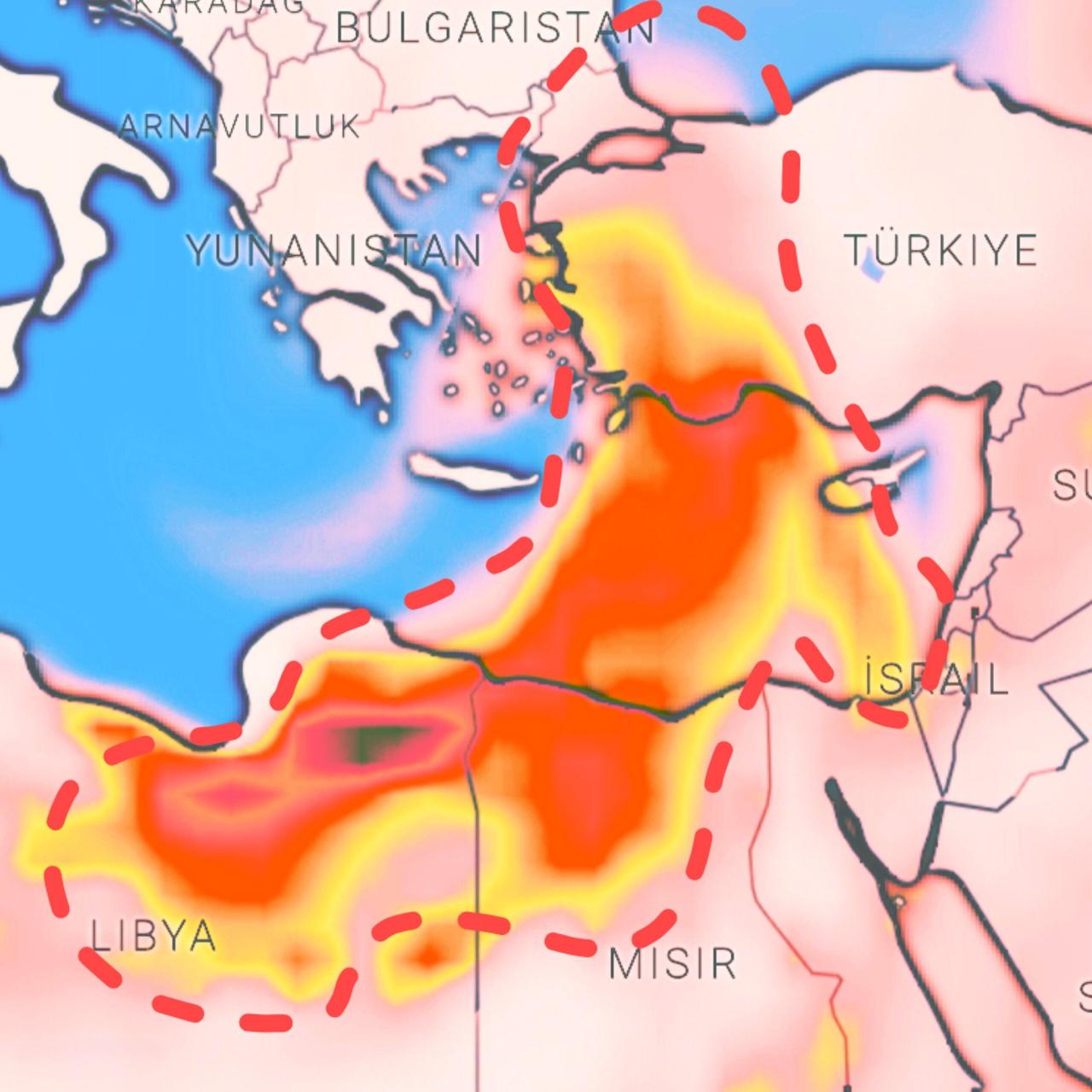
A large wave of desert dust from North Africa reached Türkiye on Jan. 27, carried by strong lodos winds and entering from the west, according to the Meteorology General Directorate.
Forecast models indicate the dust transport will remain in place for nearly a week, lowering air quality and combining with rain and storms across several regions.
Meteorology reports show mineral rich fine dust particles from the Sahara traveling thousands of kilometers before reaching Türkiye.
The dust has already affected Marmara, the Aegean, and the Mediterranean regions. Residents in these areas are seeing hazy and at times reddish skies caused by dense particles suspended in the atmosphere. Officials warn that visibility may drop and respiratory risks may rise.
The weather agency issued yellow coded warnings for heavy rain and storms in 24 provinces on Jan. 27.
Meteorology states that the dust transport may intensify its impact as it overlaps with this storm system.

Experts warn that microscopic dust particles can reach deep parts of the lungs through breathing.
People with asthma, COPD, or chronic respiratory conditions face higher risk of shortness of breath, coughing, and chest tightness.
Authorities advise risk groups to limit time outdoors. Experts recommend mask use for those who must go outside. Reports also call on residents to keep doors and windows closed during peak dust transport.
The Korkusuz news site reported that officials expect the dust wave to remain over Türkiye for about one week. It urged residents to take precautions, especially those in sensitive health groups.
Meteorology forecasts show strong lodos winds in Istanbul with rain throughout the day. Ankara expects evening rainfall. Izmir and Antalya face heavy rain with risk of hail and possible waterspouts. Officials warn that when dust mixes with humidity or light rain, it can fall as muddy precipitation.
Experts caution residents against washing cars, cleaning windows, or drying laundry outdoors until the dust transport ends. The Hava Forum weather account on X also advised postponing vehicle washing and outdoor cleaning due to likely mud deposits.
Meteorology added that a colder and harsher weather system will follow after the dust wave passes. Authorities continue to call for public caution as overlapping storms, rain, and dust affect daily life across western and coastal regions.


 Set as preferred source
 Set as preferred source



 3 min read