Newsletters





GLP‑1 receptor agonists have transformed obesity and weight management. Medications such as semaglutide (Wegovy, Ozempic) and tirzepatide (Mounjaro, Zepbound) have helped patients lose weight quickly and effectively by suppressing appetite and supporting metabolism. But what happens when these medications are stopped? Recent data show that many patients are able to maintain their weight loss, prompting a reconsideration of long-term weight management strategies.
Large-scale analyses in the U.S. indicate that most patients on GLP‑1 therapy can maintain their weight after stopping the medication. About one-third of semaglutide users and a similar proportion of tirzepatide users retained their weight loss or even continued to lose weight. Six-month follow-ups revealed an average weight change of zero, meaning most patients did not regain weight after discontinuing treatment.
These findings challenge the common assumption that weight inevitably returns once the medication is stopped. Researchers note that further long-term studies are needed to fully understand the effects. Real-world data presents a different picture than controlled clinical trials, offering a hopeful perspective for obesity management.
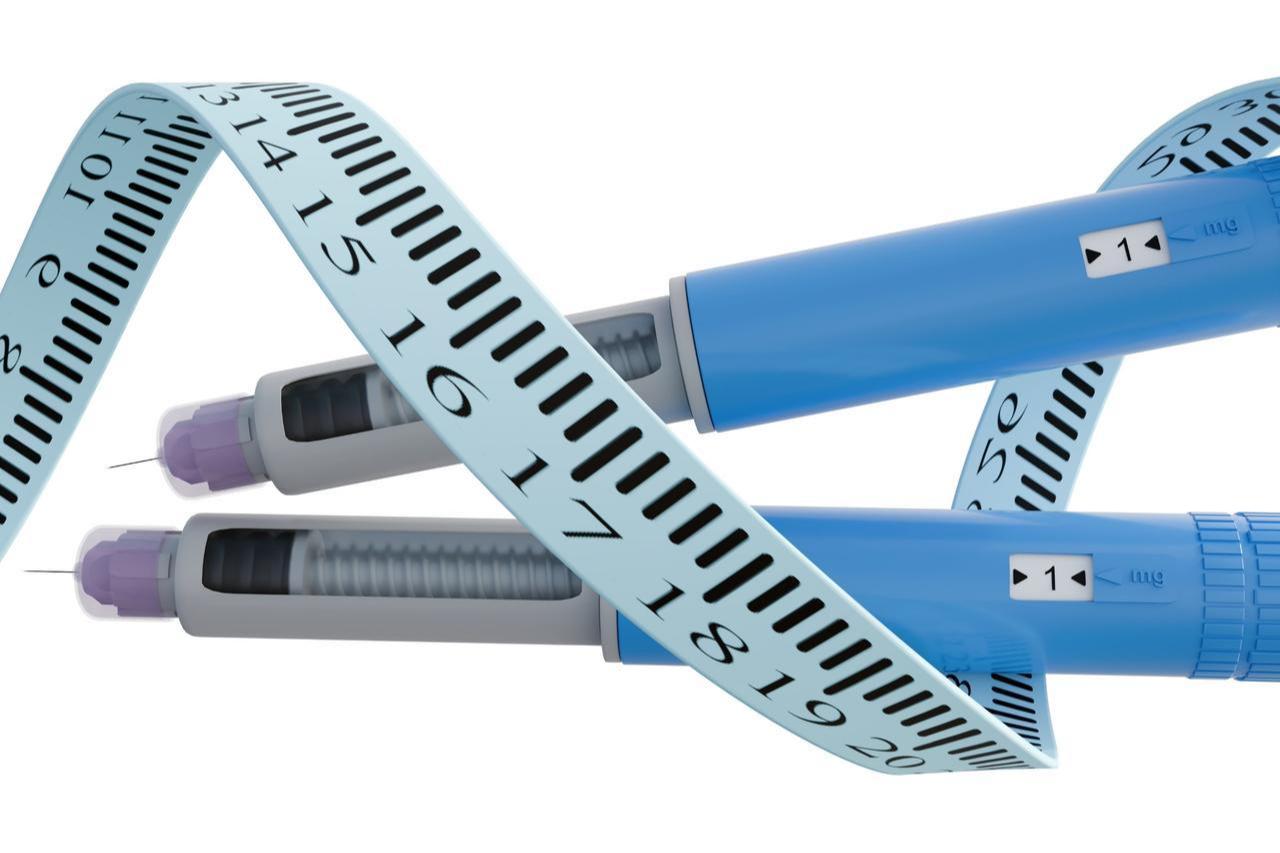

Controlled clinical trials, however, show a more cautious outcome. In these studies, most patients regained a significant portion of the weight they had lost after stopping GLP‑1 medications. One meta-analysis found that patients who used semaglutide or tirzepatide regained an average of 9–10 kilograms. While these trials confirm the short-term effectiveness of the drugs, they highlight the need for caution regarding long-term weight maintenance.
The controlled environments of clinical trials and the limited participant groups do not fully reflect the variety of metabolic, genetic, and behavioral factors present in real life, which explains the differences between study results and real-world outcomes.
Maintaining weight loss after GLP‑1 treatment requires more than medication alone. Healthy eating habits, regular physical activity, and behavioral support play a critical role in keeping weight off. Research shows that patients who adopt lasting healthy behaviors during treatment are more likely to sustain weight loss after discontinuing the medication.
Patients involved in comprehensive lifestyle programs often maintain their weight loss even after stopping treatment. This demonstrates that medication alone is insufficient for long-term weight management, and a holistic approach is essential.
Several factors influence whether patients maintain weight after stopping GLP‑1 therapy. Differences between controlled trial settings and broader real-world populations affect outcomes. Genetics, metabolism, previous health conditions, and personal habits all play a role in post-treatment weight retention.
Some patients are able to sustain weight loss by making the healthy behaviors learned during treatment a permanent part of their lifestyle, while others may regain weight if they fail to adopt lasting changes. Personalized weight management plans and regular monitoring are therefore crucial for long-term success.
Obesity specialists agree that GLP‑1 medications are a powerful tool for weight loss. However, long-term success depends on a treatment plan that combines medication with healthy lifestyle habits and behavioral support. Some experts recommend gradually tapering the medication rather than stopping abruptly to reduce the risk of weight regain.
In conclusion, while GLP‑1 medications are effective for weight loss, outcomes after discontinuation vary among individuals. Recent findings are promising, but lasting weight maintenance requires a comprehensive and personalized approach. When used as part of a broader strategy, these medications can help patients achieve sustained weight loss.


 Set as preferred source
 Set as preferred source




 2 min read