Newsletters


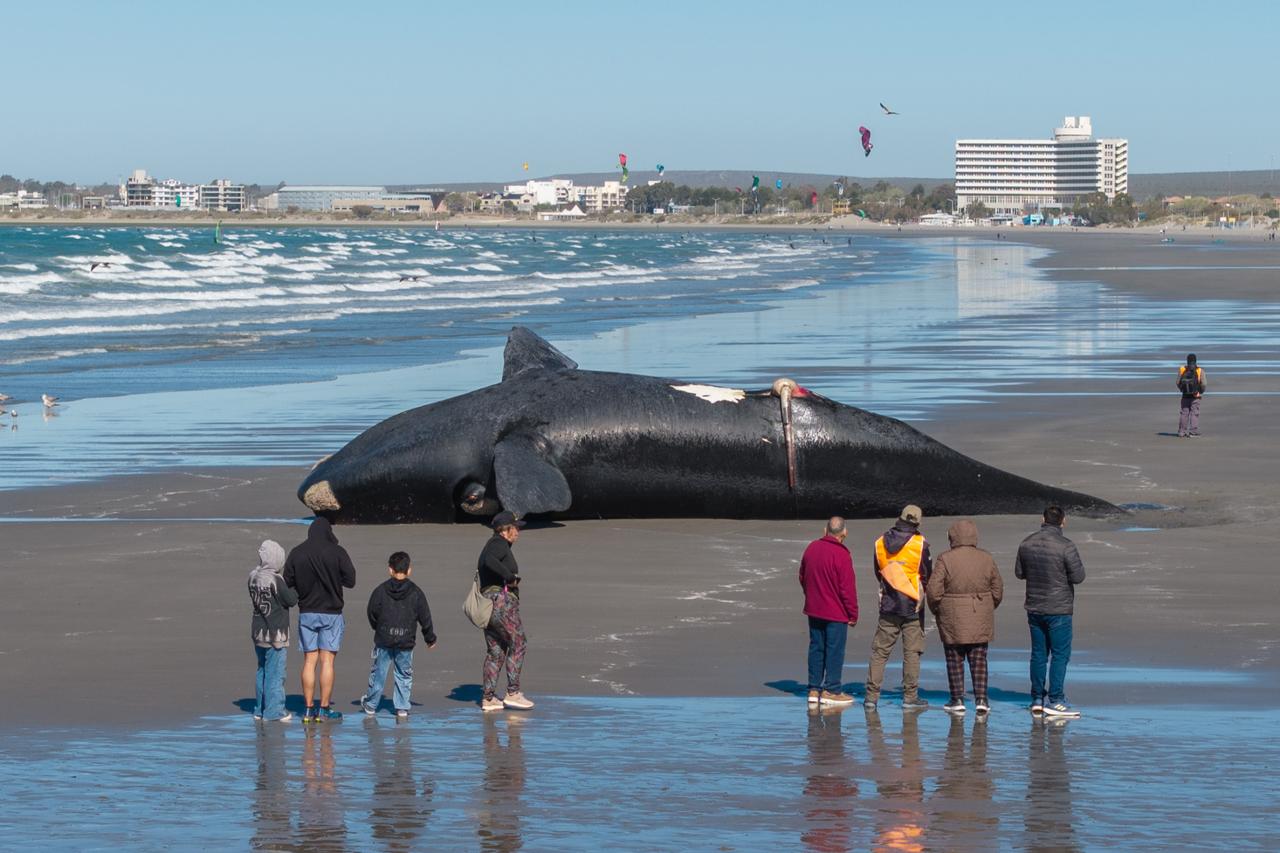


Dead southern right whales are washing ashore near Puerto Madryn, a city in Chubut province on Argentina’s Atlantic coast about 1,100 kilometers (680 miles) southwest of Buenos Aires.
The dead now include juvenile and adult animals after months in which only newborn calves were found. Scientists have not confirmed a cause.
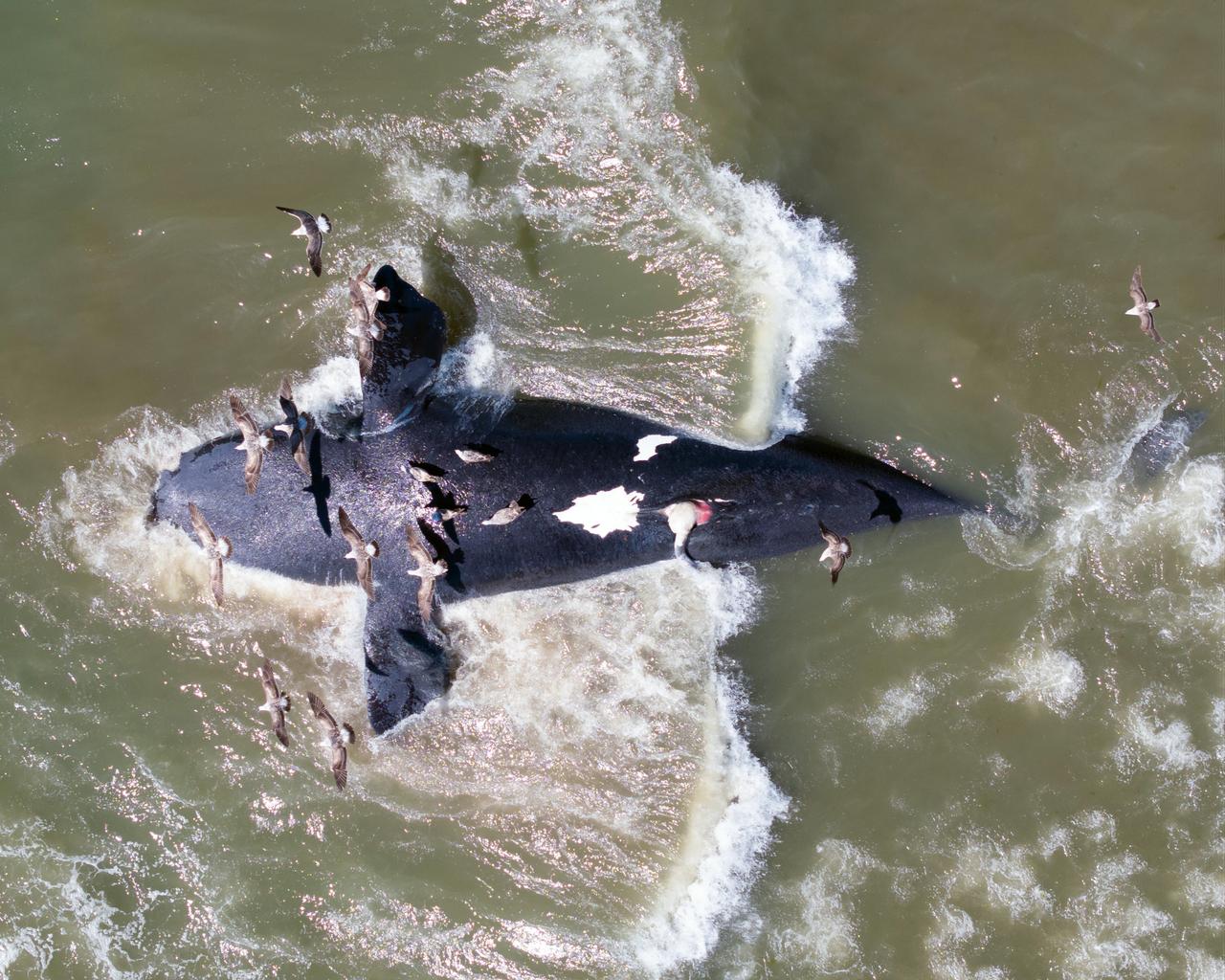

Dead calves have been recovered along the coast of Peninsula Valdes and near Puerto Madryn since June. The peninsula is one of the main breeding grounds for the species, which whaling nearly wiped out in the 19th and 20th centuries.
Marcela Uhart, a veterinarian at the One Health Institute at the University of California, Davis, who leads the Southern Right Whale Health Monitoring Program, said 23 years of monitoring data show the calf deaths are unusual. Her leading hypothesis is that marine bacteria enter calves’ bodies through wounds kelp gulls inflict.
Veterinarians suspect erysipelas, a bacterial disease, and have detected bacteria in tissue samples. Infection has not been confirmed as the cause of death.
Mariano Coscarella, a researcher at Argentina’s National Scientific and Technical Research Council (CONICET), said the evidence points to a natural cause, though human influence cannot be fully ruled out. Chubut authorities said nothing found so far links the deaths to human activity.
Preliminary 2026 records could exceed the 113 calf deaths documented in 2012, the population's highest annual figure, according to Argentine outlet La Izquierda Diario.
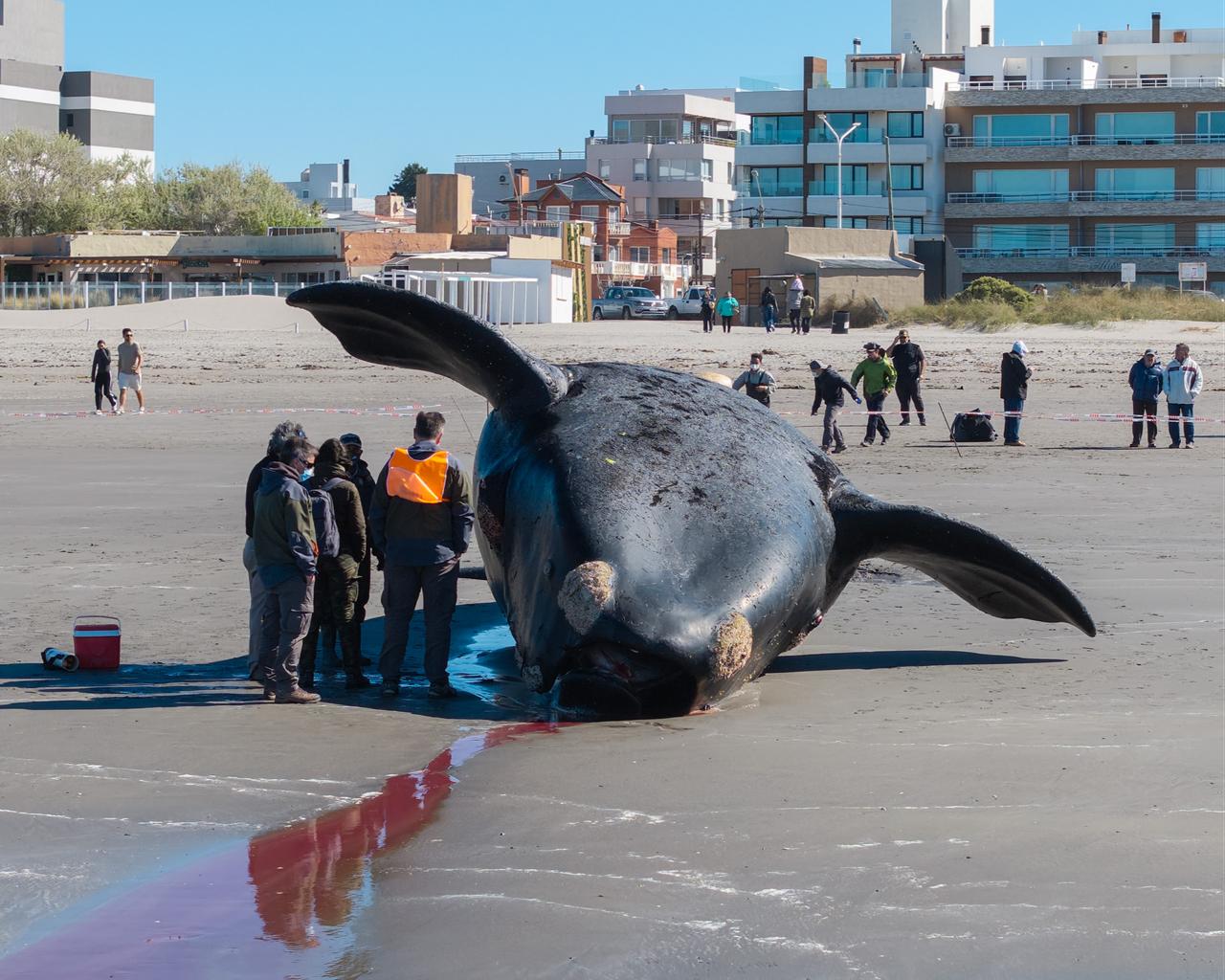
Juvenile and adult whales have also been found dead in Nuevo Gulf and around Peninsula Valdes in recent days, regional outlet ADNSUR reported.
A researcher quoted by the outlet said whales begin feeding in the gulf in October and may ingest algae that cause red tide, a harmful algal bloom. Red tide was linked to whale deaths there in 2022, when 28 adult whales died, and in 2024.
The same researcher noted that bacteria and gulls were present in earlier seasons without comparable mortality and said 2026 is an El Niño year. No link to El Niño or to a new red tide has been established.
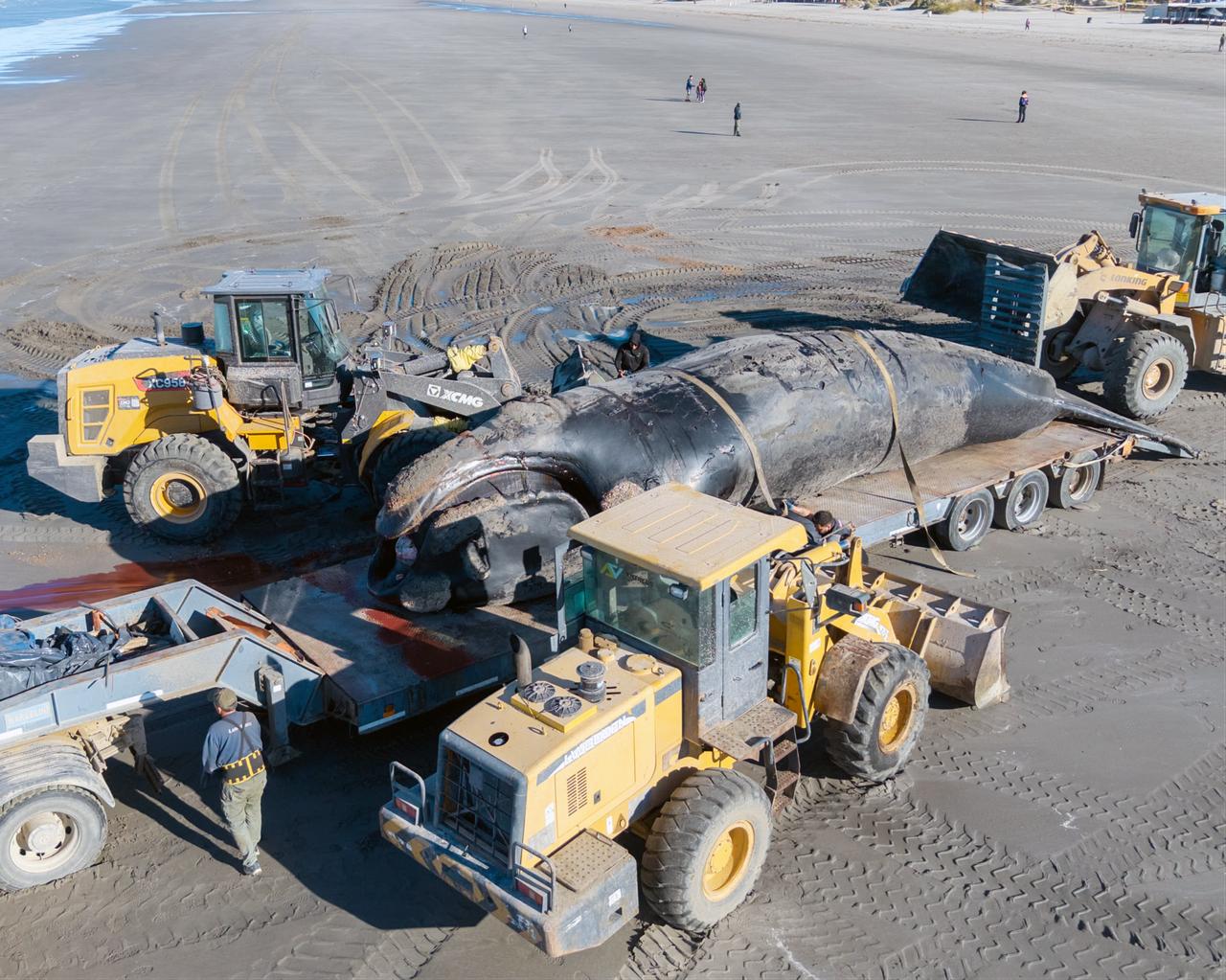
A CONICET aerial survey on Sept. 6 counted 1,375 southern right whales in the area, including 409 calves. Teams have collected samples from the dead animals for lab tests, and Coscarella said more complete results could arrive toward the end of October.


 Set as preferred source
 Set as preferred source


 2 min read