Newsletters


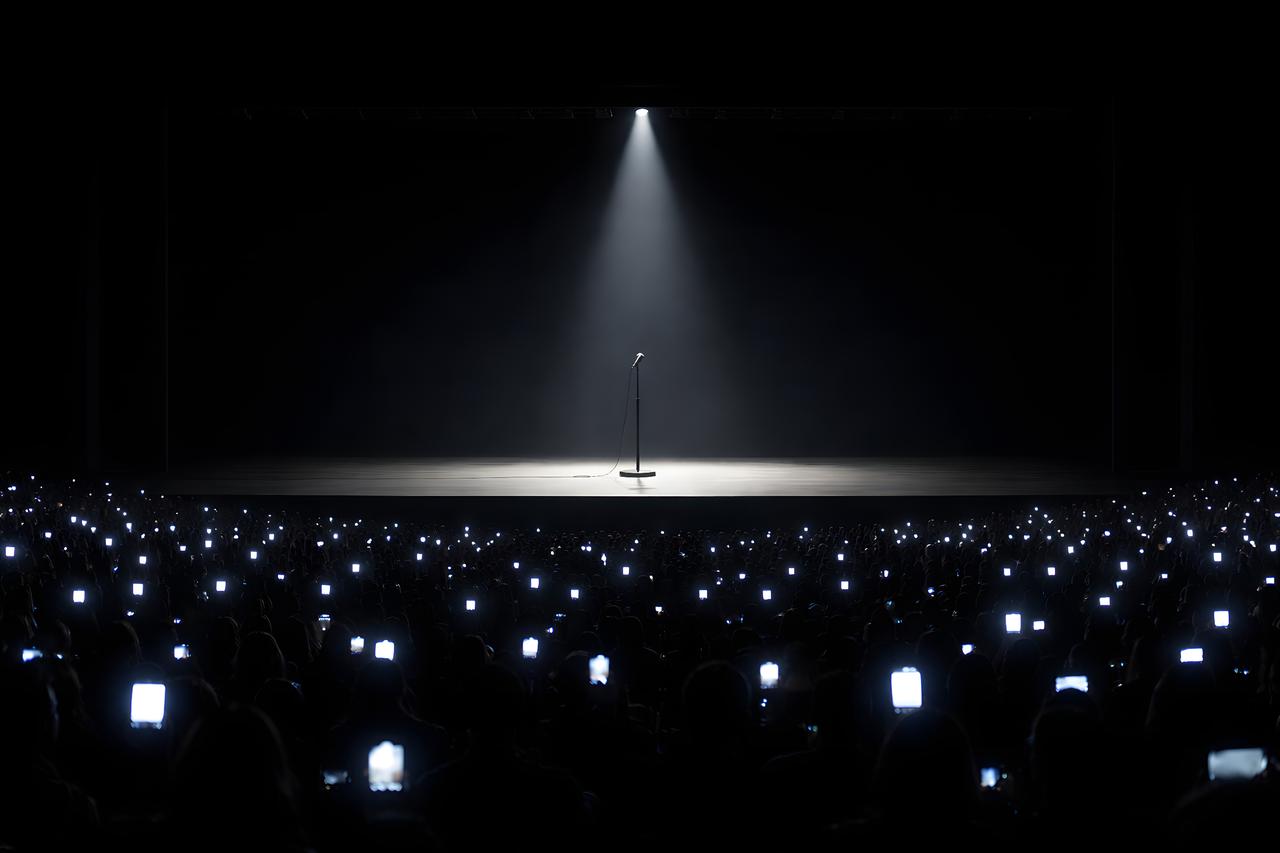


Staying silent on a conflict is, in itself, a political choice.
When public figures try to stay neutral, their silence gets read as taking a side. And when artists do speak up or act, they have to reckon with how the public will react.
From a rapper dropped off a tour for speaking up, to a pop star praised for one boycott but accused of hypocrisy over another, recent headlines show just how messy this double standard can get.
Fans have grown quick to demand boycotts whenever a public figure's politics seem to fall short, but artists seem to listen selectively, responding to some causes while staying quiet on others.
What looks like an artist's personal conviction is often just a reaction to whatever cause fans have already pushed into the spotlight. Fans don't just demand responses from public figures; they decide, often without realizing it, which causes are loud enough to demand one in the first place.
So when an artist takes a stand, is it really conviction, or just whichever cause fans had already decided was loud enough to demand one?
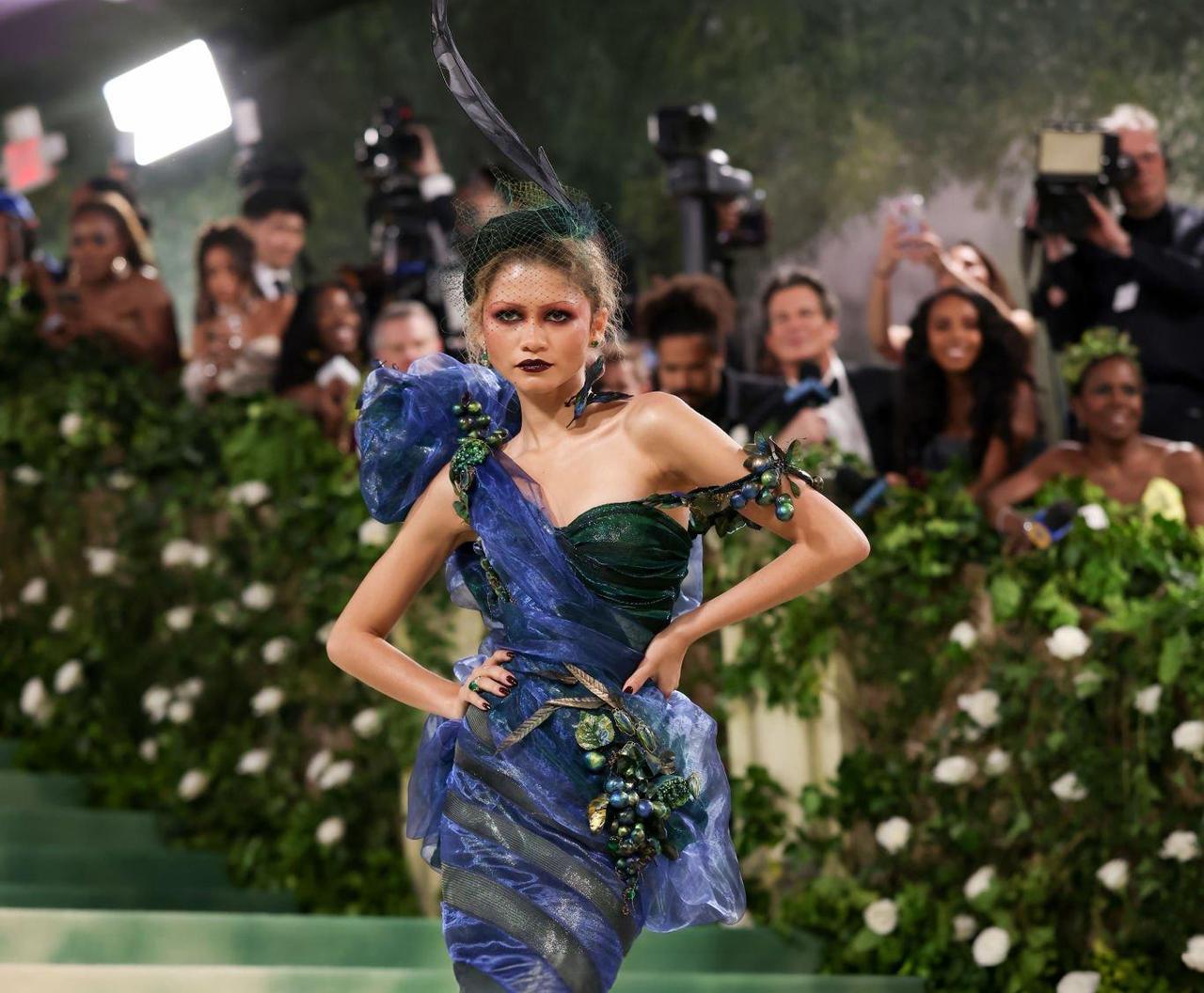

Conviction tends to show up only after it's already safe to have one. In the months after the war on Gaza intensified in October 2023, many of entertainment's biggest names said little or nothing publicly, and for a while that silence barely registered as a choice. It read as business as usual.
That changed in May 2024. Ahead of the Met Gala, content creator Haley Kalil posted a video of herself getting ready for the event, captioned "let them eat cake," a line popularly attributed to Marie Antoinette.
Many viewers took it as a callous joke about luxury while Gaza faced Israeli airstrikes and a mounting civilian death toll. The backlash was swift, and Kalil deleted the video, but by then the anger had outgrown her.
Within days, a campaign known as Blockout 2024 was urging users to block and unfollow celebrities accused of staying silent on Gaza. From that point on, saying nothing stopped being read as neutral and started being read as a decision.
But speaking up rarely satisfies everyone at once. The same statement that wins over one audience can read as an insult, a betrayal, or simply not enough to another. Sometimes the backlash has nothing to do with whether the stance was right, and everything to do with who's judging it, and by what standard.
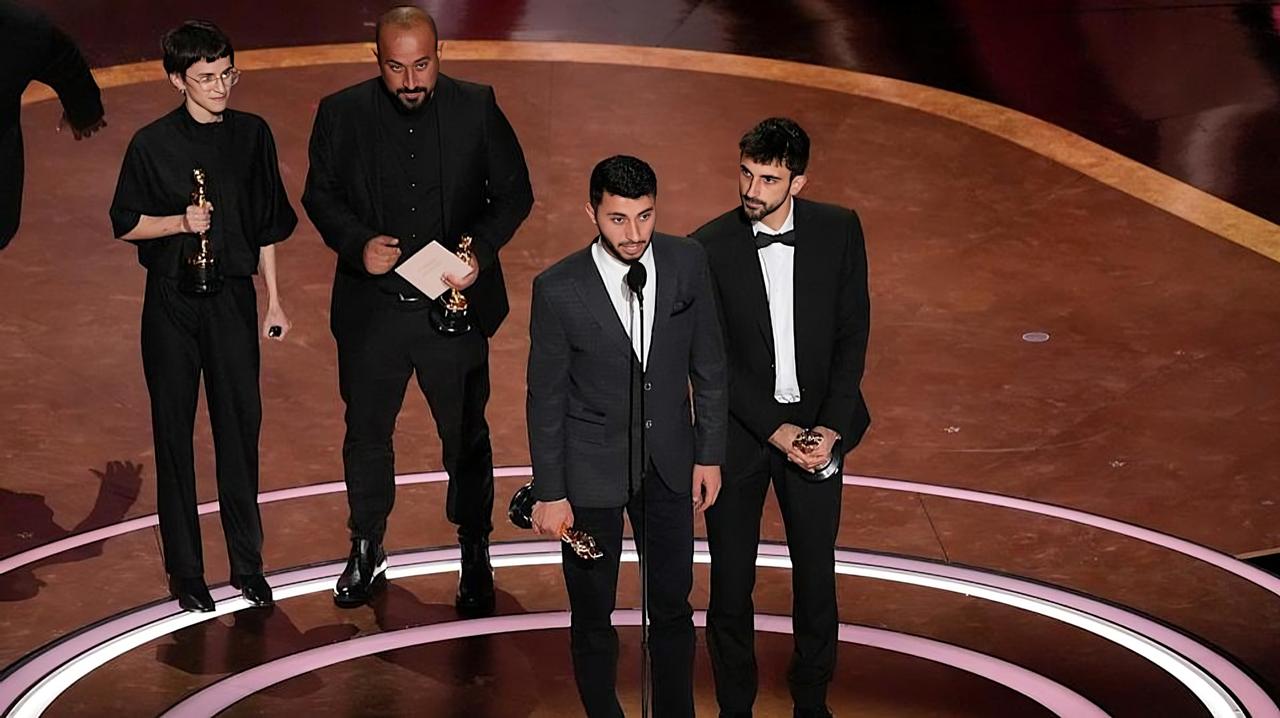
"No Other Land" shows exactly what that looks like. When the film won the Oscar for Best Documentary, co-directed by Palestinian and Israeli filmmakers spotlighting displacement in the West Bank, it felt like proof that art could cross lines politics couldn't. But the applause barely had time to settle before the criticism caught up with it.
Israel's Culture and Sports Minister Miki Zohar called the win “a sad moment for the world of cinema.” Other officials followed with similar criticism, and unlike the reception abroad, Israeli media largely did not celebrate the win. The film quickly became a flashpoint in Israel, even as it was being celebrated internationally.
The criticism didn't come from just one side. PACBI, a Palestinian group that specifically campaigns for boycotts of Israeli academic and cultural institutions, and which operates under the broader BDS movement, criticized the film for what it called a violation of anti-normalization principles, questioning the inclusion of an Israeli co-director at all.
The implication, for some critics, was uncomfortable: a documentary led entirely by Palestinian filmmakers, telling the same story, might never have reached the same stage, let alone won the same prize.
These reactions show that even a story built on shared ground doesn't guarantee shared approval; the same work that made history also found its critics, simply depending on who was watching, and from where.
Staying silent can mean losing fans, losing credibility, or getting pulled into an emotional spotlight no one asked for. Is it fair, though, to expect public figures to have a clear, informed stance on every conflict happening around the world?
Most people, famous or not, aren't experts on the issues they're being asked to weigh in on. Following the headlines isn't the same as understanding the history, politics, and loss behind them. Seen that way, staying silent isn't always dishonesty; sometimes it's an honest admission of not knowing enough to speak with any real authority.
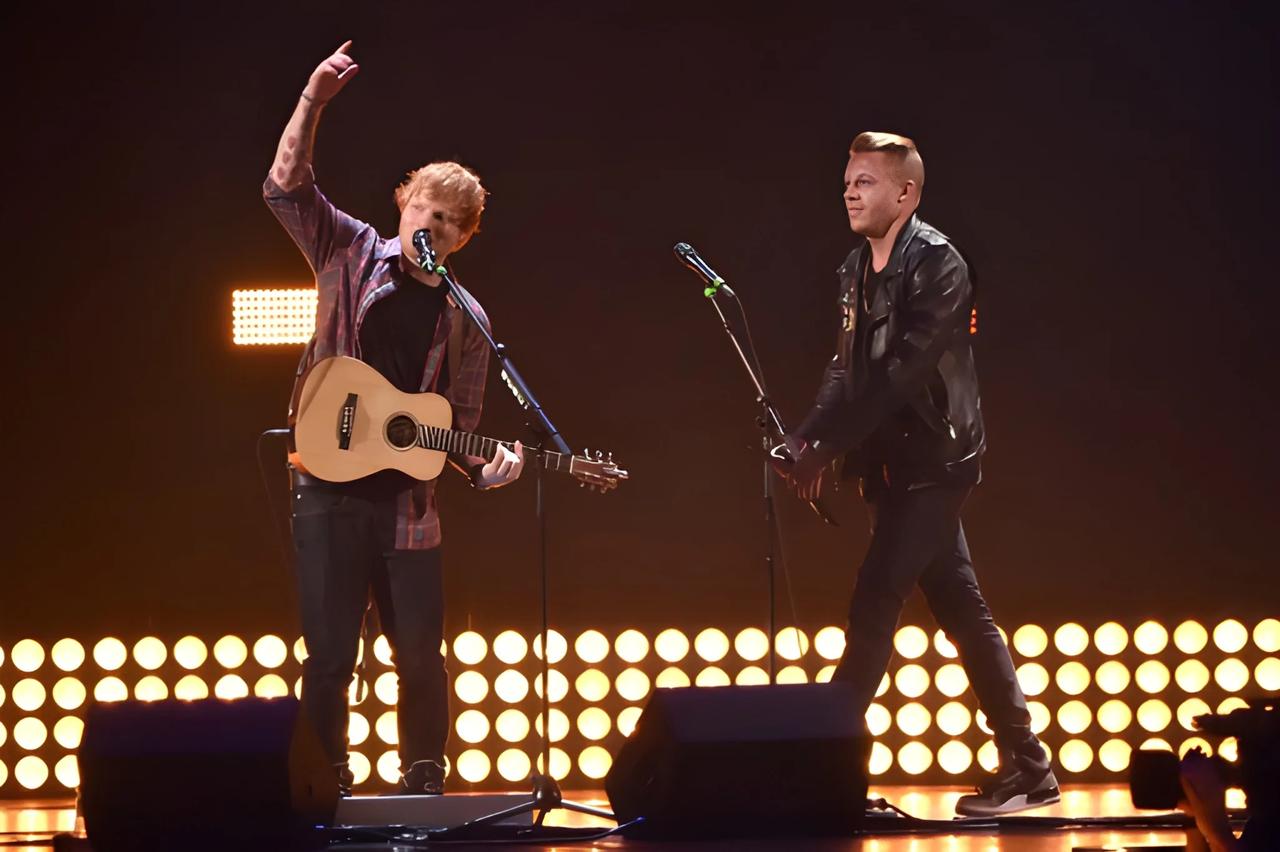
That tension played out publicly this September, when Macklemore was dropped from Ed Sheeran's Loop tour after shouting Free Palestine from the stage. Sheeran said the promoter made the call to remove Macklemore, not him. Even so, questions about where he stood kept coming.
Opening the first concert after the removal, in Philadelphia, Sheeran took the stage and addressed the questions directly.
Saying he'd tried throughout his career to avoid being a political commentator of any kind, because he wanted his music and shows to be about unity rather than division, about humanity rather than politics.
Some people simply haven't lived close enough to different histories to carry the full weight, and that's okay. Maybe that's the real standard worth holding public figures to then, not whether they speak, but whether they're honest about what they actually know.
Someone like Sheeran, admitting he doesn't want to pretend to grasp a conflict's full weight, deserves some grace for that caution. But for artists who've built platforms around social causes, or who clearly do have the history and the knowledge, staying silent stops looking like humility and starts looking like a comfortable way out.


 Set as preferred source
 Set as preferred source


 2 min read