Newsletters





More than 660,000 women worldwide are diagnosed with cervical cancer each year, with around 350,000 deaths annually, according to World Health Organization (WHO) figures cited by Prof. Dr. Polat Dursun, president of the Turkish Gynecological Cancer Foundation.
In a written statement released as part of Cervical Cancer Awareness Month, Dursun also underscored that Türkiye is in a strong position when it comes to diagnosing and treating cervical cancer, while pointing to the ongoing role of HPV screening and vaccination in prevention.
Drawing on WHO data, Dursun said about 662,000 women worldwide are diagnosed with cervical cancer each year and that roughly 350,000 of these patients die annually. He also noted that cervical cancer is most commonly seen in less developed and developing countries, adding that 80% of global cases occur in countries with limited resources.
Dursun said Human Papilloma Virus (HPV) is a virus with more than 200 different types and can lead to warts, abnormal cell growth, and cancer in various parts of the body, especially the genital area. He added that HPV accounts for 5% of all cancers caused by infection-related agents worldwide.
When all HPV-related cancers are counted together, he said oncogenic (cancer-causing) types of HPV lead to about 1.5 million cancer cases each year globally, including 582,000 cases in men and 922,000 cases in women.
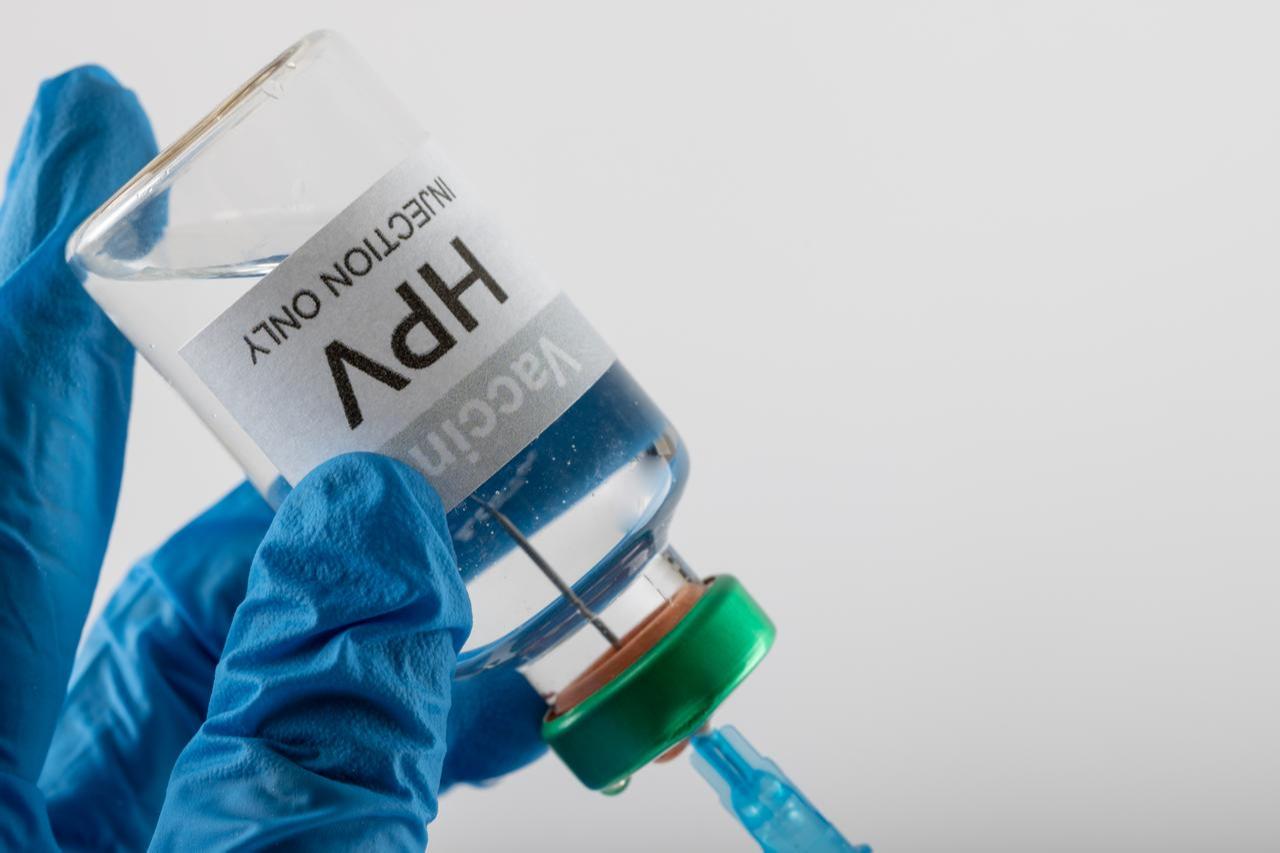

Pointing to prevention, Dursun said HPV vaccination is the most effective way to protect against HPV. He indicated that HPV vaccines have been developed to include antigens against the factors known to cause the most cancer and are in use worldwide, including in Türkiye. He also said two vaccine options are currently available in the country: the quadrivalent (4-valent) and nonavalent (9-valent) vaccines.
Dursun said Türkiye offers free HPV screening for women aged 30 to 65 through Cancer Early Diagnosis, Screening and Education Center (KETEM), a network run by the Ministry of Health. KETEM stands for Cancer Early Diagnosis, Screening and Training Centers, and he said the screening program started earlier than in many countries and is still being carried out successfully.
He also said that all diagnostic and therapeutic procedures used globally for HPV and HPV-related lesions are being applied successfully by gynecologists in Türkiye.


 Set as preferred source
 Set as preferred source



 3 min read