Newsletters


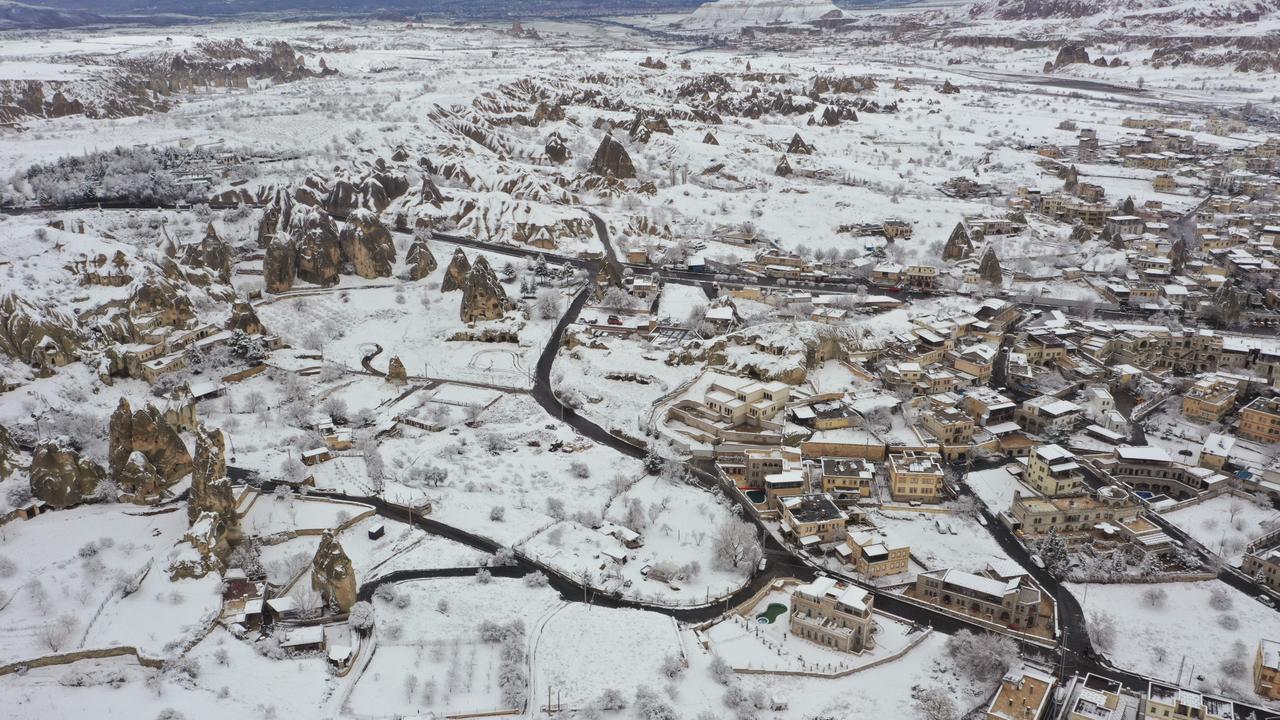
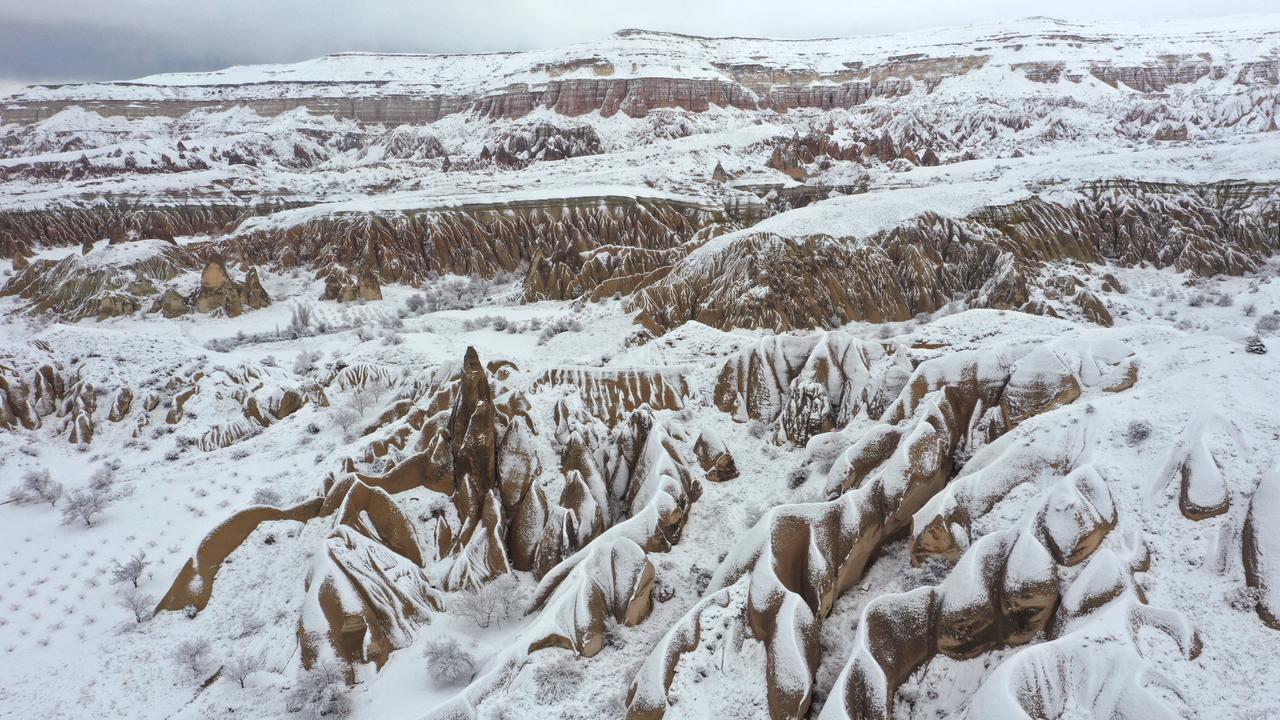
Cappadocia in central Türkiye turned white after snowfall continued across the province of Nevsehir. The tourism region, known for rock formations shaped millions of years ago, now carries a distinct winter atmosphere rarely seen in peak travel seasons.
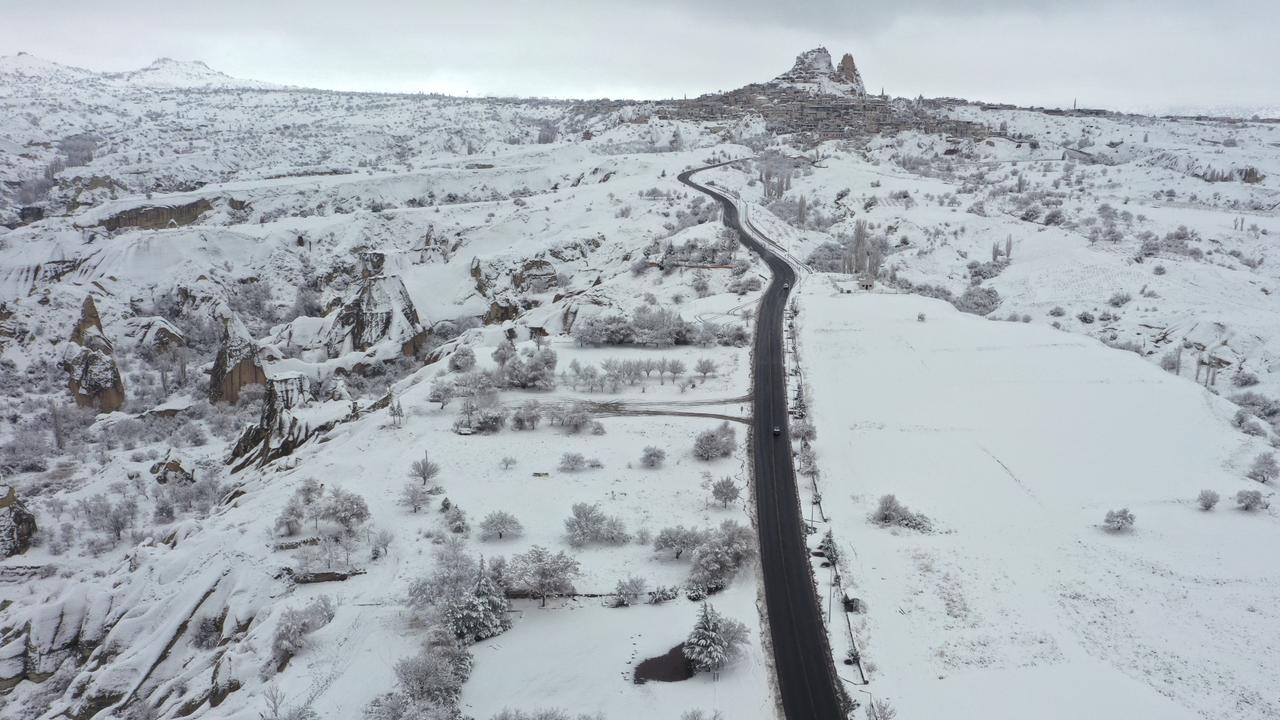
The area is listed as a UNESCO World Heritage site and draws millions of visitors each year for its fairy chimneys and cave dwellings carved into volcanic stone. Snowfall adds a different dimension to the landscape, altering both its texture and mood.
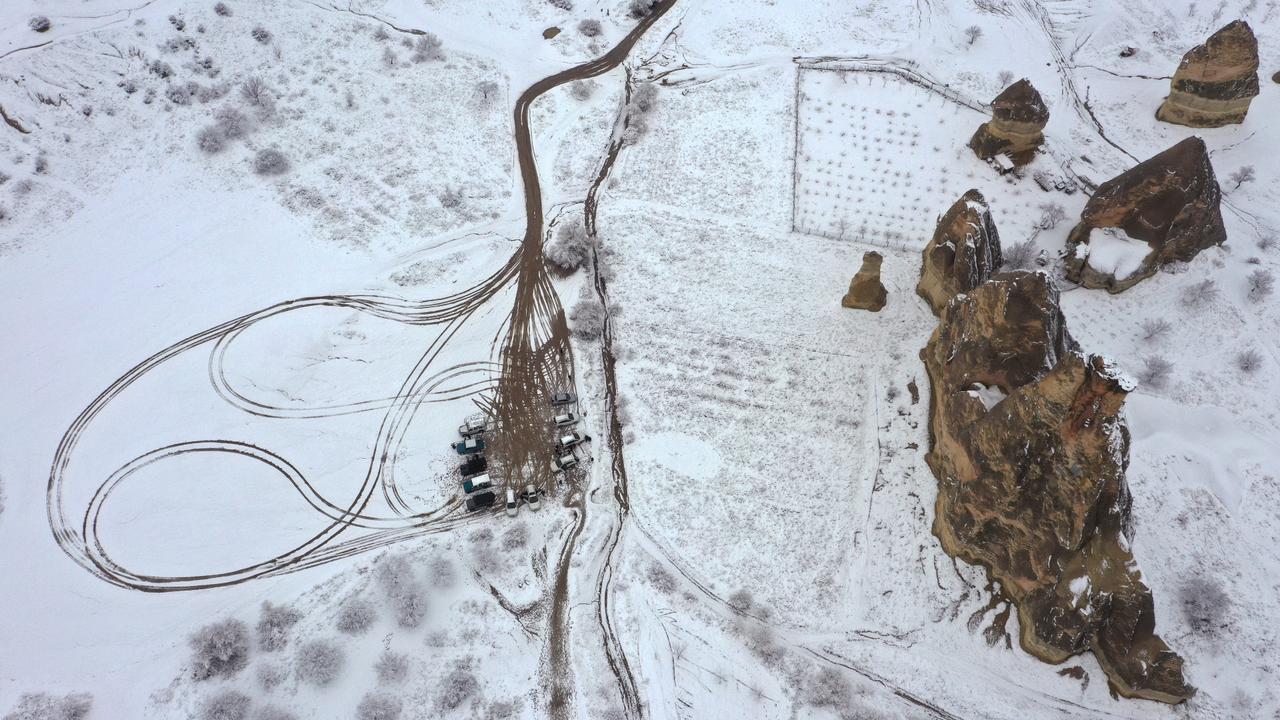
Tourist hubs such as Goreme, Uchisar, and Ortahisar remain active despite freezing temperatures. Foreign visitors continue to explore the valleys, joining guided activities and stopping frequently to take photographs.
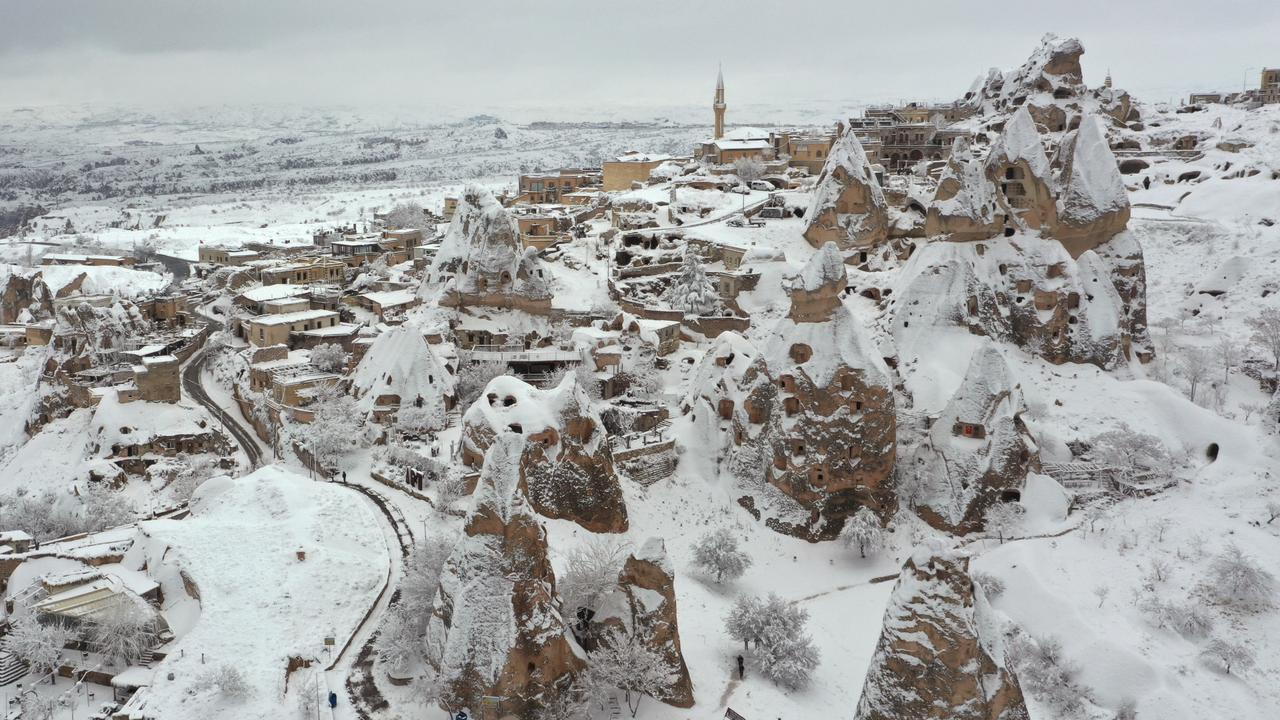
Local tourism operators say winter offers a quieter experience compared to the crowded summer months. The contrast between white snow and beige volcanic tuff makes the geological layers more pronounced.
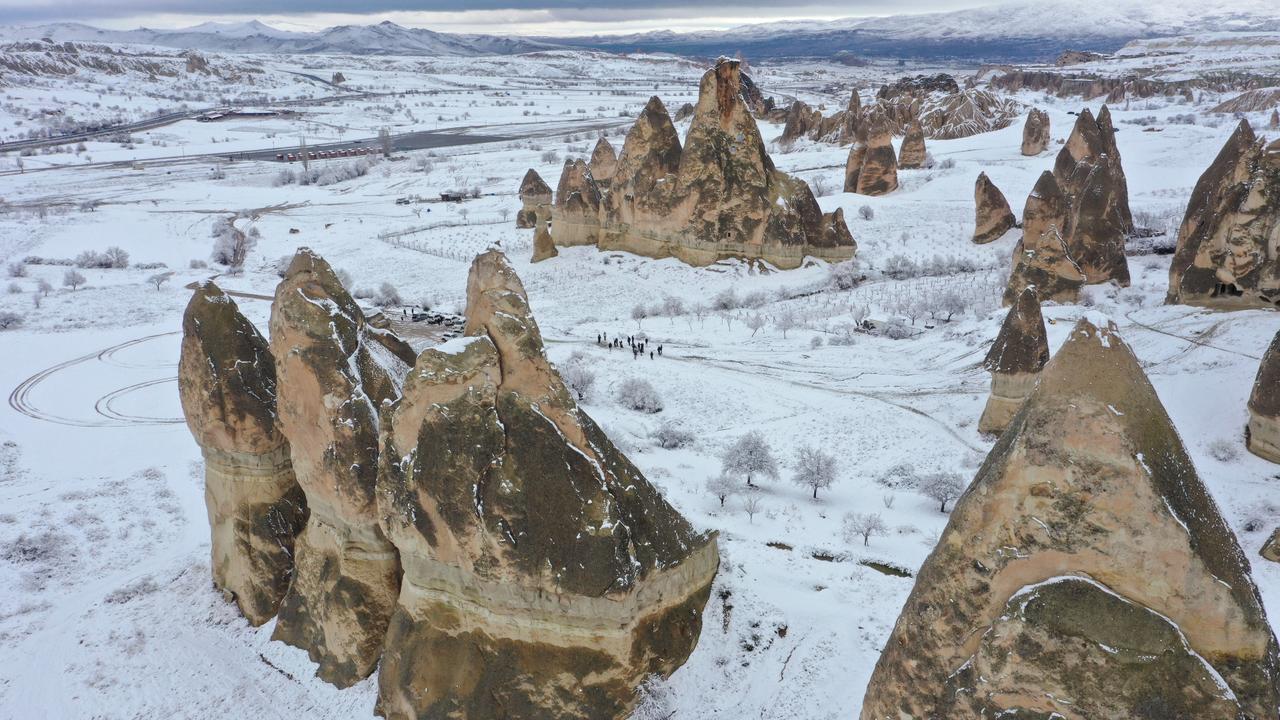
Cappadocia’s rock formations were created by volcanic eruptions and shaped over time by wind and erosion. Snow now settles into their crevices, revealing contours that are less visible during warmer seasons.
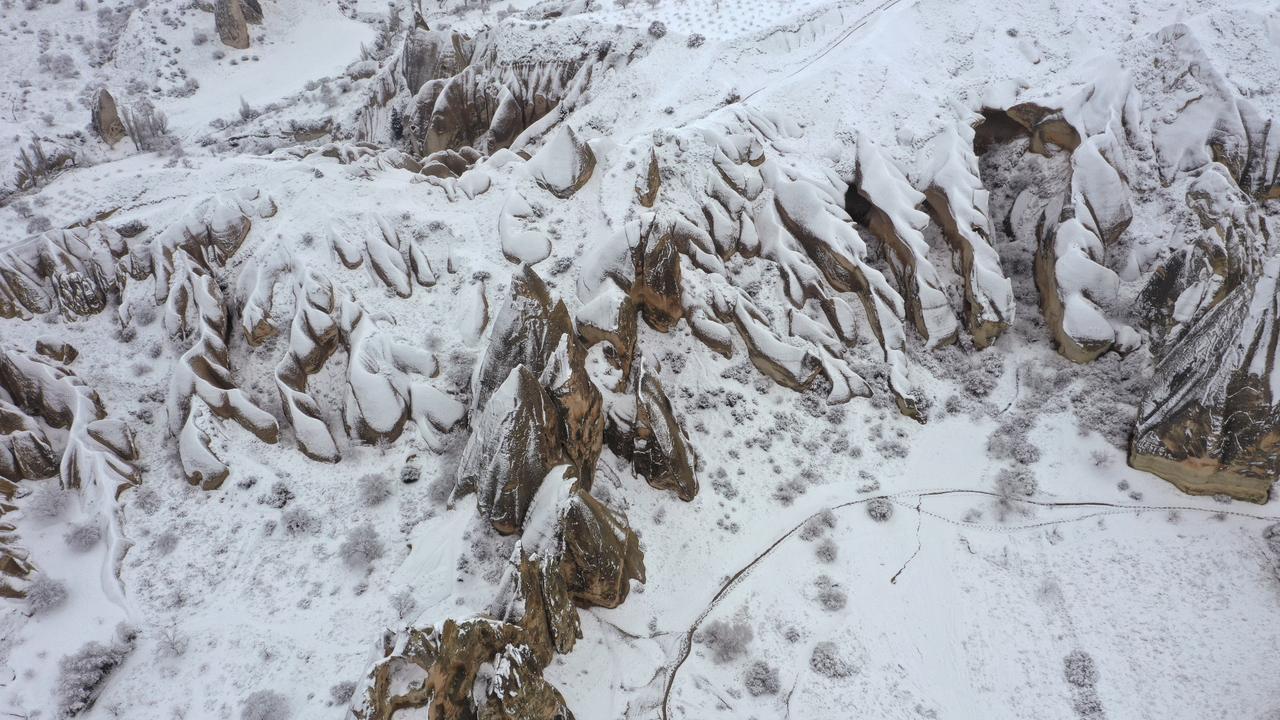
Visitors navigating the valleys by off road vehicles continue to move between historical, cultural and natural landmarks. The region remains one of Türkiye’s most internationally recognized tourism destinations even during harsh weather.
Hot air balloon tours, one of Cappadocia’s signature attractions, have been suspended for three consecutive days due to adverse weather conditions. Authorities say flights are not expected to resume tomorrow either.
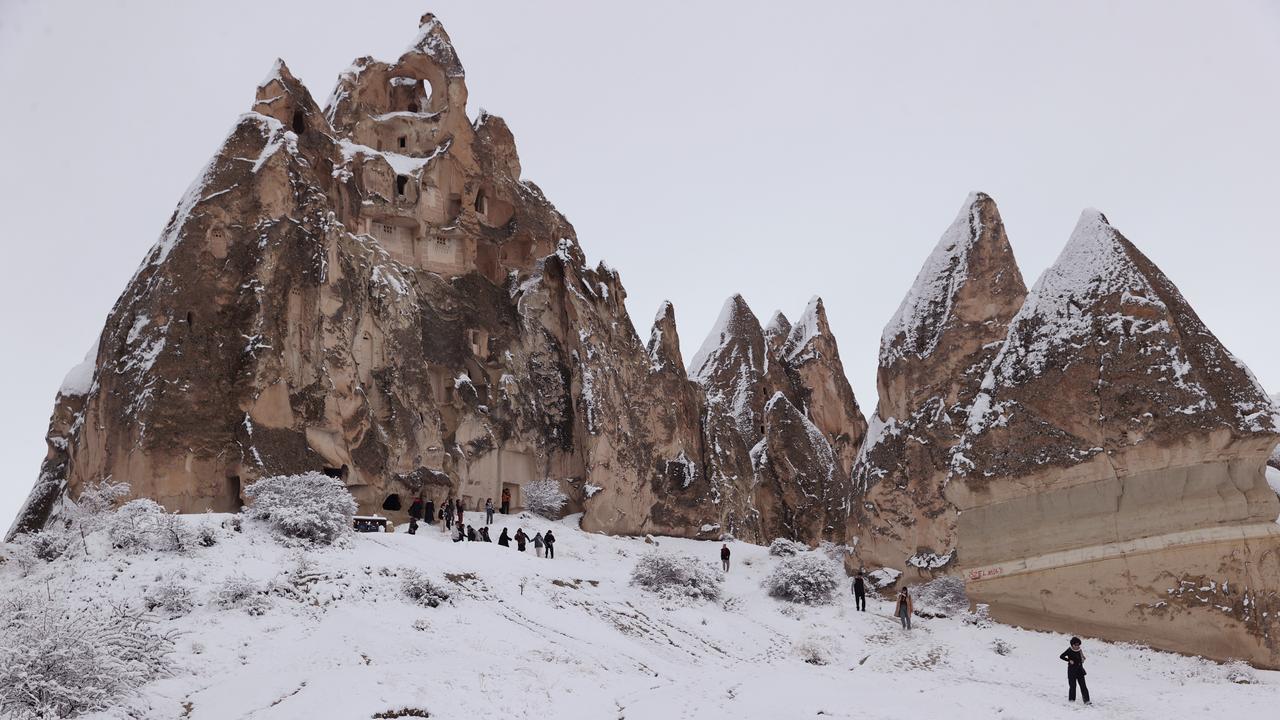
Chinese tourist Lin Hua Ma said she began her journey hoping to see Cappadocia under snow and described achieving that wish. “I feel like I am inside a fairy tale,” she said, adding that the landscape appears much more expansive than where she lives and that “snow and Cappadocia are wonderful.”
 2 min read
 1 min read


 Set as preferred source