Newsletters


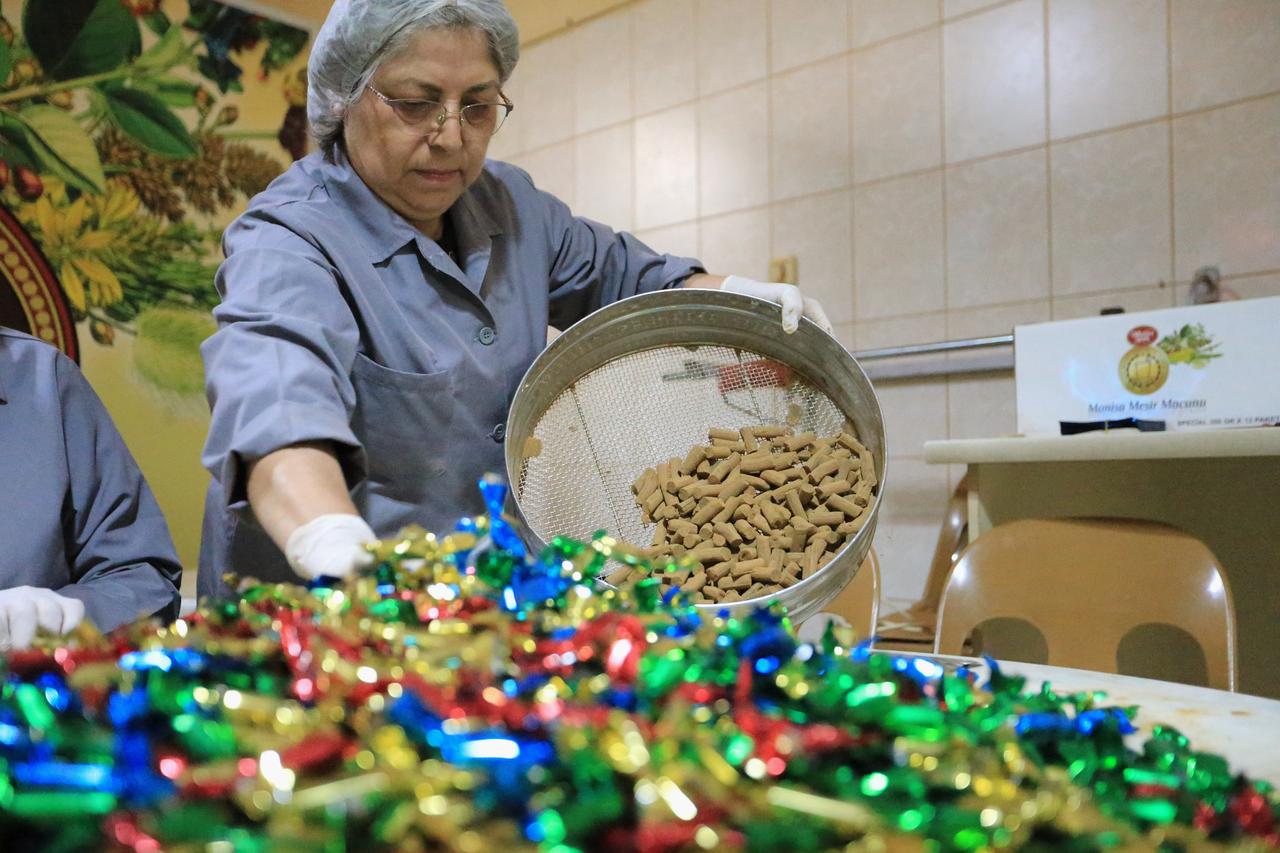


Twelve women in Manisa are currently working long hours to prepare 10 tons of "mesir macunu," a traditional Turkish sweet and herbal paste.
These women use traditional methods to produce the paste for the 486th International Manisa Mesir Macunu Festival. They begin the process by boiling water, sugar, and lemon salt in large cauldrons.
The mixture rests for one day once it reaches a honey-like consistency. Production relies heavily on manual labor and historical recipes.
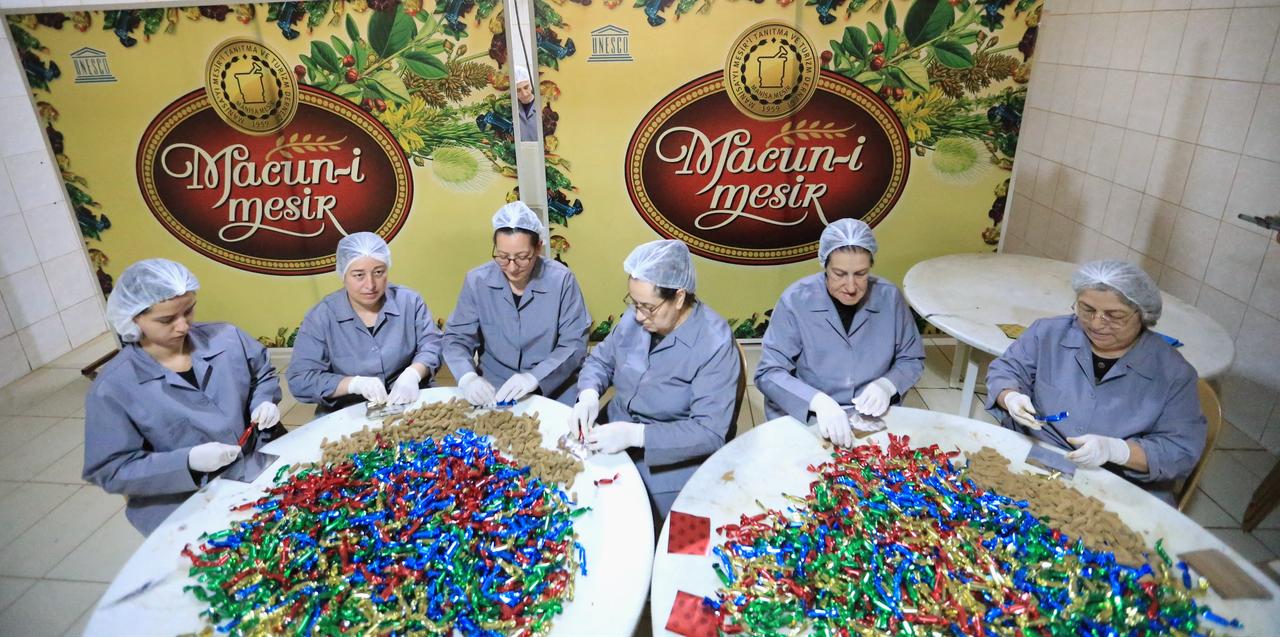
After the base mixture rests, the women move it to benches to mix in 41 distinct types of spices without using any additives. Once the blending is complete, the workers use scissors to cut the paste into small pieces.
They then wrap these pieces into small paper cylinders or sticks to prepare them for the traditional scattering ceremony.

This festival and its signature product hold significant cultural status beyond the borders of Türkiye.
The tradition is part of the UNESCO Intangible Cultural Heritage List and carries a European Union geographical indication registration.
Ufuk Tanik, head of the Association for the Promotion of Manisa and Mesir, notes that the paste represents more than a simple confection.
"Mesir macunu is not just a candy; it contains 41 kinds of spices and no additives. It carries an important promotional value for Manisa and Türkiye, while also symbolizing healing, love, brotherhood, and peace."
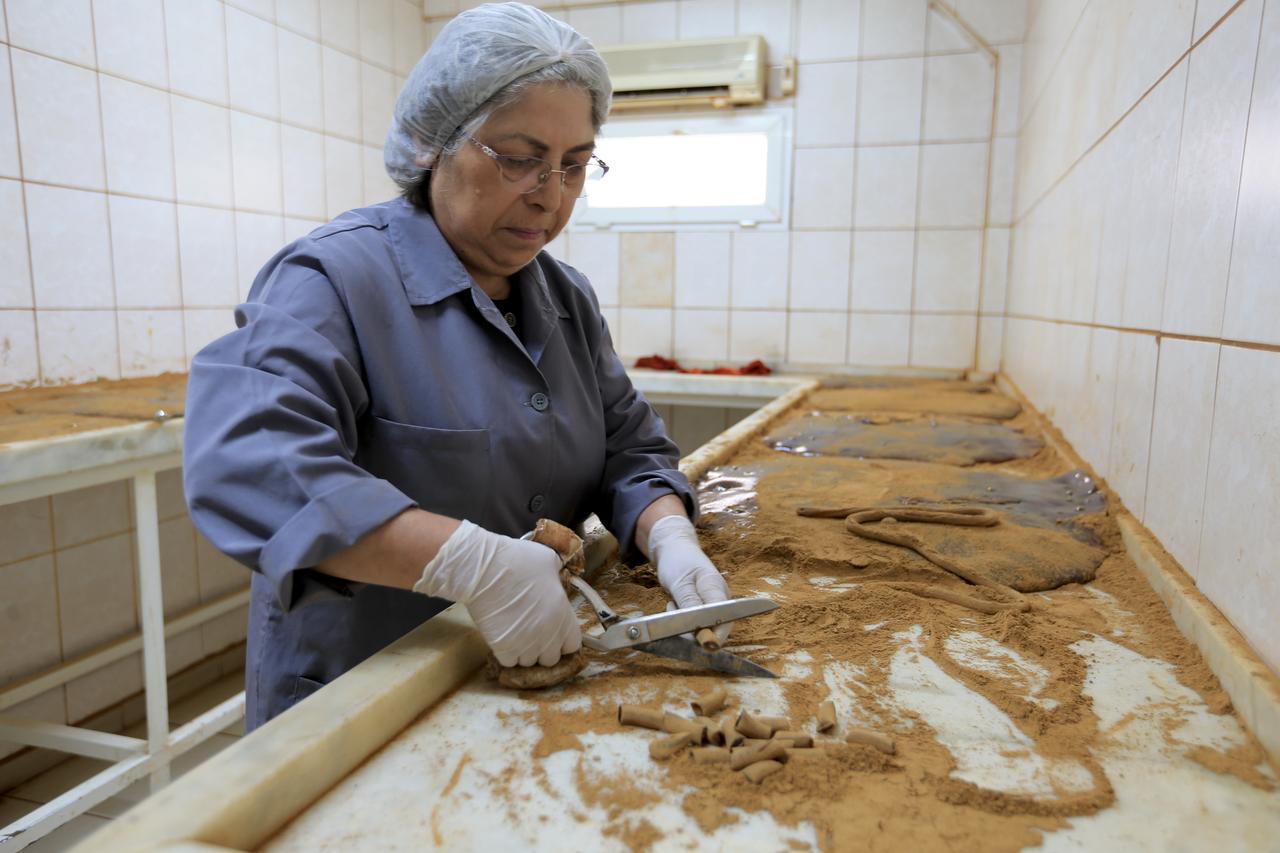
The workforce consists of experienced local women who view their labor as a primary service to public health.
Birgul Arga, a 56-year-old worker, has worked at the workshop for 22 years. She explains that the team puts in great effort to distribute healing to the public. Their consistent work ensures that the centuries-old tradition continues to reach thousands of festival attendees every year.
The 486th edition of the event highlights the enduring nature of this preparation process and its importance to the local identity of Manisa.


 Set as preferred source
 Set as preferred source


 3 min read