Newsletters


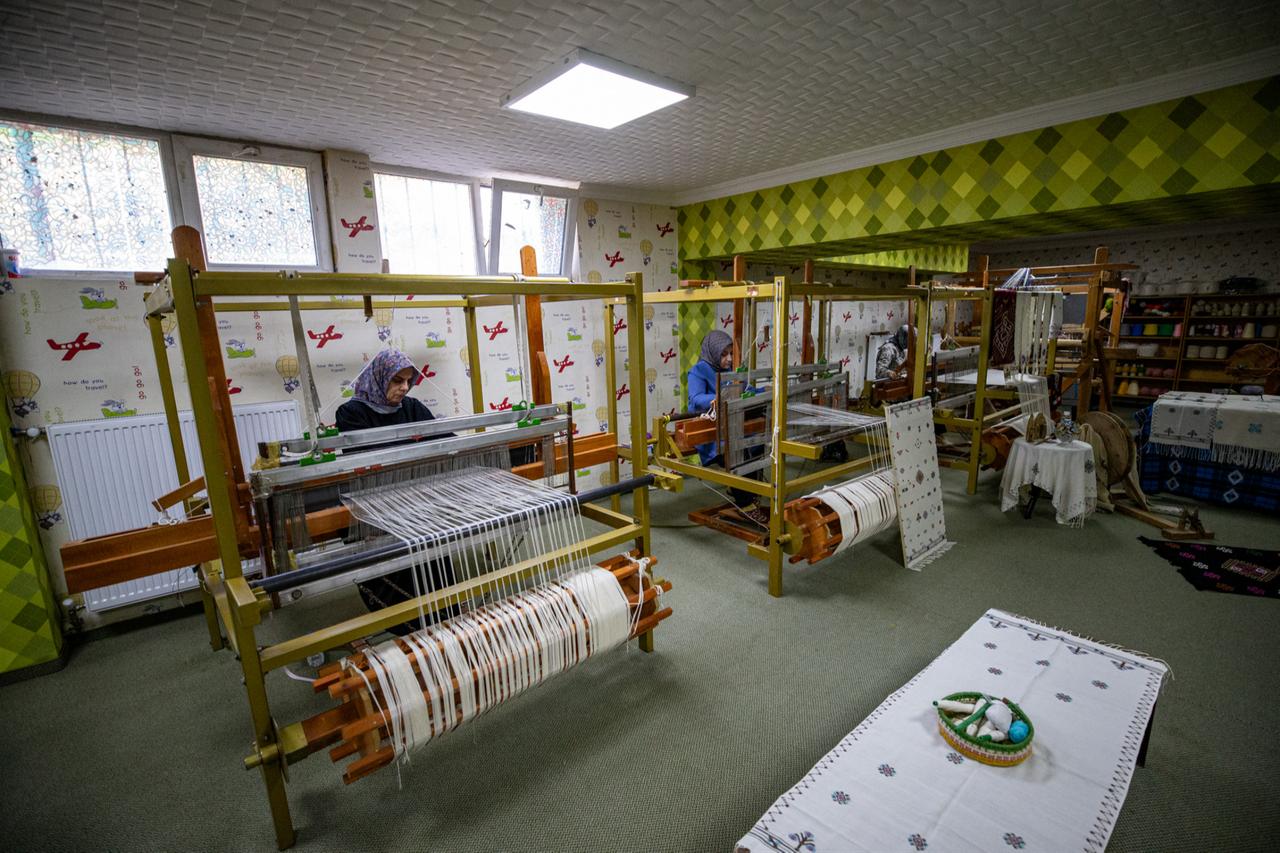


In a small town in eastern Türkiye, women are working wooden looms to bring back a cloth their grandmothers wove, a 250-year-old tradition that had nearly faded away.
The fabric is called Karnavas, and it is made in the Olur district of Erzurum province. It takes its name from the old name of the village of Ormanagzi.
Weavers use only cotton thread in a plain-weave technique on traditional looms. The finished cloth is thin and fine, and its patterns are woven in rather than embroidered afterward.
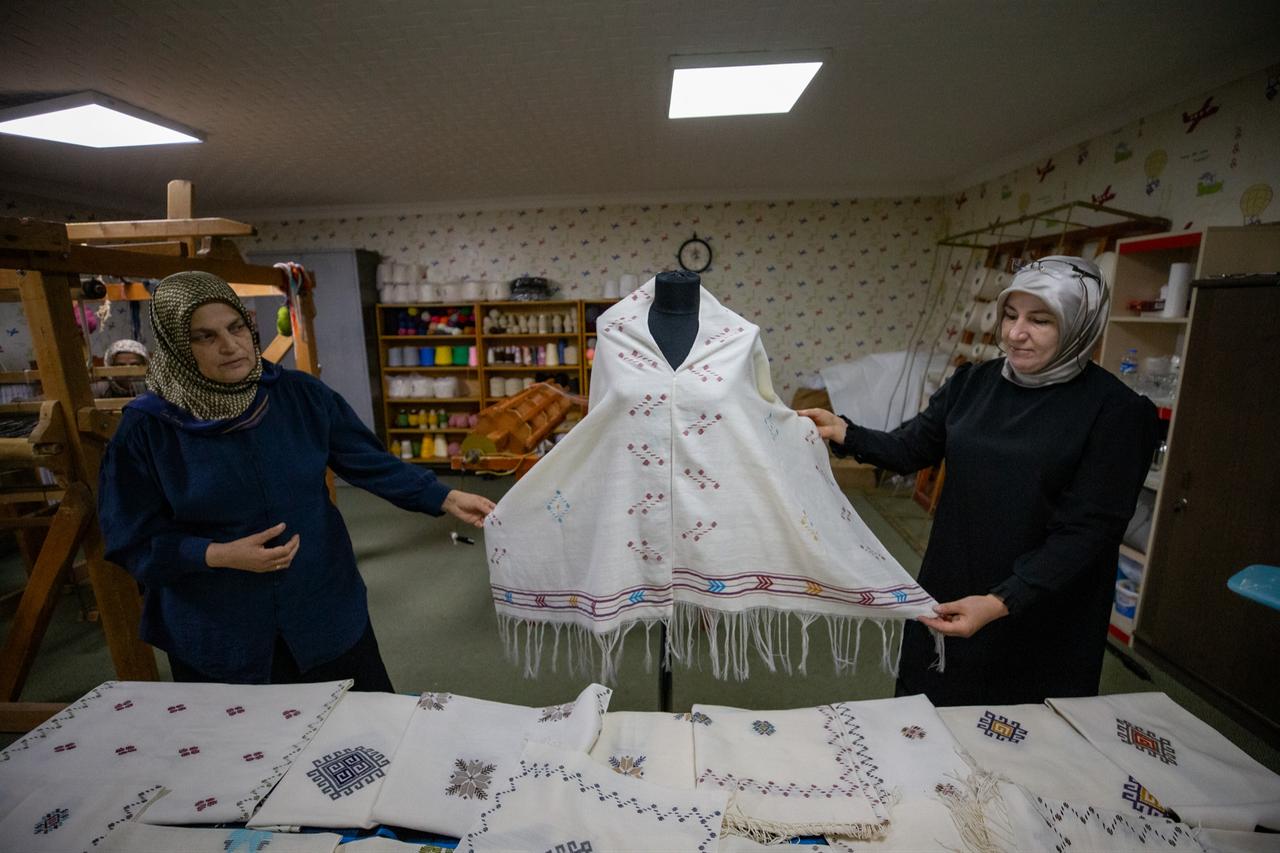

Historically worn by women as headscarves, Karnavas cloth is now crafted into shawls, upholstery for living room sets, table linens, and other home decor.
The centuries-old craft, traditionally passed down from mother to daughter, was on the verge of disappearing before local officials launched a revival campaign in 2019.
The fabric earned a geographic indication registration in 2021, legally preserving its ties to the region. Today, production continues across two specialized workshops at the Olur Public Education Center.
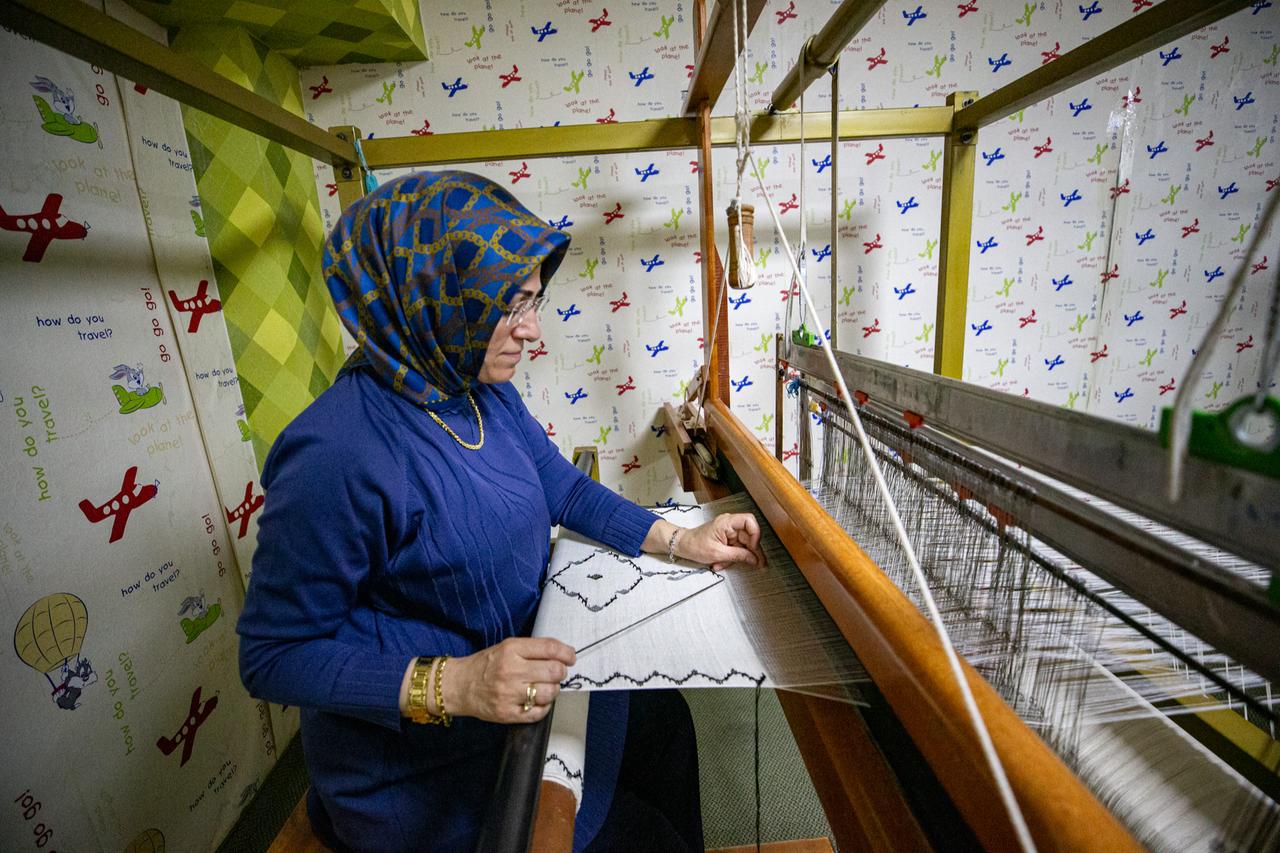
Halil Ibrahim Guney, the district’s education director, said officials have documented about 33 distinct motifs. "It’s not embroidery added afterward," he said. "It’s done entirely with feeling."
He said the patterns reflect a 3,000-year cultural heritage that traveled from Central Asia and the Caucasus to Anatolia. More than 40 women have been trained since 2019.
Guney said the work matters for jobs for women in rural areas, but money remains a problem. A piece that takes two to three days to weave sells for far less than its worth, he said, and the cloth needs more marketing support to reach wider audiences.
Trainee Ayse Ozdemir, who has studied at the center for two years, said she wants to learn the craft and pass it on. "We don’t want this to stay closed in the past," she said.
Nuriye Tutuncu, a master instructor, was born in Ormanagzi and learned weaving from her mother as a teenager. She said she is happy to be making the cloth again after many years. Fellow instructor Ozgul Kilic said they hope to increase production.


 Set as preferred source
 Set as preferred source



 1 min read