Newsletters


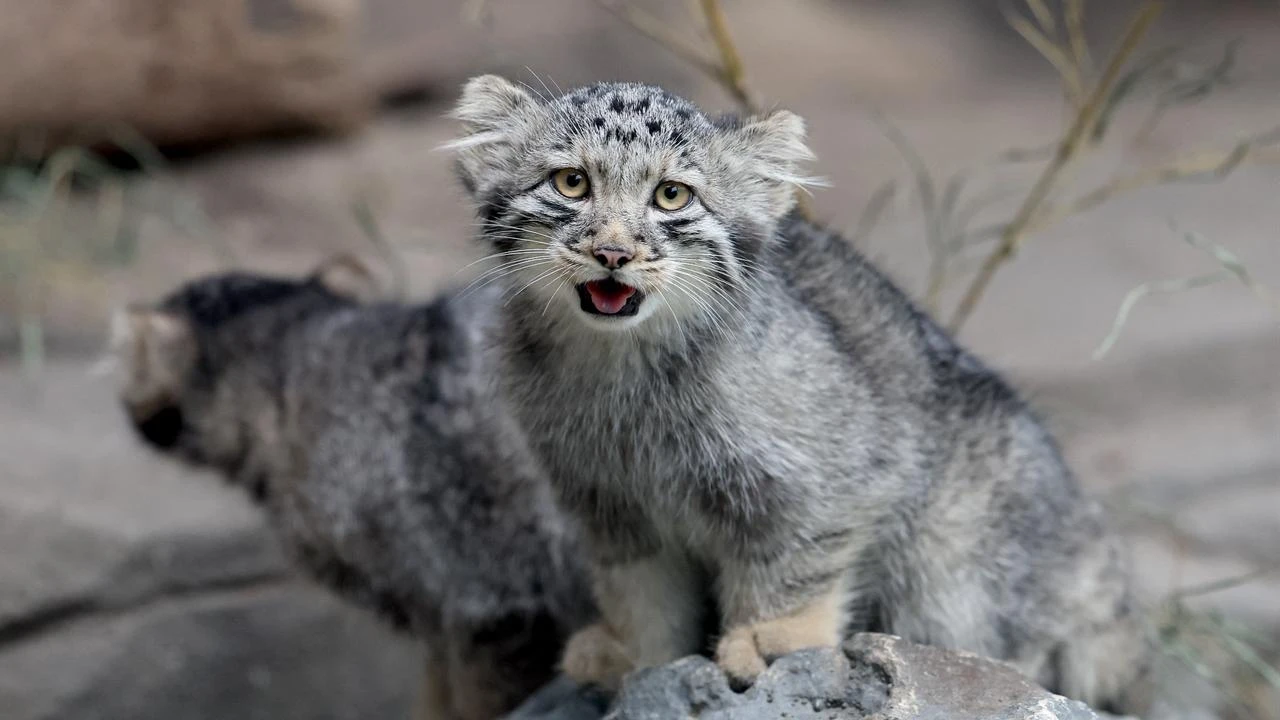
Five Pallas's cat kittens, often called the world's grumpiest feline for their perpetually sullen expressions, are pictured at Kobe Animal Kingdom in Kobe, western Japan, on July 27, 2026.
The kittens, born in May, mark a rare public appearance for a species seldom seen in captivity.
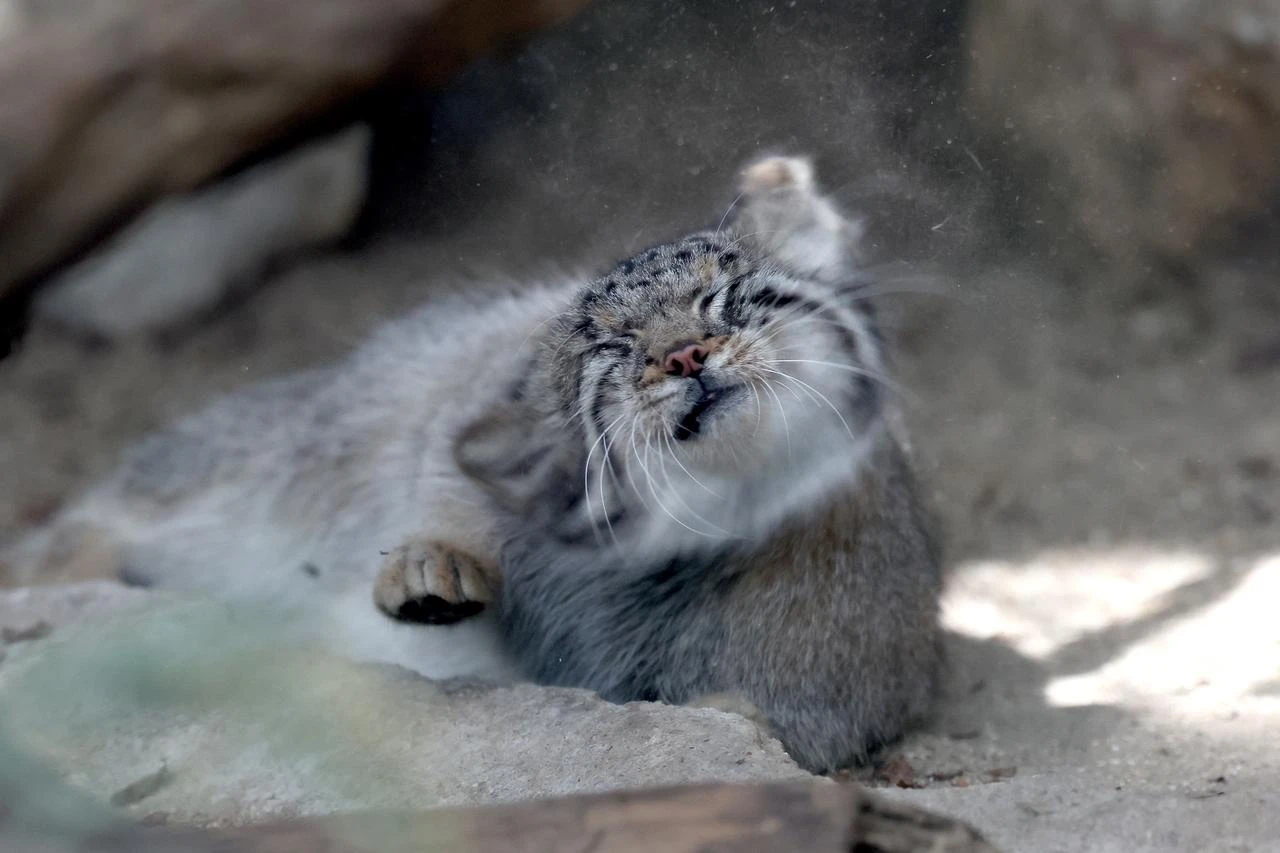
Pallas's cats are considered one of the oldest living cat species still in existence today.
Native to the dry, rocky terrain of Central Asia, the wild felines are known for their flattened faces and low-set ears, features that give them their signature scowling look even when relaxed or content.
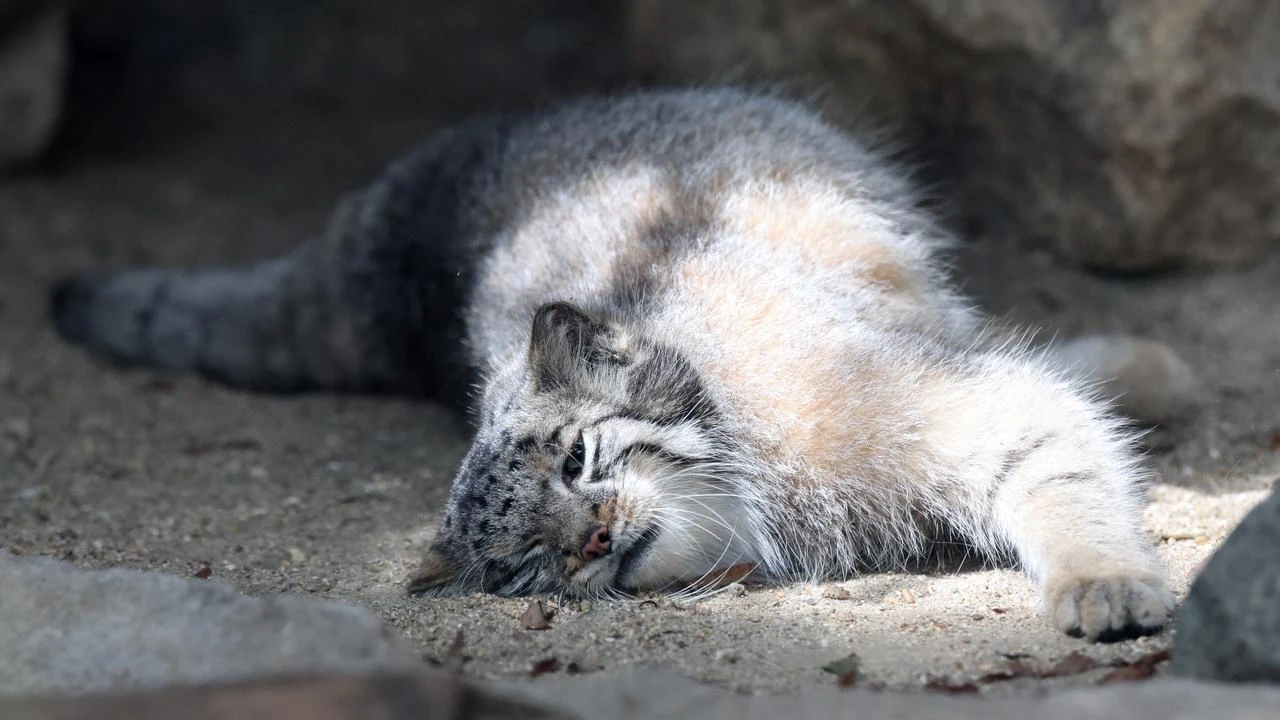
Despite their popularity online, Pallas's cats are rarely displayed at zoos worldwide.
Kobe Animal Kingdom said in a written statement that the species is relatively more sensitive to infections than other wild cats, making their care and public exhibition a delicate undertaking for keepers.
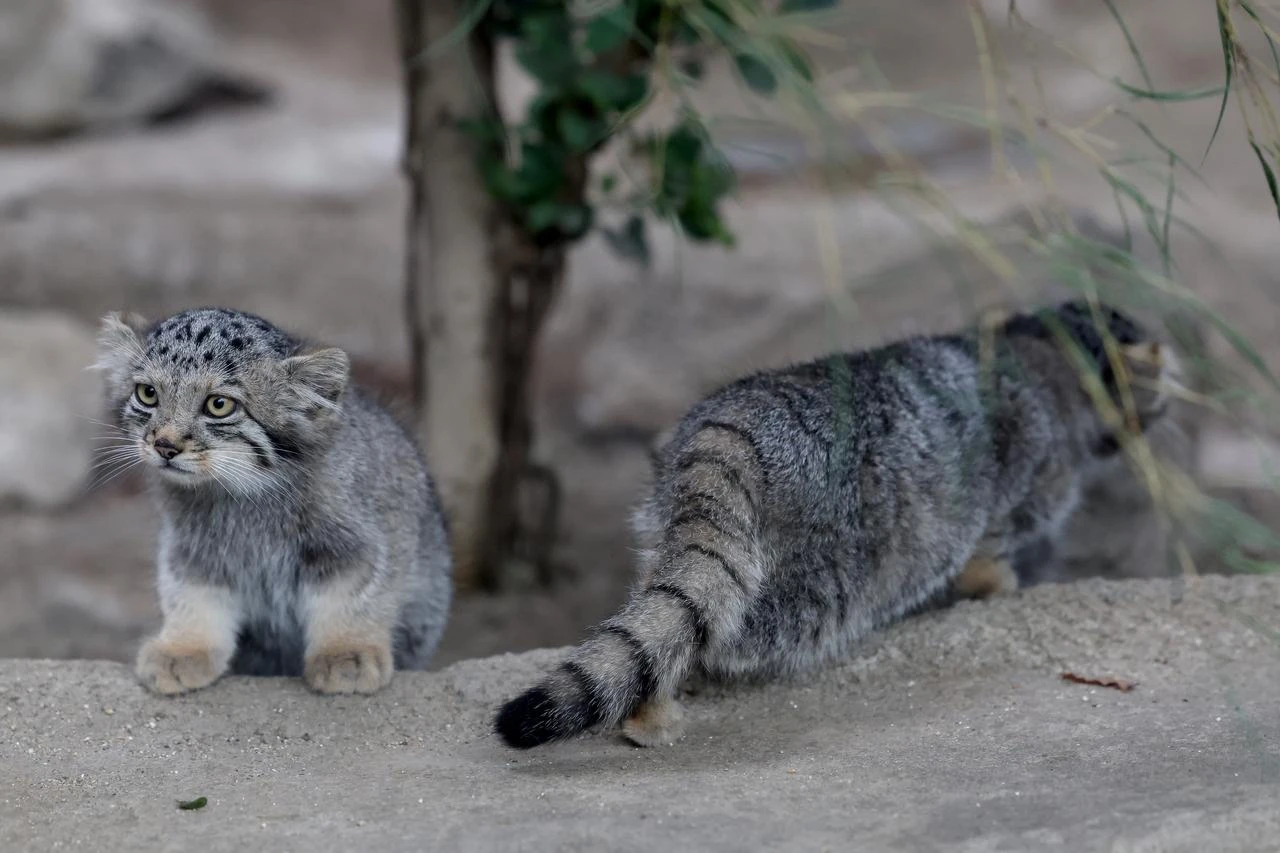
The five kittens, four males and one female, were born at the Kobe facility in May.
Zoo staff monitored the litter closely in its early weeks before determining the animals were healthy enough to be introduced to public viewing areas for the first time.
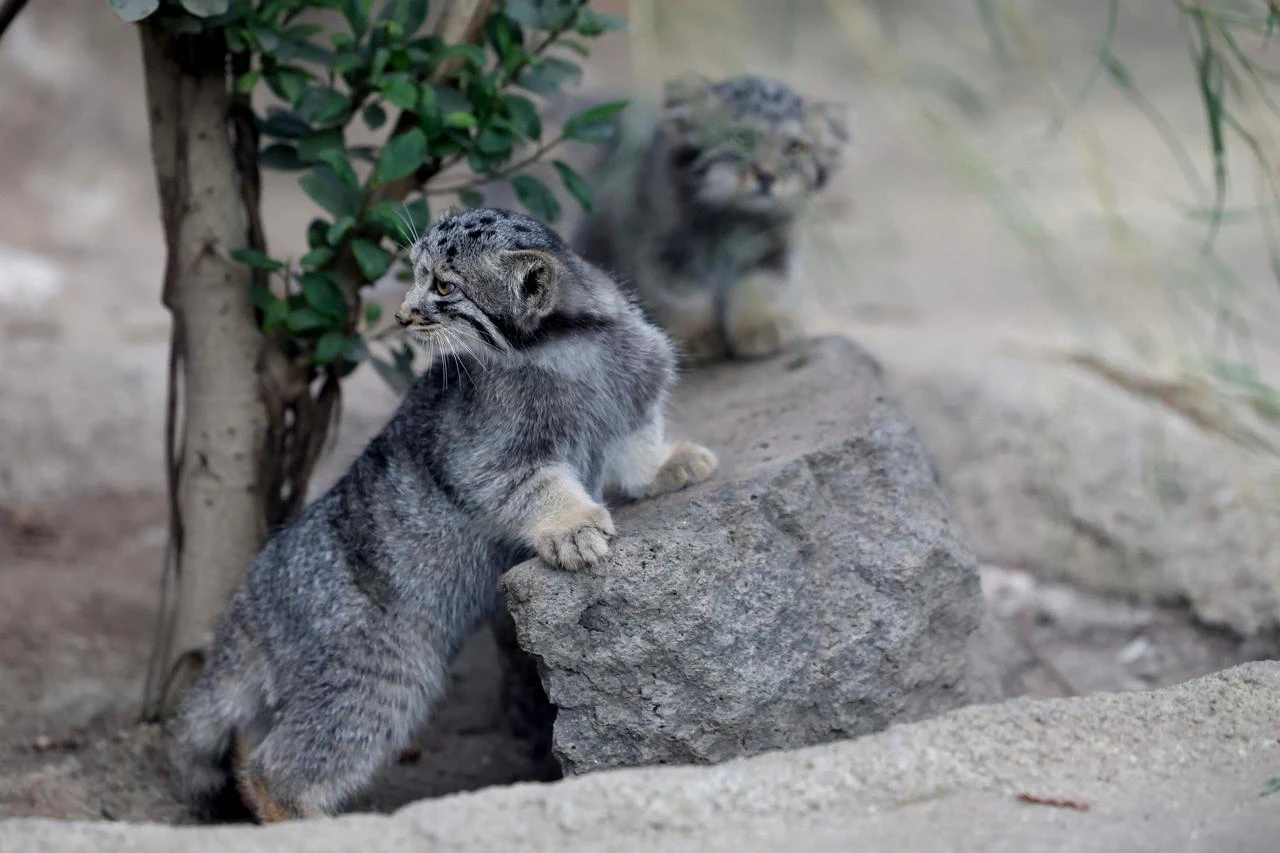
At birth, each kitten weighed around 150 grams, small enough to fit in a human palm.
Weeks of steady growth under close observation have since pushed their weight past one kilogram apiece, a milestone the zoo tracked as part of the animals' early development.
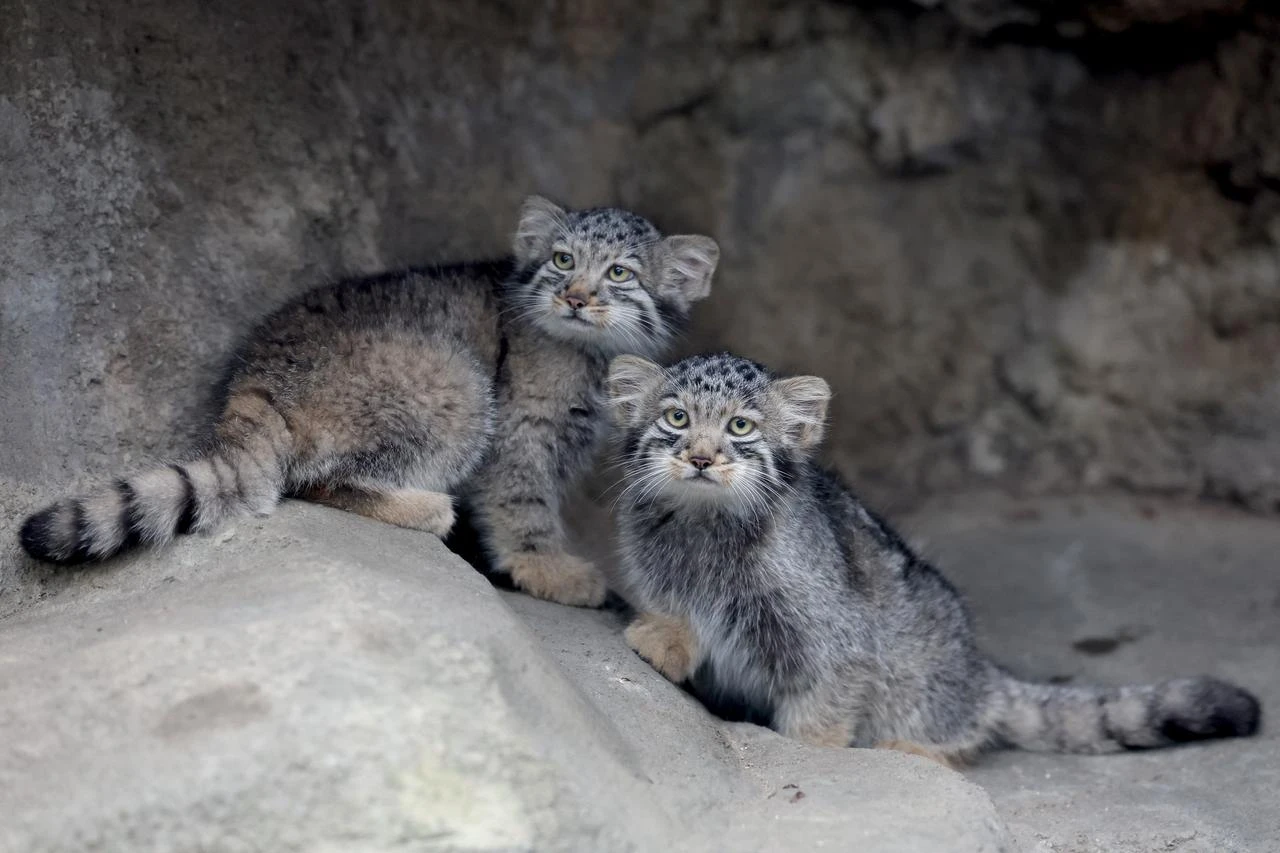
As the kittens grow, their diet is shifting from milk to solid food.
Zoo staff have begun introducing chicken and horse meat, mirroring the prey a Pallas's cat would hunt in the wild, to help the animals build strength ahead of their full public debut.
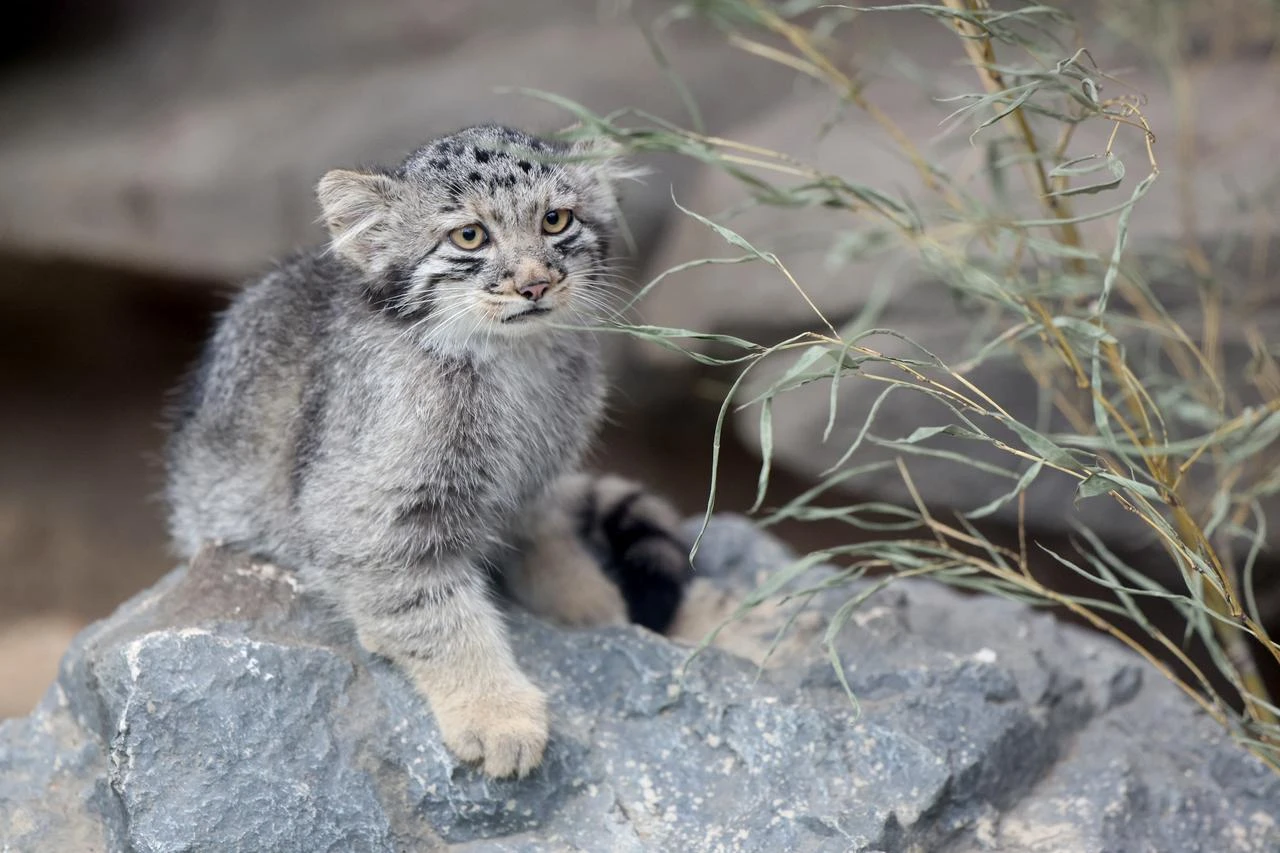
Keepers describe the kittens as active and inquisitive, spending much of their day exploring their enclosure before settling into long stretches of rest.
Their behavior, alternating between bursts of play and deep sleep, reflects patterns typical of young cats in early development.
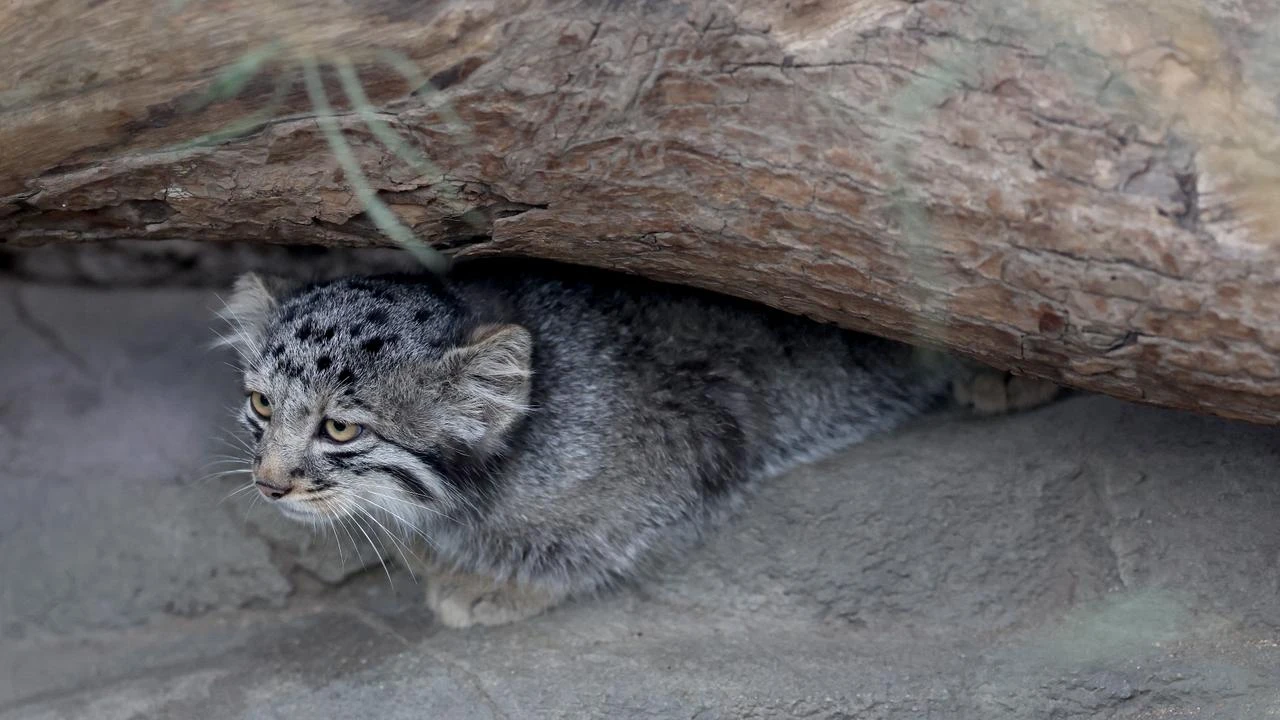
The kittens were put on public display last week, giving visitors their first chance to observe the notoriously camera-shy species up close
The zoo said it hopes guests will see firsthand how the animals are thriving, playing and resting much like any other litter of young cats.


 Set as preferred source

 6 min read