Newsletters


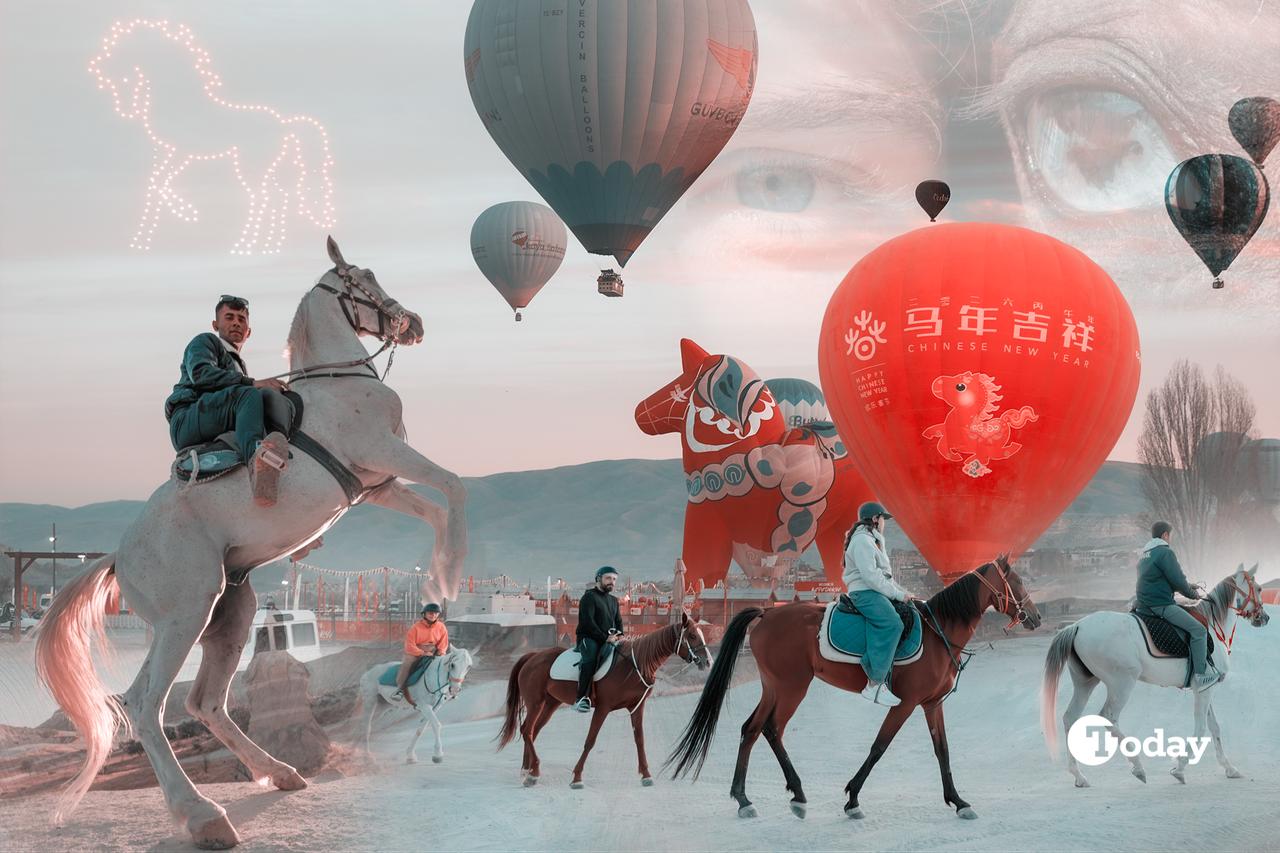


Cappadocia, long known as the “Land of Beautiful Horses,” is positioning itself as one of Türkiye’s standout summer destinations for Chinese travelers in 2026, as visa-free entry and improved travel accessibility make the region easier to reach while its signature outdoor experiences come fully to life during the warmer months.
With Türkiye granting Chinese ordinary passport holders visa-free stays of up to 90 days as of January 2026, travel planning has shifted away from paperwork and toward experience-driven itineraries. The change allows visitors to focus on exploring Cappadocia’s landscapes, cultural heritage, and outdoor activities that peak during summer conditions.

Under the new regulation, Chinese tourists can enter Türkiye for tourism purposes without applying for a visa, provided their passport remains valid for at least six months. The policy simplifies short-term travel and aligns with growing interest in experiential destinations among long-haul travelers.
For many visitors coming from Europe, North America, or Asia, the region now becomes a straightforward addition to broader Türkiye itineraries rather than a complex standalone journey.
Cappadocia does not have a major international airport, but access is described as simple through domestic connections. Travelers typically fly from Istanbul to either Kayseri or Nevsehir airports, with flight times averaging about one to one-and-a-half hours.
From there, visitors transfer by shuttle or taxi to Goreme, the central tourism hub. Kayseri Airport lies roughly 80 kilometers from Goreme, while Nevsehir Airport sits about 40 kilometers away, making road transfers relatively short and manageable.
Rail travel exists as an alternative but requires combining high-speed train routes to Ankara or Konya with onward bus or car travel, meaning flights remain the most efficient option for short stays.
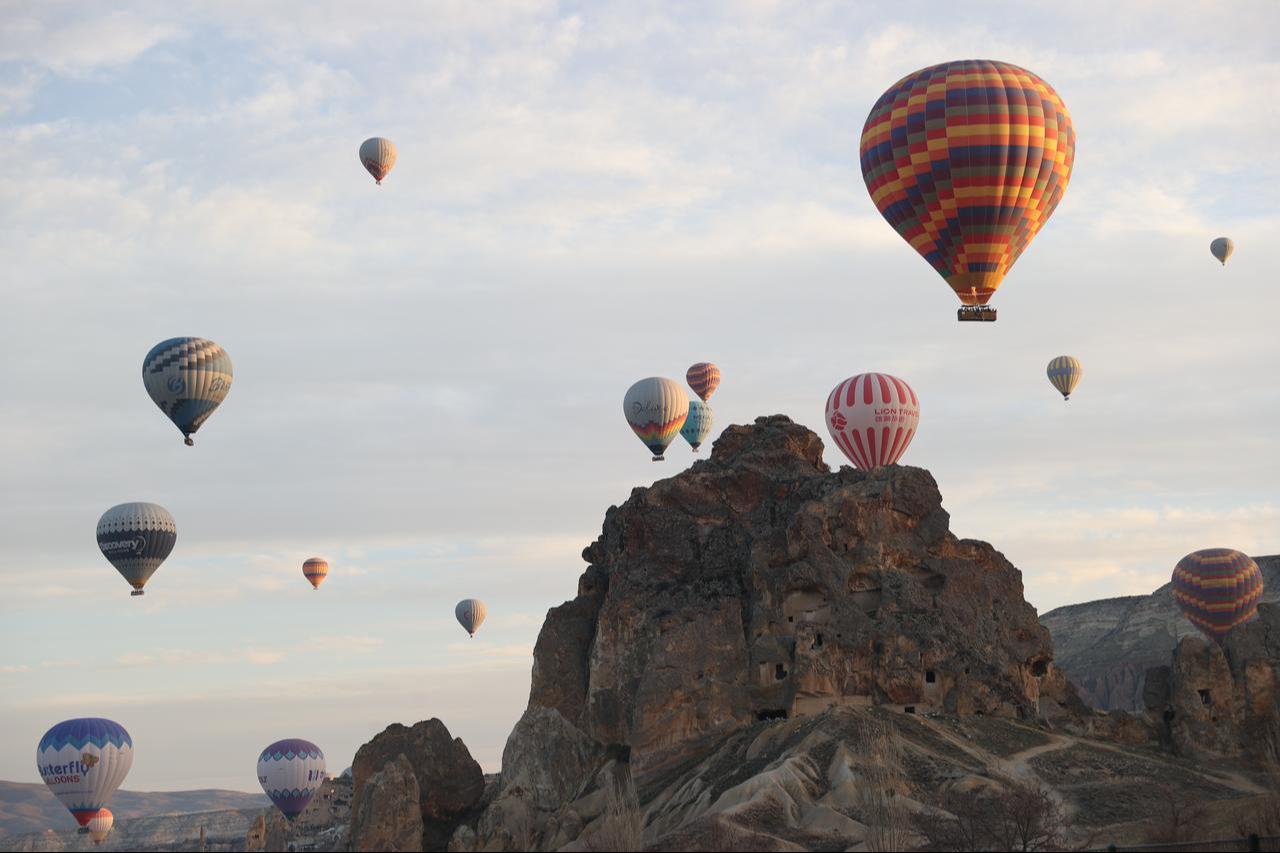
Cappadocia’s continental climate creates distinct travel seasons, and the tourism experts highlights spring and autumn as mild periods while noting that summer delivers consistently clear skies and reliable balloon operations despite higher temperatures.
Daytime heat can rise significantly during July and August, yet dry air and cooler evenings allow visitors to spread activities throughout the day, starting early and winding down at sunset viewpoints. The predictable weather also increases the likelihood of successful hot-air balloon flights, one of the region’s defining attractions.
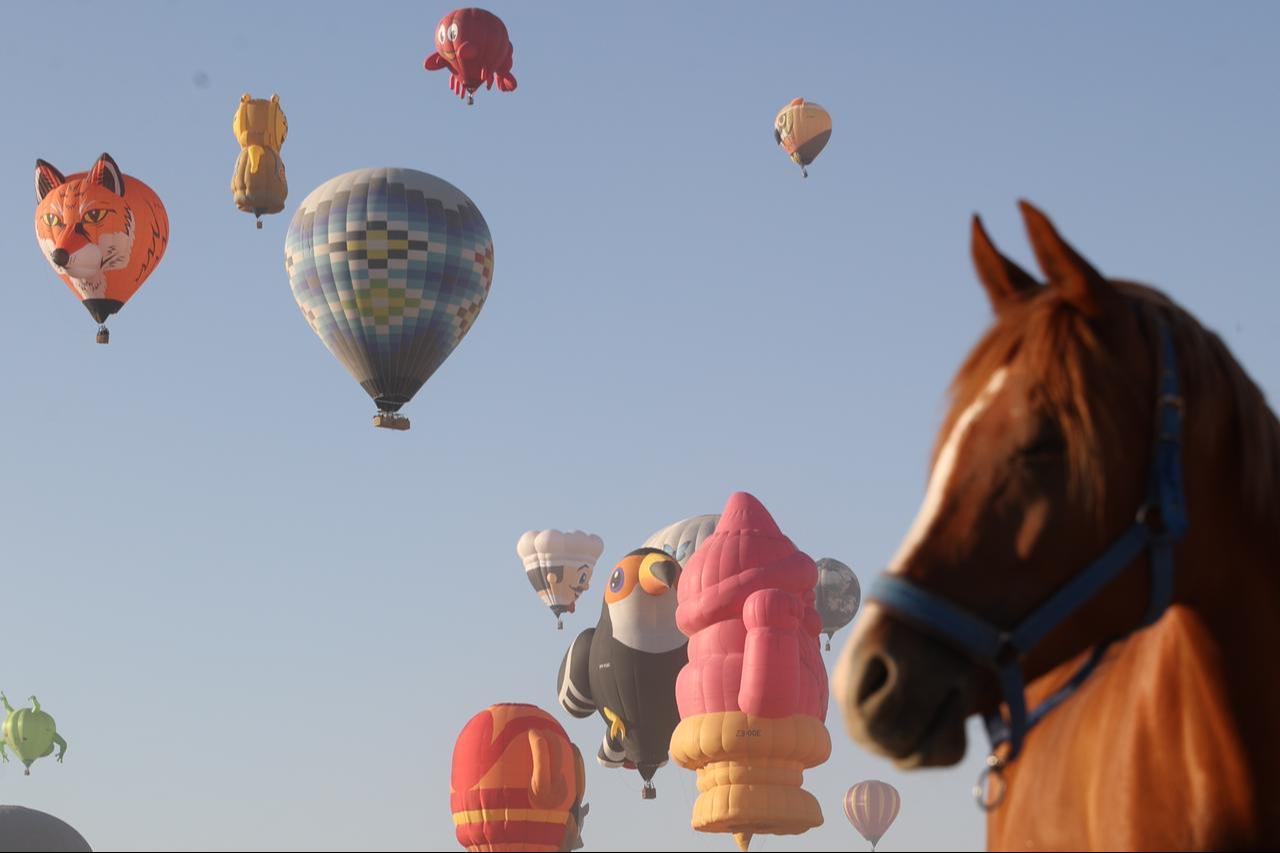
Hot-air balloon rides remain the centerpiece of most itineraries, lifting off at dawn to provide panoramic views over fairy chimneys and volcanic valleys. The region is described as a globally recognized ballooning hub, drawing travelers seeking iconic aerial photography and immersive scenery.
Beyond ballooning, visitors move through a sequence of cultural and natural landmarks that shape the Cappadocia experience. The Goreme Open-Air Museum introduces travelers to rock-cut churches and preserved frescoes, helping explain the region’s early Christian heritage in accessible terms.
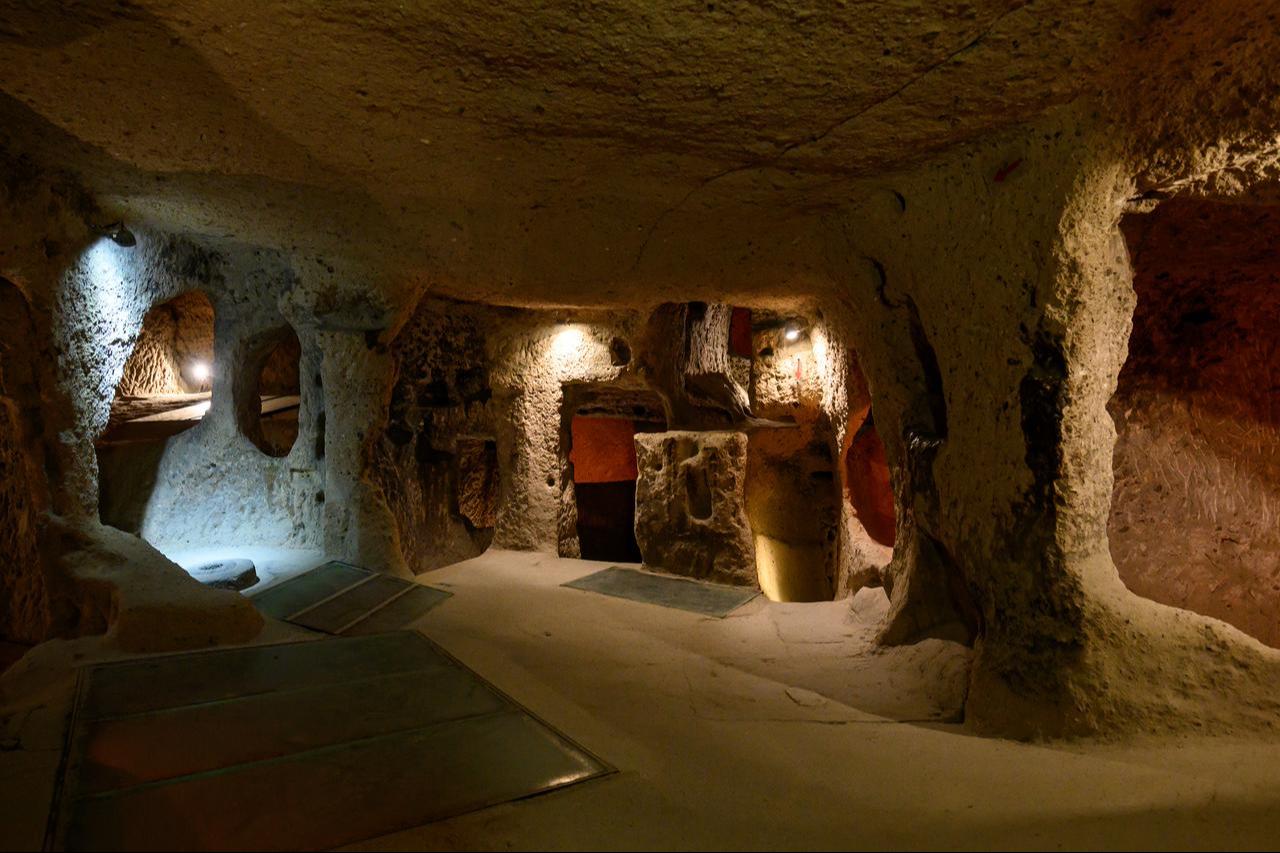
Underground cities such as Derinkuyu offer a contrasting perspective, revealing multi-level subterranean settlements once used for protection and communal living. These sites add historical depth while also providing cooler environments during hot afternoons.
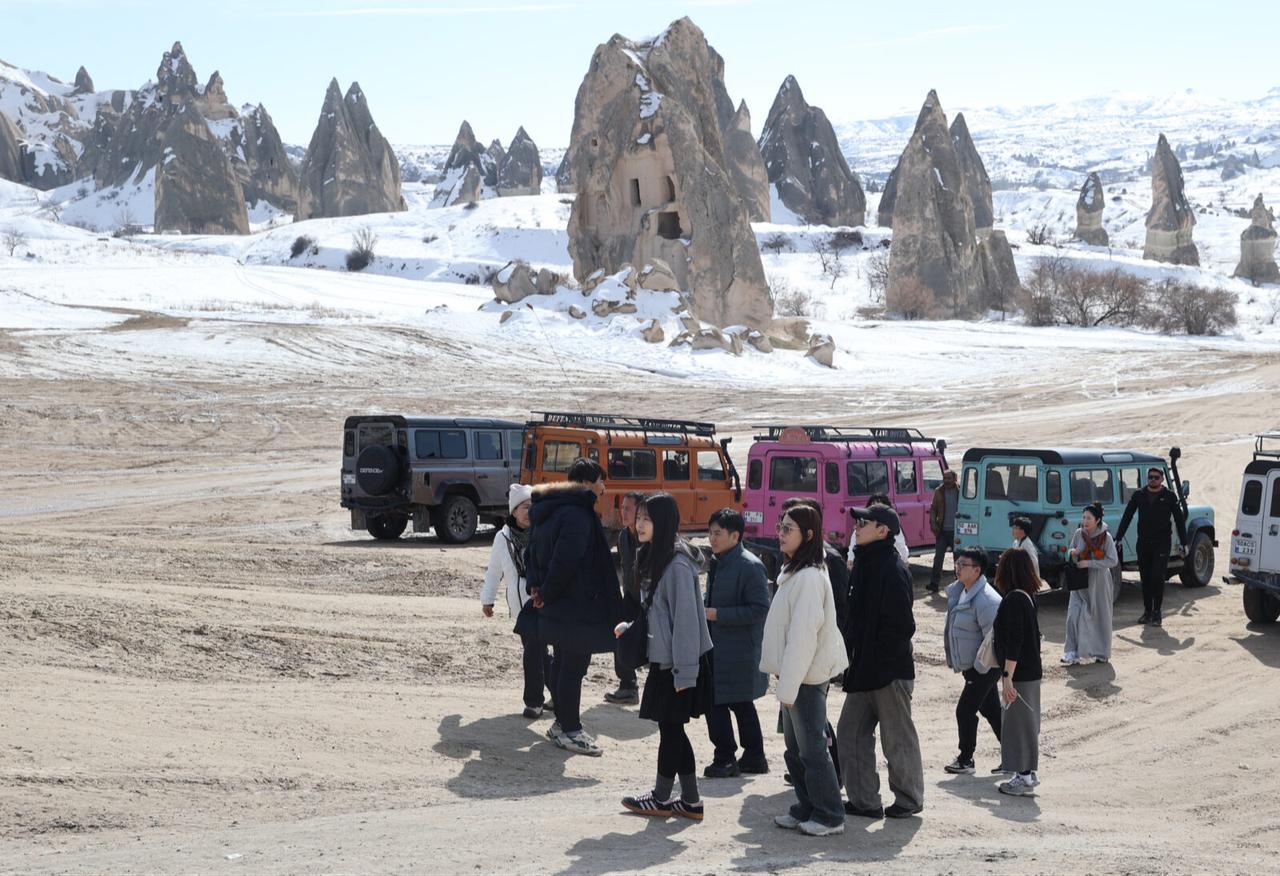
Summer itineraries naturally expand outdoors. ATV and jeep tours take visitors across valley trails, while horseback riding connects directly to Cappadocia’s long-standing identity as the “Land of Beautiful Horses.”
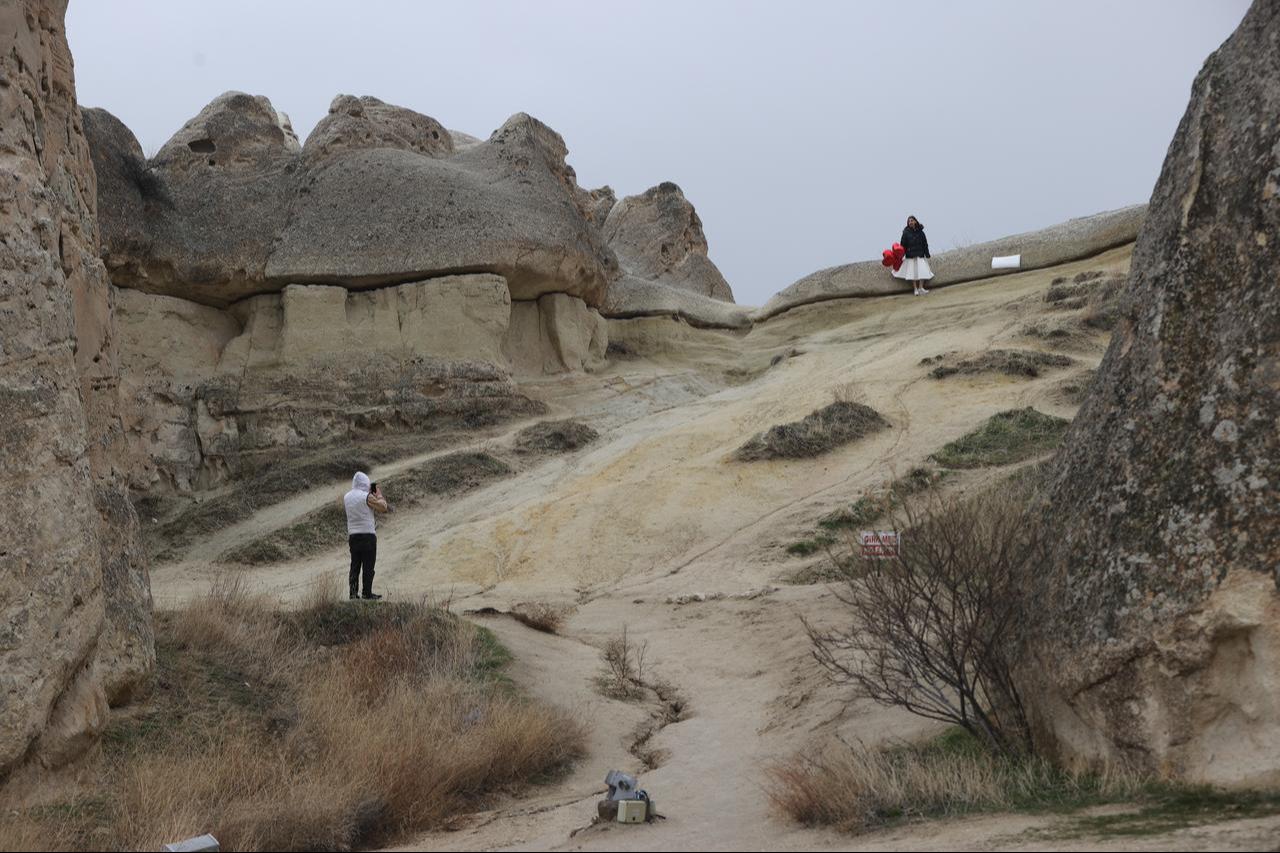
Photography-focused stops in Love Valley, Rose Valley, Red Valley, and Pigeon Valley attract travelers looking to capture wide landscapes shaped by erosion and volcanic activity. Sunset viewpoints become daily highlights, as shifting light transforms the rock formations into changing shades of red and gold.
Evenings tend to shift indoors, where Turkish Night performances and Whirling Dervish ceremonies introduce visitors to music, dance, and ceremonial traditions within cave venues or restored historic spaces.
Tourism guides show how travelers can cover key highlights within one to three days without extensive travel distances.
A typical first day begins with a sunrise balloon ride, followed by the Goreme Open-Air Museum, pottery workshops in Avanos, and sunset viewing before dinner or a cultural show.
Day two expands outward to Derinkuyu Underground City and the Ihlara Valley hiking route ending in Belisirma village, before returning through scenic viewpoints.
A third day focuses on villages such as Ortahisar or Mustafapasa, local cuisine experiences, wine tastings, and final photo stops before airport transfer.
Accommodation plays a major role in the Cappadocia experience, with many visitors choosing cave hotels carved into volcanic rock formations. Options range from mid-range boutique properties to luxury cave resorts, offering terrace views, spa facilities, and restored historical interiors.
A typical guide's list will include Kayakapi Premium Caves, Museum Hotel, Argos in Cappadocia, Sultan Cave Suites, and Cappadocia Cave Suites.
Food experiences are presented as another accessible entry point into local culture. Menemen introduces Turkish flavors in a familiar format, while testi kebabi stands out as a regional specialty cooked inside a sealed clay pot opened at the table.
Vegetarian-friendly dishes such as gozleme and olive-oil mezes are widely available, and local vineyards benefit from volcanic soil conditions that support regional wine production. Halal dining options are broadly accessible across the region.
Tourism infrastructure has increasingly adapted to international visitors. Mandarin-speaking guides and Chinese-language signage are expanding, while mobile payment systems such as Alipay and WeChat Pay are widely accepted in hotels, shops, and some restaurants.
Free Wi-Fi is common, and local SIM cards can be purchased easily for connectivity during travel.
Cappadocia is described as a very safe destination with regulated tourism activities and reliable transport services. Standard travel practices apply, including safeguarding personal belongings and using licensed tours.
Türkiye uses the Turkish lira, with credit cards widely accepted, though small cash payments remain useful. Emergency services can be reached via 112, and routine vaccinations are recommended as standard travel preparation.


 Set as preferred source
 Set as preferred source


 2 min read