Sign in
 Newsletters





Dr. Songul Serefhanoglu, a professor in the hematology department at Medicana Atakoy Hospital in Istanbul, said a routine blood check at least once a year, especially for people over 40, can help identify early signs of many diseases, from blood disorders to diabetes and kidney and liver conditions.
According to a hospital statement reported by Anadolu Agency (AA), Serefhanoglu said regular blood tests help detect many diseases early. She said people should not do blood tests only when a complaint arises, adding that routine checks are not common enough in society.
Serefhanoglu said everyday complaints such as weakness, fatigue, hair loss and shortness of breath can be signs of anemia and vitamin deficiencies as well as more serious health problems.
She said the complete blood count, also called a hemogram, gives important information about blood cells. Reading white blood cell, hemoglobin and platelet values together offers important clues to early signs of disease, she said.
Increases or decreases in the white blood cell count can be an early sign of some bone marrow diseases, Serefhanoglu said. She said such changes may call for further evaluation for blood diseases such as leukemia, lymphoma and multiple myeloma.
A low hemoglobin value can point to anemia, which may stem from causes such as iron, vitamin B12 or folic acid deficiency and may also be linked to more serious underlying diseases, she said.
Iron, vitamin B12 and folic acid deficiencies can show up in different ways, Serefhanoglu said, adding, “Symptoms such as weakness, fatigue, loss of appetite, hair loss, shortness of breath when climbing stairs, shortness of breath that appears with minor effort and easily breaking nails may be seen.”
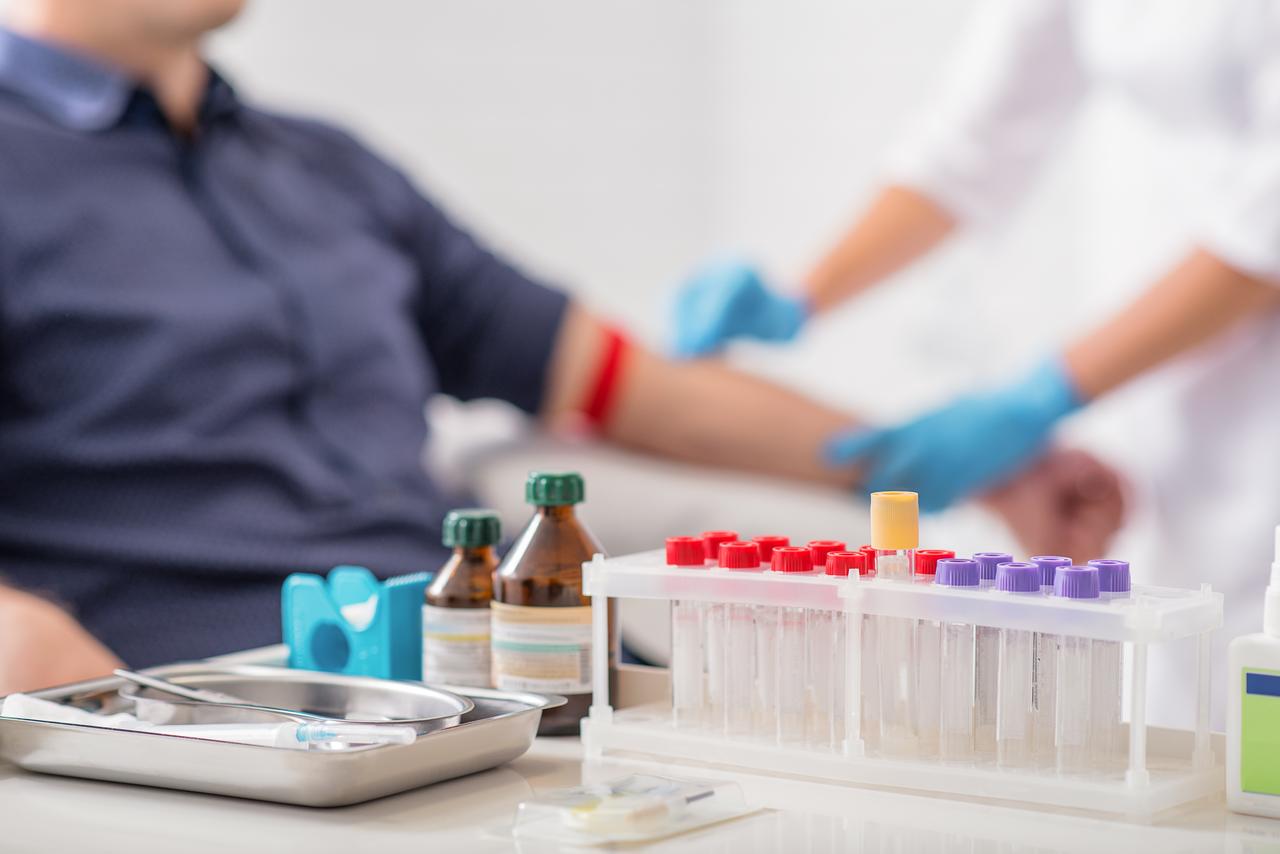

To diagnose anemia, iron, iron-binding capacity, ferritin, vitamin B12 and folic acid values are examined after the complete blood count, Serefhanoglu said. She noted that iron deficiency is not the only cause of anemia and that the condition has different types.
Red meat and organ meats are important sources of iron and vitamin B12, she said. Iron and vitamin B12 deficiencies are more common, particularly among people who follow strict vegetarian diets, according to Serefhanoglu.
She said vitamin C increases the absorption of iron from the intestines, so eating iron-containing foods together with vitamin C sources can aid absorption.
Oral iron medication may not work well enough in some patients, Serefhanoglu said. In conditions that disrupt absorption, such as celiac disease, intravenous iron treatment can be preferred, she said.
She said vitamin B12 can be taken orally, but injections may be recommended for some patients because of absorption problems. Serefhanoglu said the treatment method should be determined by the patient’s clinical condition and laboratory results.
Serefhanoglu also said vitamin supplements should not be used indiscriminately. She said the content and dose of a supplement and the person’s health status need to be considered together.


 Set as preferred source
 Set as preferred source



 1 min read