Newsletters


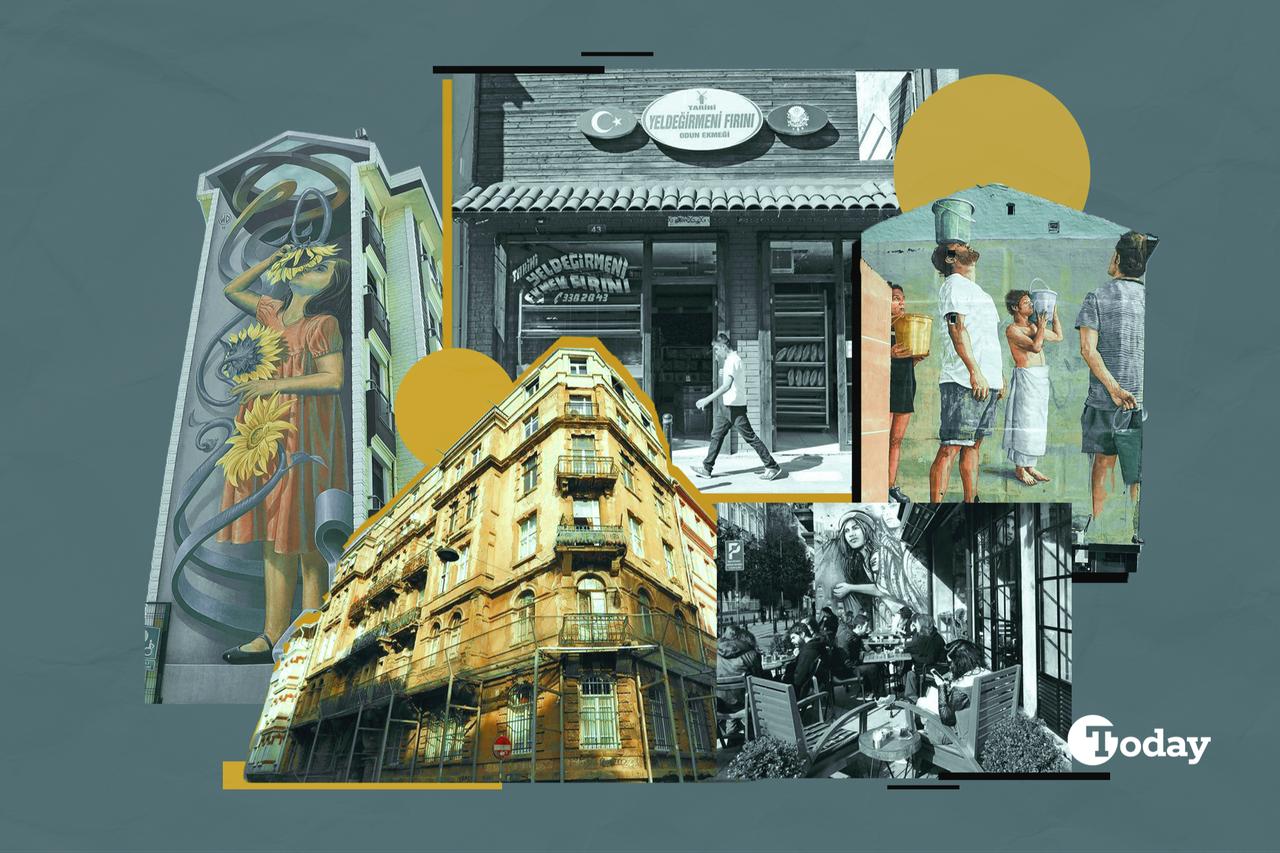


Yeldegirmeni was recently declared the Brooklyn of Istanbul. Featuring streets bursting with a mix of old-school tea houses, vintage clothes stores, traditional bakeries, artisan workshops, colorful street art, and history built into apartment block walls, it’s so much more; in fact, it’s beyond cool.
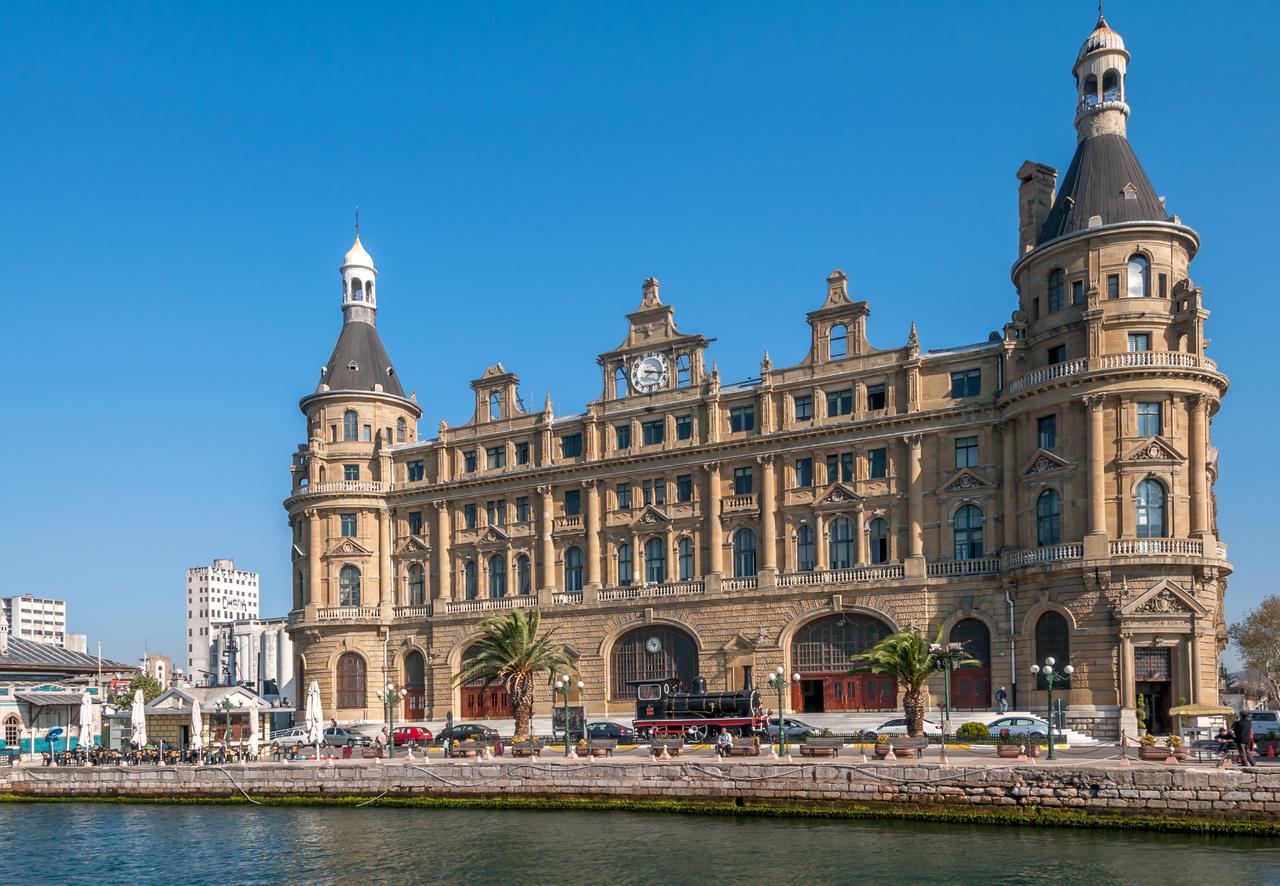

Most people think Yeldegirmeni dates to around 1906 to 1909, when it became home to Germans and Italians employed on the construction of Haydarpasa Railway Station. However, the neighborhood takes its name from four windmills (yeldegirmeni in Turkish), which Sultan Abdulhamid I established in 1774 to supply flour to Topkapi Palace. They’re long gone, and little else remains from that time other than the Ladikli Cuhadar Ahmet Cesmesi, built by Ahmed Aga in honor of Sultan Selim III (1761-1808). Ahmed was his cuhadar, his chamberlain.
When work started on the railway station, Yeldegirmeni was a modest residential neighbourhood populated by Turks, Levantine Jews, Rum (Turkish-born Greeks) and Armenians. Now it’s home to a mix of people, both local and foreign-born.
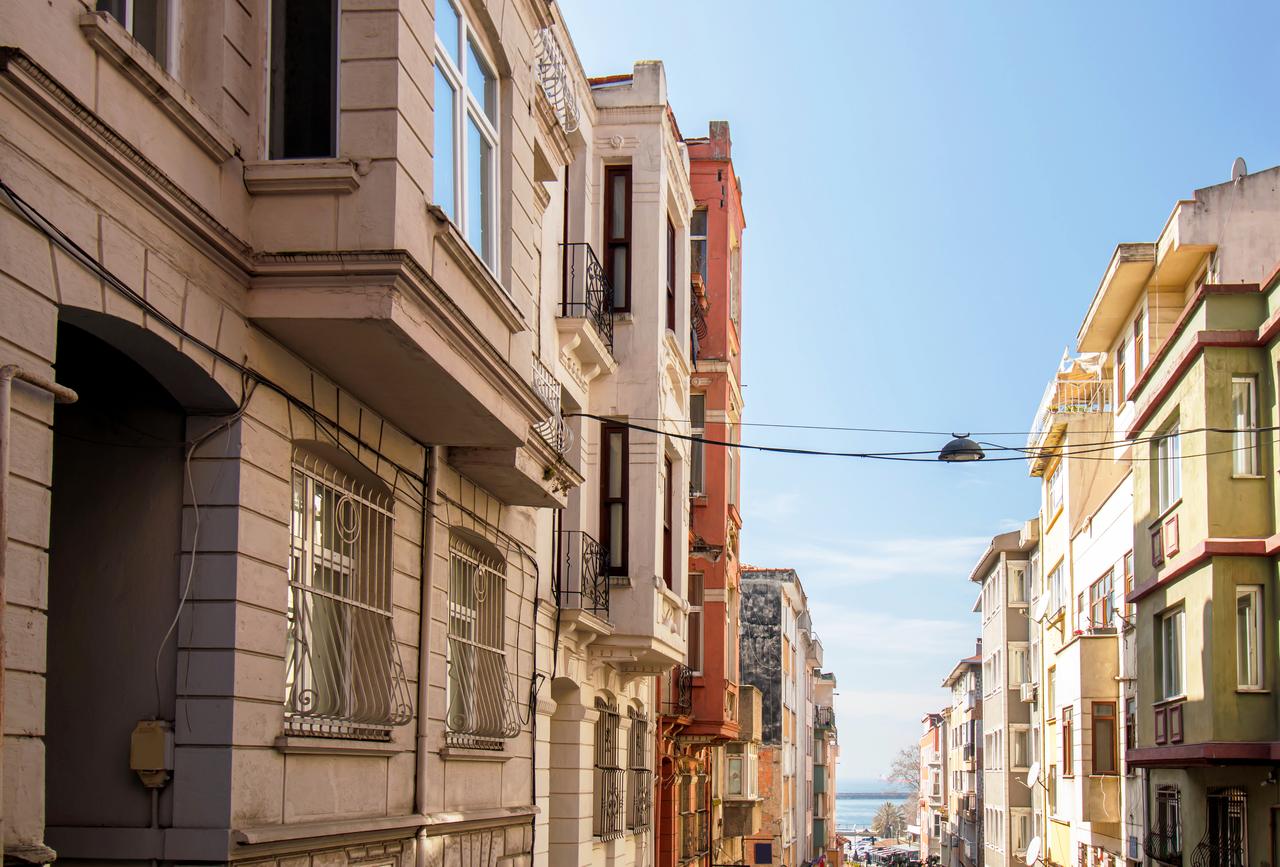
Some of the very first high-rise residential apartment blocks in Istanbul rose in Yeldegirmeni. One of the grandest still standing, albeit in desperate need of restoration, is the Valpreda, better known as the Italian Apartments. It was commissioned in 1909 by Levi Kehribarcı of the Jewish Kehribarcı family to house Italian stonemasons working on the station. This seven-story Art Nouveau beauty contains 14 apartments.
Levi also commissioned the Kehribarcı Apartments a few streets away. Built the same year as the Valpreda, it’s where Turkish author Mario Levi resided in a top-floor apartment with views across to Topkapi Palace. Inspiration perhaps for his famous novel “Istanbul bir Masaldi” (Istanbul Was a Fairy Tale).
The modern-day Osman Gazi Ilkokulu, a Turkish primary school established in 1950, was built sometime between 1902 and 1914 to educate the children of German workers. After the British took control of Istanbul following World War I in 1918, it was home to the Ottoman English School. Then, in 1935, it became the first college to be established in Türkiye.
Prior to this, the French also left their mark on Yeldegirmeni in 1894, when missionary sisters of the Assumption from the order of the Oblates came to Istanbul. They founded the Euphemie Notre Dame du Rosaire Catholic Church dedicated to Saint Euphemie, a young woman believed to have been martyred in Chalcedon (modern-day Kadikoy) in 303 C.E. The church is now Yeldegirmeni Sanat, a cultural events venue that hosts concerts and art exhibitions. Provided there’s nothing scheduled, the friendly security guard is happy to let you in to have a look around.
One of the more ‘recent’ historical buildings in Yeldegirmeni is the Ayios Yeorgios Rum Ortodoks Kilisesi, a Greek Orthodox church. It started life as a Greek school in 1895 but didn’t take its present form until the mid-20th century. As such, it’s considered one of Istanbul’s newest and last Greek Orthodox churches to be erected. The original school was relocated in 1918 when the student population outgrew the space. The old wooden building was repaired and consecrated as a church in 1927, before being rebuilt in 1958-1961. There’s an impressive gilded iconostasis inside and a freestanding iron bell tower in the garden. The legs are actually made from lengths of train tracks, and the bell was produced by one Samatyali Zilciyan Usta, a famous master bell maker.
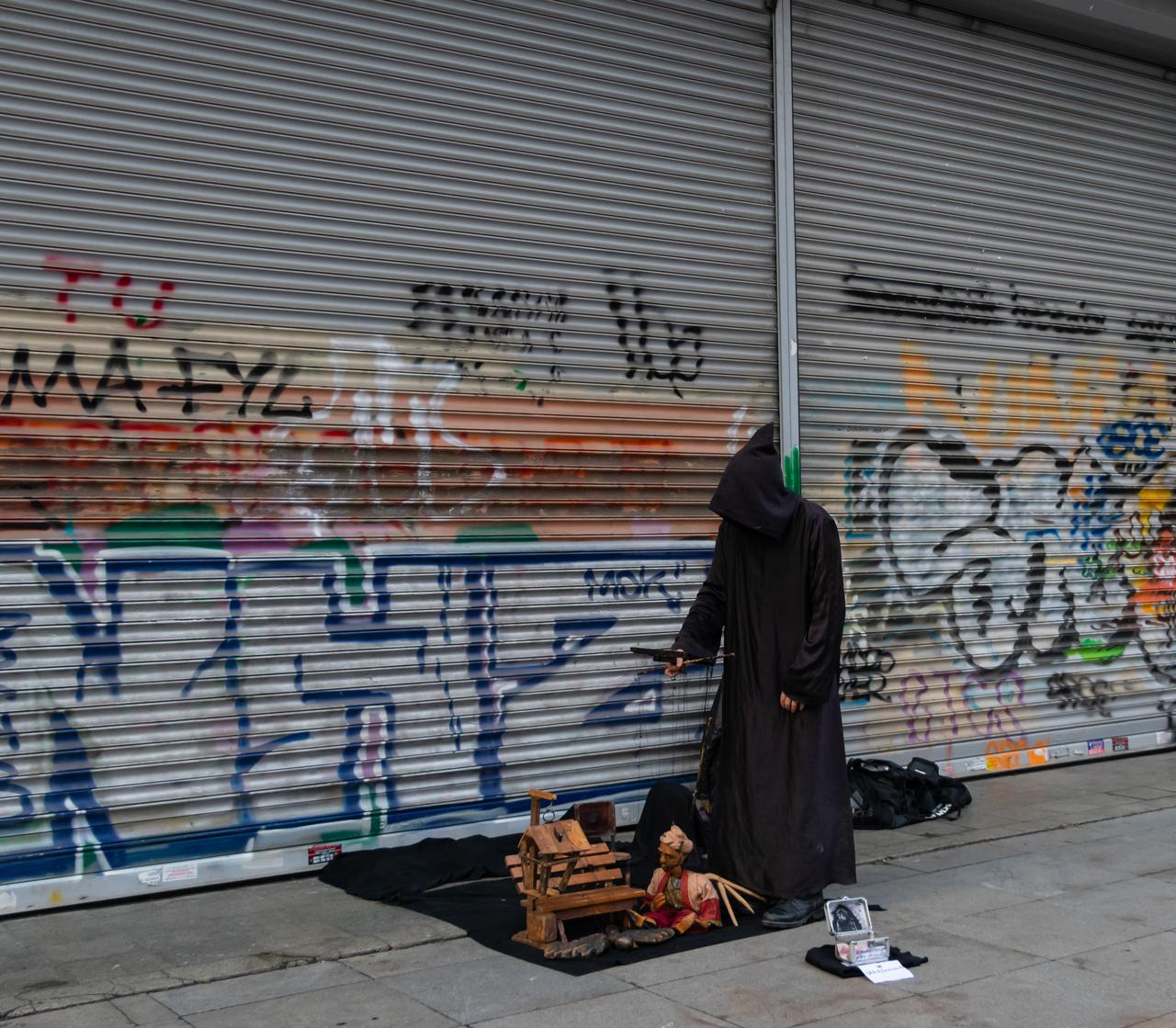
In the 2010s, Yeldegirmeni became an outdoor canvas, with giant murals painted on buildings throughout the neighborhood. Street artists from around the world were invited to participate in festivals celebrating creativity and vision. Their works range from the political Resistancia (resistance) by Chilean artist Inti to the joyous, blazing beauty of Sunbathing by Indonesian street artist WD (Wild Drawing). Elsewhere, floating elephants, ghoulish figures bursting from a tethered balloon and a snarling tiger seem ready to leap out of the buildings onto the streets.
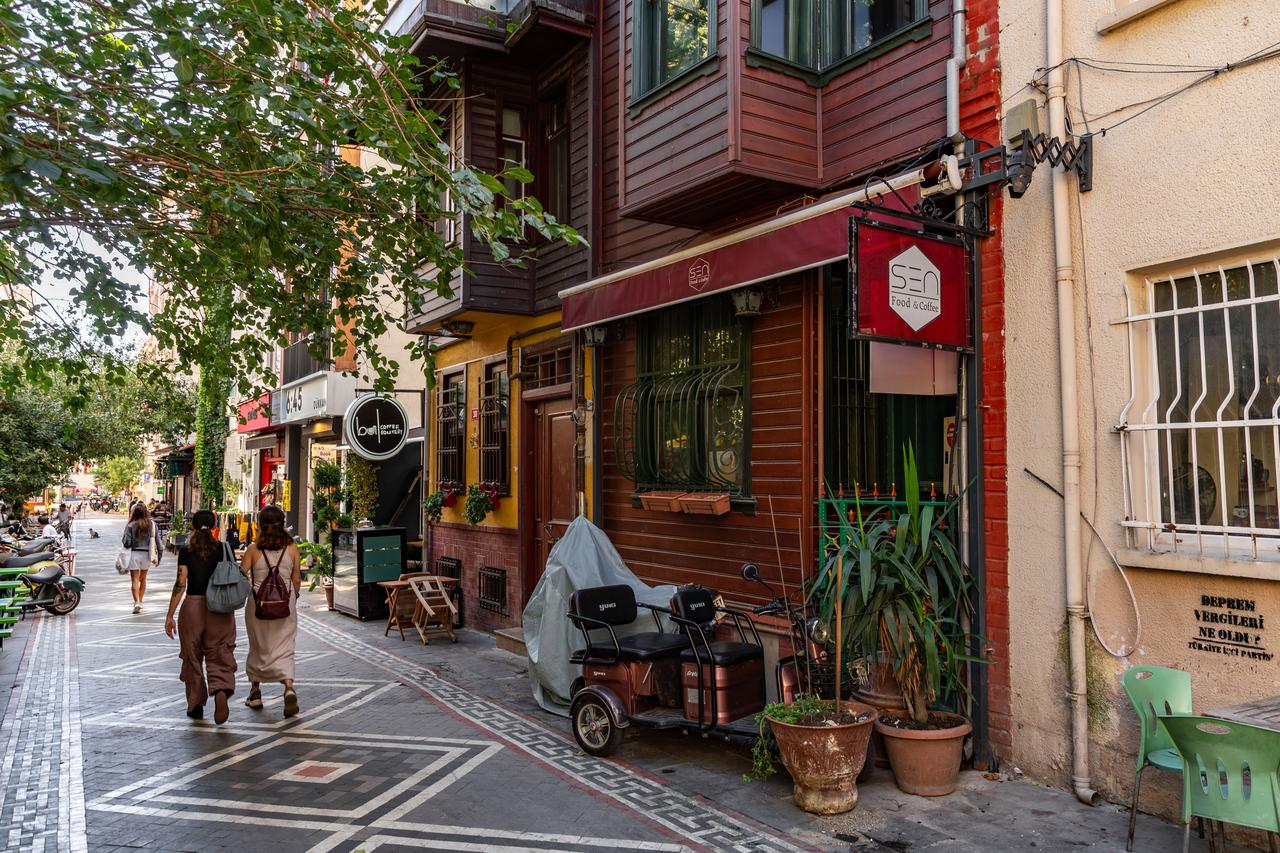
The last decade has seen major changes in Yeldegirmeni through gentrification. First, university students and artists moved in, taking advantage of the cheaper rents and proximity to Kadikoy. Then, an increase in short-term tourist accommodation drove up prices, replacing Turkish tenants with digital nomads and moneyed foreigners.
Formerly solely residential streets are now home to small eclectic boutiques and second-hand stores like Muustakil Duukkan, Soi Handmade and Nost Vintage, bookshop Flaneur Kitabevi that stocks graphic novels, inspired jewellery from Moko Art Design, workshops and an ever-increasing number of cafes. Cafe Benazio is a personal favorite, along with the standout breakfasts at Mujgan Yeldegirmeni and the Nordic-inspired tastes of Javel Kadikoy.
Despite this, Yeldegirmeni is still home to residents who’ve been going to the same tea house since they were boys, hole-in-the-wall simit makers selling to widowed housewives and bakkal (general stores) run by men happy to pop a loaf of bread into a basket lowered to street level from a nearby apartment. That’s what makes it so special.


 Set as preferred source
 Set as preferred source


 1 min read