Newsletters


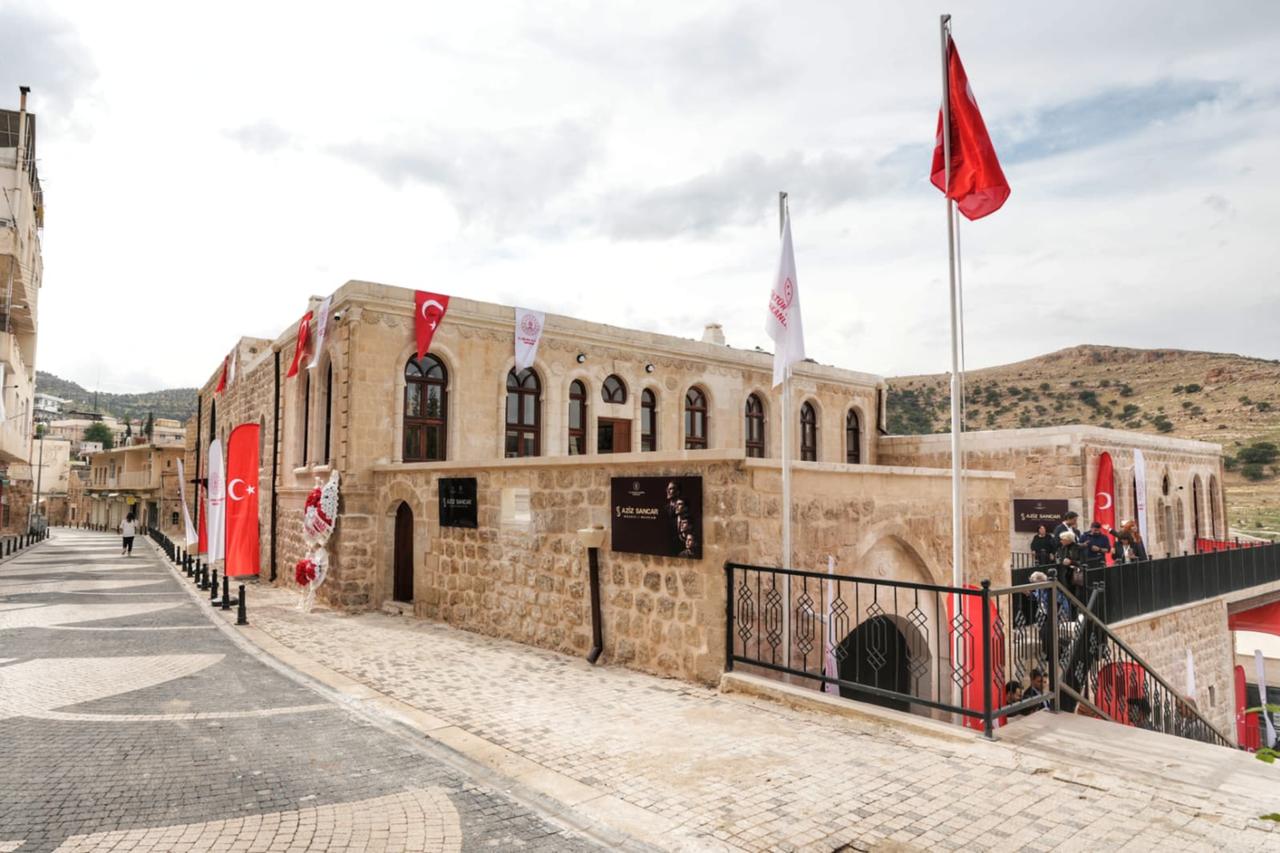


The childhood home of Nobel Prize-winning Turkish scientist Aziz Sancar has opened as a museum in Savur, a historic district of Mardin in southeastern Türkiye, following a restoration project carried out by the Ministry of Culture and Tourism.
The Aziz Sancar Museum, inaugurated in the presence of Sancar and Culture and Tourism Minister Mehmet Nuri Ersoy, brings together belongings, scientific documents, photographs, and awards tracing the scientist's journey from his hometown to international recognition.
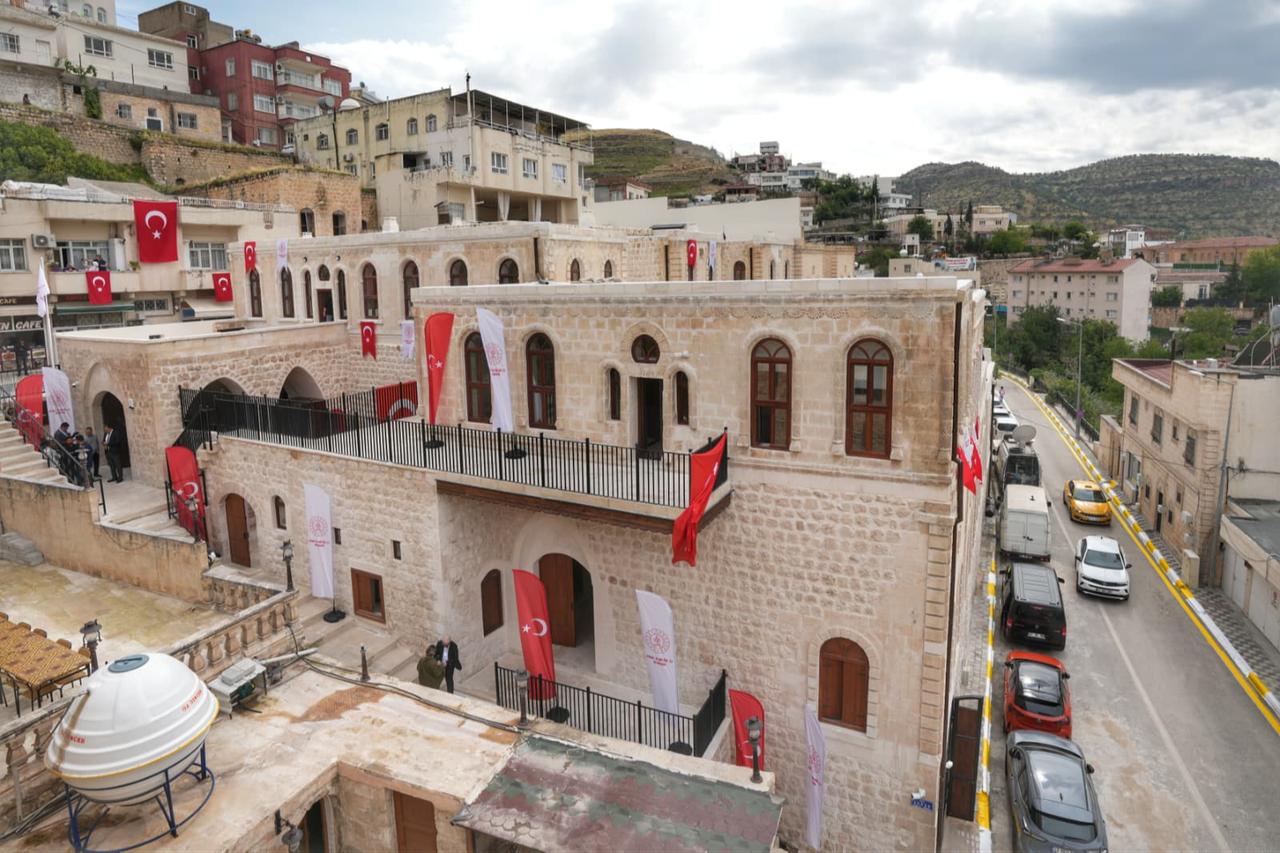
The museum occupies a 395-square-meter (4,252-square-foot) floor of the four-story stone mansion where Sancar was born, grew up, and later spent part of his early medical career.
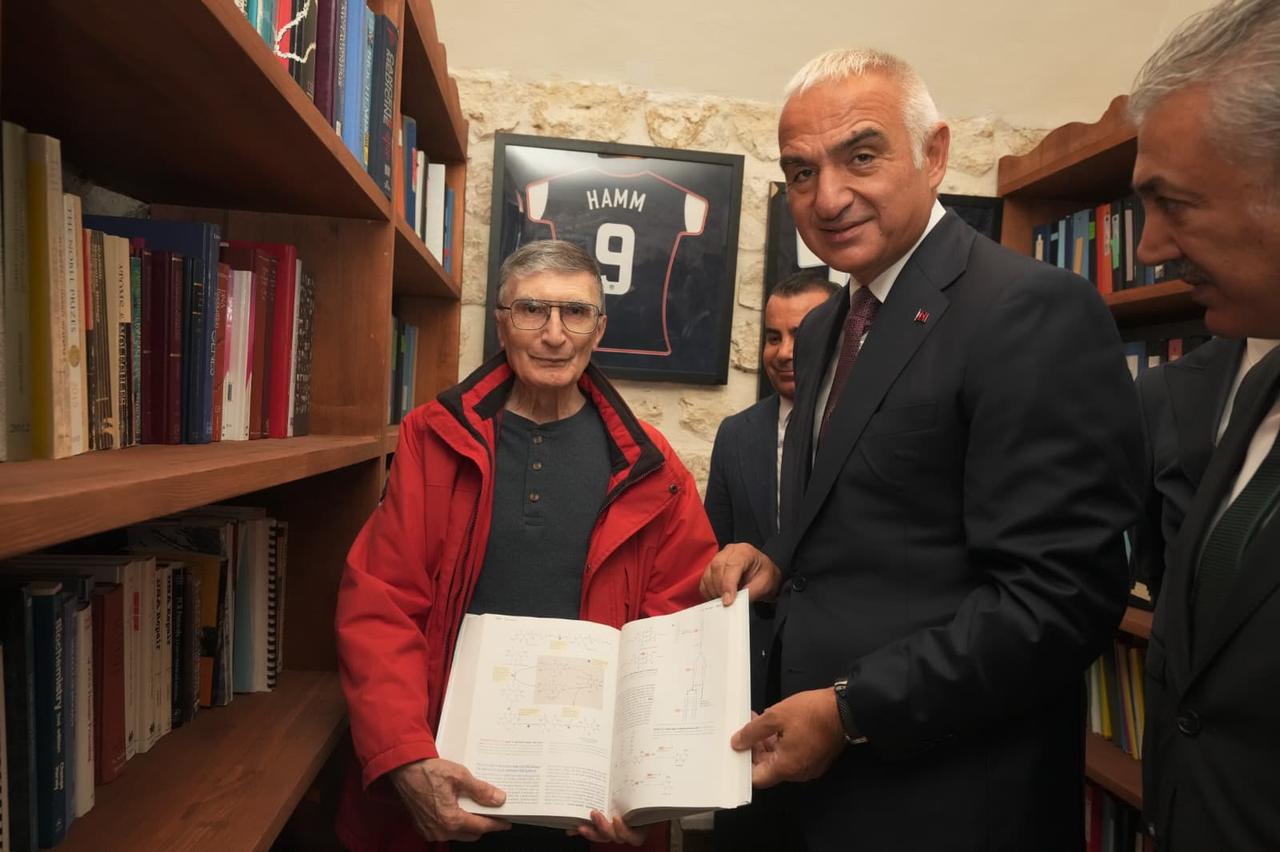

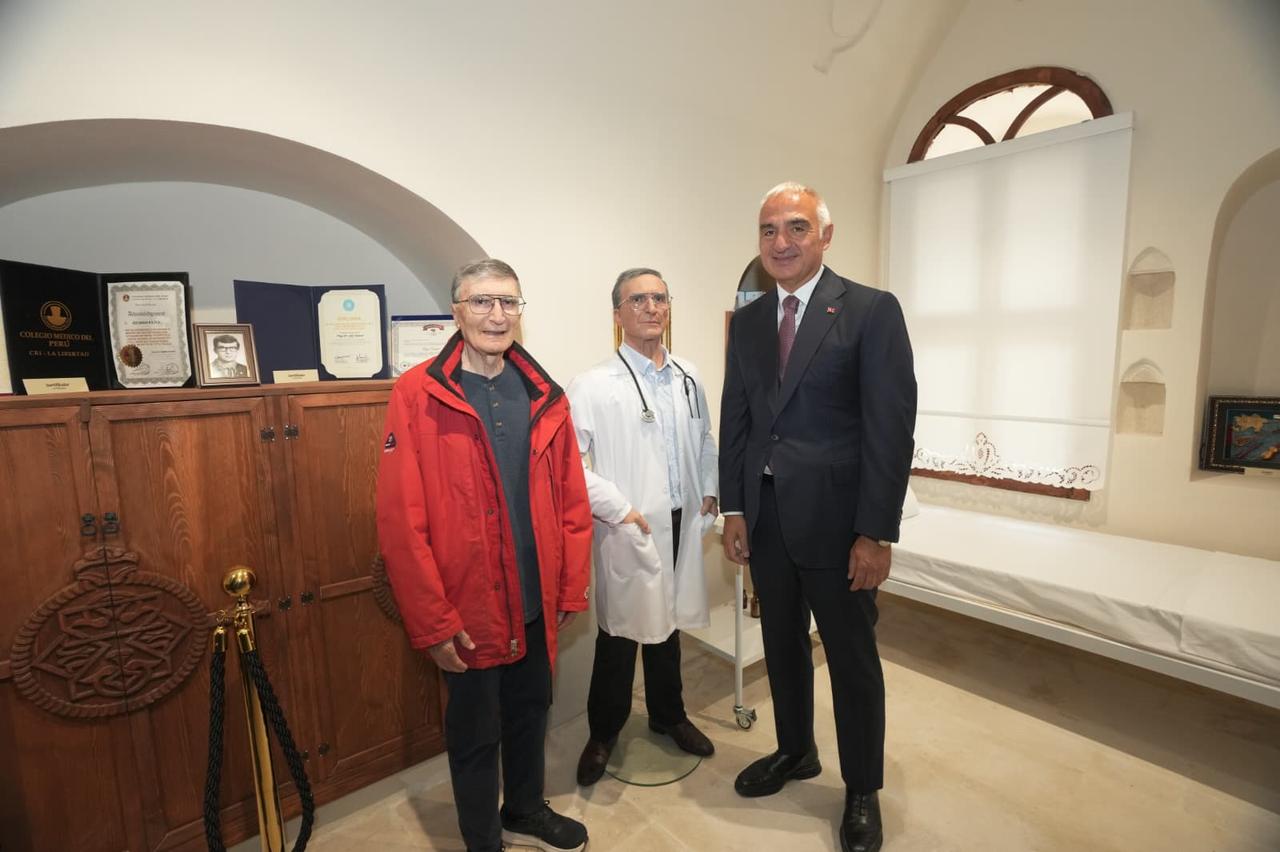
The exhibition is spread across three halls, displaying Sancar's medical instruments, diplomas, academic gowns, photographs, gifts, awards and documents related to his scientific research.
During the opening ceremony, Ersoy said the museum was designed to highlight not only Sancar's achievements but also the years of effort, patience and determination behind them.
He described Sancar's journey from Savur to the international scientific community as an example for younger generations, expressing hope that visitors would come away with greater confidence in pursuing their own ambitions.
The mansion, whose history dates back to before 1938, also reflects Savur's traditional residential architecture through its stone walls, courtyard, rooms and decorative features.
Restoration work included structural reinforcement, stone cleaning, insulation and the preservation of architectural details, while the interior was arranged to reflect the building's original domestic functions.
Ersoy added that the mansion's basement and remaining floors would be used as a reading room and science center under the Mardin Governor's Office, extending the building's role beyond a museum.
Speaking at the ceremony, Sancar reflected on his years practicing medicine in Istanbul's Sirkeci district before moving to the United States, where he said he felt a responsibility to represent Türkiye through his scientific work.
He recalled working day and night to demonstrate that scientists from Türkiye could achieve international recognition, adding that promoting the country's contributions to world culture and civilization had remained important throughout his career.
Sancar said he hoped his Nobel Prize had helped bring greater international attention to Türkiye and pledged to continue working on projects promoting both his country and his hometown.
"Truly, it has become both an authentic and wonderful museum, and I hope it will become a serious center of science," Sancar said.
He also expressed interest in discussing further support for the museum with TUBITAK, Türkiye's Scientific and Technological Research Council, emphasizing the importance of providing local children with opportunities to learn science.
Mardin Governor Tuncay Akkoyun similarly said the restored mansion would serve as a bridge between the region's historical educational traditions and contemporary scientific achievements.
Savur Mayor Engin Ugur Hamidi said there were also plans to establish a TUBITAK science center on the building's ground floor, creating additional educational opportunities for children in the district.
Following the speeches, Ersoy and Akkoyun presented Sancar with a commemorative display featuring family photographs, childhood memories, his birth certificate and academic records.
The ceremony concluded with a ribbon-cutting, after which Sancar, officials and guests toured the newly opened museum.


 Set as preferred source
 Set as preferred source


 1 min read