Newsletters


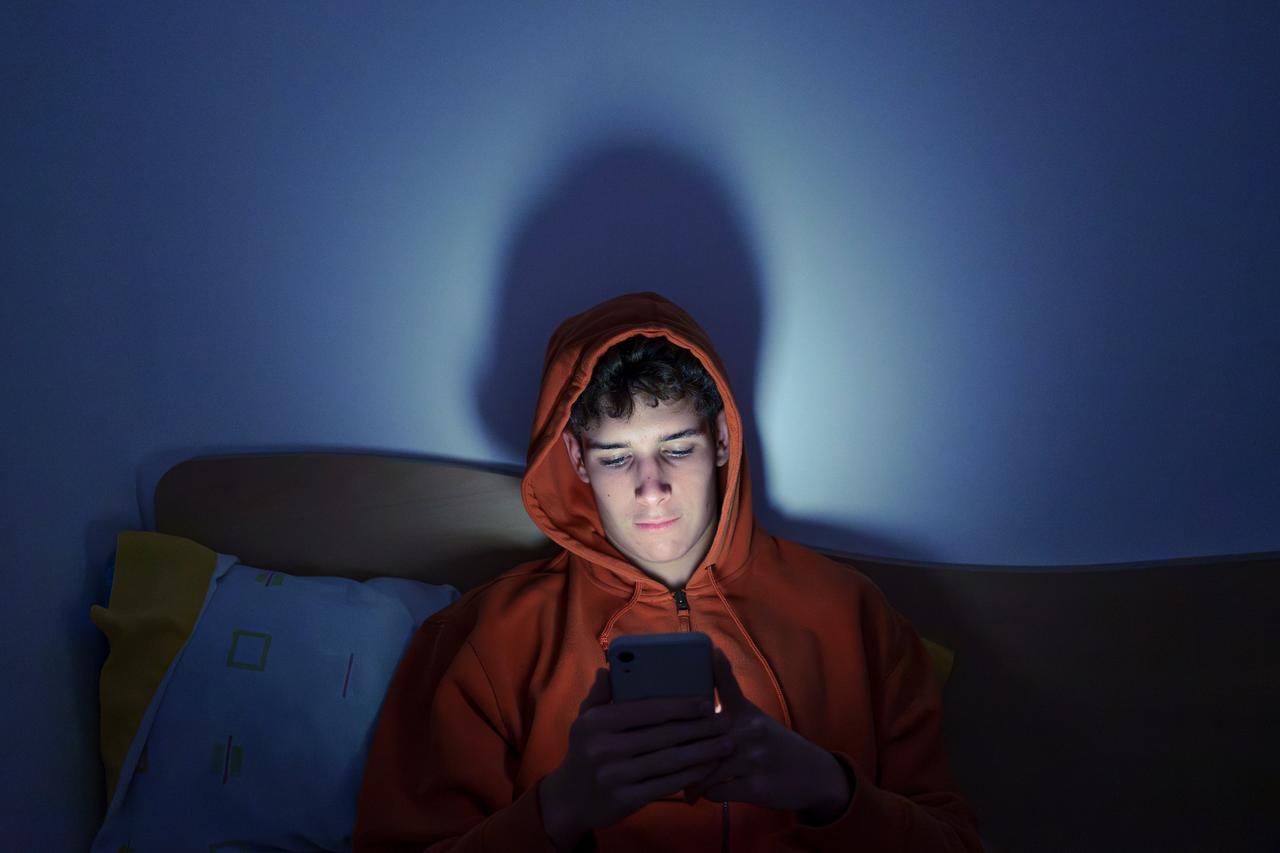


Children and adolescents who struggle to find positive role models in the digital world may instead adopt violent or morally compromised characters as idols, according to experts who point to a wider trend of "bad" behavior being normalized on social media, television series and film.
Characters who use violence or displays of power to boost ratings or views are increasingly presented as strong, accepted or idealized figures, a shift that experts say can affect how young people form their sense of identity.
What drives this, they note, is that children and adolescents are often shaped less by whether a behavior is good or bad and more by how it is presented.
When violence is depicted as powerful, attractive or socially accepted, it can gradually come to seem normal.
Clinical psychologist Saadet Aybeniz Yildirim, speaking to Anadolu Agency (AA), said that in her review of digital content as a psychologist, she has observed that what gets highlighted online is more often "bad" than "good."


"The idealization of bad is especially quick to be accepted by children and adolescents, who then try to become the very people they have idealized," Yildirim said.
"Lately we can say this: young people in particular are not being presented with enough good role models to look up to." She added that this pattern shows up clearly in cases of peer bullying and violence.
Yildirim said children and adolescents often struggle to find positive examples in the digital world. "We can point to a lot of normalization of bad behavior on social media or in television series and films," she said.
"We observe that these characters tend to be seen as stronger or more accepted. Through violence or power, they can actually gain a form of acceptance and visibility. Since acceptance matters so much in the world of adolescents, they may end up expressing themselves behaviorally in this way."

Yildirim said she has recently seen more young clients presenting with anger and behavioral problems, citing both individual and environmental causes.
Among the individual factors, she said, is an inability to properly express emotions, compounded by a lack of appropriate role models, since many of the figures adolescents idolize are prone to violence.

On the family side, Yildirim said parents have an important responsibility to help prevent children from being negatively affected by digital content, and stressed that parents need to build more meaningful relationships with their children.
She pointed to breakdowns in communication and an inability to solve problems together as environmental factors, adding that parents "must know which groups and ideologies their children are following," something she said is only possible through healthy communication.
Not every child develops behavioral problems purely from what they watch, Yildirim noted, but some may still come to believe that problems can be solved the way they see depicted on screen.
She added that adolescents tend to act more impulsively and are less able to foresee the consequences of their behavior, particularly as they navigate a search for identity that can involve seeking out different group affiliations.
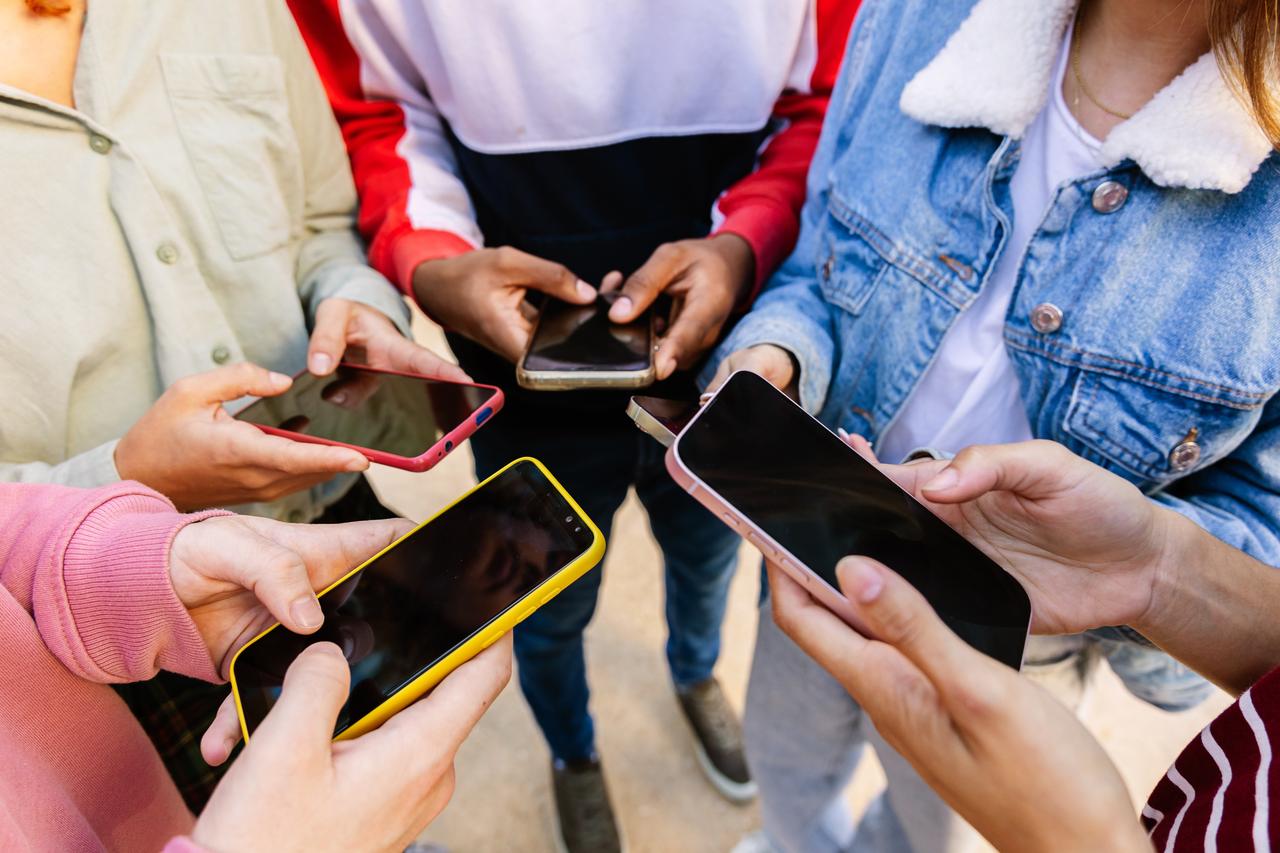
Yildirim said the digital world has also given rise to new ideological and friendship models, with children and adolescents researching or taking action to feel they belong to particular groups.
She said this makes it harder for parents to track who is influencing their children, since group memberships can form quickly and are not always visible from the outside, unlike the friendships of the past.
"Our observations in the field of psychology show that children and adolescents are especially quick to accept things that are more negative, or that we would describe as bad," she said. "That is why we need to be more careful."


 Set as preferred source
 Set as preferred source




 3 min read