Sign in
 Newsletters


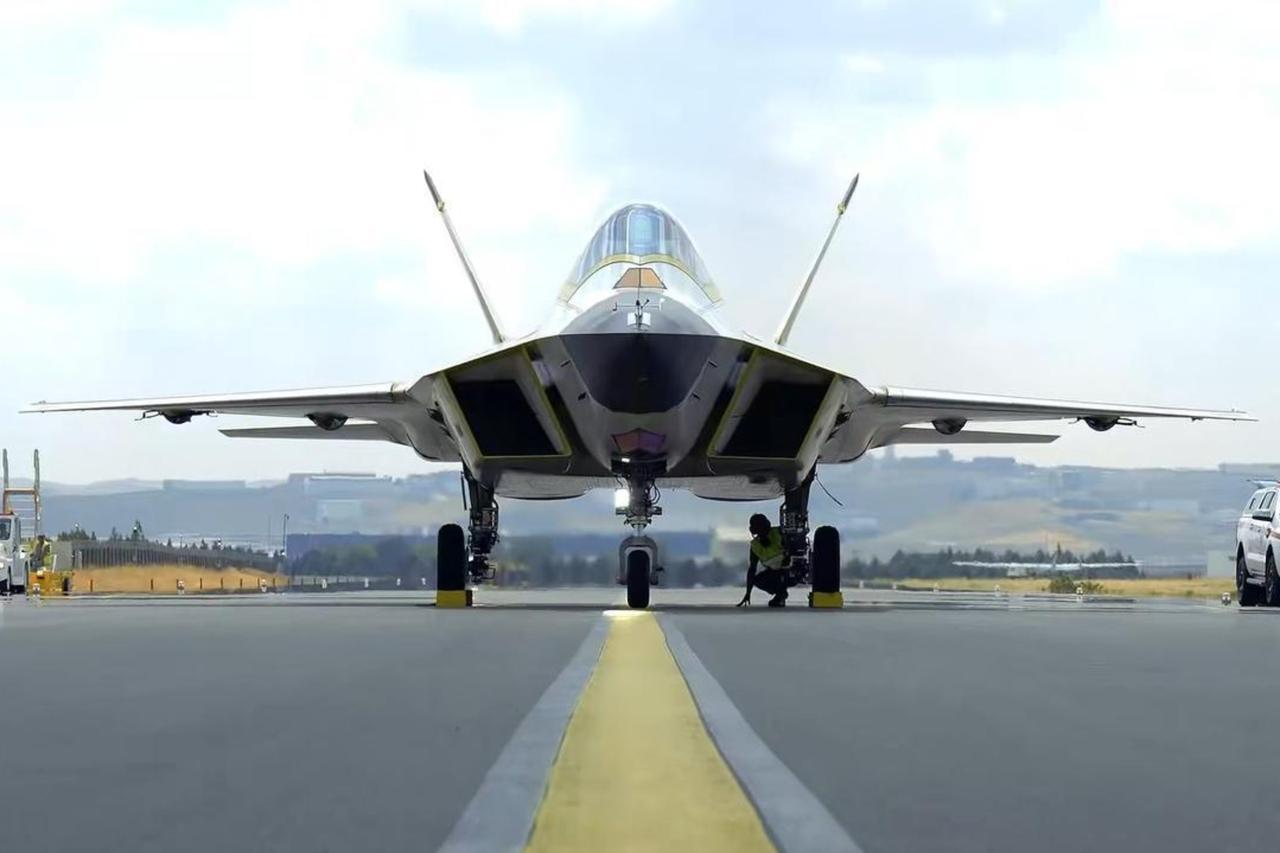


Türkiye expects 20 KAAN national fighter jets to be delivered to its air force by the end of 2030 and the fleet to reach 100 by the end of 2035, Defense Minister Yasar Guler said Wednesday, while the country continues to pursue F-16, F-35, Eurofighter and C-130J procurement to bridge the transition.
"In the project, 20 aircraft are expected to be delivered to our Air Force Command by the end of 2030, and this number is expected to reach 100 by the end of 2035," Guler told parliament’s Planning and Budget Committee as it reviewed the ministry’s 2027 budget.
"While strengthening our national capacity with KAAN, as required by statecraft, we are managing the transition period with a balanced approach that considers the continuity of our air power and our strategic relations. With this understanding, F-16, F-35, Eurofighter and C-130J procurement efforts are continuing in a planned manner to preserve our current air power and meet the needs of this transition period until our domestic means and capabilities reach the required level and quantity," he noted.
"We regard these platforms not only as procurement items but also as important grounds for developing our strategic dialogue and partnerships," the Turkish defense minister added.
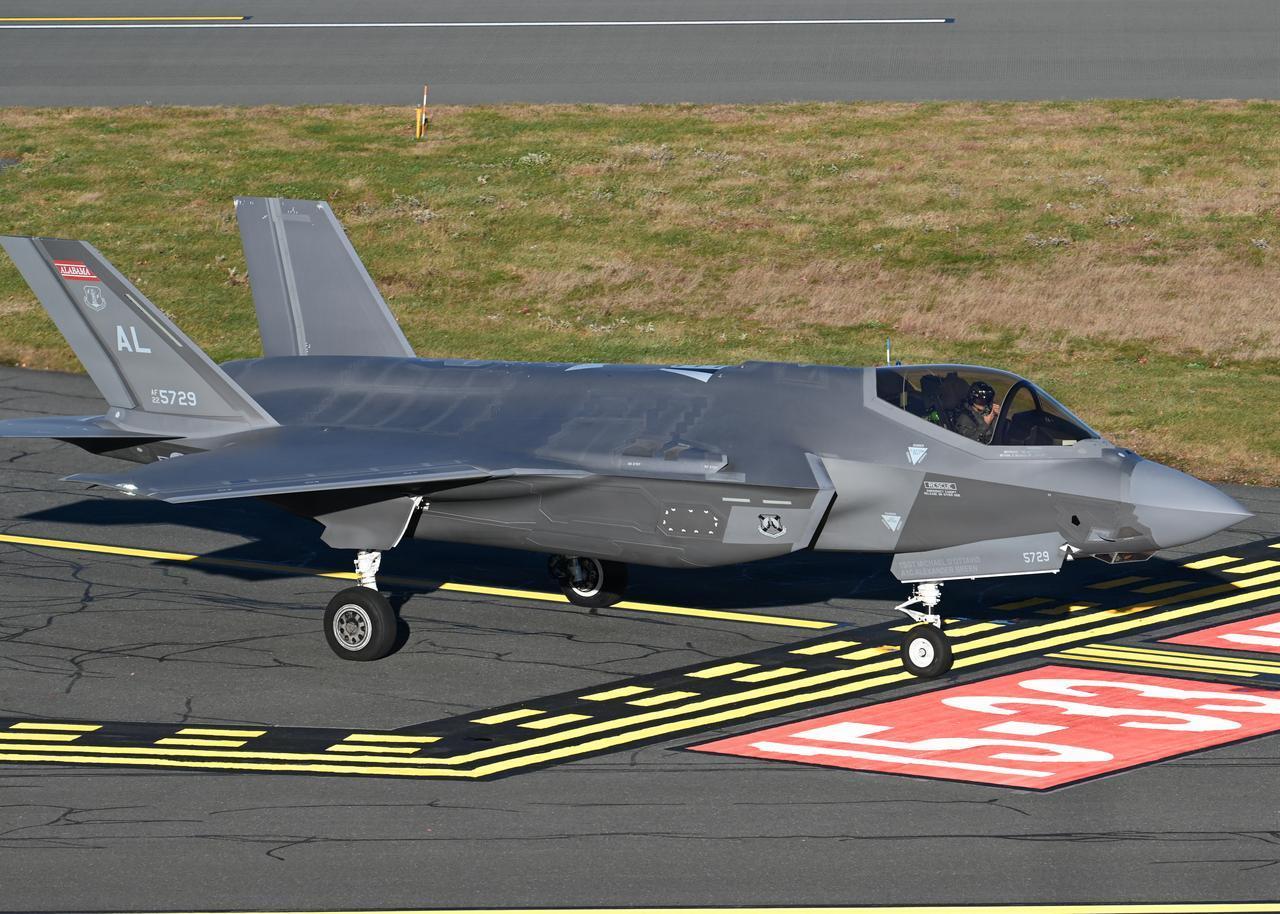
"Our contacts with American authorities regarding the delivery of six F-35 fighter jets produced for our country are continuing. As we have stated before, our expectation is the lifting of CAATSA sanctions, which are incompatible with the spirit of alliance, and of direct or indirect restrictions on our defense industry," the Turkish defense minister said.
"We expect the process to conclude positively in line with our alliance relations and mutual interests," Guler noted.
“Activities for the continuation of the F-16 Block 70 procurement project are being carried out in coordination with U.S. stakeholders," he said, adding, "Concrete developments will be shared with the public."

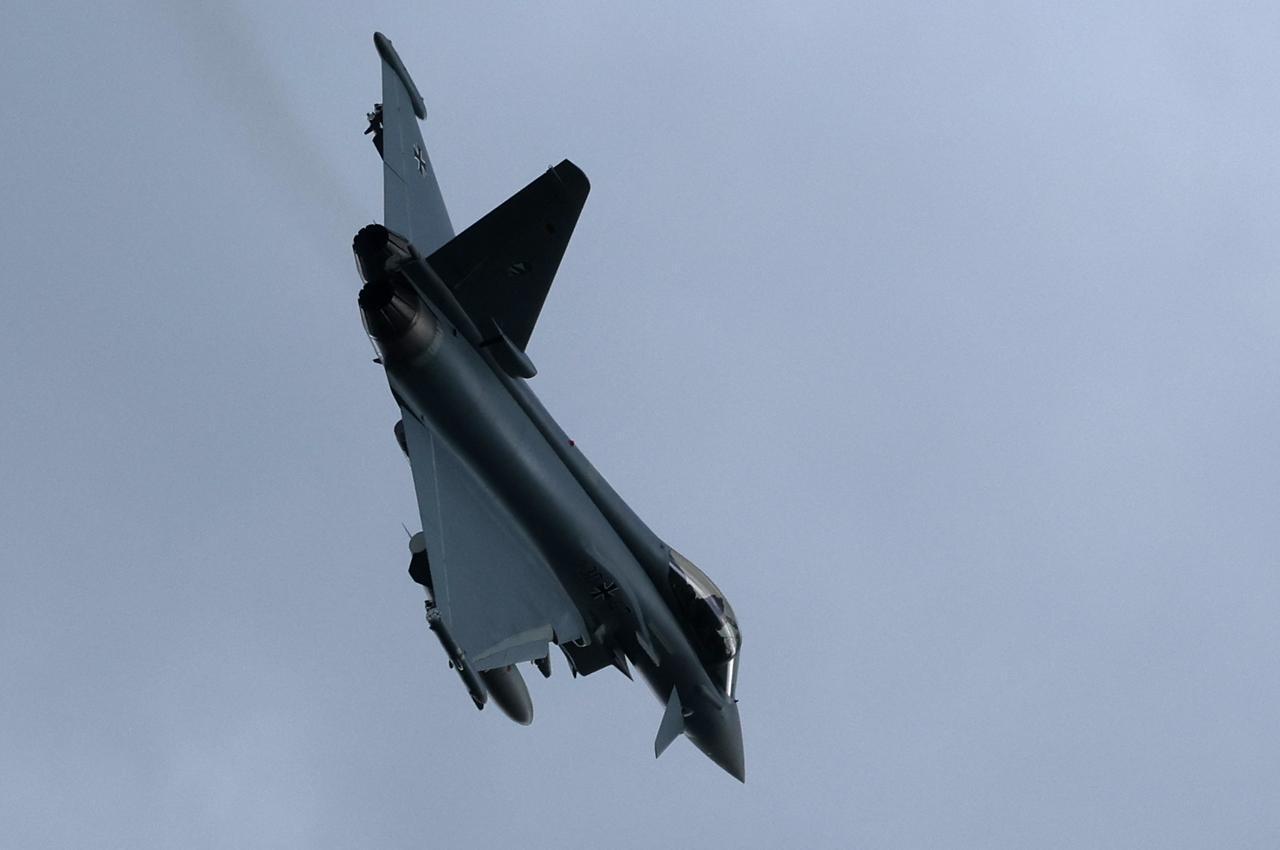
Under last year’s contract with Britain, the procurement of 20 Eurofighter Typhoon jets with equipment and munitions is underway, and a technical and logistics support contract has been signed covering spare parts, simulators, test equipment, ground support devices and training for pilots and maintenance personnel, the Turkish minister said.
Turkish pilots continue flight training in Britain, which began in August 2026.
Türkiye is also procuring 12 C-130J transport aircraft from Britain, with flight, maintenance and repair to be carried out with national capabilities.
"Training of our pilots, flight crews, maintenance personnel and engineers is planned to be completed by the end of 2026, and the first two aircraft are planned to be delivered in December 2026," he said.
"Especially as demonstrated by Iran’s indiscriminate attacks, the spread of air and missile threats and unmanned aerial vehicles has further increased the need for strong, multilayered and integrated air defense systems," Guler said, adding that Türkiye is prioritizing Steel Dome, the national combat aircraft, drones and unmanned systems, critical infrastructure protection and modernization.
"Allocating a special budget for 2026, 2027 and 2028 is of great importance for increasing our defense industry’s serial production capacity and rapidly bringing needed systems into inventory,” he said, crediting President Recep Tayyip Erdogan’s will and support.
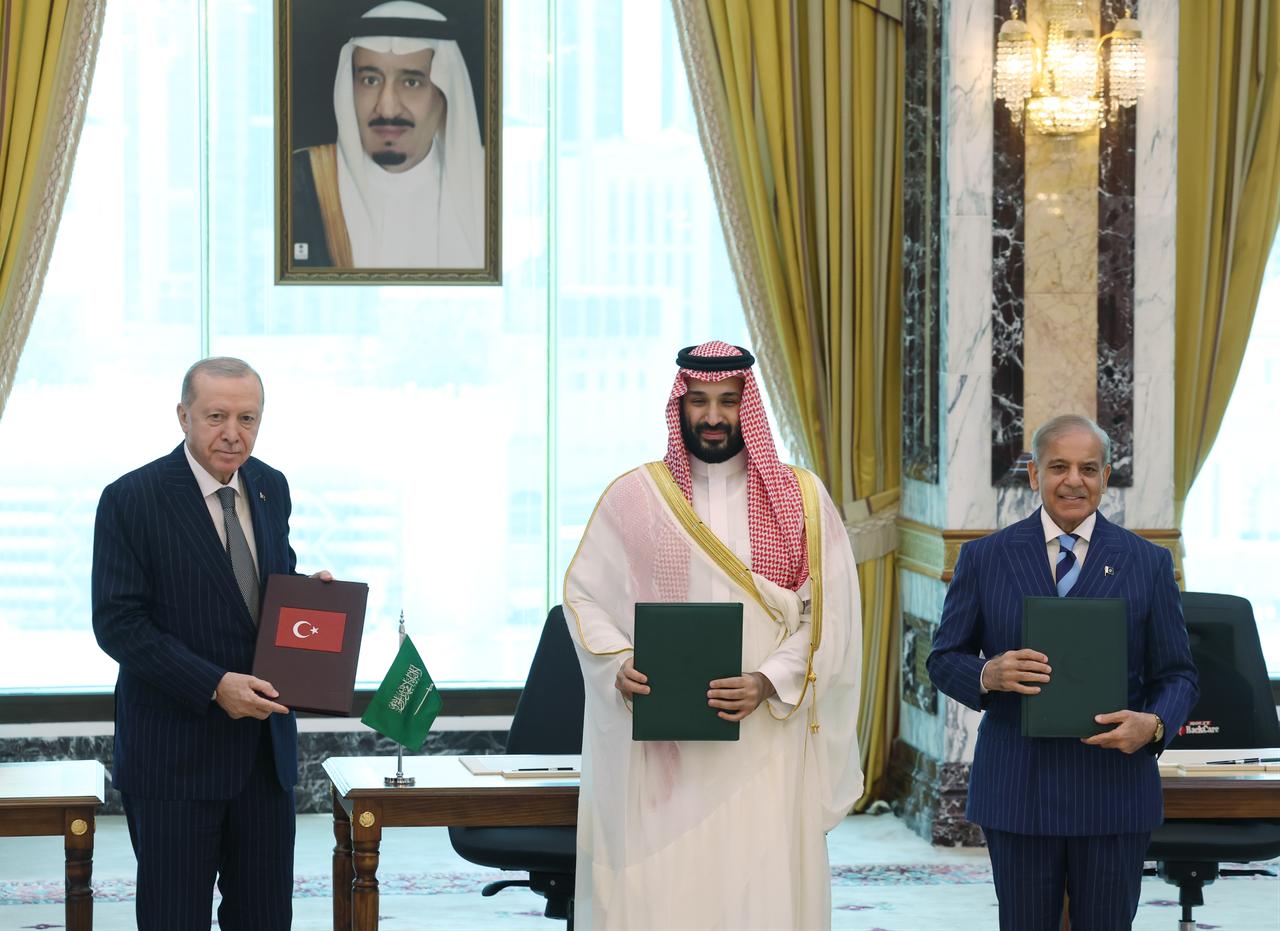
"When energy shipments are disrupted in the Strait of Hormuz or merchant ships are threatened in the Red Sea, Türkiye also feels the consequences," Guler said of the Mecca Joint Defense Agreement (MJDA) with Saudi Arabia and Pakistan.
"Rather than coming together for the first time after such a crisis escalates, we want to consult in advance with the relevant countries, assess common risks and determine the areas in which we can work together," he said. "I would particularly like to stress that this agreement is a defense-oriented cooperation alliance that does not target any country."
"This envisaged mutual support absolutely does not mean the direct or immediate deployment of combat forces against any threat. The essential point is that the party under attack is expected to determine the nature of the support it needs and make a request. Accordingly, the type and scope of support will be addressed in line with the scale and nature of the threat, the needs of the country concerned and the parties’ national assessments. In addition, our rights and obligations arising from NATO membership are reserved under Article 12 of the agreement," the Turkish defense minister said.
"When a crisis breaks out, we assess whether the event falls within the scope of the agreement and what contribution Türkiye will make according to concrete conditions. In the end, Türkiye decides which responsibility it will assume under which conditions within the framework of its own constitutional and national decision-making procedures," he said.
"We continue to take the necessary military and political measures against any attempt that would damage the delicate balances on the island of Cyprus, violate the rights and interests of the Turkish Cypriot people and endanger their security," Guler said.
"Our support ships have provided escort and protection for 22 scientific research activities since the beginning of 2026. A total of 234 of our naval and air platforms took part in these activities. Naval Forces elements are currently providing escort and protection for six drilling activities. In addition, 1,156 NAVTEX messages have been issued since the beginning of 2026," he said.
On attacks on ships in the Black Sea, Guler said: "In trilateral talks with our MCM Black Sea partners Romania and Bulgaria, we agreed to strengthen joint efforts and coordination against threats in the Black Sea. In our talks with the warring parties, we also expressed our security sensitivities and our determination to take the necessary measures."


 Set as preferred source
 Set as preferred source


 5 min read