Newsletters


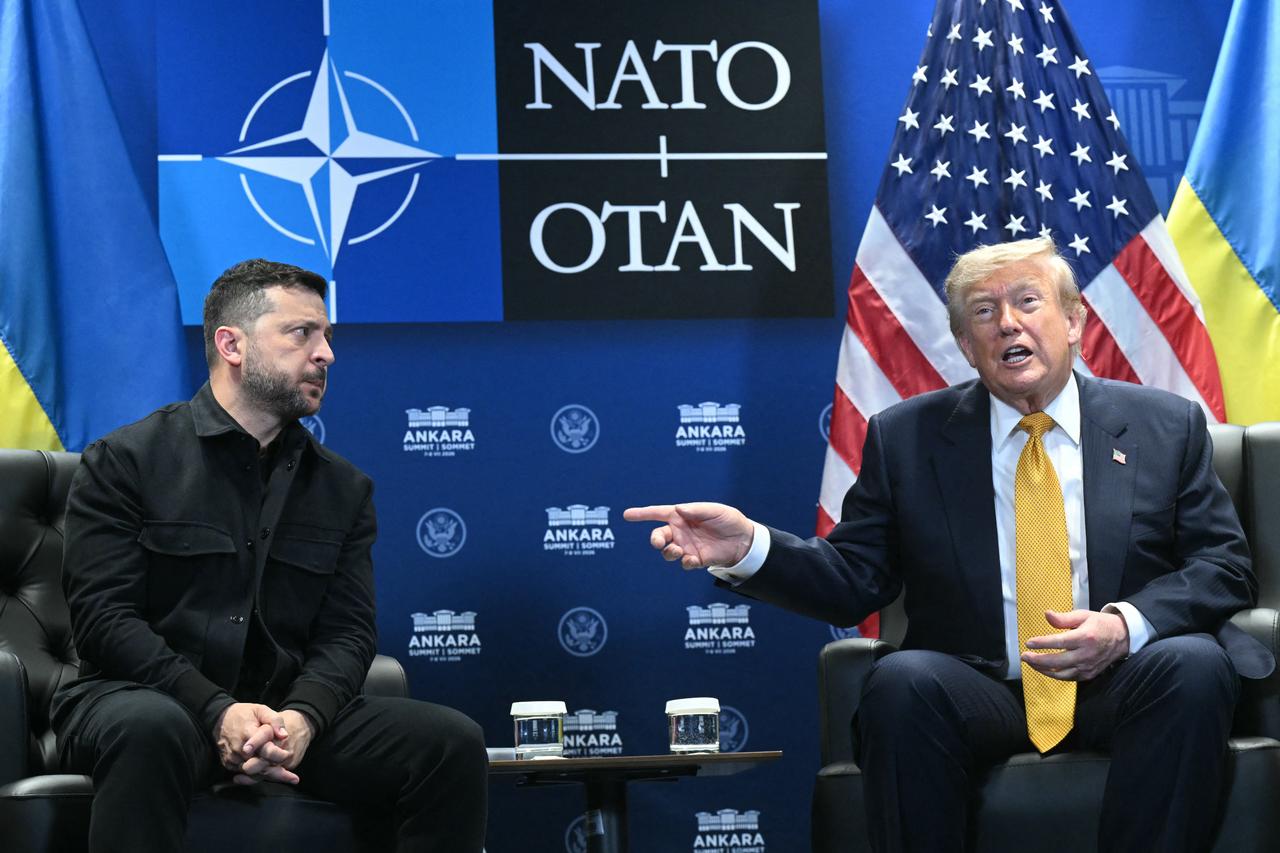
World leaders, senior delegations and members of the international press have gathered in Ankara as the 36th NATO Summit gets underway at a pivotal moment for the transatlantic alliance.
Hosted by Türkiye, the summit brings together leaders of NATO's 32 member states, Asia-Pacific partners and Ukrainian President Volodymyr Zelenskyy for talks on defense investment, military production, support for Ukraine, regional security and burden-sharing.
The gathering opened with the NATO Defense Industry Forum on Tuesday, the largest such event in the alliance's history, bringing together government officials and defense companies to strengthen cooperation on defense production, procurement and industrial capacity.
As leaders continued to arrive in the Turkish capital, U.S. President Donald Trump landed in Ankara ahead of the summit's main sessions. During his first address at the Presidential Complex before a bilateral meeting with President Recep Tayyip Erdogan, Trump vowed to lift CAATSA sanctions on Türkiye and boosted hopes of bringing Türkiye back into the F-35 program.
On Wednesday, leaders will gather for the main session of the summit. Following the traditional family photo, they will hold a meeting of the North Atlantic Council.
Ahead of the leaders' session, NATO Secretary General Mark Rutte told reporters that he expects allies to reaffirm their call for Iran to fully reopen the Strait of Hormuz, while describing the U.S-Iran strikes on Iran as "absolutely necessary." He also stressed that U.S. President Donald Trump remains "fully committed" to NATO.
Before the official opening of the leaders' summit, however, Trump dominated the agenda by declaring the Iran ceasefire "over," dismissing further negotiations with Tehran as "a waste of time" and defending the latest U.S. military strikes against Iranian targets.
After the leaders' meeting, which lasted more than three hours, allies issued a joint statement announcing more than $50 billion in new defense procurements and pledging €70 billion in military equipment, assistance and training for Ukraine in 2026.
The declaration also reaffirmed NATO's commitment to collective defense under Article 5, called on Iran to fully respect freedom of navigation in the Strait of Hormuz and stated that Tehran "must never have a nuclear weapon."
NATO leaders on Wednesday announced more than $50 billion in new defense procurements at the alliance's summit in Ankara, alongside a commitment to expand collective defense manufacturing capacity and accelerate military innovation in response to security threats from Russia and terrorism.
The allies also pledged €70 billion ($79.8 billion) in military equipment, assistance and training for Ukraine in 2026, while committing to sustain at least equivalent levels of support in 2027. NATO welcomed the European Union's decision to provide multi-year funding for Kyiv through the Ukraine Support Loan.
In their final declaration, leaders reaffirmed their commitment to Article 5 collective defense, stressed that Iran "must never have a nuclear weapon," and called on Tehran to fully respect freedom of navigation in the Strait of Hormuz.
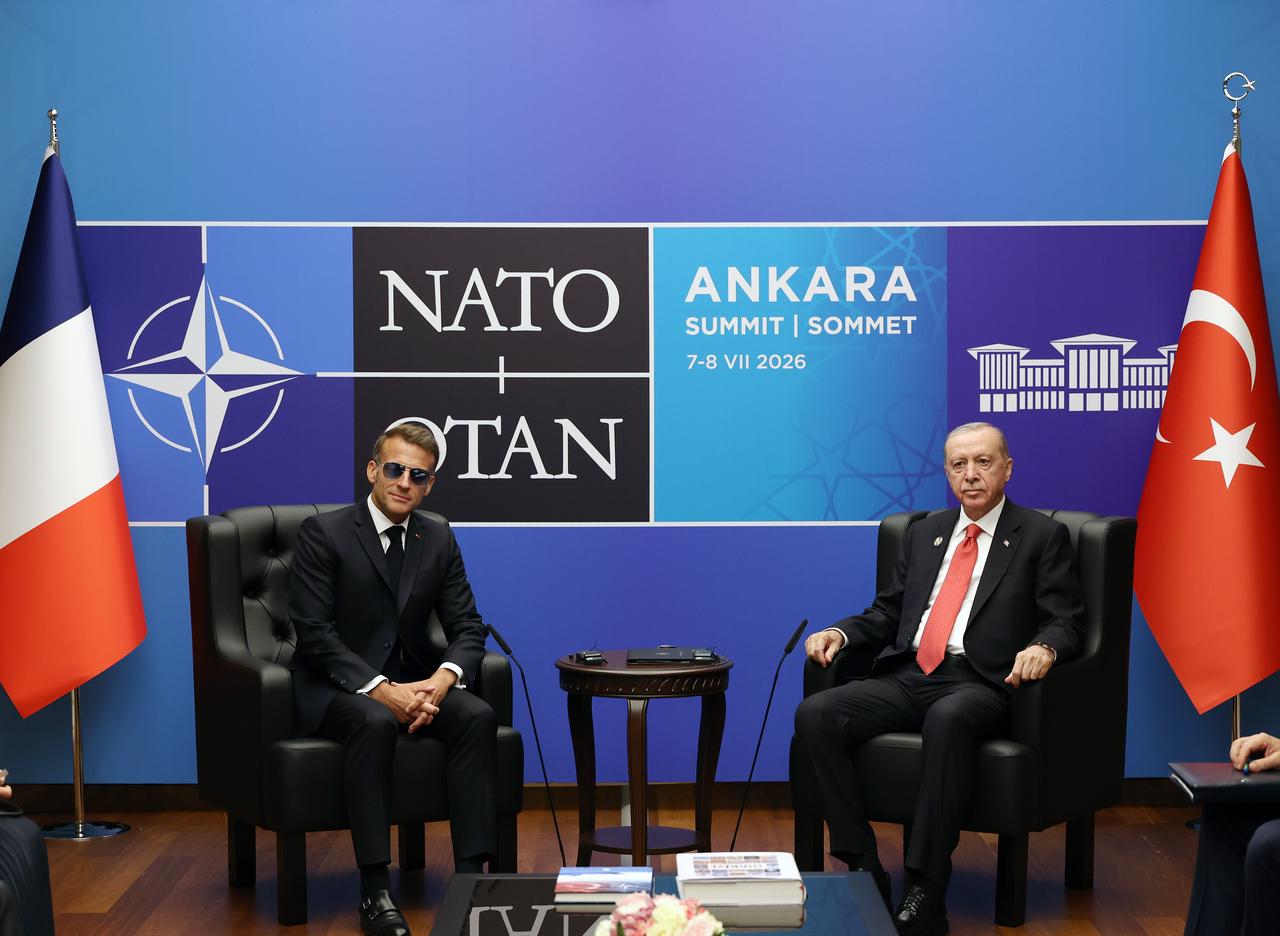
President Recep Tayyip Erdogan held talks with French President Emmanuel Macron on Wednesday during the 36th NATO Heads of State and Government Summit at the Presidential Complex in Ankara.
The meeting took place on the sidelines of the summit, where allied leaders gathered to discuss key security and defense issues.
Turkish Foreign Minister Hakan Fidan, National Defense Minister Yasar Guler, AK Party Deputy Chairman and Spokesperson Omer Celik, National Intelligence Organization (MIT) Director Ibrahim Kalin and Communications Director Burhanettin Duran also attended the meeting.
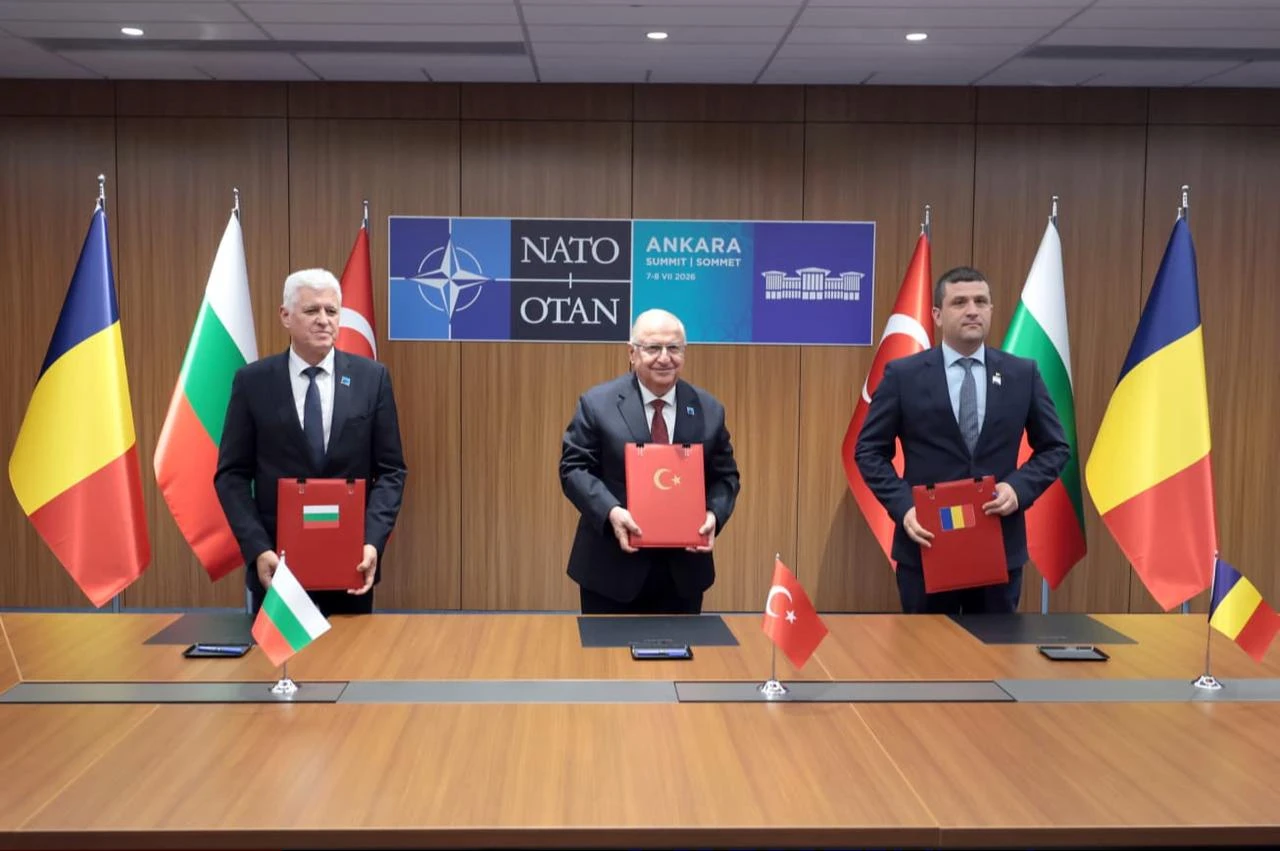
Türkiye, Romania and Bulgaria expand the mandate of their Black Sea Mine Countermeasures Task Group by signing an amendment during the NATO summit in Ankara, adding the protection of critical undersea infrastructure to the group's responsibilities. Turkish National Defense Minister Yasar Guler signs the agreement alongside his Romanian and Bulgarian counterparts.
The revised pact broadens the initiative beyond mine countermeasure operations as the three NATO allies step up maritime cooperation in the Black Sea. Romania's Defense Ministry says the move strengthens regional security and requires a "complex, integrated and long-term approach" to protect underwater infrastructure.
Established in January 2024, the multinational force carries out maritime surveillance, mine clearance, search-and-rescue operations and navigation safety missions. Bulgaria takes over command from Türkiye on Wednesday, while the group's next activation runs from July 9 to 24 during the multinational BREEZE 2026 exercise.
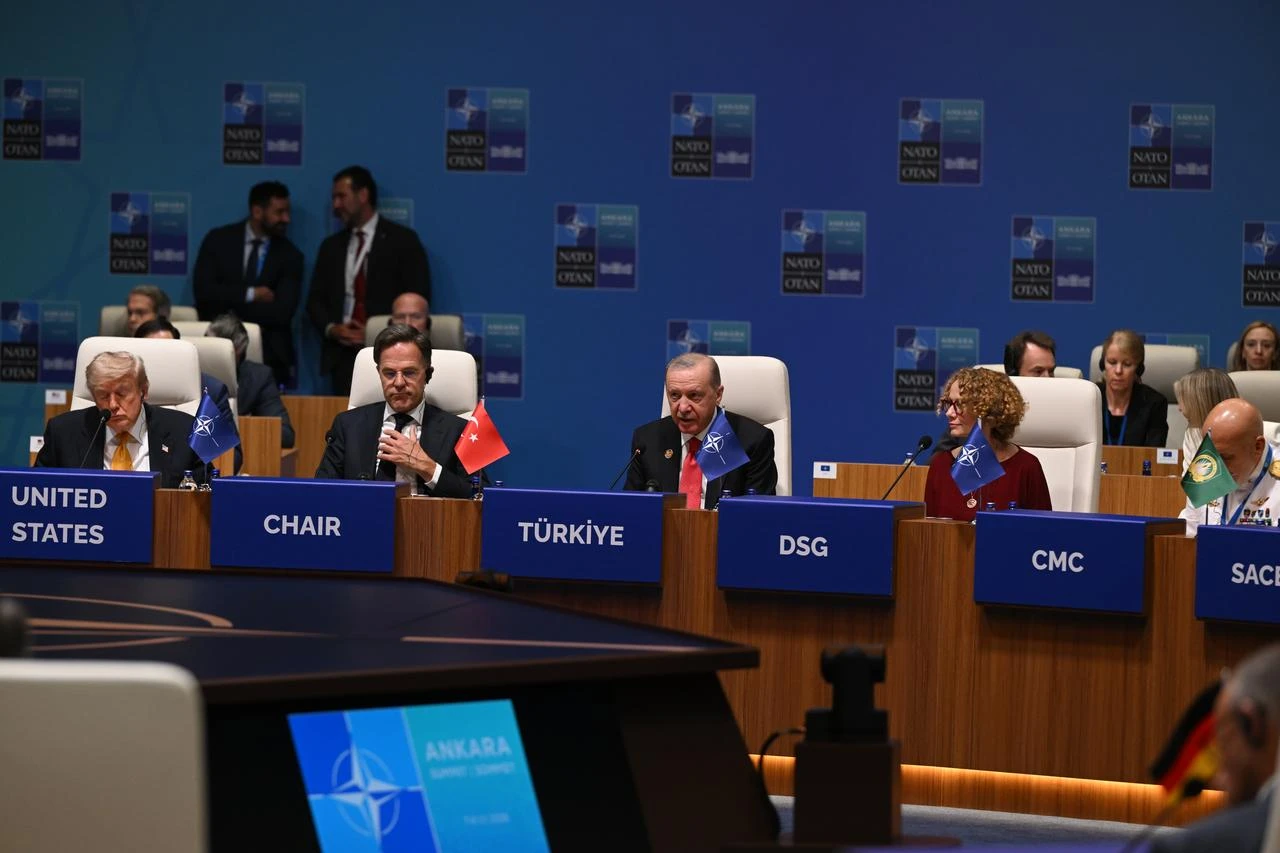
President Recep Tayyip Erdogan on Wednesday urged NATO allies to remove defense industry restrictions, arguing that closer cooperation is essential as Europe takes on greater responsibility for its own defense.
Speaking at the alliance's summit in Ankara, he warned against policies that could weaken NATO's unity. "Restrictions between allies regarding defense cooperation, particularly in the defense industry, should be lifted," Erdogan said.
The president also announced that Türkiye will raise defense spending to the 3.5% level before 2030 and earmarked an additional $24 billion for the Steel Dome air and missile defense project. "Undoubtedly, our country's greatest success lies in the breakthrough we have achieved in the defense industry," he highlighted.
Turning to regional issues, Erdogan reiterated support for a two-state solution in the Middle East, welcomed U.S. President Donald Trump's approach to easing tensions with Iran and said Türkiye continues to engage both Kyiv and Moscow on Ukraine. "While supporting Ukraine, we are also making use of our communication channels to encourage Russia toward peace," he said.
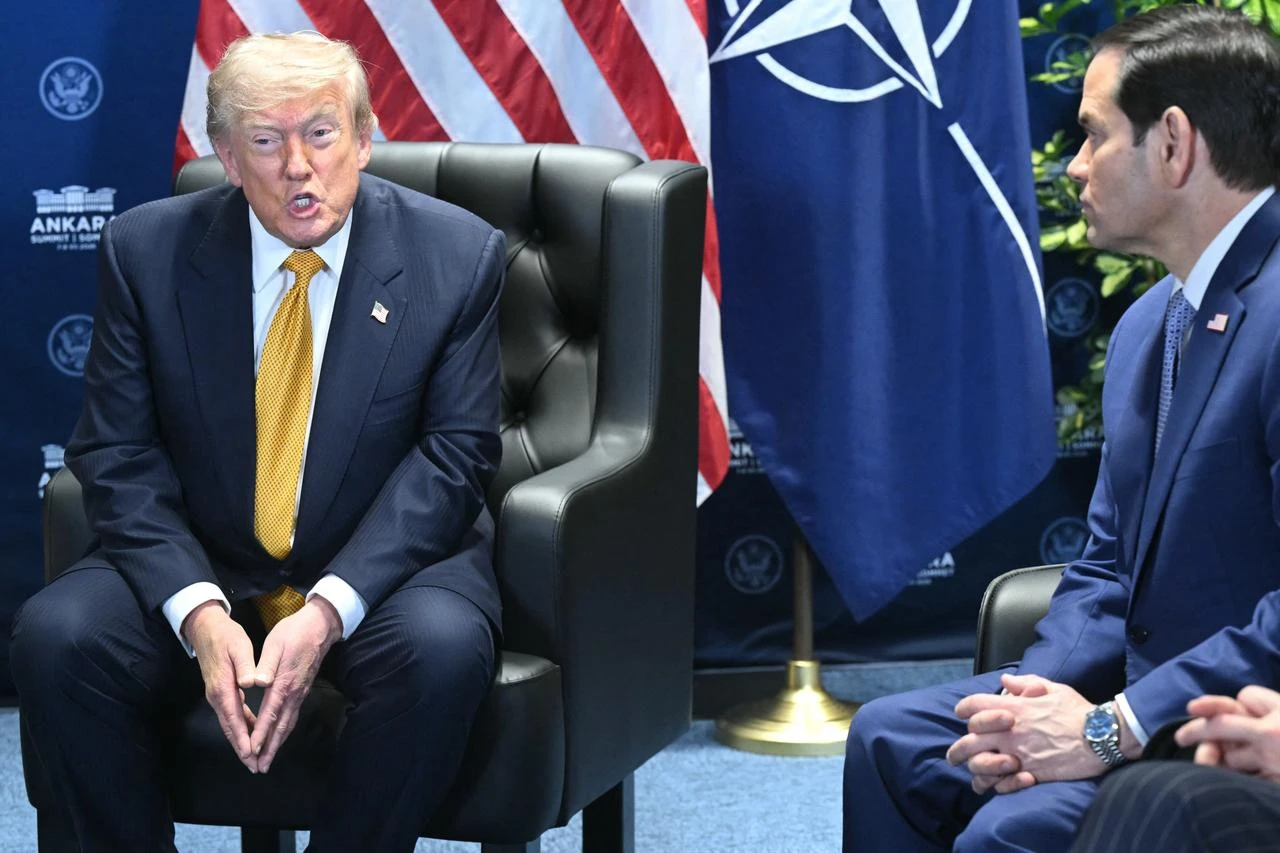
U.S. President Donald Trump said at the NATO summit that he wants to cut off trade with Spain and suggested “visits” should also be halted, though he did not clarify what he meant by that.
“Spain is a wasted cause,” Trump said. “Cut off all trade with Spain please, including visits. We don’t want anything to do. Watch them come running back.”
Trump said he had spoken with Germany, France and the U.K., but not Spain, describing Madrid as a “terrible partner.” He said Spain was not paying its share and was not taking part in anything, adding that the U.S. could not continue protecting them. “I don’t even talk to them,” Trump said. “We have nothing left with Spain.”
U.S. President Donald Trump said he was “not happy with NATO” over Greenland, saying he planned to raise the issue during a larger meeting at the summit.
“Greenland is a big problem for us,” Trump said, adding that he would “relate” his concerns during the upcoming meeting.
Trump said NATO allies were not there for the U.S. when Washington sought support, while arguing that the U.S. had supported them in the past. “When they could have, they weren’t there for us, and we’ve been there for them,” he said.
U.S. President Donald Trump said at the NATO summit that Türkiye will receive F-35 fighter jets, described the country as "very strong," and praised President Recep Tayyip Erdogan.
Speaking during the summit, Trump said he had held successful meetings, particularly with Türkiye, and said Erdogan did not enter the war because of his intervention.
"We've had some very good meetings, in particular with Türkiye," Trump said. "And now, we're meeting with everybody today. It's been very successful. It's been a fantastic meeting."
U.S. President Donald Trump declared Wednesday that the ceasefire with Iran is "over" following renewed exchanges of fire around the Strait of Hormuz, casting doubt on any immediate return to diplomacy.
Speaking to reporters on the sidelines of the NATO leaders' summit in Ankara, Trump dismissed the prospects of further negotiations with Tehran, arguing that Iranian leaders had repeatedly acted in bad faith and could no longer be trusted.
"The ceasefire is over. I don't want to deal with this scum anymore," Trump said. "They're liars, they're cheats, they're sick people. These are evil, sick people, and we have to cut out their cancer."
Trump also indicated that, despite his own position, U.S. negotiators could continue contacts with Iranian officials if they chose to do so, though he described further talks as a "waste of time."
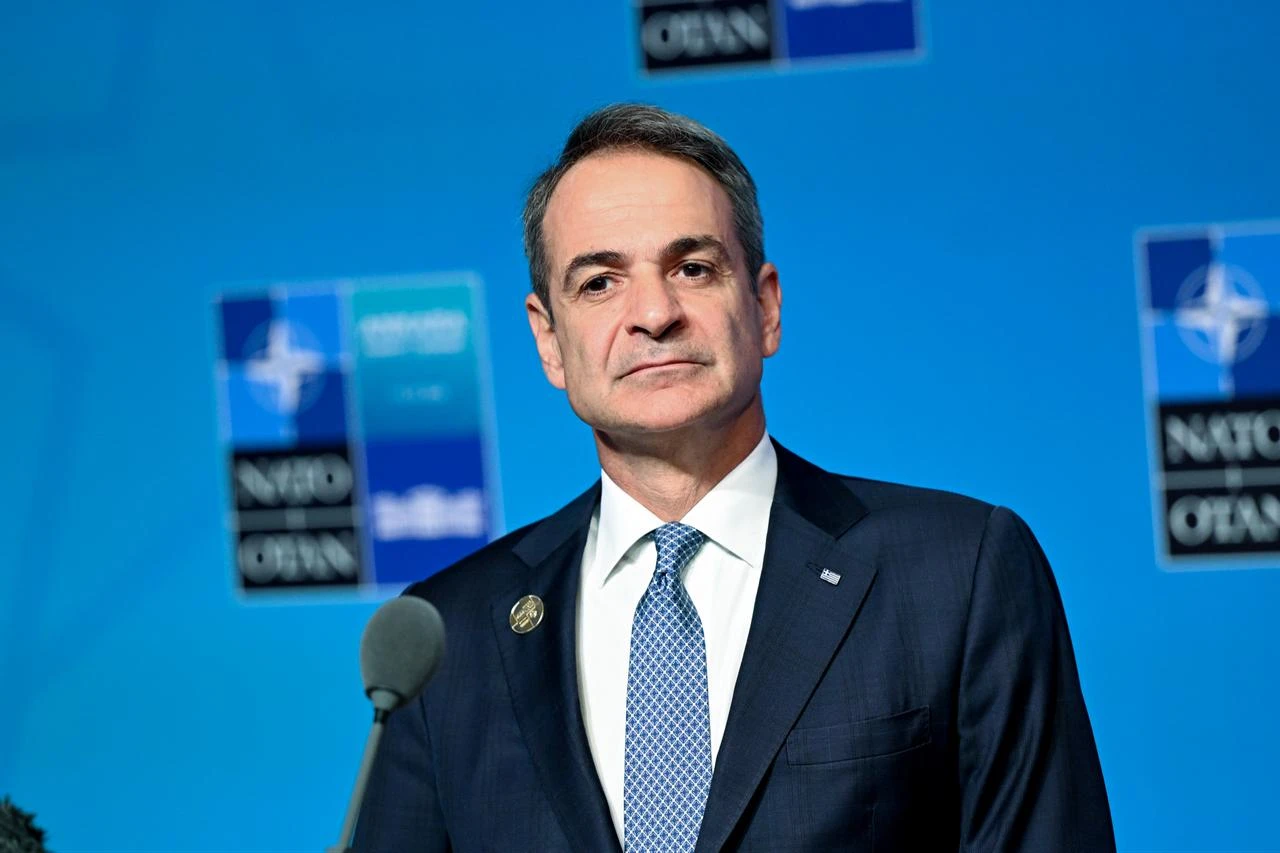
Greek Prime Minister Kyriakos Mitsotakis on Wednesday reaffirmed Greece's commitment to NATO, urged full compliance with the U.S.-Iran agreement and voiced support for closer relations with Türkiye ahead of the alliance's summit in Ankara.
Speaking to reporters before the meeting, Mitsotakis said Greece remains a reliable NATO ally and is carrying out a €25 billion modernization program for its armed forces. He added that Athens has consistently met its obligations within the alliance.
Commenting on the summit's host city, Mitsotakis described visiting Ankara as "always a pleasure" and said he has consistently supported efforts to improve relations between Greece and Türkiye.
On questions about Türkiye's role within NATO and U.S. President Donald Trump's openness to selling F-35 fighter jets to Türkiye, Mitsotakis declined to comment on remarks by Trump and President Recep Tayyip Erdogan yesterday, but stressed that "an alliance must be based on fundamental principles and good neighborly relations."
He argued that "all NATO allies' sensitivities must be taken into account" while Greece continues to face security concerns, expressing confidence that disputes can be resolved "within the framework of good neighborly relations and cooperation."
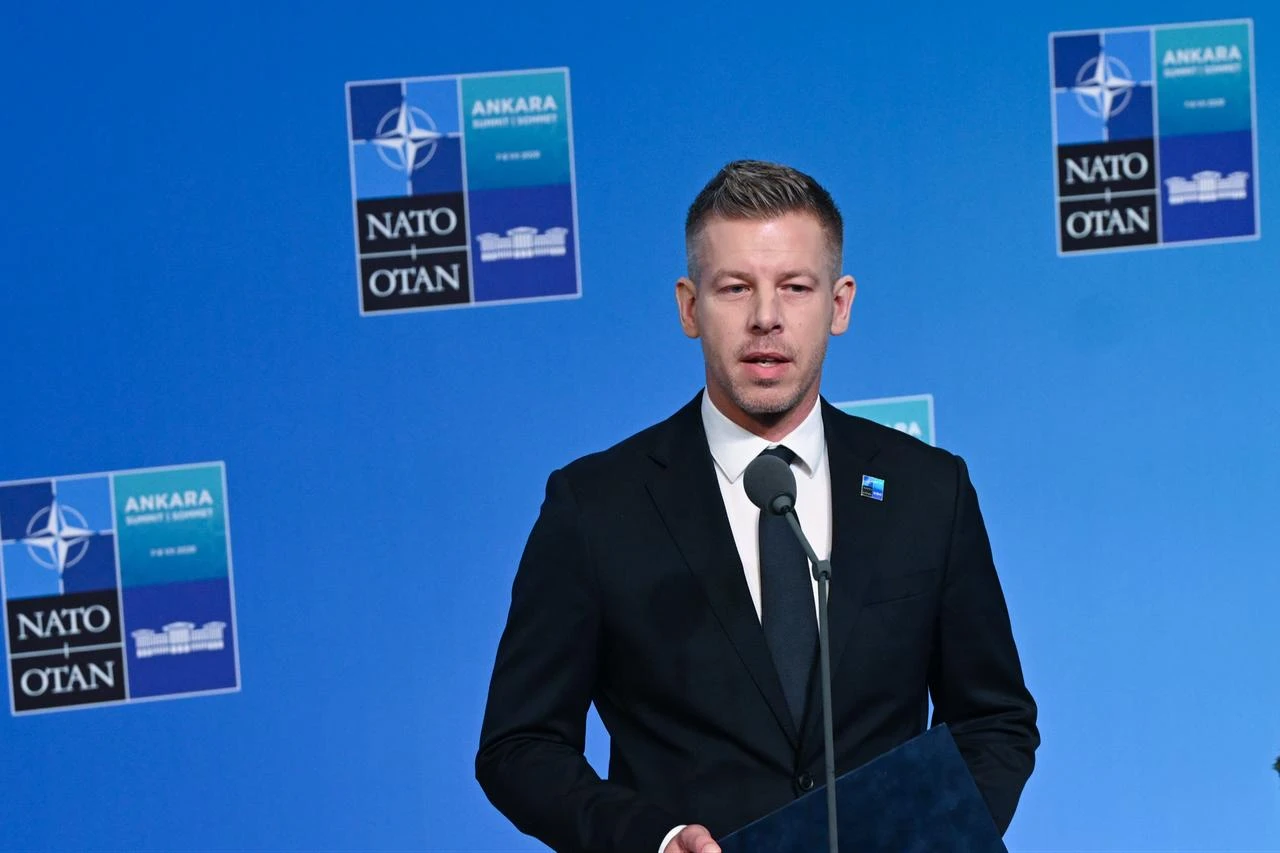
Hungarian Prime Minister Peter Magyar on Wednesday said Budapest will not support new military assistance for Ukraine as NATO leaders gathered in Ankara, arguing that the alliance should prioritize strengthening its own defenses over approving additional weapons for Kyiv.
Speaking to reporters before the summit's main session, Magyar reiterated that Hungary would continue providing humanitarian assistance to Ukraine but would not take part in military aid, including arms shipments.
Despite that stance, he described Ukraine as the victim of the war and Russia as the "brutal aggressor," stressing that Kyiv has every right to defend its territorial integrity.
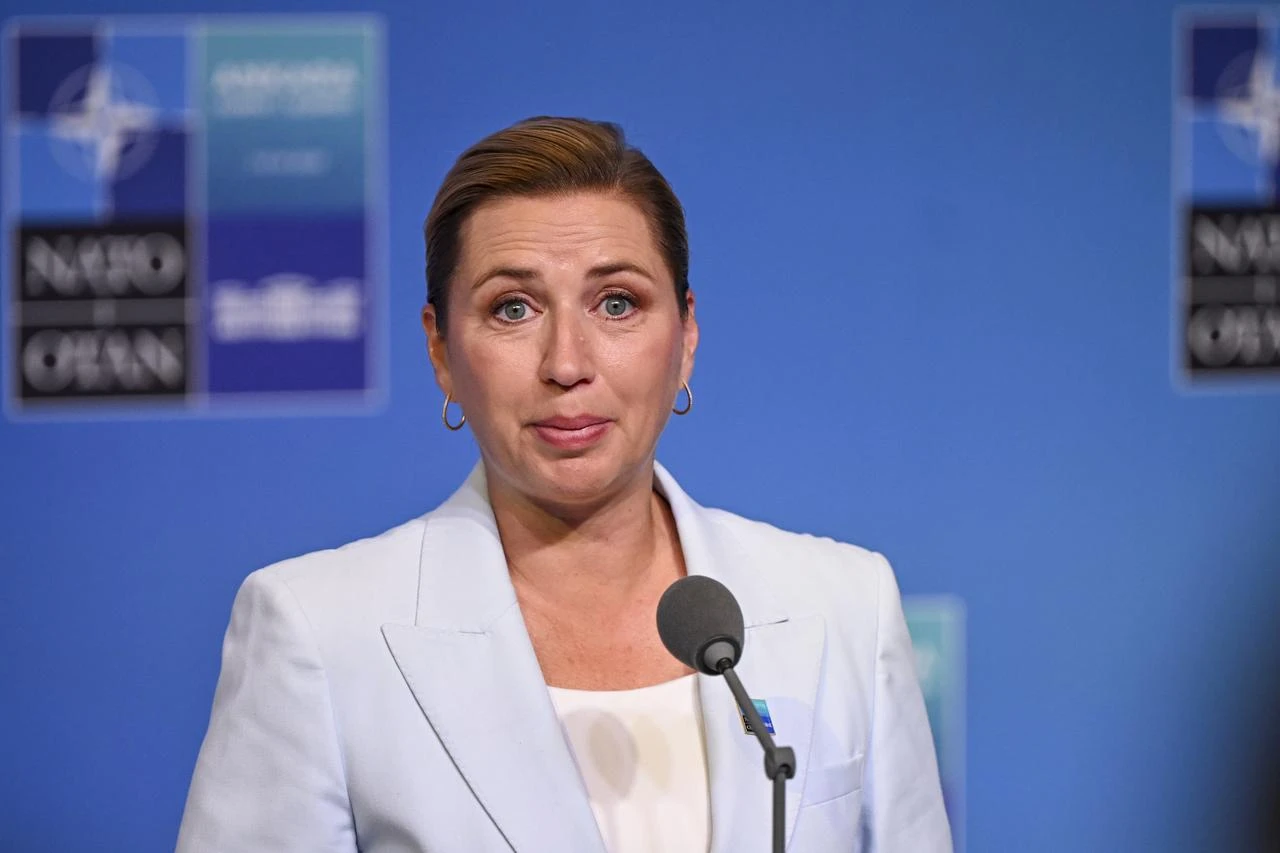
Danish Prime Minister Mette Frederiksen said Wednesday that Denmark is prepared to defend Greenland if it comes under attack, reaffirming Copenhagen's commitment to the Arctic island ahead of the NATO Leaders Summit in Ankara.
"We are ready to defend every inch of NATO," Frederiksen told reporters when asked whether Denmark would militarily defend Greenland, reiterating her rejection of U.S. President Donald Trump's renewed proposal for the United States to take control of the island.
Her comments followed NATO Secretary-General Mark Rutte's remarks that alliance leaders would discuss Arctic security during the summit and must ensure Russia and China do not gain greater influence in the region, adding that "a good process" is underway regarding Greenland.
Frederiksen also identified European rearmament and strengthening NATO's defense industrial base as the summit's top priorities.
She said allies must accelerate defense production and expand industrial capacity to meet the alliance's new capability targets as leaders prepare to discuss higher defense spending, regional security and continued support for Ukraine during the main session of the summit.
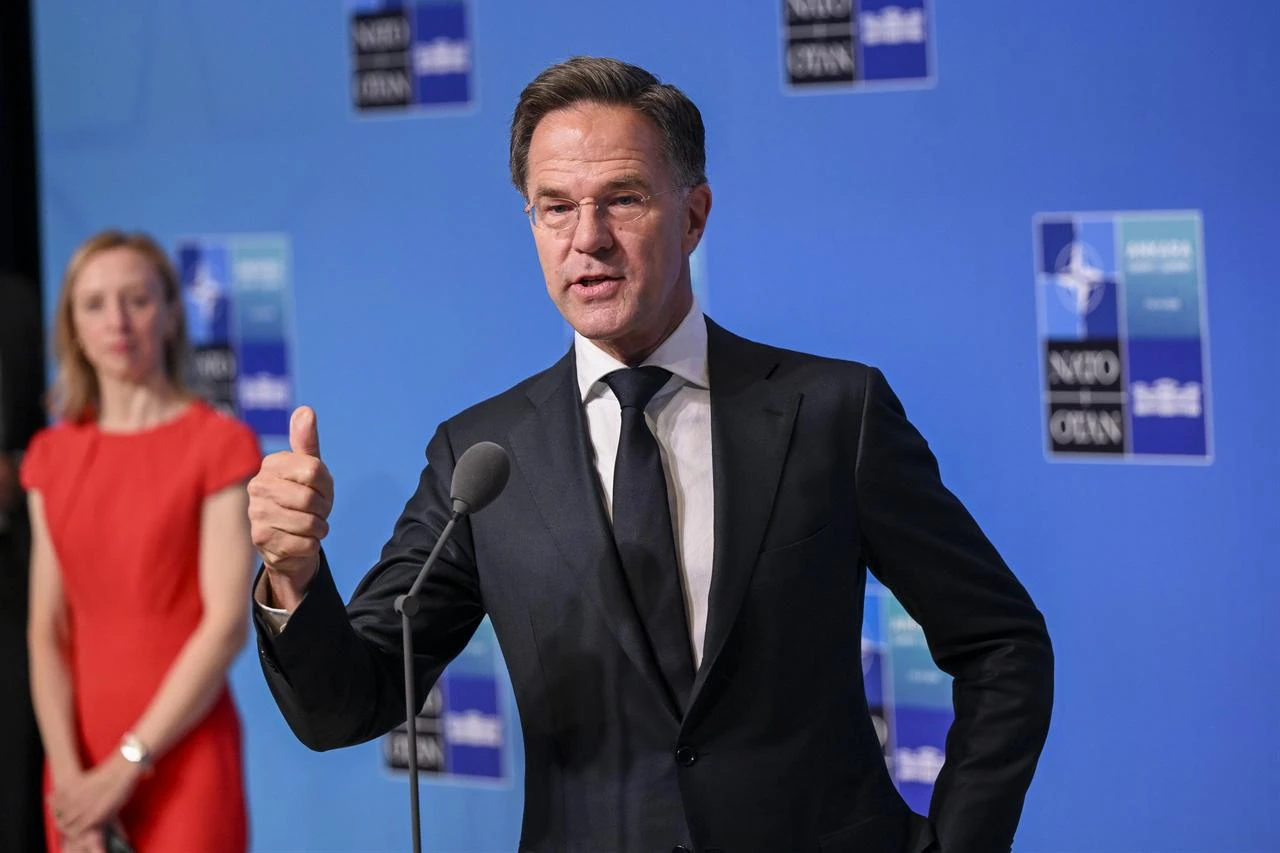
NATO Secretary-General Mark Rutte said Wednesday he expects alliance leaders to reaffirm that Iran must never obtain a nuclear weapon and call for the full reopening of the Strait of Hormuz, as NATO leaders gathered in Ankara for their summit's main session.
Speaking to reporters ahead of the meeting, Rutte described the recent strikes on Iran as "absolutely necessary" and said allies would also discuss safeguarding freedom of navigation through the strategically vital waterway after weeks of disruption linked to the Iran conflict.
Rutte also stressed that U.S. President Donald Trump remains "fully committed" to NATO, while reiterating that it is fair to expect European allies and Canada to match Washington's defense spending efforts. He said Washington's commitment to the alliance comes alongside expectations that other members shoulder a greater share of the security burden.
Addressing Arctic security, Rutte said a "good process" is underway regarding Greenland, adding that NATO allies must ensure Russia and China do not gain greater strategic access to the region amid growing geopolitical competition.
NATO heads of state and government gather on Wednesday at the Presidential Complex in Ankara for the main session of the 36th NATO Leaders Summit, hosted by President Recep Tayyip Erdogan and NATO Secretary-General Mark Rutte.
The day's program begins with doorstep statements, with Rutte speaking at 8:00 a.m. followed by allied leaders at 8:15 a.m. An official welcome ceremony starts at 10:45 a.m., after which leaders will pose for the traditional family photo at 11:00 a.m.
The summit's main session, the North Atlantic Council meeting at the level of heads of state and government, is scheduled to begin at 11:15 a.m. Leaders are expected to discuss defense spending, military production, support for Ukraine, regional security and other key alliance priorities.
Rutte will hold a press conference at 3:00 p.m. at the Main Press Theater inside the International Media Center at the Presidential Complex, while allied leaders are expected to begin their own media briefings from 3:30 p.m. onward.


 Set as preferred source


 6 min read