Newsletters


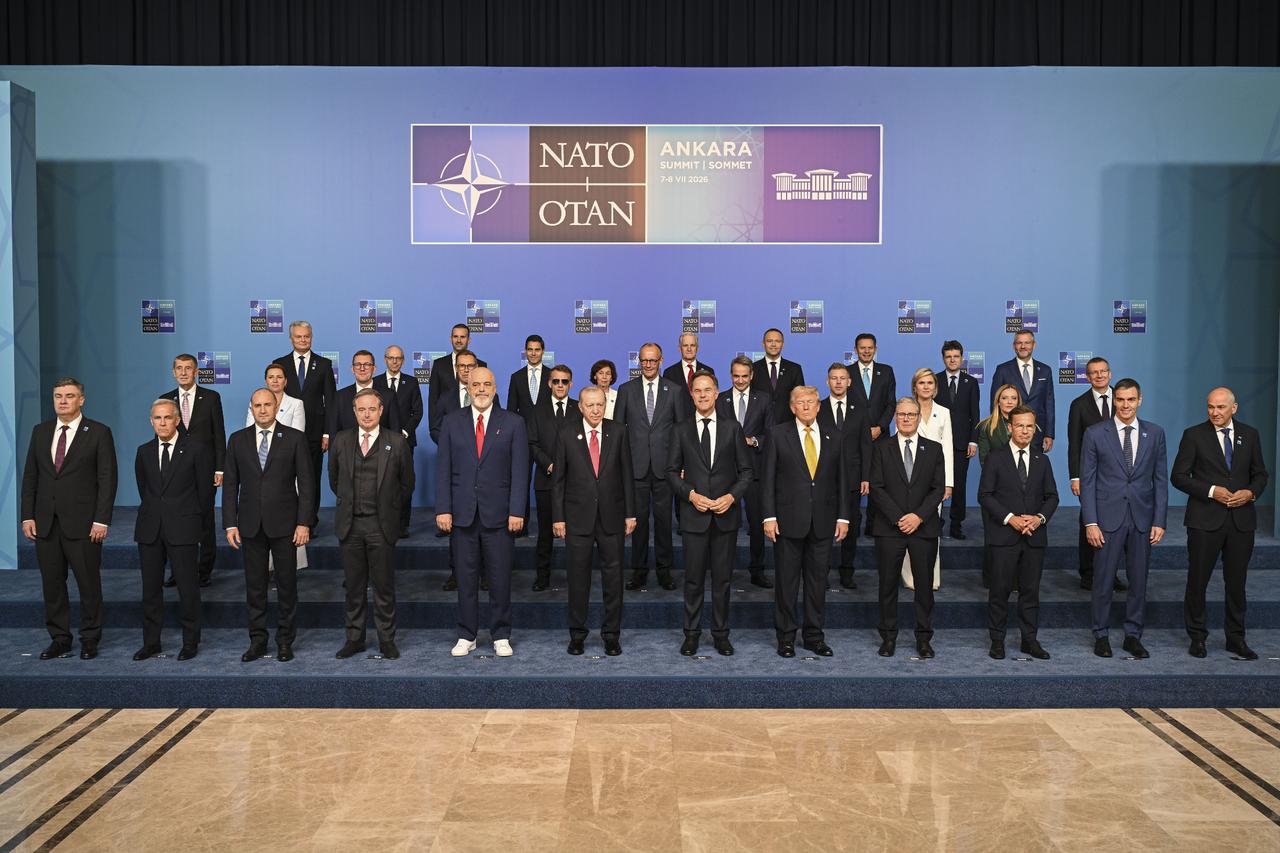


NATO leaders on Wednesday unveiled more than $50 billion in new defense procurements at their summit in Ankara, stepping up efforts to strengthen the alliance's military capabilities in response to what they described as the long-term threat posed by Russia and the continuing threat of terrorism.
In a joint declaration, the allies also committed to expanding collective defense manufacturing capacity, accelerating innovation with industry partners and removing barriers to defense trade among member states.
The measures build on increased military investment across the alliance, with European allies and Canada boosting spending on core defense requirements by more than $139 billion in 2025.
The alliance also reaffirmed its backing for Ukraine, describing the country as a contributor to transatlantic security and pledging €70 billion ($79.9 billion) in military equipment, assistance and training for 2026.
NATO members further committed to sustaining at least equivalent levels of military support in 2027, while welcoming the European Union's decision to provide multi-year funding for Kyiv through the Ukraine Support Loan.
Leaders stressed that European allies and Canada, alongside the United States, are taking on greater responsibility for the alliance's collective defense as NATO continues to modernize its military posture.
The declaration highlights plans to invest in long-range precision strike capabilities, integrated air and missile defense, uncrewed systems, intelligence assets and advanced technologies.
It also commits the alliance to developing an interoperable transatlantic warfighting cloud and adopting artificial intelligence models to strengthen military operations.
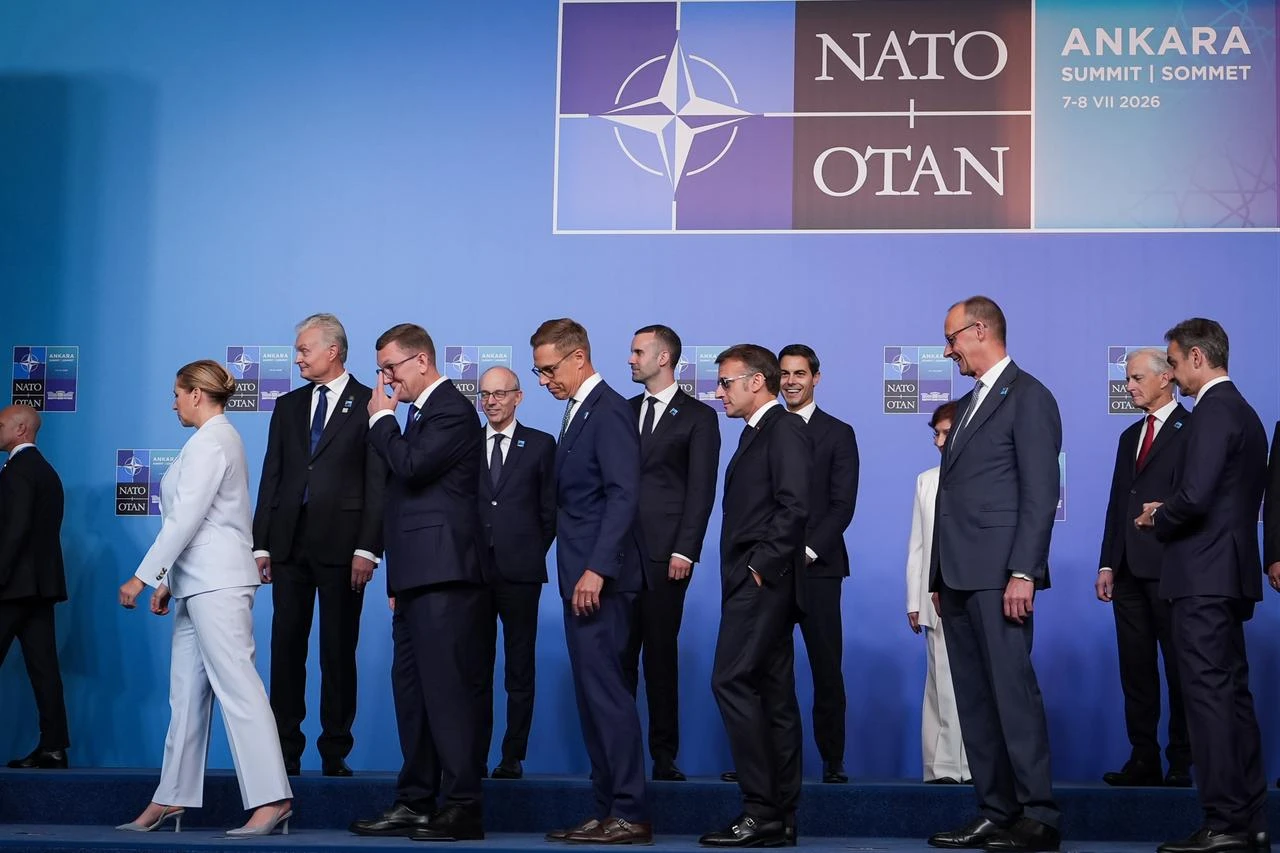

The leaders reaffirmed NATO's commitment to collective defense under Article 5 of the Washington Treaty, repeating that "an attack on one is an attack on all."
The declaration also underscored NATO's commitment to maintaining a 360-degree approach to deterrence and defense while expanding military capabilities across land, sea, air, space and cyberspace.
The statement addressed developments in the Middle East, declaring that Iran "must never have a nuclear weapon" and calling on Tehran to fully respect freedom of navigation in the Strait of Hormuz.
The summit concluded with NATO leaders thanking Türkiye for hosting the gathering and reaffirming their determination to strengthen transatlantic defense cooperation through increased investment, expanded industrial capacity and closer coordination among allies.


 Set as preferred source
 Set as preferred source


 1 min read
 1 min read