Newsletters


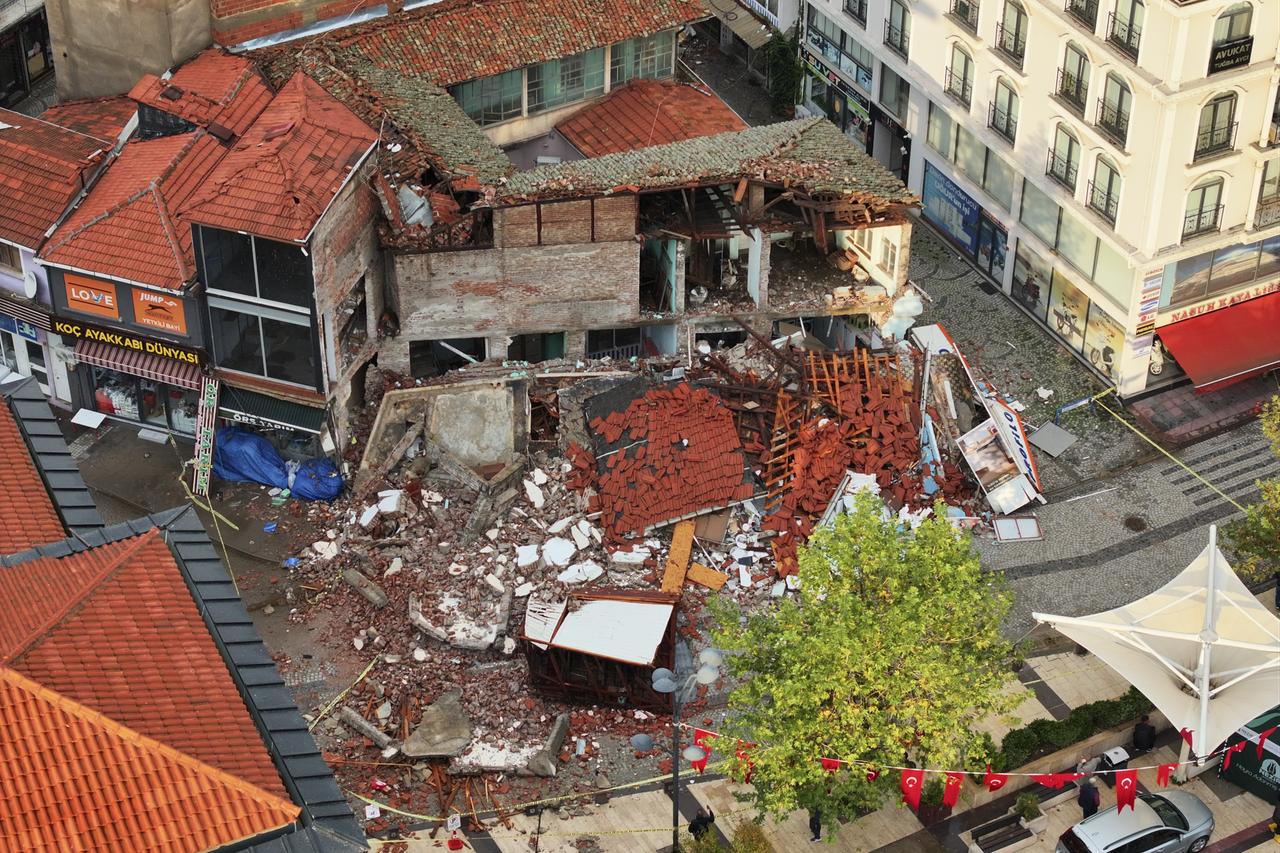


A total of 330 aftershocks were recorded following the 6.1-magnitude earthquake that struck the Sindirgi district of Balikesir late Monday, according to the Disaster and Emergency Management Authority (AFAD).
The earthquake, which occurred at 10:48 p.m. local time at a depth of 5.99 kilometers (3.72 miles), was felt across multiple provinces in the Marmara and Aegean regions, including Izmir, Bursa, Istanbul, Tekirdag, Kocaeli and Sakarya.
AFAD data showed that within approximately 13 hours after the main tremor, 330 aftershocks were registered in the region. Among them, 12 were measured at magnitudes of 4.0 or higher, reflecting heightened seismic activity following the initial quake.
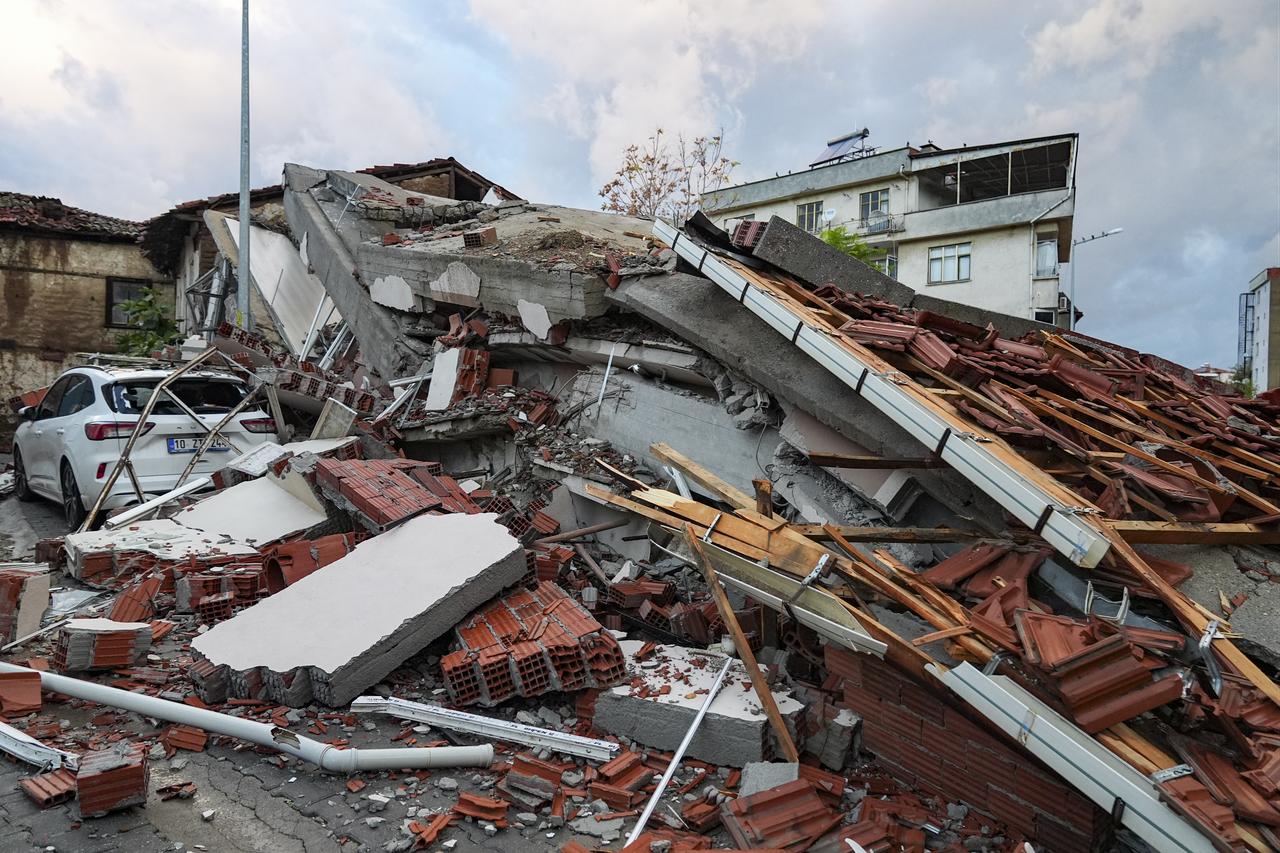

Interior Minister Ali Yerlikaya said there were no fatalities reported and that the situation was under control. “Everyone began their duties immediately after the quake. Thankfully, there has been no loss of life in Balikesir or surrounding provinces,” Yerlikaya stated.
The minister reported that 26 people were lightly injured, treated at hospitals, and later discharged. He added that 30 buildings were reported damaged.
“Electricity was briefly disrupted for about one and a half hours, but power has been restored. There are no communication or transportation problems in the area,” Yerlikaya said, noting that firefighting, police, gendarmerie, AFAD, and municipal teams were on site with more than 1,200 personnel.
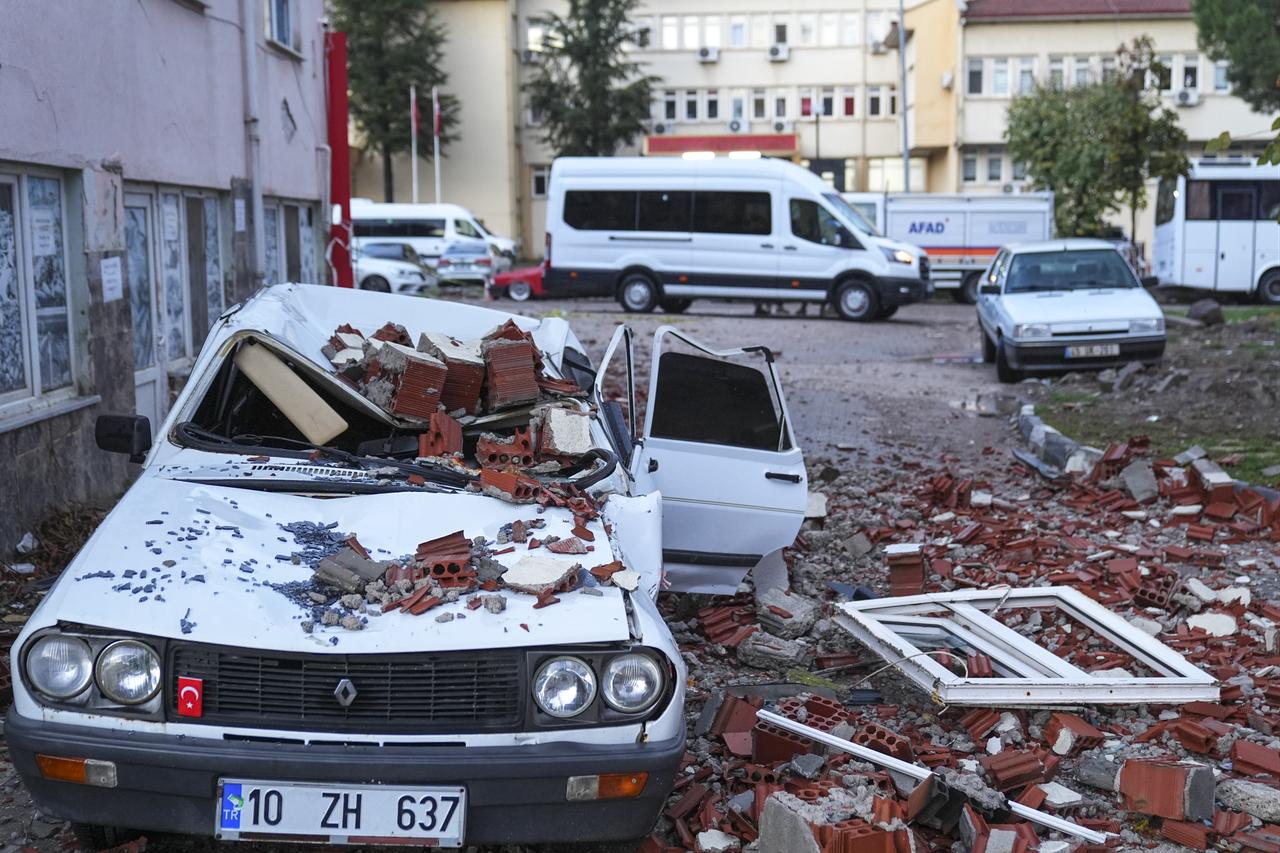
Yerlikaya announced that 25 million Turkish lira had been transferred for urgent support to affected citizens. Schools across Balikesir, as well as in Manisa’s Akhisar, Demirci, Kirkagac, Soma, and Gordes districts, were suspended for one day as a precaution.
He also urged the public not to rely on unverified information shared on social media, emphasizing that official updates would come only from authorized sources.
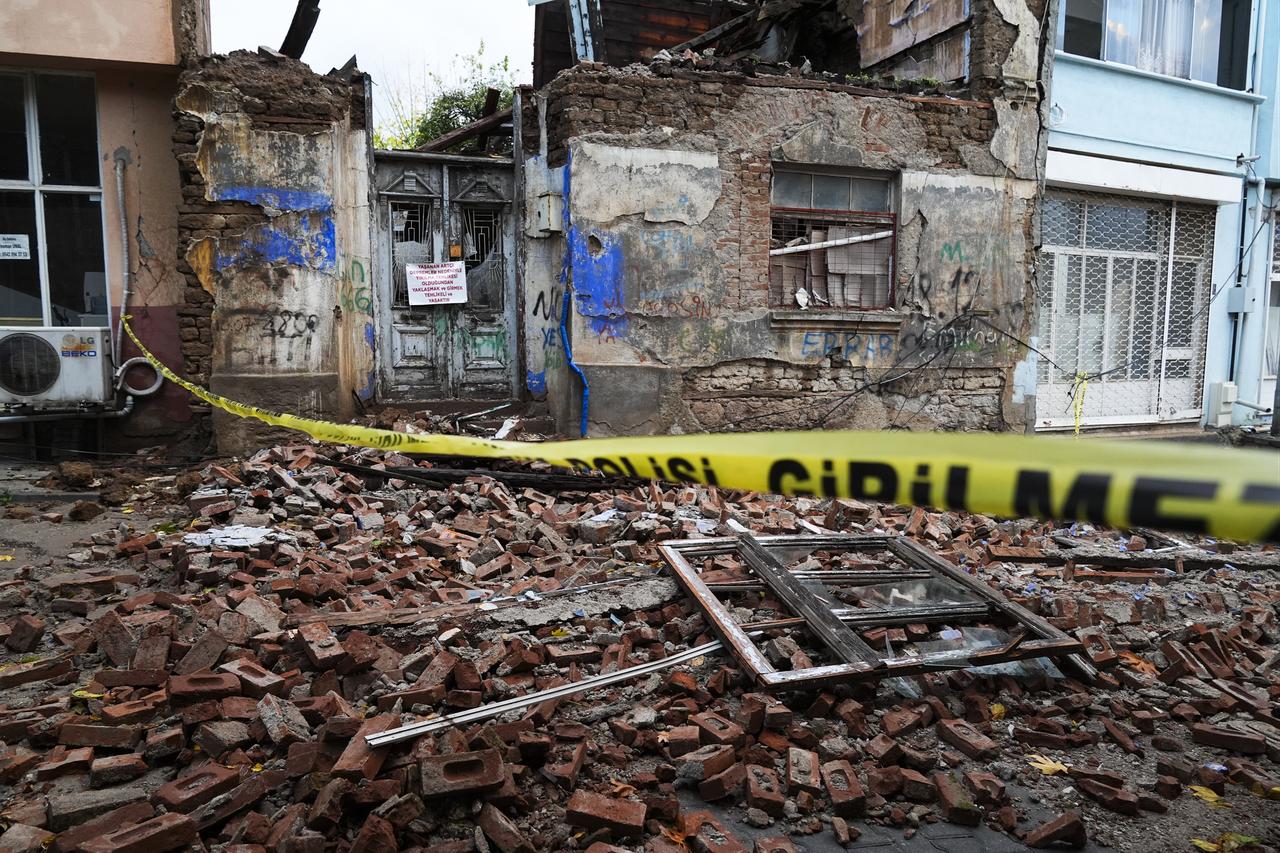
According to AFAD’s monitoring systems, seismic activity remains intense in the region, though experts note that aftershocks are expected to decrease gradually in the coming days.
Yerlikaya concluded by thanking all emergency personnel and citizens who took part in the response efforts, stating, “The system is working efficiently. Türkiye’s emergency response framework continues to improve; AFAD has become a global model.”


 Set as preferred source
 Set as preferred source


 6 min read