Newsletters


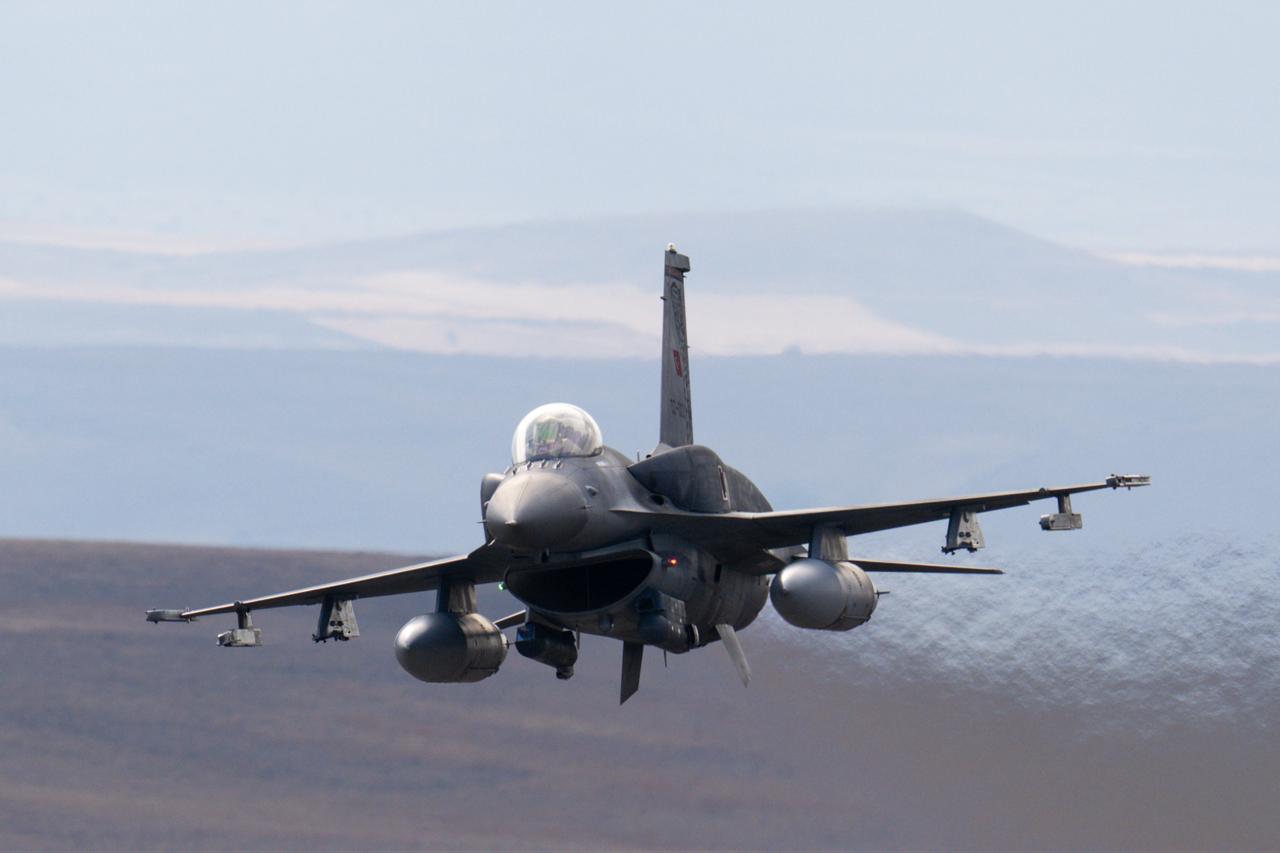


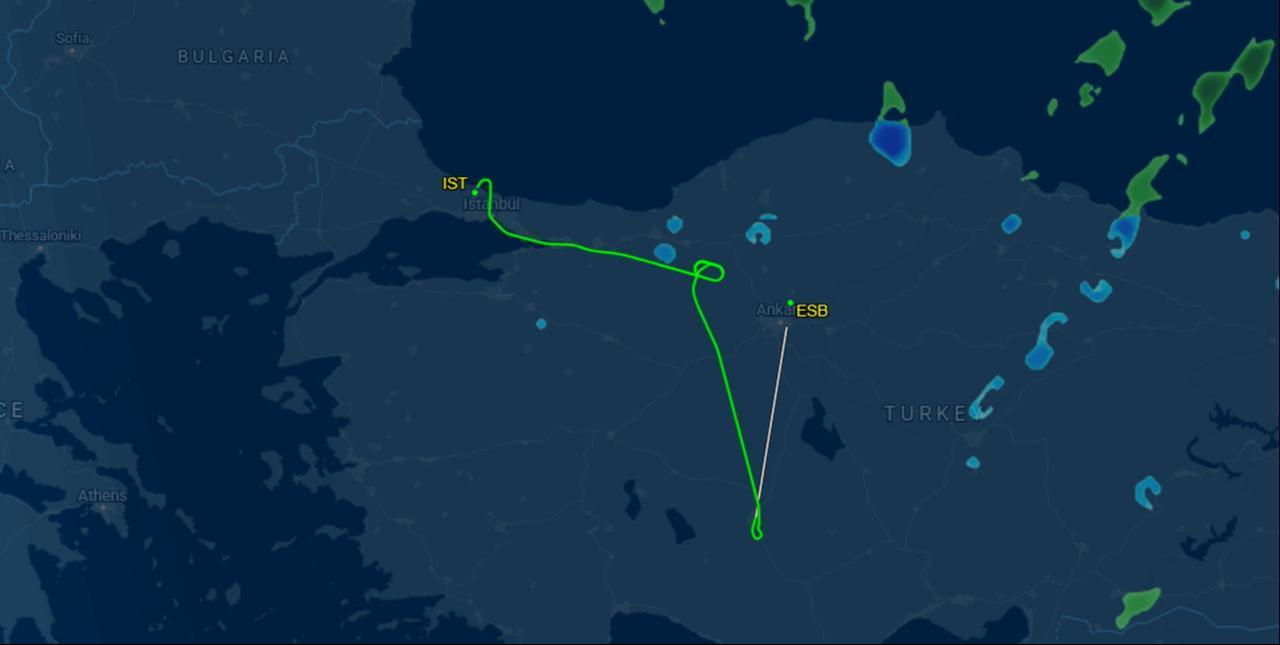
New details have emerged about how Turkish Air Force Command's F-16s intercepted and shot down an unidentified drone that entered Turkish airspace from the Black Sea on the evening of Dec. 15, with defense sources speaking to Turkish media outlets revealing the step-by-step sequence from initial radar detection to the AIM-9X missile strike near Cankiri, a district in central Anatolia.
The incident, which triggered alarm across Türkiye's air defense network, unfolded over several hours as military commanders tracked the small unmanned aerial vehicle (UAV) from the Black Sea coast deep into central Anatolia before finding a safe location to destroy it.
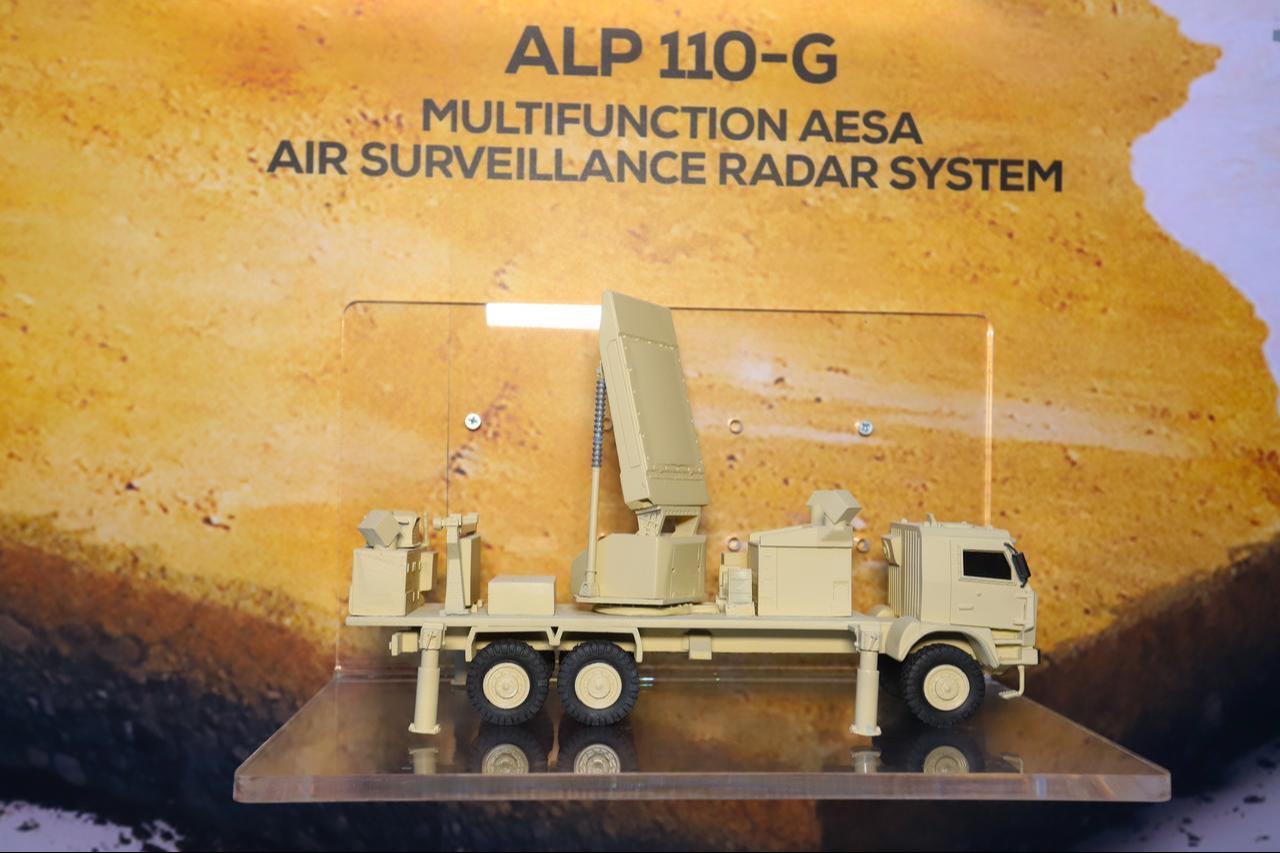
The drone was first detected by a long-range early warning radar at a Turkish Air Forces Radar Position Command as it approached Turkish airspace over the Black Sea via the Kastamonu corridor, according to reports.
Track information was transmitted in real-time to the Air Operations Center at the Combat Air Force Command in Eskisehir. However, the radar picture was far from clear.
"It was entering and exiting Turkish radars, leaving an intermittent trace," Turkish media outlet CNN Turk's Ankara correspondent Dicle Canova reported. "Initially, it created the perception of a meteorological aircraft trace."
The intermittent detection indicated the drone had a very small radar cross-section, with meteorological conditions further complicating tracking. Drones of this size are typically difficult to detect consistently.

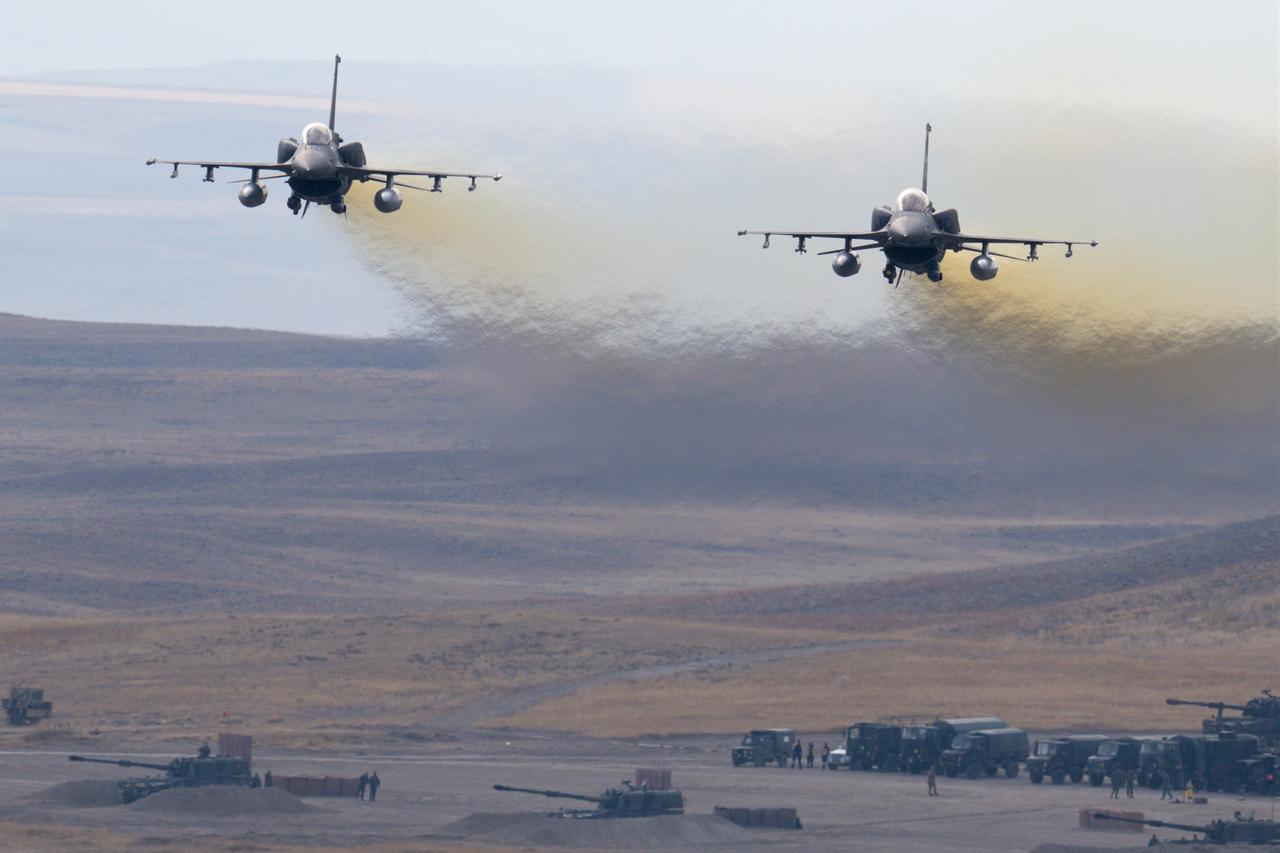
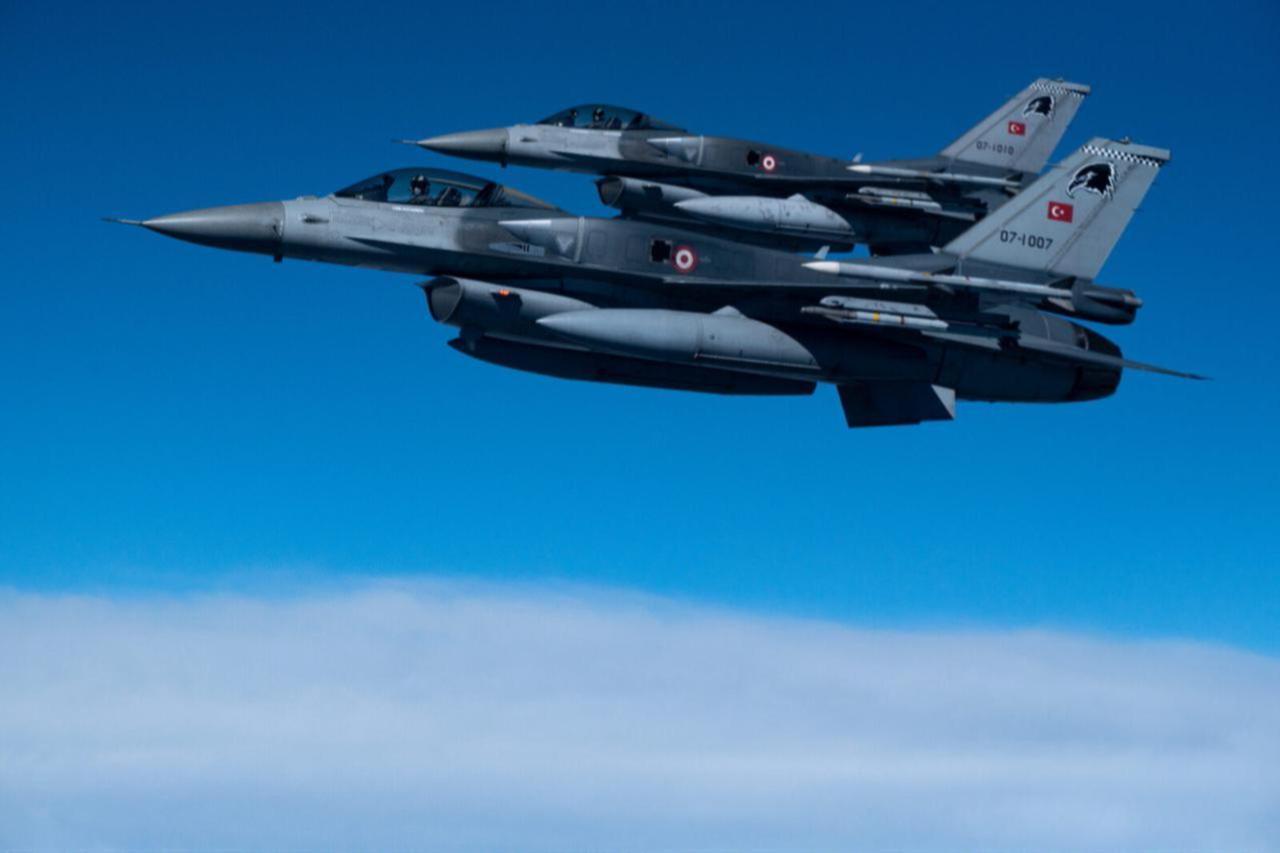
When the unidentified air target continued approaching Turkish airspace, the Air Operations Center in Eskisehir issued a scramble order to Turkish F-16s on Quick Reaction Alert (QRA) duty according to the unconfirmed reports.
The F-16 formation rapidly proceeded toward the target's location. After visual acquisition and a period of tracking, pilots confirmed the contact was an unmanned aerial vehicle that appeared to be flying out of control.
Satellite-linked UAVs that lose their connection typically continue in a straight line without changing course. The target drone exhibited exactly this behavior: traveling in a steady, unchanging trajectory characteristic of a UAV that had lost command and control link.
Rather than immediately engaging, Turkish pilots faced a critical decision: where to shoot down the drone safely.
"The F-16s waited for the UAV to reach a point away from residential areas before engaging," sources who were cited by the Turkish media said. The drone had entered via Kastamonu and was tracked as it proceeded toward the Cankiri-Ankara line, at one point heading toward Ankara's Polatli district.
The wait also served a practical purpose, allowing the F-16s to close distance and achieve optimal firing position on a small, difficult-to-track target.
Once the drone reached an area assessed as safe near Cankiri, between Cankiri city and Ankara's Elmadag district, one of the F-16 pilots fired an AIM-9X Sidewinder Within Visual Range Air-to-Air Missile (WVRAAM).
The AIM-9X, the latest variant of the venerable Sidewinder family, features advanced infrared imaging seeker technology and high off-boresight capability, making it effective against small, low-heat-signature targets like UAVs.
The missile found its mark. The drone was destroyed in what the Turkish Ministry of National Defense described as "a safe area outside residential zones."
During the critical minutes of the engagement, four passenger aircraft approaching Ankara Esenboga Airport were diverted to Konya Airport as a precautionary measure.
This decision reflected the seriousness with which commanders treated the situation, ensuring civilian aviation remained clear of any potential danger zone during the intercept.
The drone broke apart upon impact, scattering debris over a wide area. Search and recovery operations commenced immediately, with gendarmerie teams conducting sweeps at the strike coordinates and in the surrounding terrain.
A delegation from the Air Force Command joined the search effort. As of the latest reports, the wreckage had not been fully recovered.
Once collected, the debris will be examined to determine the drone's manufacturer, the country that operated it, and whether it carried any payload or explosives.
This is not the first time hardware from the Russia-Ukraine war has reached Turkish territory. In 2022, citizens collecting mushrooms in Gumushane's Kurtun district discovered wreckage later identified as a Russian-made Orlan-10 reconnaissance drone.
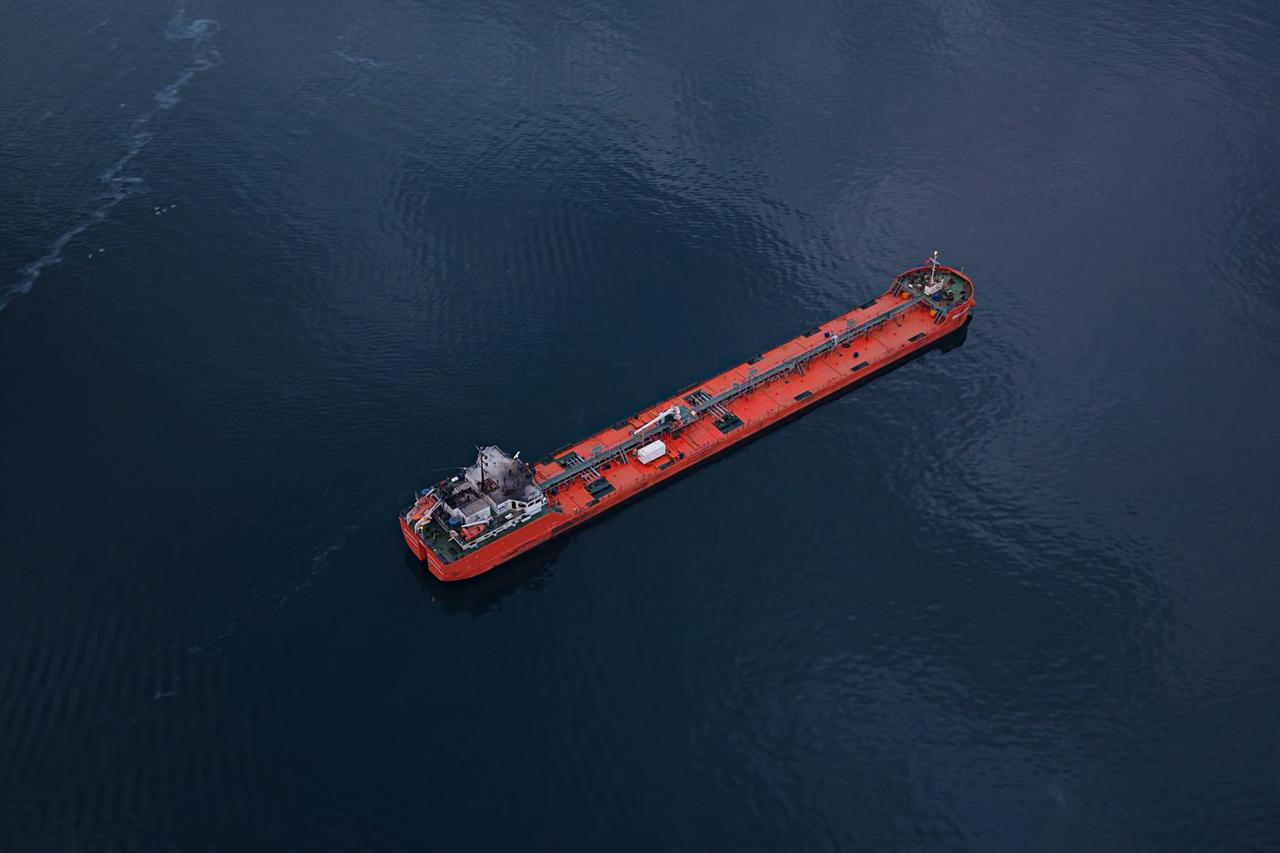
The incident follows a dangerous escalation in Black Sea tensions. On Dec. 12, three Turkish-flagged ships were damaged in attacks on Ukrainian ports — attacks Ukraine attributed to Russian drones, though Moscow denied responsibility.
President Recep Tayyip Erdogan addressed the situation on Dec. 13, warning that "the Black Sea should not be turned into a conflict zone."
"Such a situation would only harm Russia and Ukraine. Navigation safety in the Black Sea is vital for everyone," Erdogan said, one day after meeting Russian President Vladimir Putin in Turkmenistan.


 Set as preferred source
 Set as preferred source


 1 min read

 1 min read