Newsletters


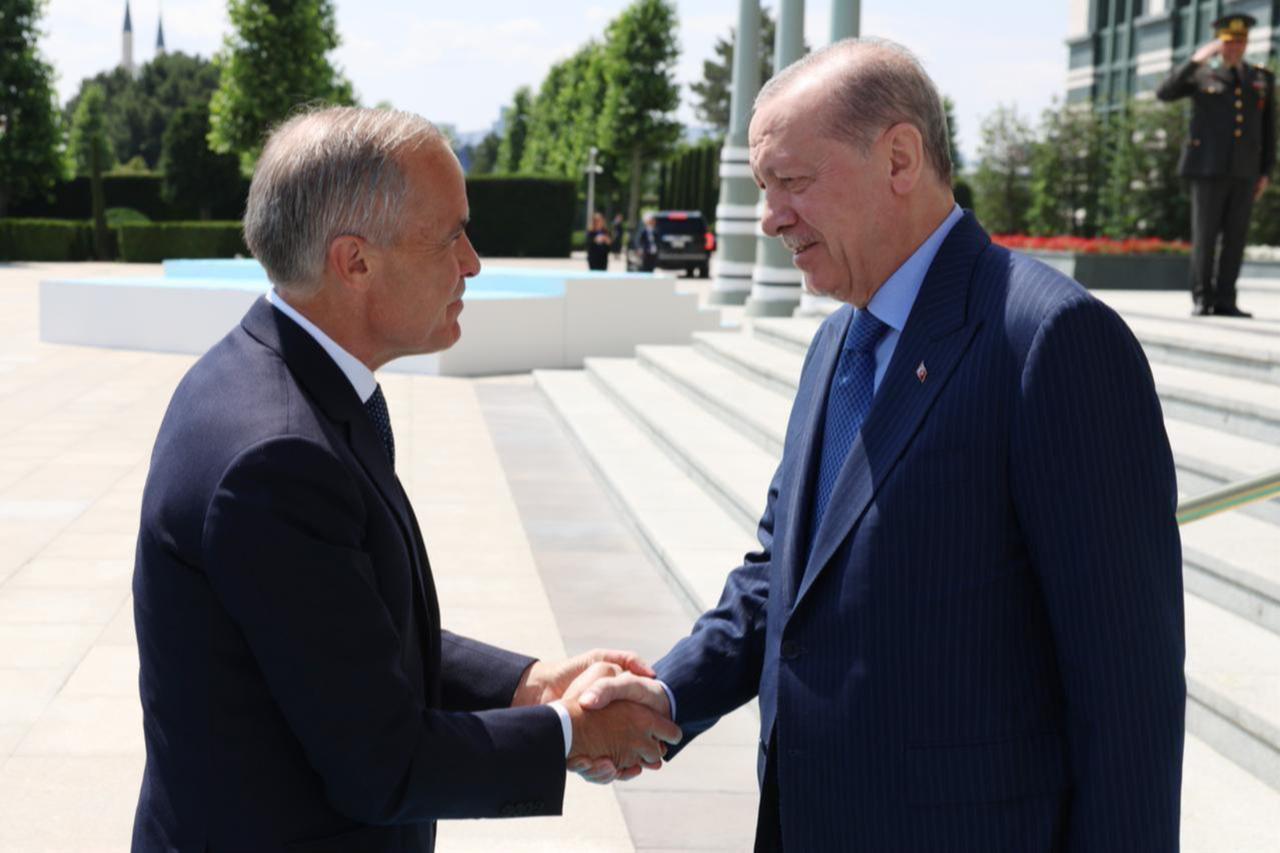


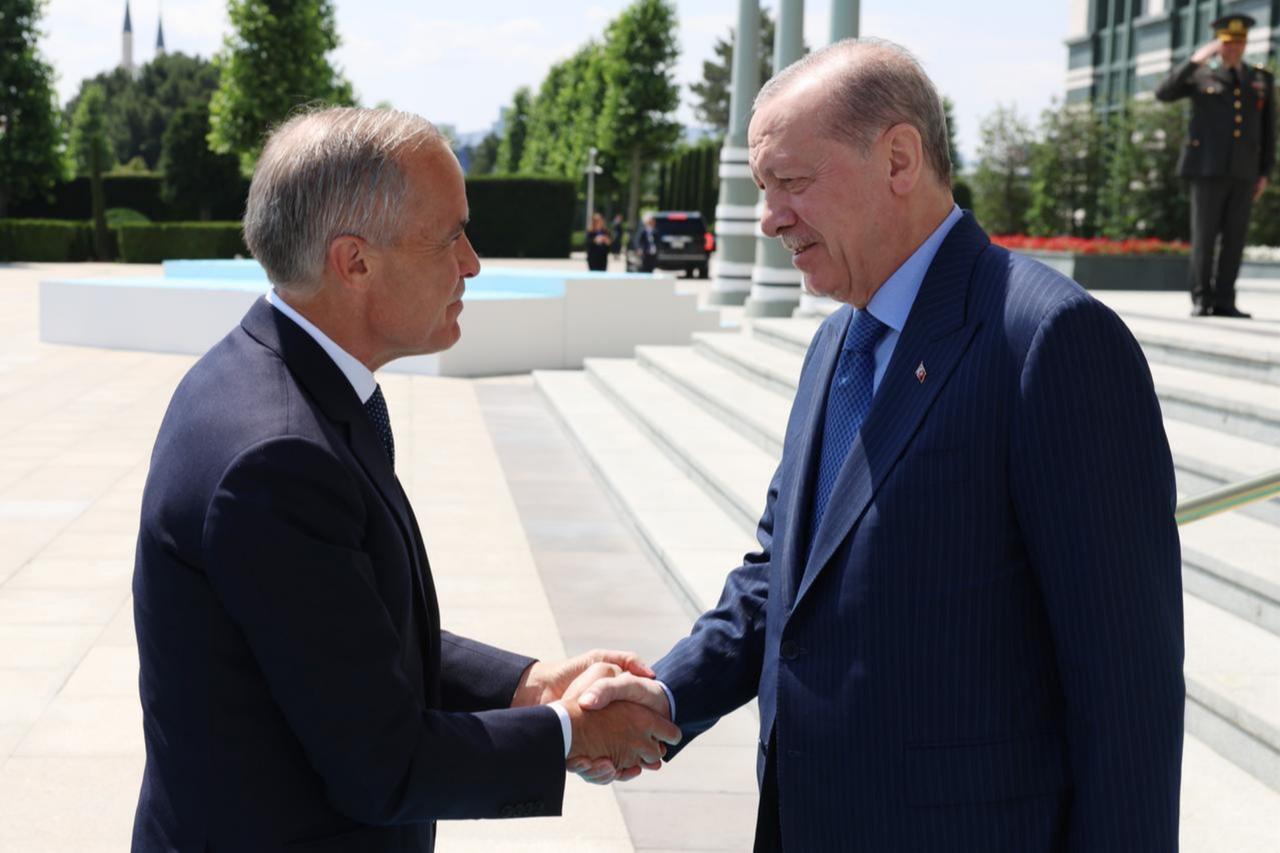
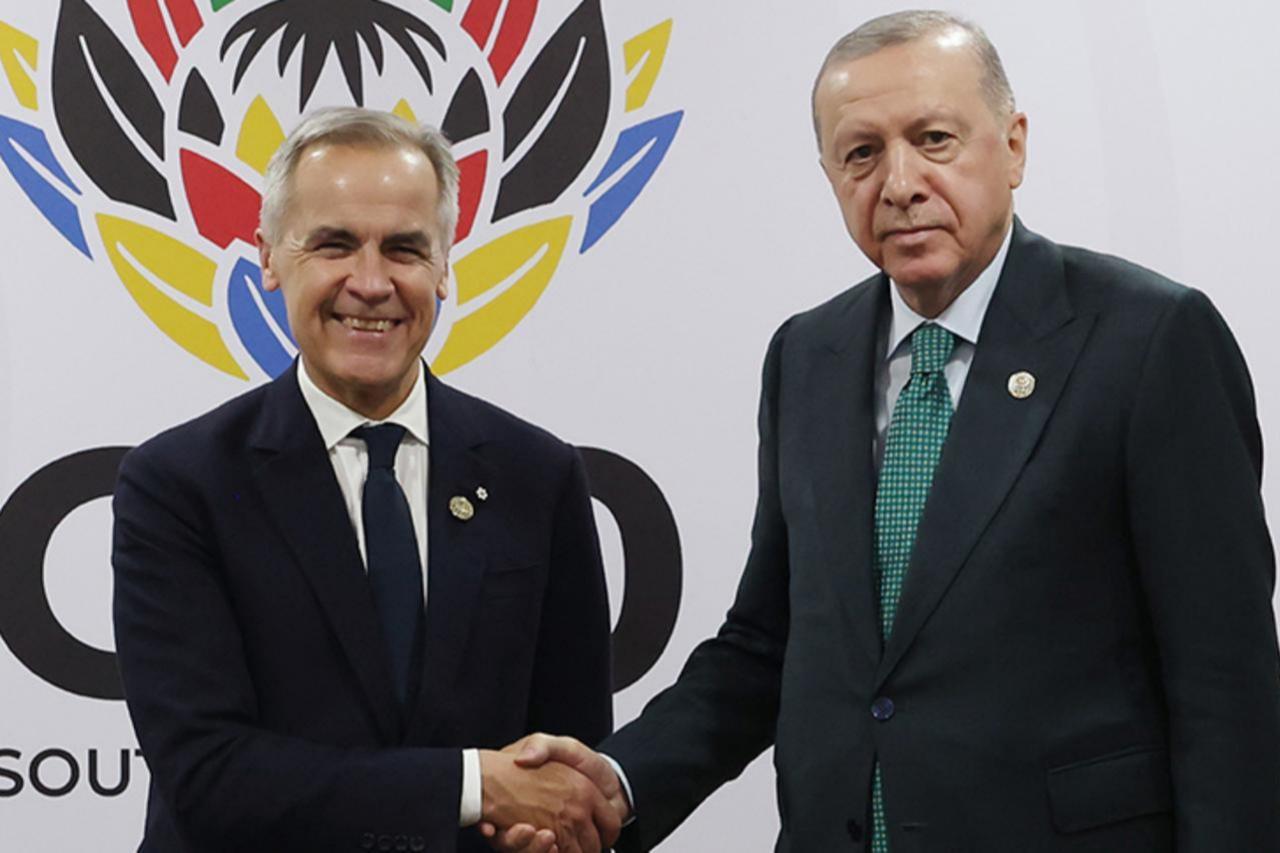
Canada’s ambassador to Türkiye said Prime Minister Mark Carney’s visit this week will mark the start of a new strategic relationship between the two countries, with energy, defense industry cooperation, trade and aviation on the agenda.
Marcel Lebleu, who took up his post in Ankara in September, made the remarks in an interview with Anadolu Agency ahead of Carney’s Oct. 21-23 trip.
“I have to say this is a historic visit,” Lebleu said, noting that it will be the first state visit to Türkiye by a Canadian head of government.
He added that no Turkish president has ever visited Canada either. “I can describe it as the beginning of a new strategic relationship,” he said.
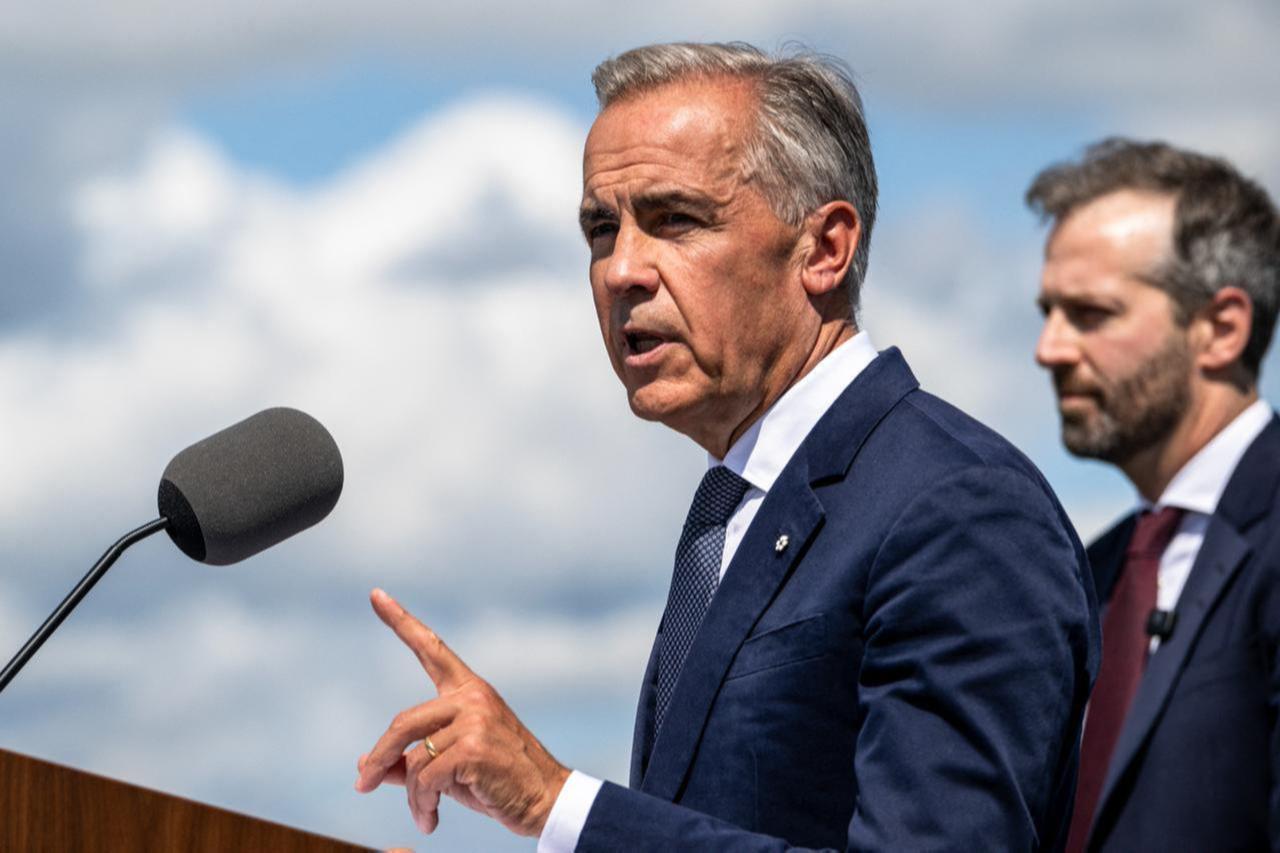

Lebleu said the main goal of the visit is to formally launch a strategic partnership, which will begin with a joint declaration issued by the two leaders.
An action plan covering various areas of cooperation will follow, he said, and energy will be one of them.
The two countries’ energy ministers will issue a joint statement, according to the ambassador.
He said the sides will look at how they can work together on energy supply, which he called a difficult issue for every country, pointing to Canada’s large natural gas resources.
Cooperation on nuclear energy and sustainable mining will also be discussed. “We have a fairly ambitious agenda,” Lebleu said.
Carney will be accompanied by Canadian Foreign Minister Anita Anand and Energy and Natural Resources Minister Tim Hodgson, who will meet their Turkish counterparts.
The chief executive of Export Development Canada, the country’s official export credit agency, will also attend and sign a cooperation agreement with Turk Eximbank.
The deal is meant to help Canadian and Turkish companies work together in regions such as the Middle East and Africa.
Lebleu said he had a productive meeting with President Recep Tayyip Erdogan when he presented his credentials.
He said Canada sees Türkiye as a country with which it can build a strategic partnership, and that more should be invested in the relationship, “not economic investment, but investing more in our relations.”
He said the view matches that of Erdogan and Carney, who have met twice before.
Defense industrial cooperation is the second pillar of the visit, Lebleu said, describing large potential in the sector.
He said he was astonished during a visit to the Turkish defense electronics company ASELSAN, which he said seemed to employ 10,000 engineers.
At drone maker Baykar, he said, the average employee age is 29, which is young by Canadian standards.
He added that an agreement on another area, which he said will probably be the most important pillar, will also be signed, without specifying what it covers.
Another element is the start of negotiations on a Canada-Türkiye free trade agreement, which he said were announced earlier and are scheduled to begin in November.
The two countries will also sign an air transport agreement. Lebleu said weekly flights between them have already been raised to 21.
Flights run from Toronto, Montreal and Vancouver to Istanbul, mostly operated by Turkish Airlines, and Canadian carrier Air Transat will begin flying from Montreal to Istanbul on Oct. 29.
Lebleu said Canada expects a delegation of about 200 people at the 31st United Nations Climate Change Conference, COP31, which Türkiye will host in Antalya in November.
Asked about the Israeli-Palestinian conflict, Lebleu said Israel has a full right to defend itself against terrorism and that Canada condemns Hamas, but that Palestinians must also be recognized.
Canada recognized Palestine as a state in 2025, he said, and continues to back a two-state solution.
He called the United Nations a key platform on the issue and said he met a group of countries at the UN General Assembly last month to discuss it.
Canada announced a new C$100 million aid package for Palestinians in October, he said, and has provided C$500 million in humanitarian assistance through UN agencies since the conflict began.
Lebleu described the humanitarian situation as extremely grave. “People are suffering,” he said.
He noted that the leaders of France, Britain and Canada issued a statement in September saying illegal settlements in occupied Palestinian territories violate international law.
“We are pressing the Israeli government to back down on these issues,” he said. He added that despite differing perspectives, he believes peace is the only way forward.
Lebleu said he previously served as ambassador in Senegal, Colombia and Chile.
Türkiye is the first posting of his career where he does not speak the local language, which he called challenging.
He said he misses the nuances that come with knowing a language.
He speaks French, English and Spanish, and Turkish will be his fourth language.
He took two weeks of Turkish lessons before arriving and ate kunefe with his teacher at a Turkish restaurant in Montreal.
He said he likes drinking lentil soup as the weather cools. His first impression of Ankara is that its buildings look European and somewhat like those he is used to seeing in Canada.
Lebleu said he has observed that Turks are more attached to family than Canadians, and that geography matters to people in Türkiye, who often identify strongly with their home cities.
In Canada, he said, people are far more mobile and move easily from place to place.
Lebleu also noted that four soldiers were killed and many people injured in a fire at the Wainwright military base in Alberta over the weekend. The flag at the ambassador’s residence has been lowered to half-staff, he said.


 Set as preferred source
 Set as preferred source


 1 min read
 1 min read