Newsletters


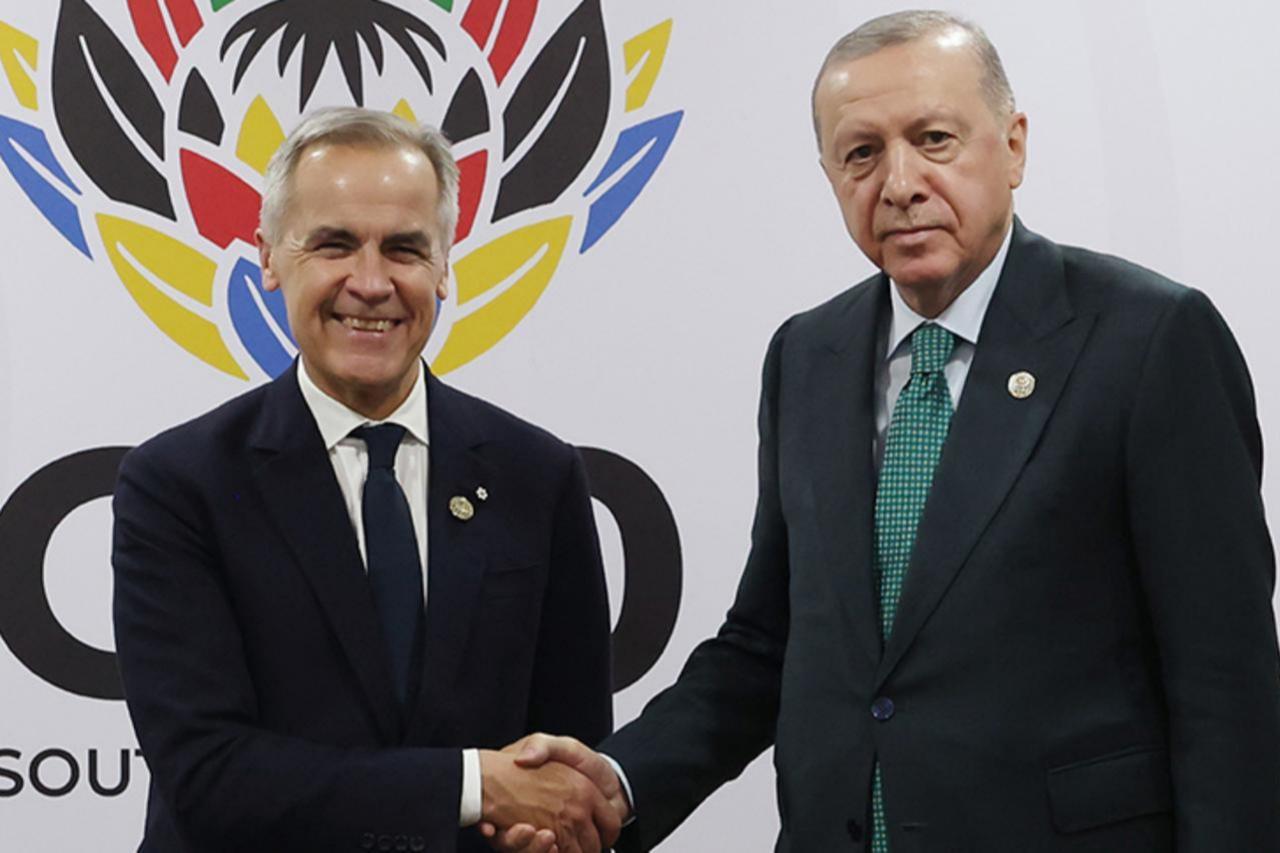


After more than eight decades of diplomatic relations, Türkiye and Canada are preparing for a Canadian prime minister's first dedicated bilateral visit to Türkiye, with trade, energy, and defense cooperation at the center of efforts to deepen the relationship.
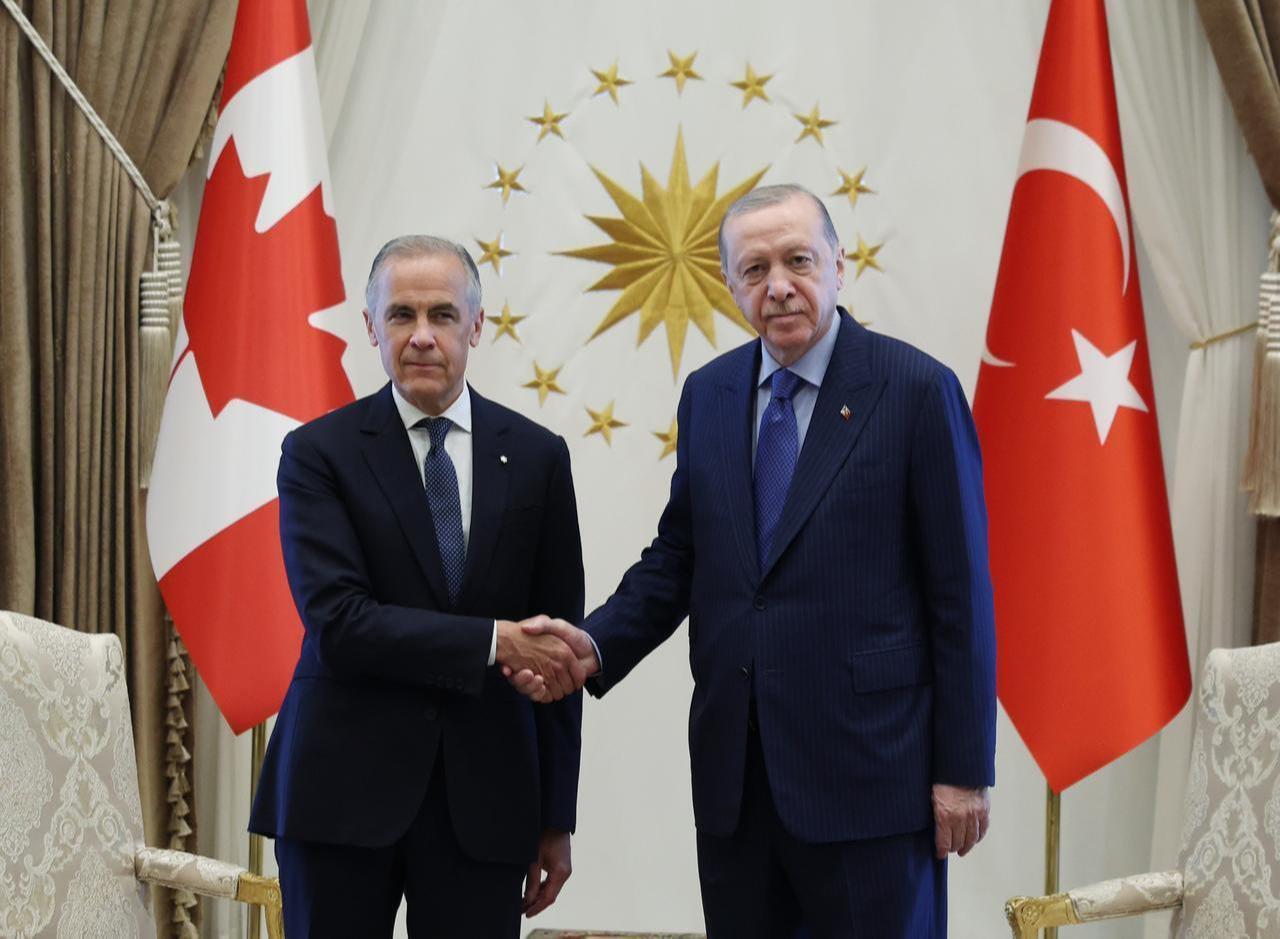
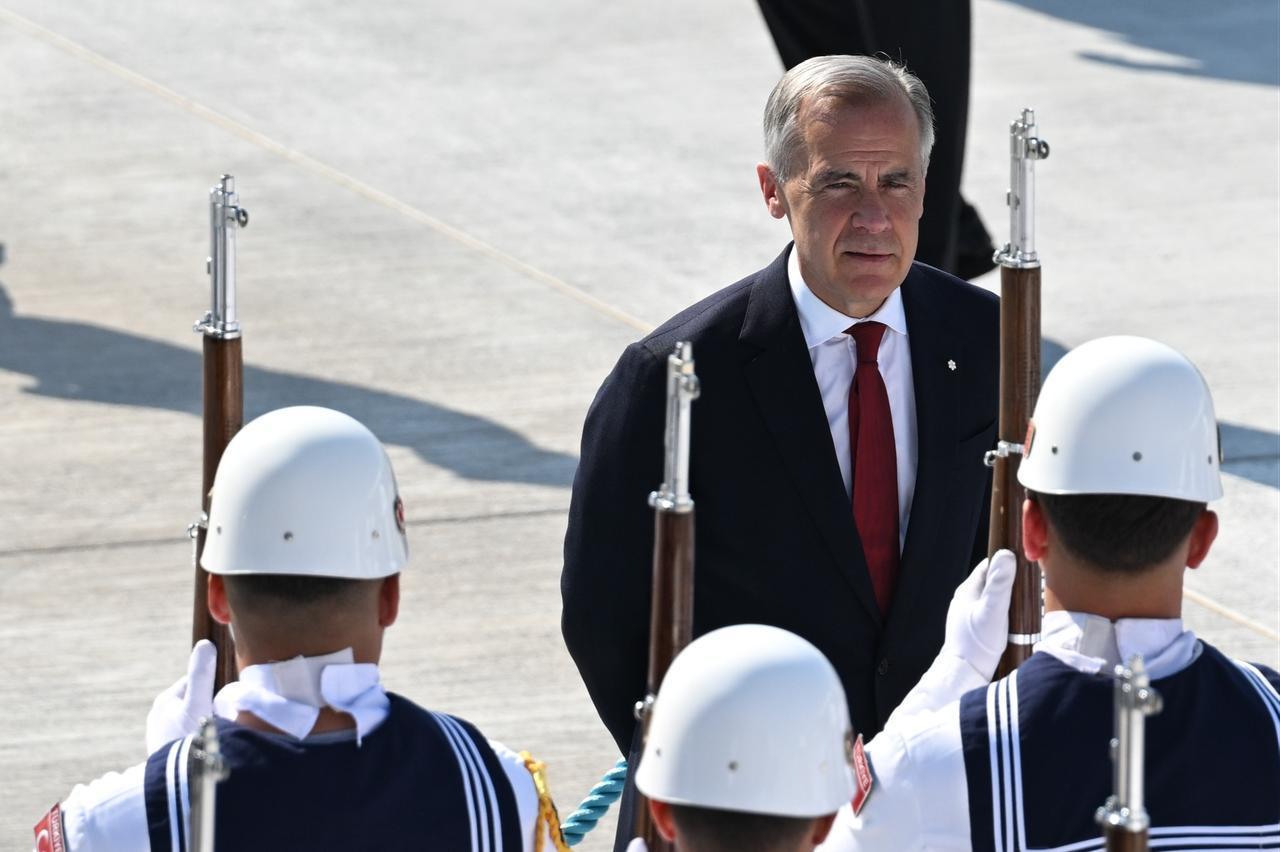
Prime Minister Mark Carney’s planned Oct. 21–24 trip to Ankara and Istanbul follows Turkish Foreign Minister Hakan Fidan’s June visit to Canada and the two leaders’ meeting at the NATO summit in Ankara in July.
Those exchanges have brought free trade negotiations, nuclear energy, and closer defense cooperation into bilateral discussions.
According to the Canadian prime minister’s office, Carney will meet President Recep Tayyip Erdogan in Ankara and hold talks with business leaders and investors in Istanbul.
His earlier July trip was for the NATO summit; the forthcoming visit will focus specifically on bilateral relations.
In formal comments to Türkiye Today on Oct. 13, Charlotte MacLeod, a spokesperson for the Ministry of Foreign Affairs of Canada, outlined Ottawa’s view of the relationship.
“Canada places strong value on its longstanding relationship with Türkiye, which spans more than 80 years and encompasses close political, commercial, strategic, and security cooperation,” she said.
According to the spokesperson, bilateral relations have strengthened significantly in recent years, supported by increased high-level engagement, including ministerial visits and senior official meetings.
“Prime Minister Carney will mark the first bilateral visit to Türkiye by a Canadian Prime Minister to strengthen Canada-Türkiye partnership on shared security and create new economic opportunities for workers and businesses in both countries.”
The preparations build on exchanges between Fidan and Canadian Foreign Minister Anita Anand.
“Minister Anand also recently visited Türkiye where she advanced bilateral relations, explored new opportunities for collaboration on shared priorities, and discussed the latest developments in the Middle East and their related impacts,” MacLeod said. Anand visited Türkiye in March and returned to Ankara for the NATO summit in July.
Speaking to Türkiye Today on the sidelines of the Arctic Circle Assembly in Reykjavik, Iceland, Anand emphasized the importance of the planned talks.
“It's a very important high-level meeting. I will be on the ground too. We are still working on the agenda,” Anand said.
Her remarks indicated that preparations were continuing at the time of the exchange, with both the prime minister and foreign minister expected to take part in the visit.

Defense cooperation is a prominent element of Ottawa’s approach to the relationship.
“Canada recognizes Türkiye as a vital NATO ally, given its strategic geographic position and its important role in Black Sea, Middle East, and broader alliance security dynamics,” MacLeod said.
“Canada and Türkiye cooperate on defense primarily through NATO and multilateral fora, reflecting their shared alliance commitments.”
Industrial cooperation is also part of the discussion.
“Türkiye has identified closer industry engagement with Canadian defence and technology firms as a priority, and Canada welcomes such cooperation in line with its legal and policy frameworks,” she said.
The rapprochement comes against a background of historical disagreements and past defense restrictions. Canada’s House of Commons adopted a resolution recognizing the 1915 events as genocide in April 2004, following a Senate resolution in 2002, and the Canadian government followed with recognition in 2006, a characterization Türkiye rejects.
Separately, Canada stopped issuing new military export permits for Türkiye in October 2019, after Türkiye’s counterterrorism military operation in northeastern Syria, and in April 2020 adopted a policy of presumptive denial for military export applications to Türkiye.
In October 2020, it suspended relevant existing permits amid concerns about Canadian sensors on Turkish-built drones used in the Karabakh war. In January 2024, Ottawa lifted the presumptive-denial policy, restoring case-by-case assessments subject to export controls and end-use requirements.
At the July NATO Ankara Summit, Defense Minister David McGuinty and his Turkish counterpart, Yasar Guler, signed a statement of intent covering military dialogue, operational support and the potential development of a defense industrial cooperation agreement.
“Canada views Türkiye as an important and growing export market, including in clean and conventional energy, mining, aerospace, and defence,” MacLeod said.
Two-way merchandise trade reached CA$4.3 billion ($845 billion) in 2025, comprising CA$1.1 billion in Canadian exports and CA$3.2 billion in imports from Türkiye, according to Canadian figures. Carney and Erdogan launched negotiations toward a comprehensive free trade agreement at the July summit, according to the Canadian prime minister’s office.
Nuclear energy offers another avenue for cooperation. During his June visit, Fidan toured the Darlington Nuclear Generating Station with Anand and highlighted Türkiye’s interest in Canadian nuclear expertise, including conventional reactors and small modular reactors.
The combination of trade negotiations, energy discussions and defence contacts gives the leaders several areas in which to advance the relationship during the visit.
The Oct. 13 response outlined Ottawa’s priorities without confirming prospective Turkish defence purchases, additional guarantees for a lasting defence partnership, free trade milestones or a nuclear agreement.
Questions about Türkiye’s place in Canada’s trade diversification strategy and its participation in the proposed Defence, Security and Resilience Bank also remained unanswered.
According to sources in Ankara, Türkiye’s participation has encountered difficulties in interagency coordination, requiring agreement among the Treasury and Finance, Foreign Affairs and National Defence ministries, alongside other relevant institutions. Turkish authorities have yet to publicly clarify the status of that process, while the Canadian side offered no comment on the issue in its response.
Türkiye is currently seeking observer status in the Arctic Council and has research ambitions in the Arctic which will pave the way for building science diplomacy.
On the other hand, on the sidelines of Arctic Circle Assembly in Reykjavik, Turkish officials including Deputy Minister of Industry and Technology and the Head of Polar Research Institute operating under the ministry have actively proposed the Secretariat hosting the 2027 Arctic Circle Forum in Türkiye.
Ottawa offered no position in that response on Türkiye’s Arctic research ambitions, Arctic Council observer bid or proposal to host an Arctic Circle Forum in 2027. It likewise left unanswered questions about differences over the characterization of the 1915 events and expectations for COP31, which Türkiye will host in Antalya on Nov. 9–20.
Carney’s visit will provide an opportunity to establish how the two governments intend to turn their stated interest in closer relations into practical cooperation.


 Set as preferred source
 Set as preferred source


 3 min read