Newsletters


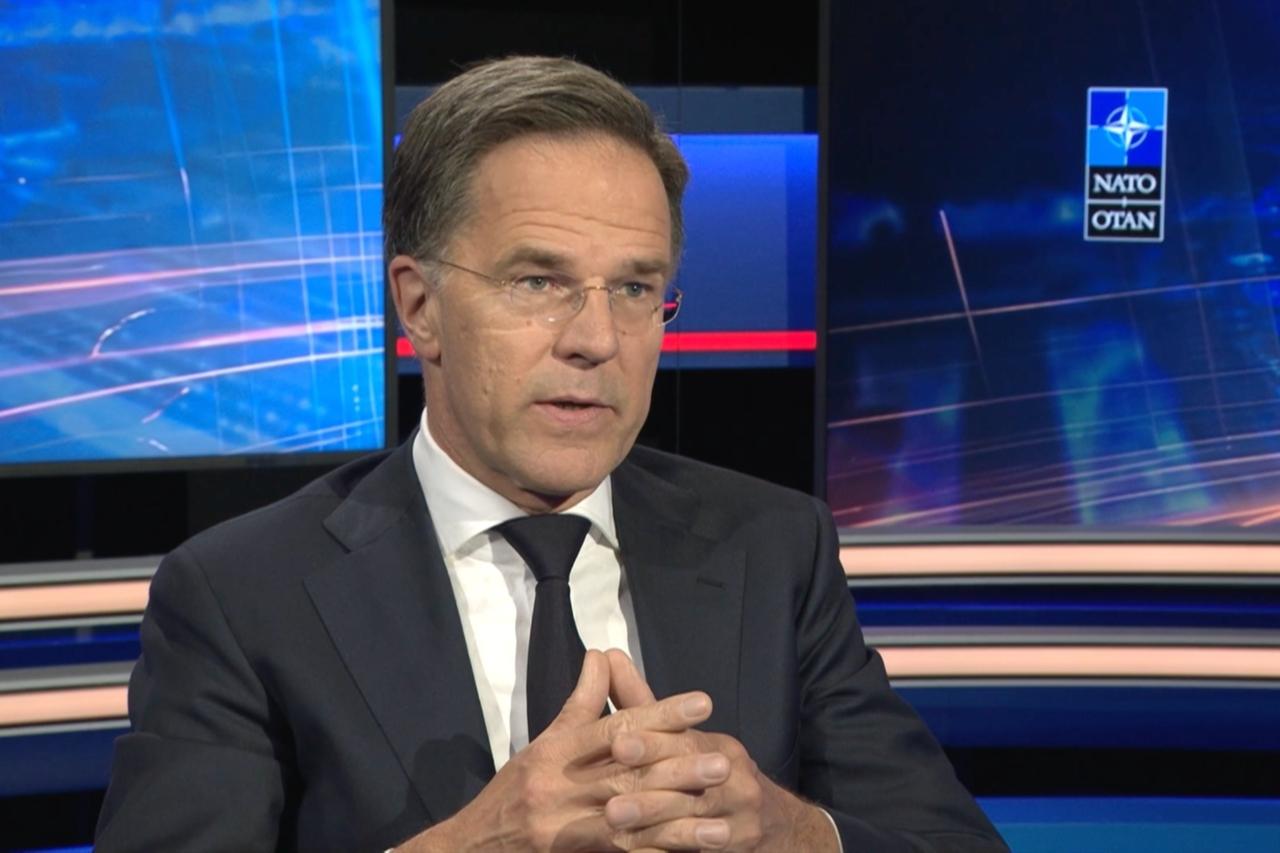


NATO Secretary-General Mark Rutte said next week's NATO summit in Ankara should be a "summit of delivery and implementation." Speaking to Anadolu Agency, he said that allies are expected to focus on defense spending, support for Ukraine, and increased defense industrial production during the moot.
Rutte said the summit should focus on following through on commitments made at last year's summit in The Hague, particularly on increasing defense spending.
He said defense spending by European allies and Canada has risen significantly, with nearly $250 billion in additional spending committed over the past two years.
Rutte said NATO must also maintain support for Ukraine while accelerating defense industrial production across the alliance.
"We need to really ramp up the defense industrial production, because it is an integral part of our deterrence," he said, stressing the need to "build this NATO 3.0, a stronger Europe and a stronger NATO."
Rutte said production timelines remain too long and that, despite improvements, output is still insufficient.
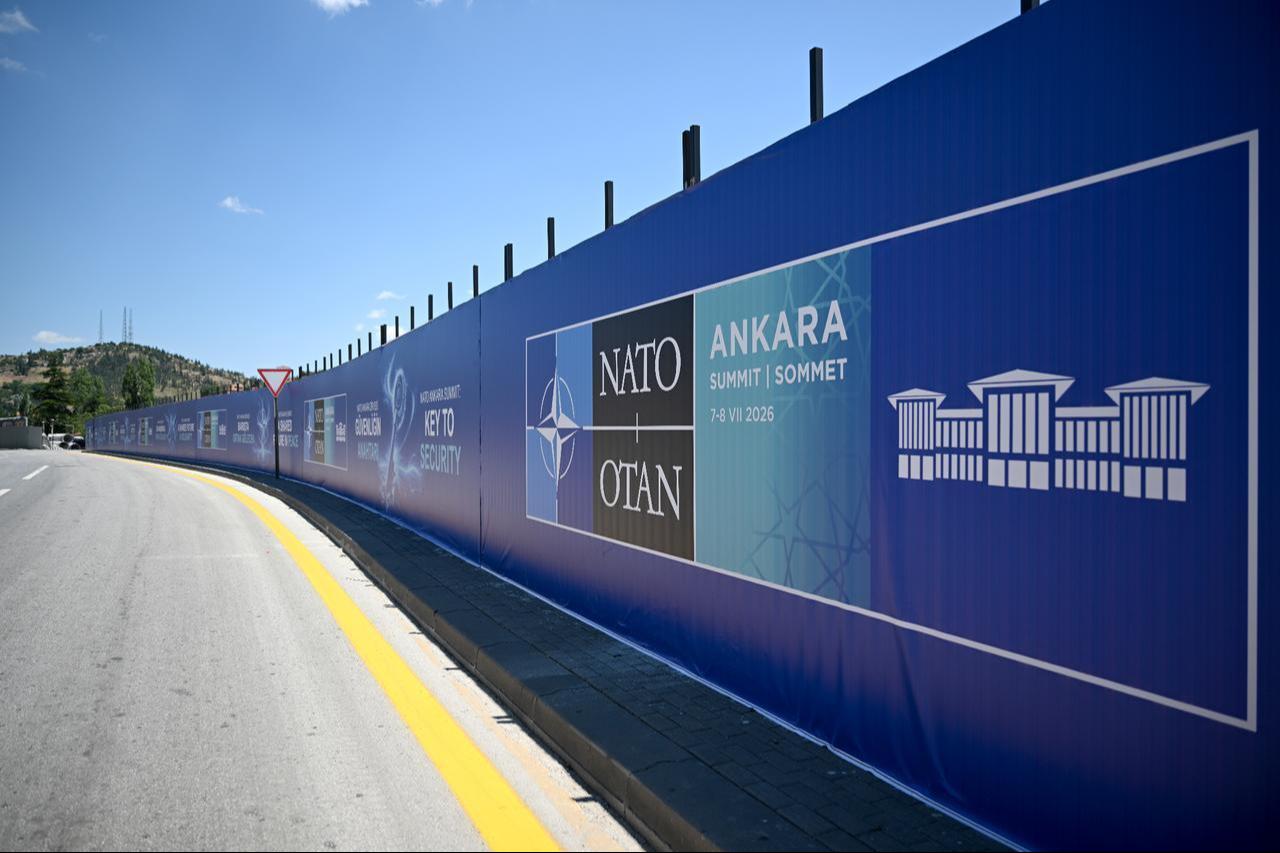
The Ankara summit, scheduled for July 7-8, will bring together heads of state and government from NATO member states. It will be the 36th summit of the alliance and the second hosted by Türkiye, after the 2004 summit in Istanbul.

Rutte said rising defense budgets also bring challenges for allies in expanding military personnel and increasing defense industry output to meet growing security needs.
He highlighted Türkiye's role, saying the country has become a major defense industry hub with around 3,000 defense companies.
"Türkiye is an important country here," Rutte said, citing its expanding defense industrial base and growing technological capabilities.
He said progress has been made across NATO's three main priorities, but suggested one issue could become the dominant focus during the Ankara summit.
"Things generally are getting better, but I think from these three priorities, that one might emerge as the biggest," he said.
Rutte noted that the issue is expected to be a major focus at the NATO Defense Industry Forum on the summit's opening day. He described Türkiye as one of the alliance's key military powers and a vital contributor to NATO's defense capabilities.
"Türkiye is extremely important to NATO," he said, noting that the country has been part of the alliance since 1952 and has played a central role for decades. "You are one of the strongest militaries in the alliance ... extremely well-equipped, extremely well-trained," he added.
Rutte also pointed to Türkiye's defense industry as a major asset for the alliance, citing its roughly 3,000 defense companies, ranging from large firms to smaller, innovation-driven enterprises. He emphasized that Türkiye's defense sector has shown a strong capacity for adapting emerging technologies and incorporating battlefield lessons, including those from the war in Ukraine.
According to Rutte, this was a primary reason NATO chose Ankara to host the defense industry forum ahead of the summit.
"We were absolutely adamant about organizing this defense industrial forum in Ankara," he said, adding that Türkiye was a natural choice to showcase both its own defense sector and NATO's broader industrial base.
He also praised the Turkish defense firm ASELSAN and the country's broader defense ecosystem, highlighting its growing defense-industrial cooperation with Europe and the United States. Rutte concluded that Türkiye's defense sector has built strong partnerships across allied countries through mutual investments and industrial collaboration, calling such cooperation essential to strengthening NATO's collective deterrence.
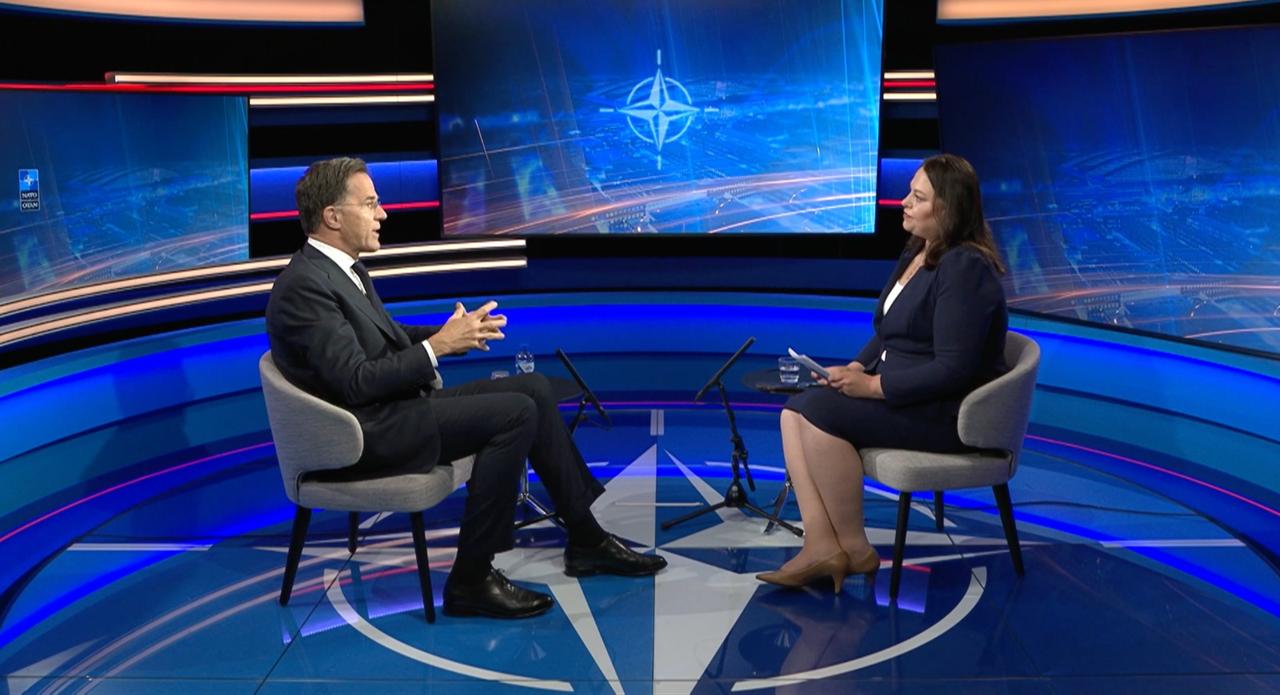
Rutte described NATO's future transformation as "NATO 3.0," a concept centered on greater European responsibility within the alliance while preserving strong transatlantic ties.
"NATO 3.0 is different from NATO 2.0, where we were overly dependent on the U.S.," he said.
"The U.S. will still be involved in Europe, conventional, and of course through the nuclear, but you will see a stronger European-led NATO," he added.
Rutte said this would include greater European leadership in NATO command structures and stronger financial support from European allies and Canada for Ukraine.
Asked about the alliance's biggest long-term threat, Rutte identified Russia as NATO's primary security challenge.
"Russia is the main threat now and in the longer term," he said, pointing to the Russia-Ukraine war and Moscow's military buildup.
"We see this crazy war of aggression against Ukraine, where Putin is willing to sacrifice 35,000 of his own, his own men, primarily men in Russia fighting there, being killed or seriously wounded by Ukraine," he added.
Rutte said NATO's security challenges extend beyond Russia alone, pointing to growing strategic cooperation between Moscow and other countries.
"So I would say Russia, but Russia is working together with North Korea, with Iran, with China," he said.
He also warned against underestimating China's military rise.
"China is having a massive buildup of its own military and will have 1,000 nuclear warheads by 2030. So let's not be naive about China," he said.
Rutte said the growing alignment among Russia, North Korea, Iran and China represents one of NATO's main long-term security concerns.
"And again, in this foursome, working together with Iran and North Korea, it's what Russia has to make, is the main long-term threat we face," he added.
Commenting on recent European defense initiatives, Rutte welcomed the European Union's growing role in strengthening defense capabilities, while stressing that NATO's long-term security architecture must remain inclusive and transatlantic.
He praised European Commission President Ursula von der Leyen and Defense and Space European Commissioner Andrius Kubilius for their leadership on European defense.
Rutte said the EU can play an important role in boosting defense industrial capacity, resilience and funding.
At the same time, he emphasized that Europe's security cannot be viewed only through the EU, pointing to NATO allies outside the bloc, including Türkiye, Norway, Iceland and the United Kingdom.
"What we are constantly stressing as NATO is the inclusiveness," he said.
Rutte said the alliance's future security framework should remain broad and transatlantic, stretching "from California up to and including Ankara."
He said discussions on Europe's defense future are continuing, but stressed that allies broadly agree on the need for cooperation.
"We all agree that we are stronger when we are as inclusive as possible," he said.
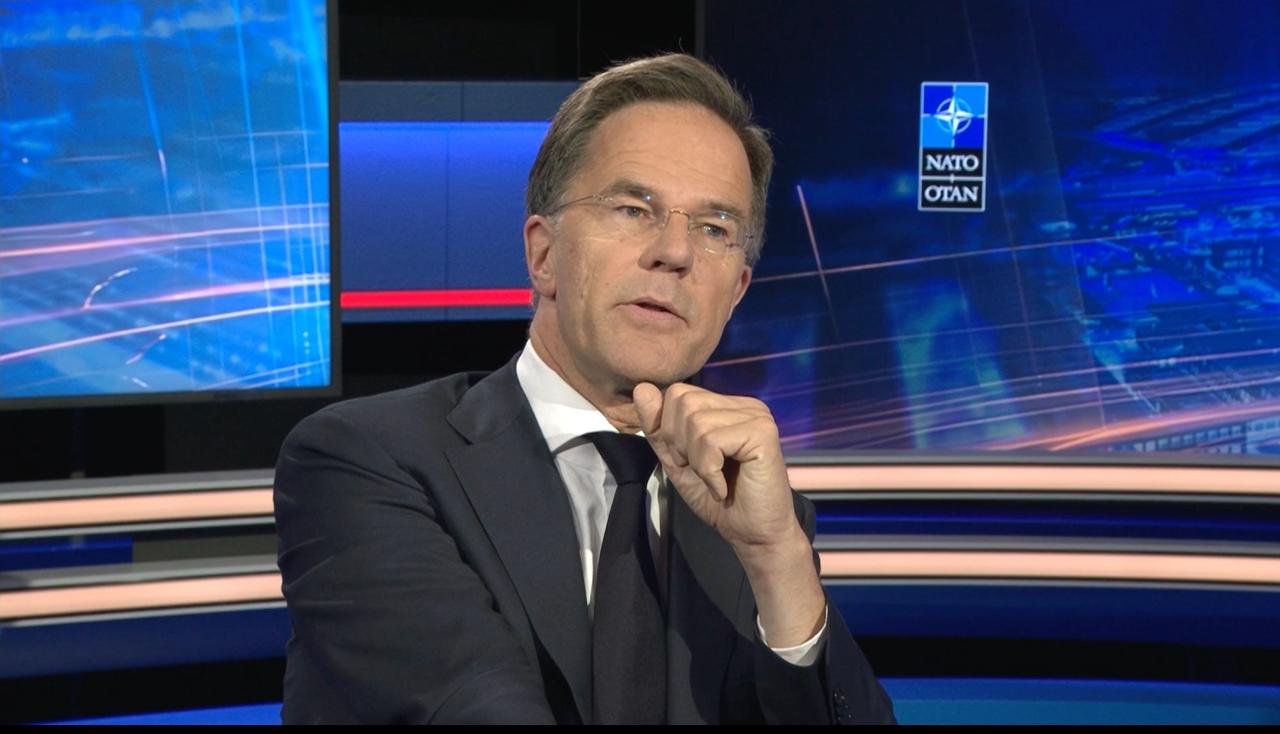
Asked about European initiatives to strengthen nuclear deterrence, Rutte said NATO's existing nuclear architecture remains strong and continues to provide credible protection for the alliance.
He said the alliance's deterrence framework is primarily built around the nuclear capabilities of the United States and the United Kingdom within NATO, alongside France's independent nuclear capability.
Rutte said France, while outside NATO's nuclear planning group, remains a vital part of the alliance's overall deterrence posture.
"The French even having extended that capability and said, hey, we want to make more use of it closely, coordinating with us, closely coordinating with European allies," he said.
He welcomed France's growing coordination with European allies, saying it adds further strategic pressure on Russia.
Rutte said NATO's combined nuclear capabilities, particularly under the U.S. security umbrella, continue to provide strong protection for allied nations.
"I think when it comes to nuclear, we are absolutely well protected," he said.


 Set as preferred source
 Set as preferred source


 2 min read
 1 min read