Newsletters




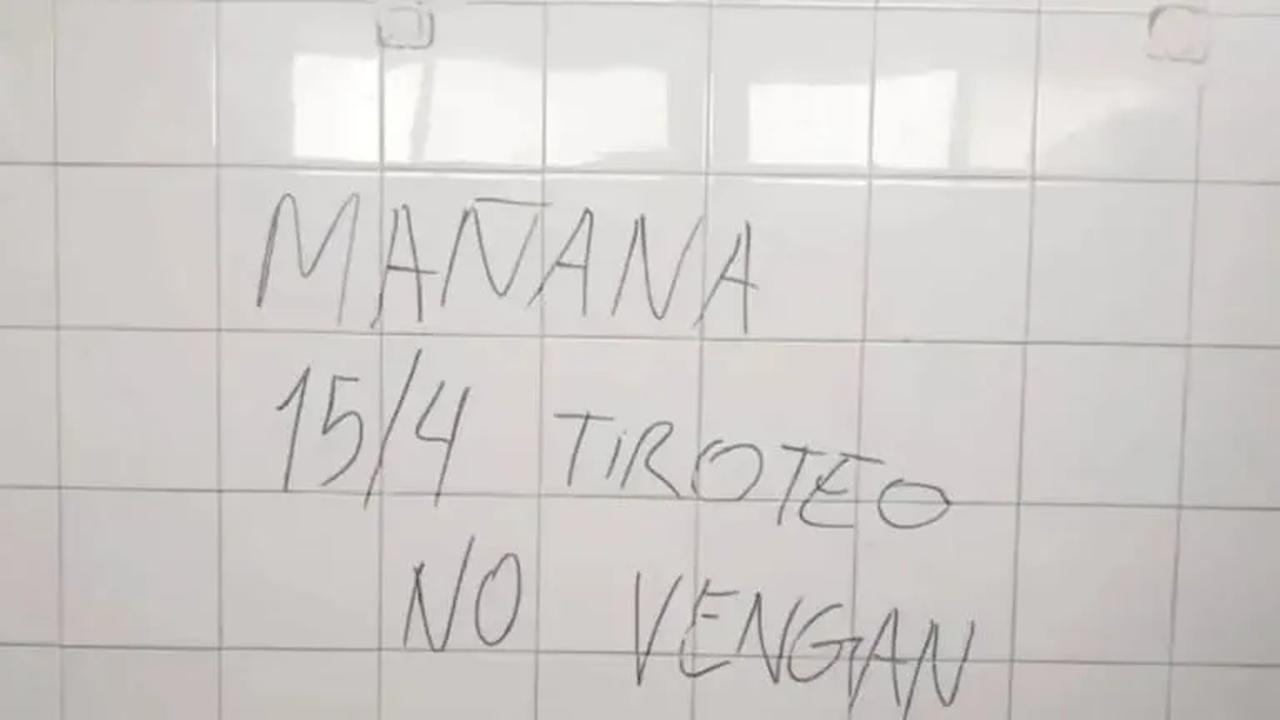
"Thursday, shooting, don't come." This blunt, chilling warning was spray-painted across a school wall in northern Chile, a scene that has become disturbingly common across Latin America. Over the last two weeks, nearly identical graffiti has surfaced from the Atacama Desert to the bustling streets of Buenos Aires, Cordoba, and Mendoza.
On April 15, the same day these warnings escalated into security alerts across more than 10 schools in Argentina, the pattern took a far more serious turn in Türkiye.
The 14-year-old student’s attack in Kahramanmaras, which claimed the lives of a teacher and eight classmates, shifted the phenomenon from a series of threats into a confirmed case of mass violence.
This tragedy, combined with the overlap in timing and messaging, has focused attention on a shared digital environment linking the incidents, especially after an alleged virtual associate of the shooter was traced to Argentina.
What began as a wave of online threats circulating among students in Latin America now appears, in at least one case, to have coincided with and potentially influenced a real-world attack beyond the region.

In Argentina, authorities have been responding to a surge in school shooting threats that appear to have spread primarily through TikTok. Messages warning of imminent attacks, often specifying dates such as April 15, circulated widely among students, prompting concern that the phenomenon had evolved into a viral challenge.
According to Bullying Without Borders, the country is facing a dangerous wave of such content. The messages typically follow a consistent format, warning of a shooting the next day and urging others not to attend school, creating both panic and disruption.
These threats were not confined to online spaces. Investigators reported that similar warnings appeared as graffiti and printed messages at 12 educational institutions across five provinces.
Turkish media reported that the shooter's online partner, nicknamed as Victor, shared a photo of the killer, Aras Mersinli, along with the caption “Argentina is everywhere.”
However, the situation in Argentina was marked by heightened vigilance; authorities treated every red flag with the utmost gravity, spurred by the memory of a recent school shooting that claimed the life of one student on the last day of March, 2026.
The student who killed one teenager and injured eight others was involved in 'True Crime Community', a global network that has been blamed for numerous attacks, according to the investigation.
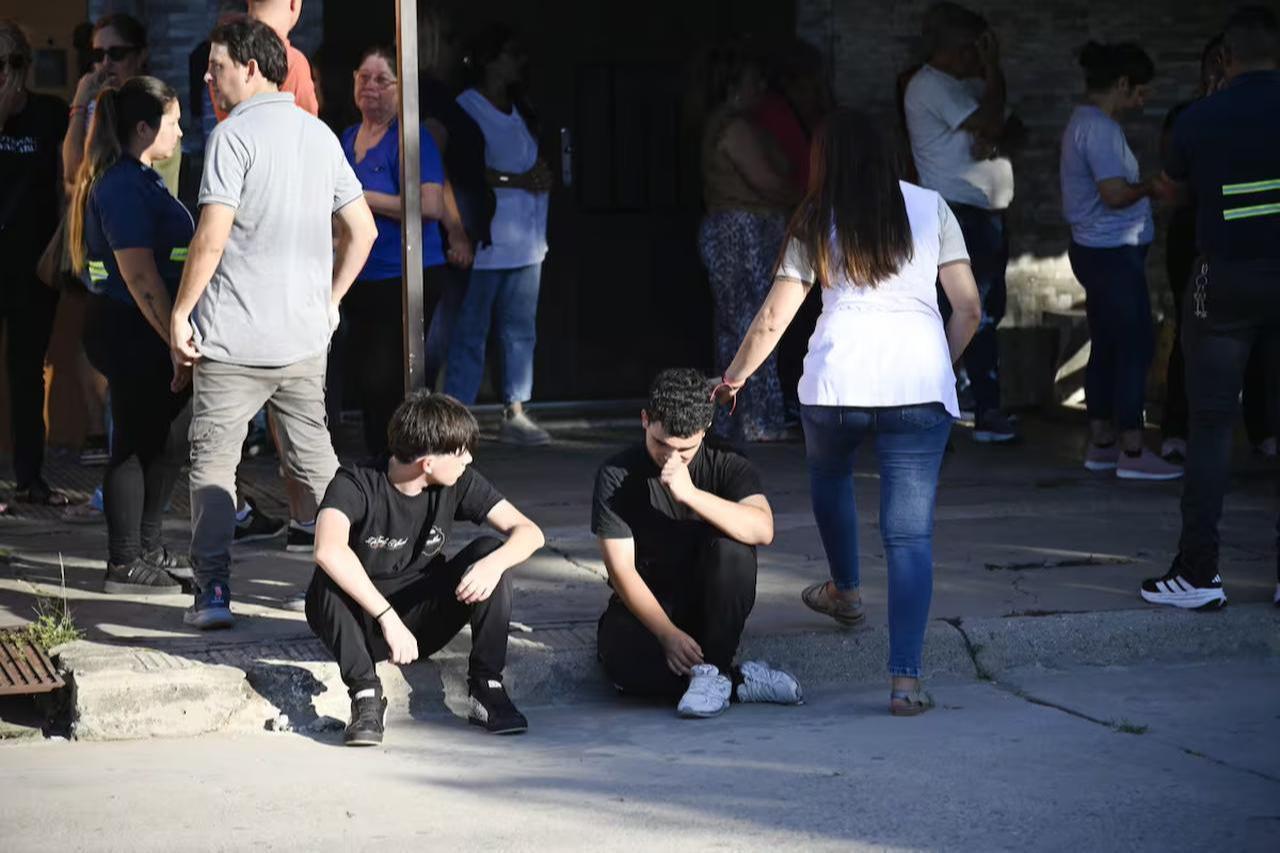
The phenomenon has not been limited to Argentina. In Chile, a 16-year-old student was charged with public disorder after similar threats appeared at a school in the Antofagasta region. Comparable warnings have been documented across several regions.
The scale of the warnings has led to significant preventive action. Schools in both Chile and Argentina have suspended classes, activated security protocols, and coordinated with law enforcement to assess potential risks. In Santiago alone, seven cases were reported within a single week.
Authorities are still working to determine the root cause of the trend. While many of the threats have not resulted in actual violence, their frequency and consistency have created a climate of uncertainty, forcing institutions to treat each case as potentially credible.
Turkish investigators examining the Kahramanmaraş shooting have identified potential links between the attacker and the online environment in which these threats circulated. The 14-year-old suspect was found to have maintained close virtual connections with individuals from Argentina.
These findings suggest that the digital networks through which the threats spread may have extended beyond national boundaries. The same online spaces where warnings and challenges circulated among Latin American students may also have reached individuals in Türkiye.
The timing further underscores this connection. The attack occurred on April 15, the same date referenced in many of the threats circulating in Argentina, and the same day multiple Argentine schools activated emergency protocols.
According to reports shared on social media, the killer informed his friends in Argentina before carrying out the attack.
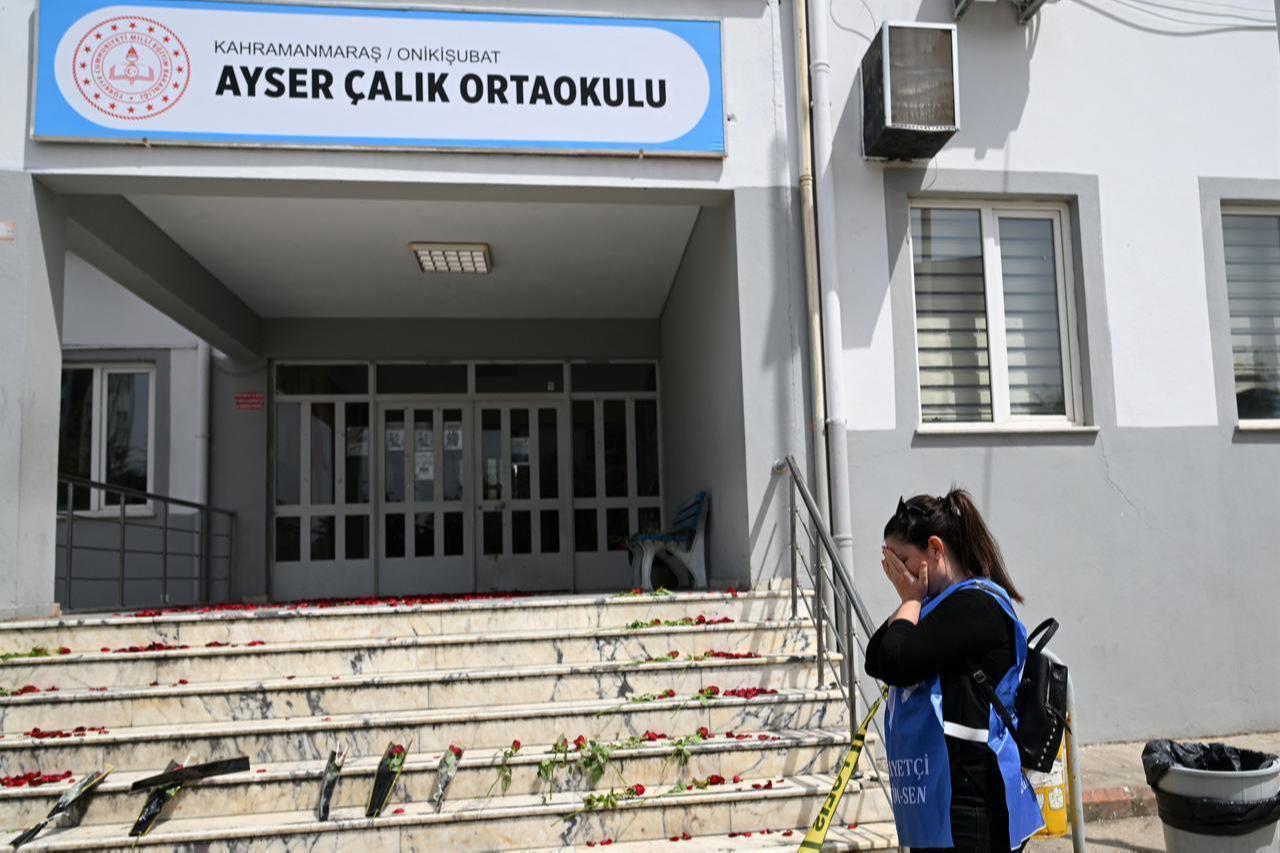
Prosecutors in Türkiye uncovered a document dated April 11 on the suspect’s computer indicating plans for a “major action in the near term.” The document suggests that the attack had been prepared in advance rather than carried out spontaneously.
Investigators also found that the suspect had used an image referencing Elliot Rodger, the 2014 Isla Vista perpetrator who became a foundational figure within online mass-shooter glorification subcultures, as his WhatsApp profile picture. This detail has been included in the case file as part of the effort to understand the influences shaping the attacker’s actions.
These elements—online associations, symbolic references, and documented planning—form the basis of the ongoing investigation. Authorities are examining how exposure to online content may have intersected with the suspect’s actions in the days leading up to the attack.
The investigation has also focused on how the suspect obtained familiarity with firearms. The attacker’s father, a first-class police commissioner and chief inspector, was detained after stating that he had taken his son to a police firing range two days before the incident.
This detail has raised questions about supervision and access, particularly given the proximity between the firing range visit and the attack. Authorities are assessing whether this experience played a role in enabling the suspect to carry out the shooting.
The case remains under investigation as prosecutors continue to examine both the digital and domestic factors involved. The combination of online exposure, prior planning, and access to firearms forms the central framework through which authorities are analyzing the incident.


 Set as preferred source
 Set as preferred source


 2 min read

 1 min read