Newsletters





On the morning of April 20, 1999, the students of Columbine High School began what seemed like an ordinary school day.
Only a few hours after classes started, two students from the same school, Eric Harris and Dylan Klebold, launched an attack using multiple firearms and improvised explosives. The massacre lasted nearly an hour, ending only after both attackers died by suicide as police intervened.
Sixteen people were killed and 23 others were injured. The incident would become known to the world as the Columbine High School massacre.
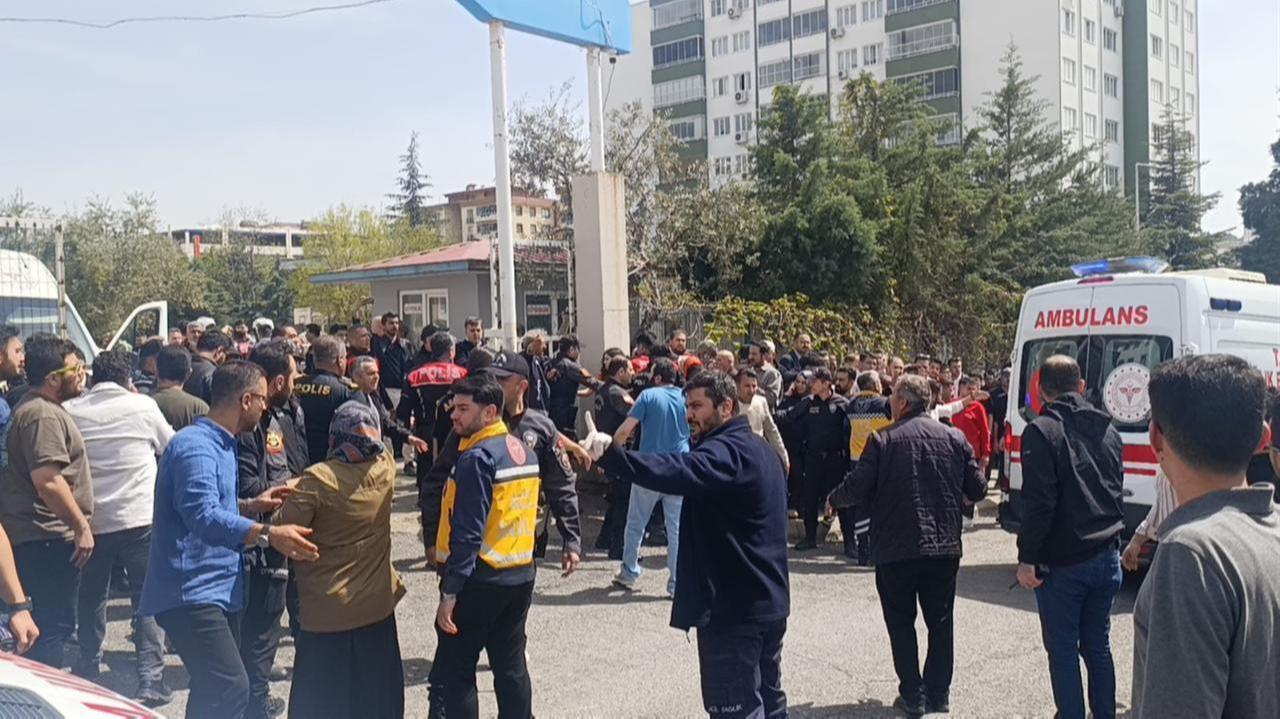
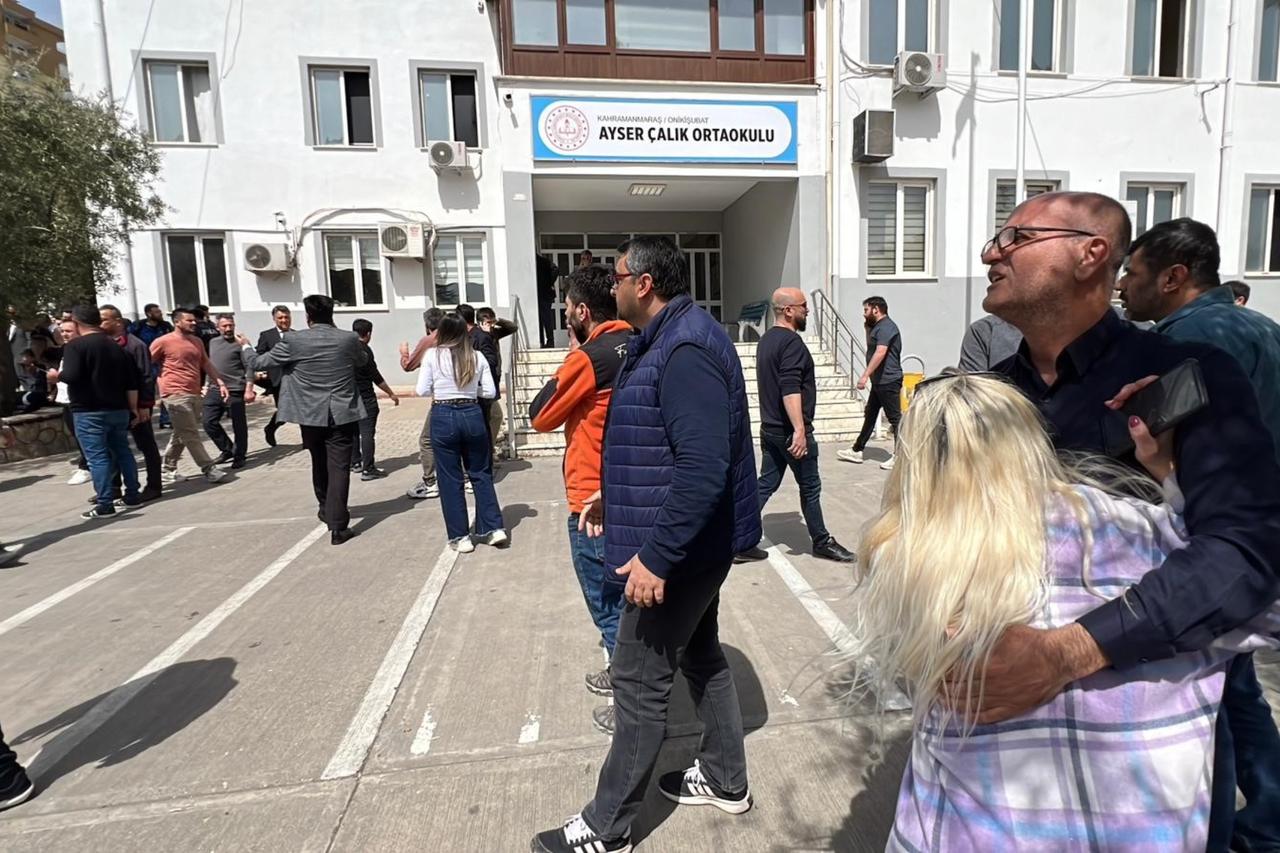
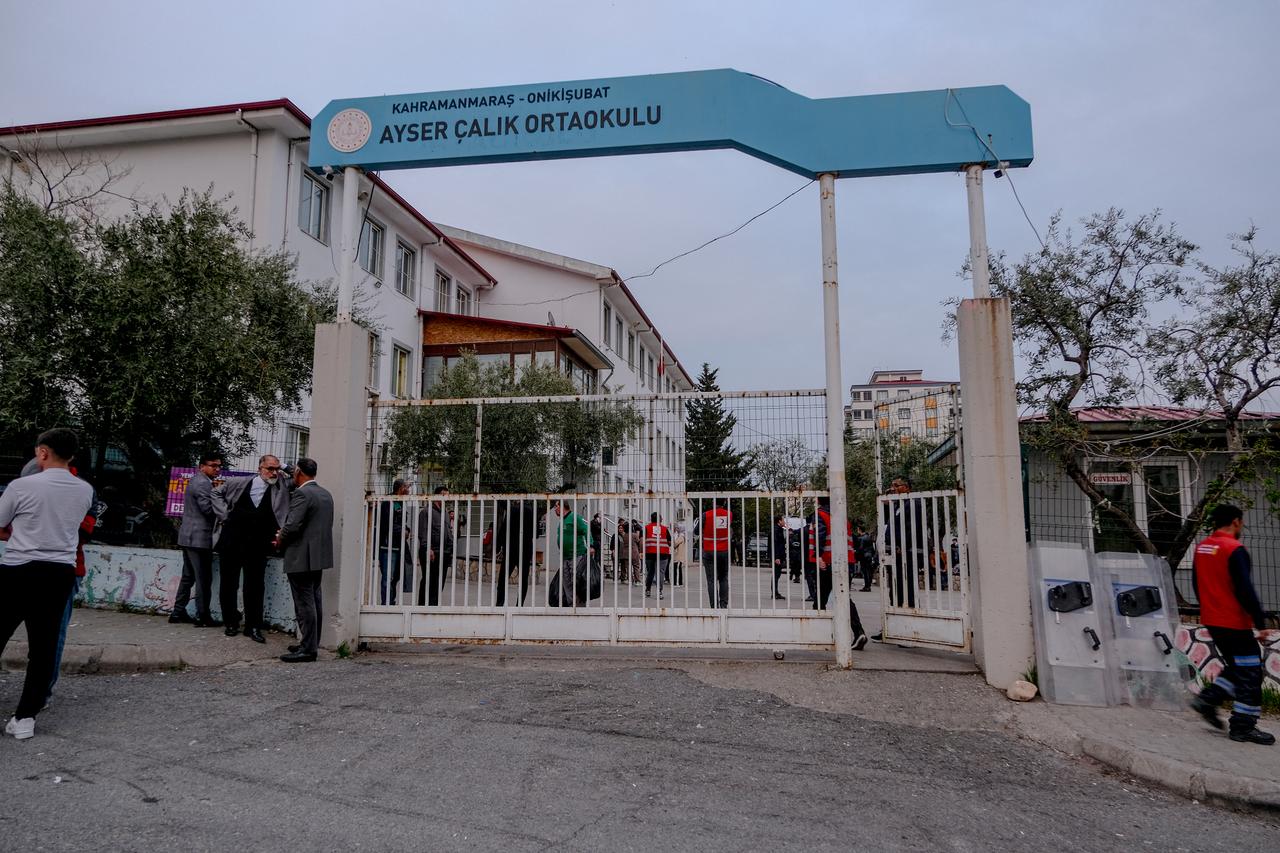
In recent days, Türkiye has unfortunately witnessed two similar attacks in quick succession. In both cases, the perpetrators were students who targeted their own high schools.
Because this type of attack has been exceedingly rare in Türkiye, speculation quickly emerged that the incidents may have been centrally coordinated. That possibility appears unlikely. To understand the logic behind these attacks, we must look back to Columbine.
Columbine was not the first school massacre in history, but it was by far the most consequential. It transformed the phenomenon of the “school shooting” into a widely recognized threat.
Schools across the United States developed new security measures, and police departments adopted new tactical protocols for responding to similar incidents.
In 2002, Michael Moore’s documentary Bowling for Columbine, which examined America’s gun culture, brought further international attention to the issue.

Yet Columbine’s influence did not stop there. It evolved into a kind of cult phenomenon. Admirers of the attackers emerged on social media, and in the years that followed, dozens of copycat attacks were recorded.
Nearly all of these perpetrators explicitly cited Columbine as “inspiration”. In so-called manifestos left behind, attackers described Harris and Klebold as heroes and sometimes even planned their own attacks to coincide with the anniversary of Columbine.
This phenomenon is known in social psychology as behavioral contagion. In the context of mass violence, it is especially dangerous. One of the main reasons is that, unlike conventional terrorist attacks, these acts are typically carried out without affiliation to any organized network.
Individuals who prepare attacks outside a formal hierarchy are far more difficult for intelligence and security services to detect and stop in advance.
Whether such actors are ideologically motivated is often a matter of debate, making their radicalization pathways even harder to trace.
In attacks such as the Isla Vista killings carried out by Elliot Rodger or the Ecole Polytechnique massacre committed by Marc Lepine, psychological instability appears deeply intertwined with anti-feminist and misogynistic narratives.
In such cases, the extent to which these attacks should be understood as “political” remains contested, but the ideological and psychological overlap is impossible to ignore.
The 2024 knife attack on a mosque in Eskisehir may also be viewed as an example of how similar lone-actor violence can emerge in Türkiye. In his so-called manifesto, the perpetrator expressed expectations, much like others before him, that he would become an internet icon after the attack.
Behavioral contagion and the copycat effect are becoming even more dangerous in an era of pervasive social media penetration, particularly when combined with algorithmic radicalization.
Every attack, tragically, can help lay the groundwork for the next. For that reason, it is critical that attackers are not allowed to become icons on social media; that footage of attacks is not circulated; and that glorifying or celebratory online content is closely monitored.
These measures represent some of the most important barriers against further contagion.


 Set as preferred source
 Set as preferred source


 1 min read

 1 min read