Newsletters


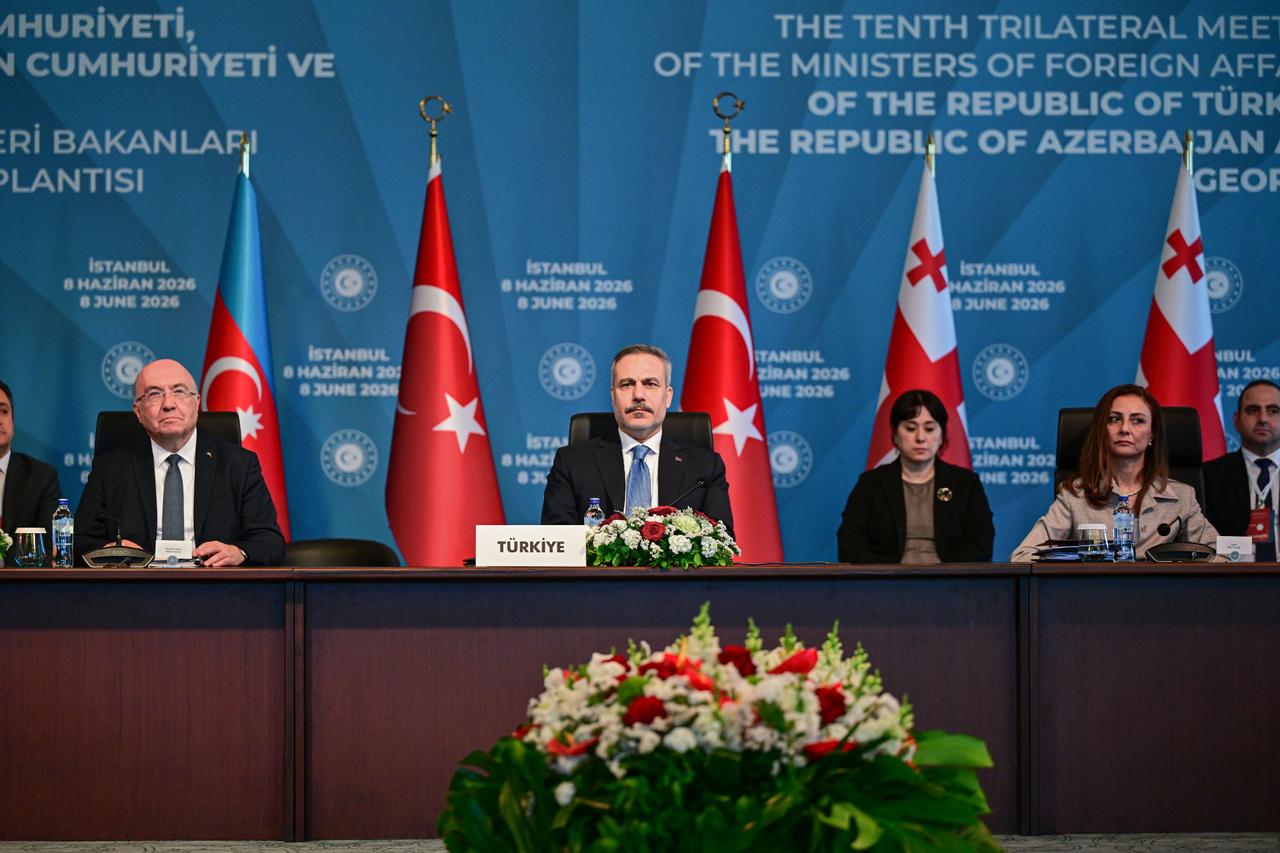


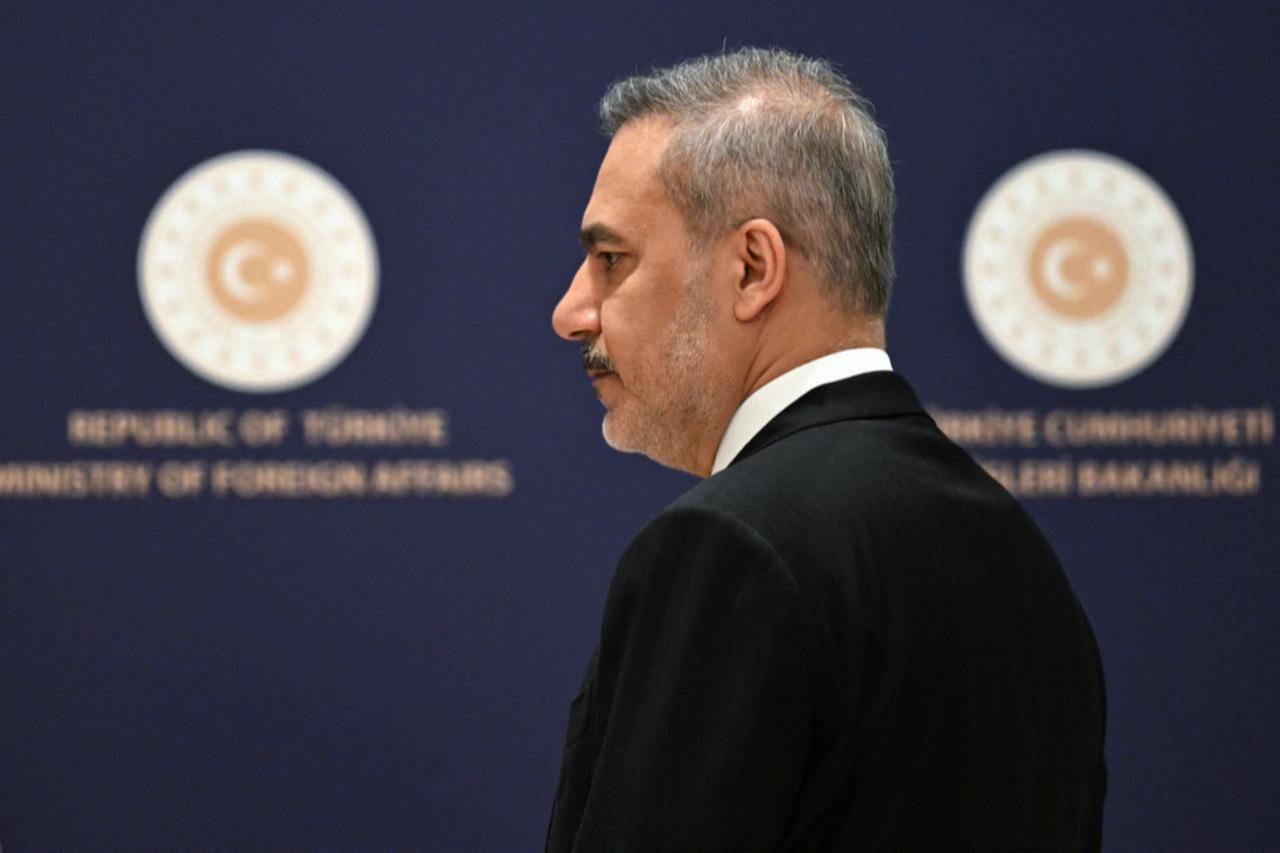
Türkiye’s normalization process with Armenia is continuing in close coordination with Azerbaijan, Foreign Minister Hakan Fidan said Monday, as he called for the Azerbaijan-Armenia peace agreement to be signed without delay.
Fidan spoke at a joint news conference at Istanbul’s Ciragan Palace following the 10th Türkiye-Azerbaijan-Georgia Trilateral Foreign Ministers Meeting with Azerbaijani Foreign Minister Jeyhun Bayramov and Georgian Foreign Minister Maka Botchorishvili.
“We support the peace process between Azerbaijan and Armenia,” Fidan said. “We also hope that Azerbaijan’s legitimate concerns will be addressed and that the peace agreement will be signed without delay.”
“The normalization process we are conducting with Armenia is also continuing in close coordination with Azerbaijan,” he added.
Fidan said important progress had been made over the past four years and described the peace process between Azerbaijan and Armenia as the most promising reflection of a broader regional vision based on development, connectivity and shared prosperity.
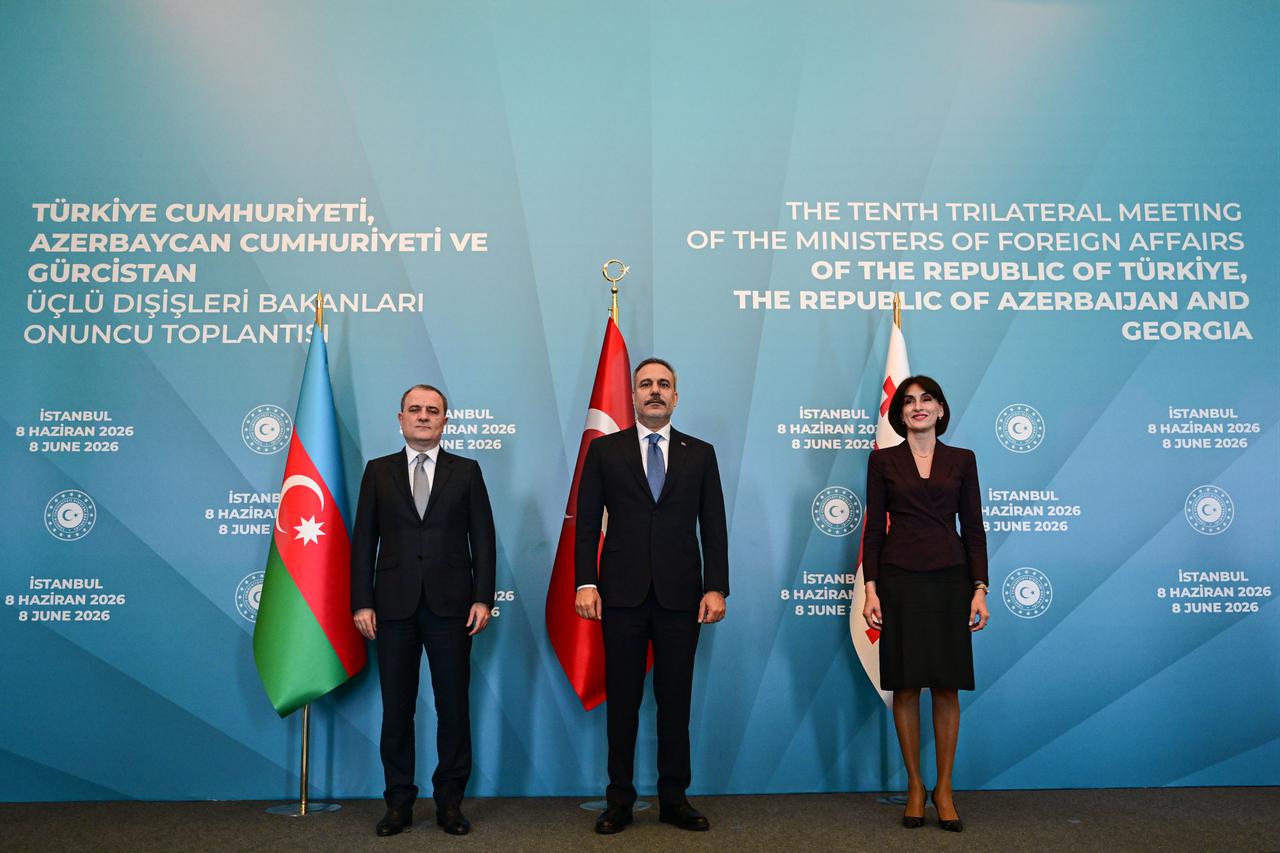

Fidan said the three countries reaffirmed their shared understanding that stability, peace and prosperity in the South Caucasus should be built through sincere and constructive cooperation.
“We want our region to be known for development projects instead of conflicts and for shared prosperity and connectivity projects instead of division,” he said.
According to Fidan, the commitment shown by Azerbaijan and Armenia had created a concrete window of opportunity for the region.
He said the central opportunity facing the South Caucasus was to create a mutually reinforcing relationship between peace and connectivity.
As the foundations of peace become stronger, connectivity projects will produce better results, he said. As connectivity improves, the social and economic foundations of peace will become more firmly established.
Fidan said Türkiye would continue working to strengthen that cycle in the shared interests of the entire region.
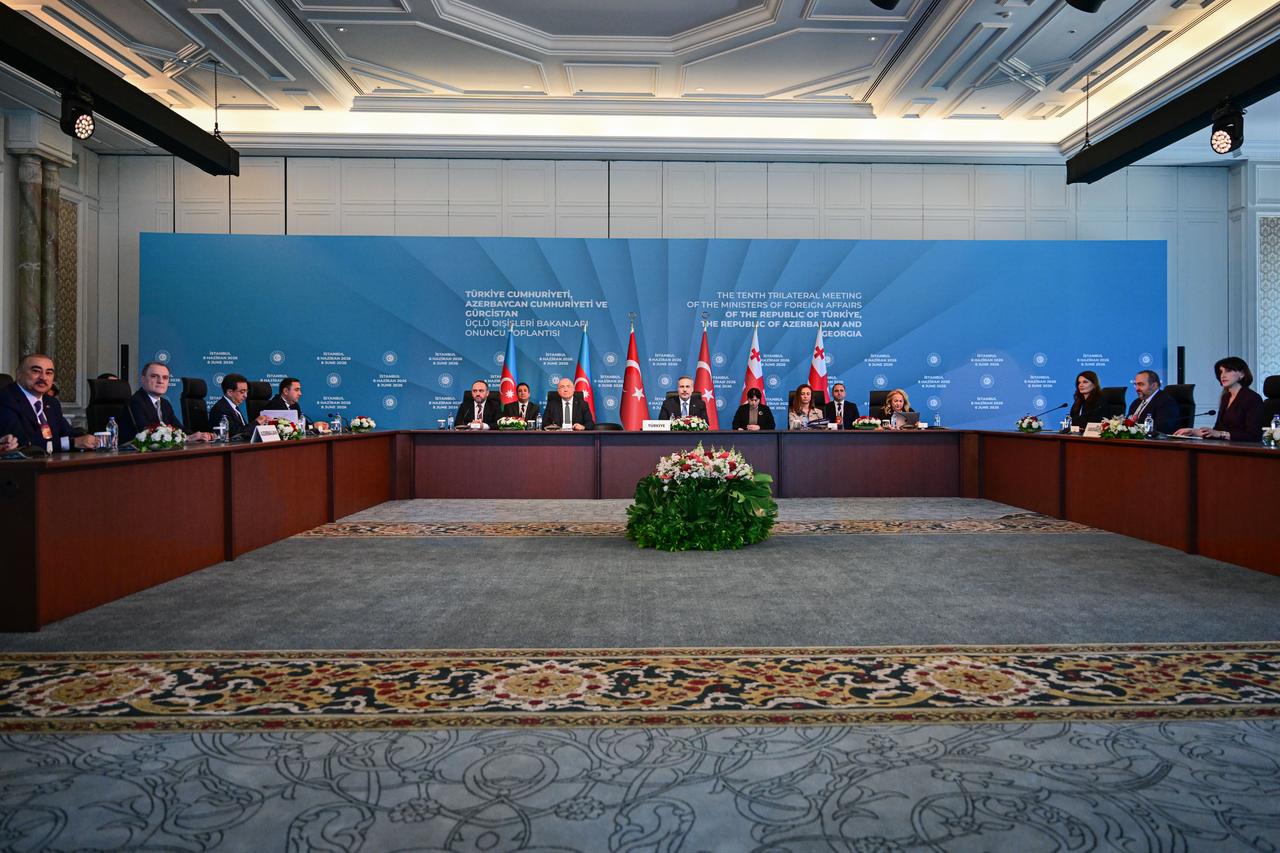
Fidan said the nearly 14-year-old trilateral mechanism among Türkiye, Azerbaijan and Georgia had become a results-oriented consultation platform that builds confidence in the region.
The mechanism had supported strategic steps across a broad range of areas, including political dialogue, economic integration, transportation, energy security, trade and stronger humanitarian ties, he said.
“The meaning we attach to this cooperation is not limited to the common interests of the three countries,” Fidan said.
“We also see this mechanism as one of the guarantees of peace, stability and sustainable prosperity in the South Caucasus.”
He said the environment of stability and cooperation established by the three countries carried strategic value at a time of simultaneous geopolitical disruptions, growing economic uncertainty and heightened energy security concerns.
That cooperation supports stability, connectivity, energy supply security and national economies across a broad area stretching from Europe to Asia, he said.
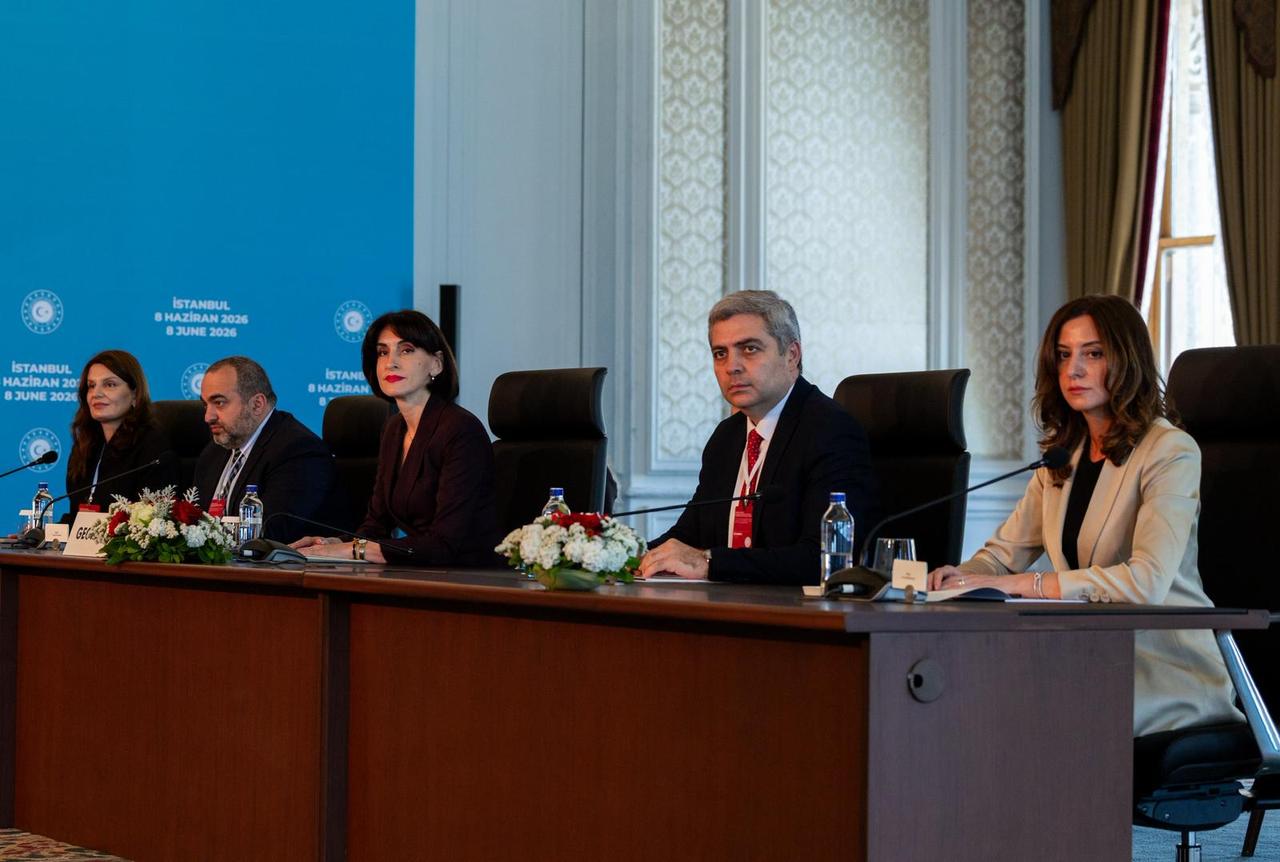
Fidan said strengthening connections among Türkiye, Azerbaijan and Georgia was a strategic and geopolitical priority that would also contribute to regional stability.
Affordable and uninterrupted access to energy had become a vital global issue, he said.
Joint energy infrastructure projects had limited the impact of recent crises on the three countries and made the region more resilient against global energy market fluctuations.
Fidan said the next goal was to build a more integrated region through energy, transportation and communications infrastructure.
Such integration would help establish a safer, faster and more predictable transit route between Europe and Asia, he said.
Fidan described the Middle Corridor’s growing role as the most concrete expression of that objective and said it had become one of the strategic pillars of trilateral cooperation.
He cited a June 2 ceremony on the Georgian section of the Baku-Tbilisi-Kars railway marking the line’s move toward full capacity as an important milestone.
The three countries aim to make maximum use of the strategic route and create greater added value for the region, he said.
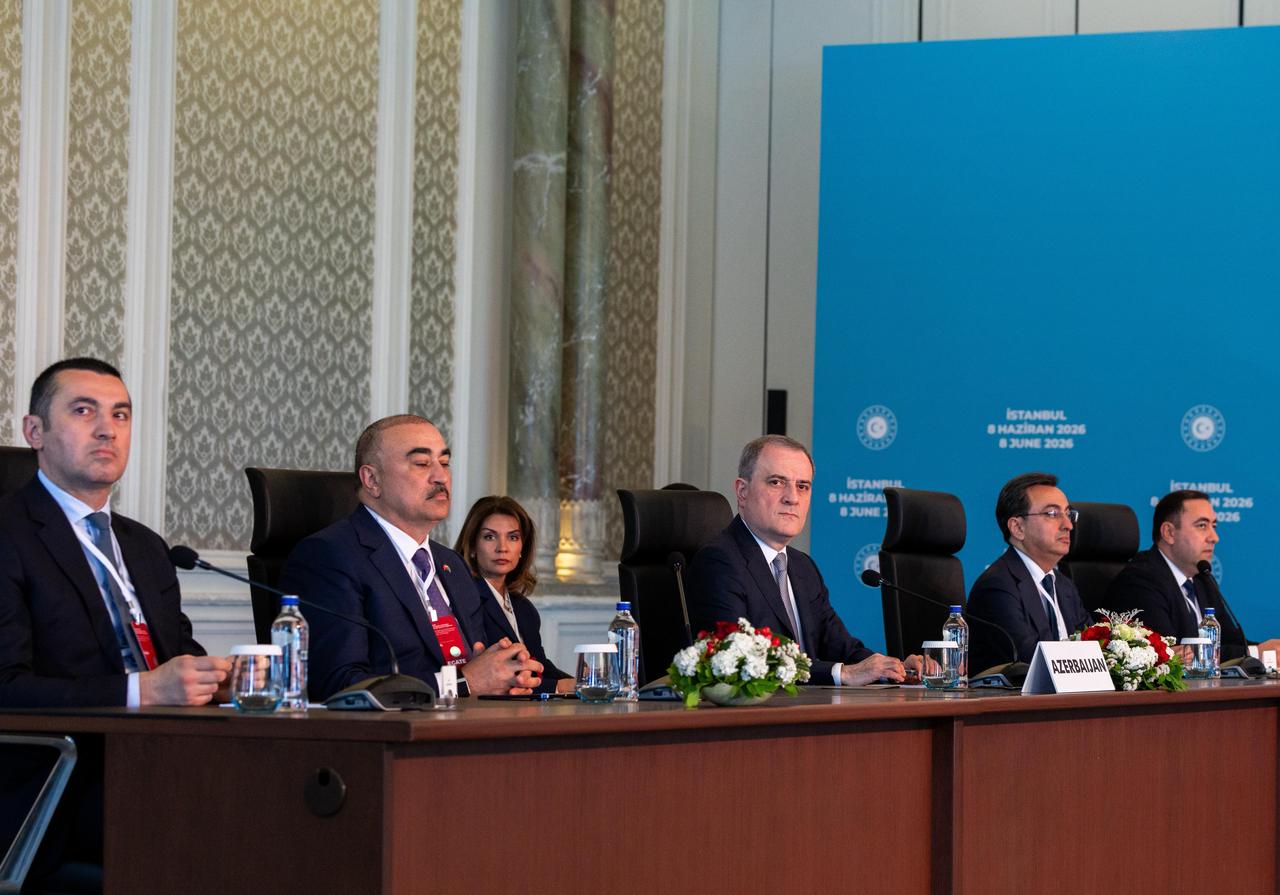
Fidan said the war to Türkiye’s north was directly affecting regional security and that achieving peace in the Russia-Ukraine conflict was essential for regional stability.
“We believe that the diplomatic process and efforts toward peace must continue with determination,” he said.
Fidan said Türkiye was following the current deadlock on the battlefield and in diplomacy with concern.
Steps taken by the parties to shift the situation in their favor were increasing tensions on the ground, he said.
Recent attacks in the Black Sea and the Sea of Azov demonstrated the serious consequences the conflict could produce, Fidan added.
He offered condolences to Bayramov and Azerbaijan for those killed in the latest incident.
Fidan said the meeting also covered peace talks between Iran and the U.S., as serious security risks continued around the South Caucasus.
He said it was essential to leave behind a war that had brought the region and the world to the brink of disaster.
Türkiye was maintaining contacts with the U.S. and Iran while consulting closely with regional countries to support lasting peace, he said.
“Türkiye will continue to support diplomacy and dialogue during this critical period,” Fidan said.
He added that Türkiye, Azerbaijan and Georgia had reaffirmed their shared will, mutual trust and common vision for the region’s future.
“The stronger the cooperation among our countries becomes, the safer, more prosperous and more stable the South Caucasus will be,” he said.


 Set as preferred source
 Set as preferred source


 1 min read
 1 min read