

 Newsletters


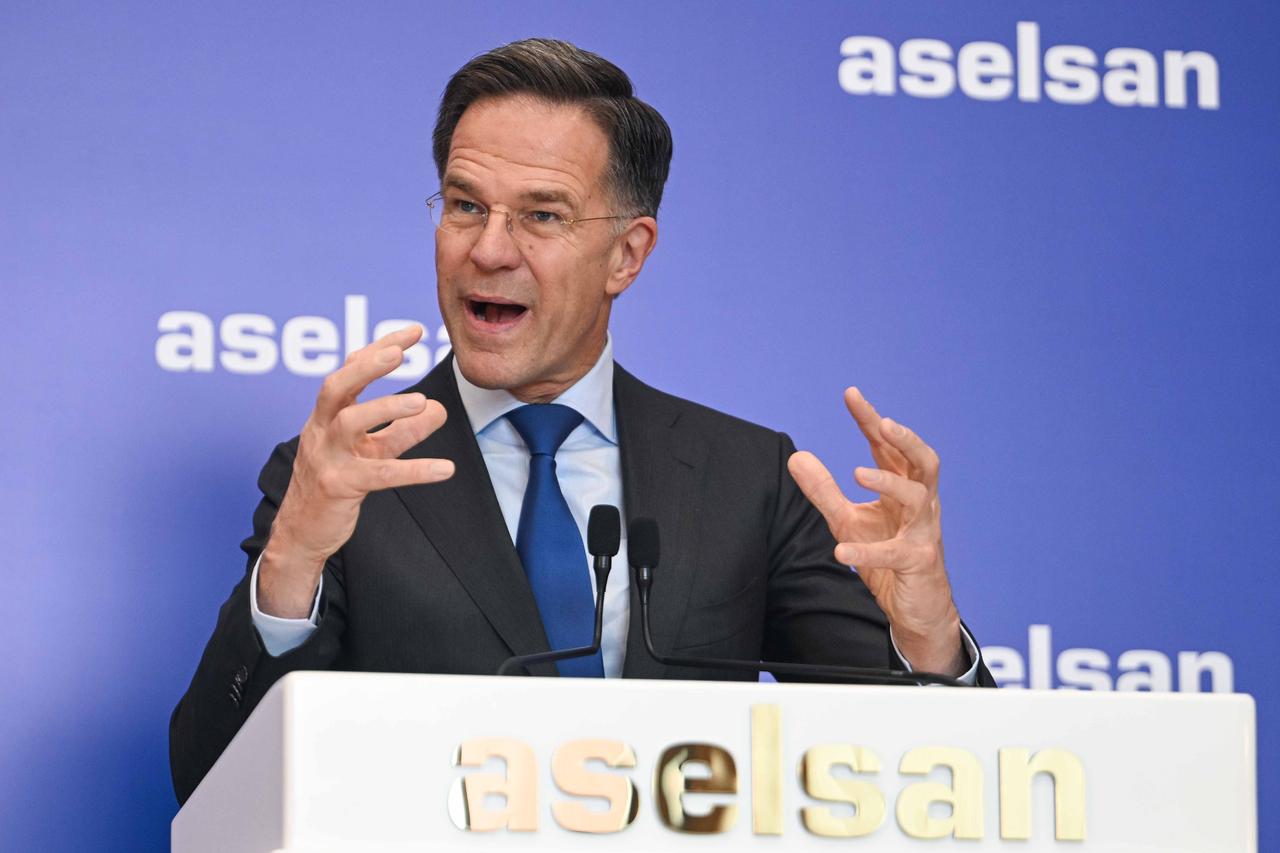
NATO Secretary-General Mark Rutte said Türkiye's largest defense electronics company, Aselsan, is driving a defense industry transformation that will benefit every member of the alliance, adding that a major defense industry day will be held during the Ankara Summit.
Speaking at the Atlantic Council during a visit to Washington ahead of the NATO summit in Ankara on July 7-8, Rutte said the gathering would demonstrate the alliance's deterrence, unity and defense capacity.
Addressing the evolving security environment and growing threats facing the alliance, Rutte emphasized the role of a strong and innovative defense industry in strengthening NATO's capabilities.
In that context, he highlighted Aselsan's achievements and its contribution to Türkiye's defense industry transformation.
"This spring, I spoke with talented young engineers at Aselsan, Türkiye's largest defense electronics company," Rutte said, referring to his recent visit to the company's facilities in Ankara. "They are driving Türkiye's defense industrial revolution, which will benefit every member of our Alliance."
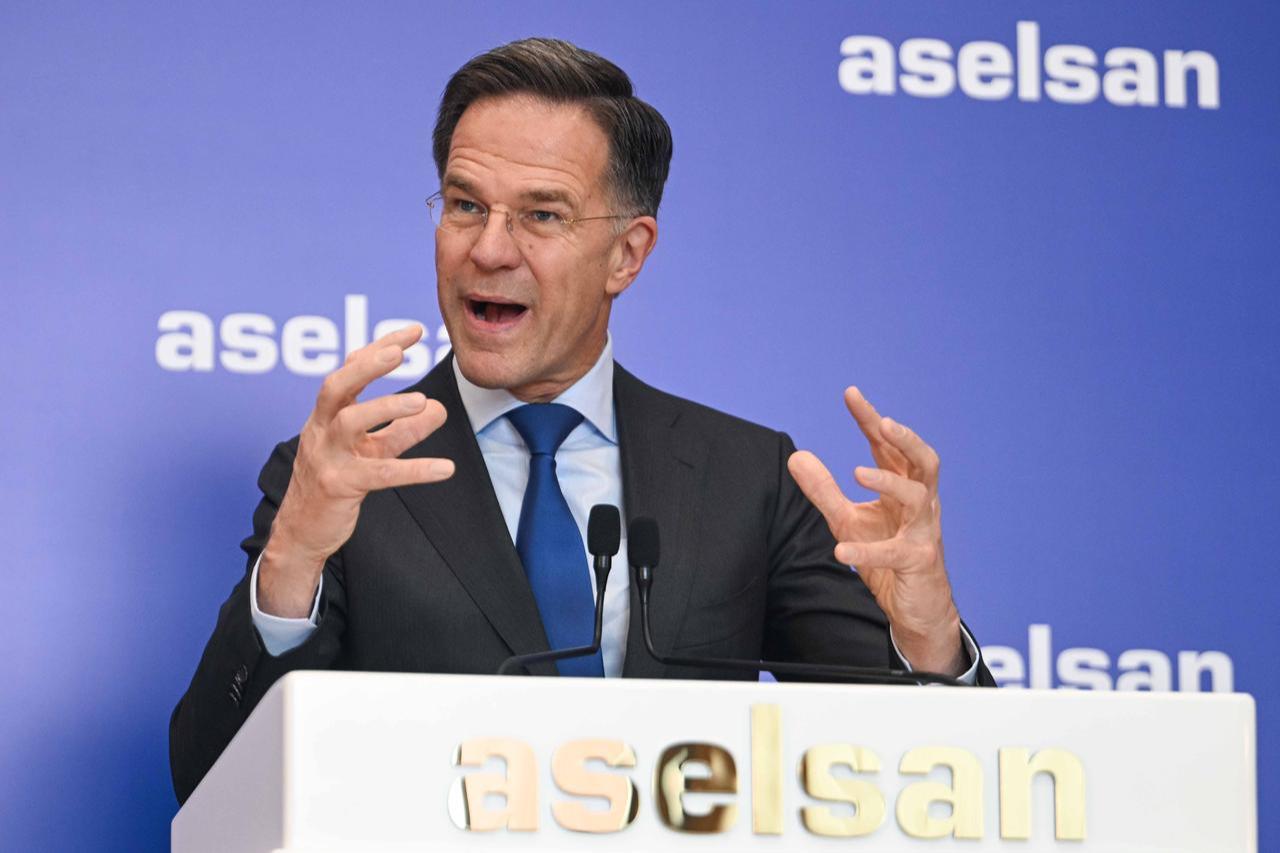

Aselsan, Türkiye's leading defense company and Europe's fifth most valuable defense firm, hosted Rutte at its Golbasi Technology Base in Ankara in April.
During the visit, Aselsan presented its portfolio of advanced, multi-domain defense solutions.
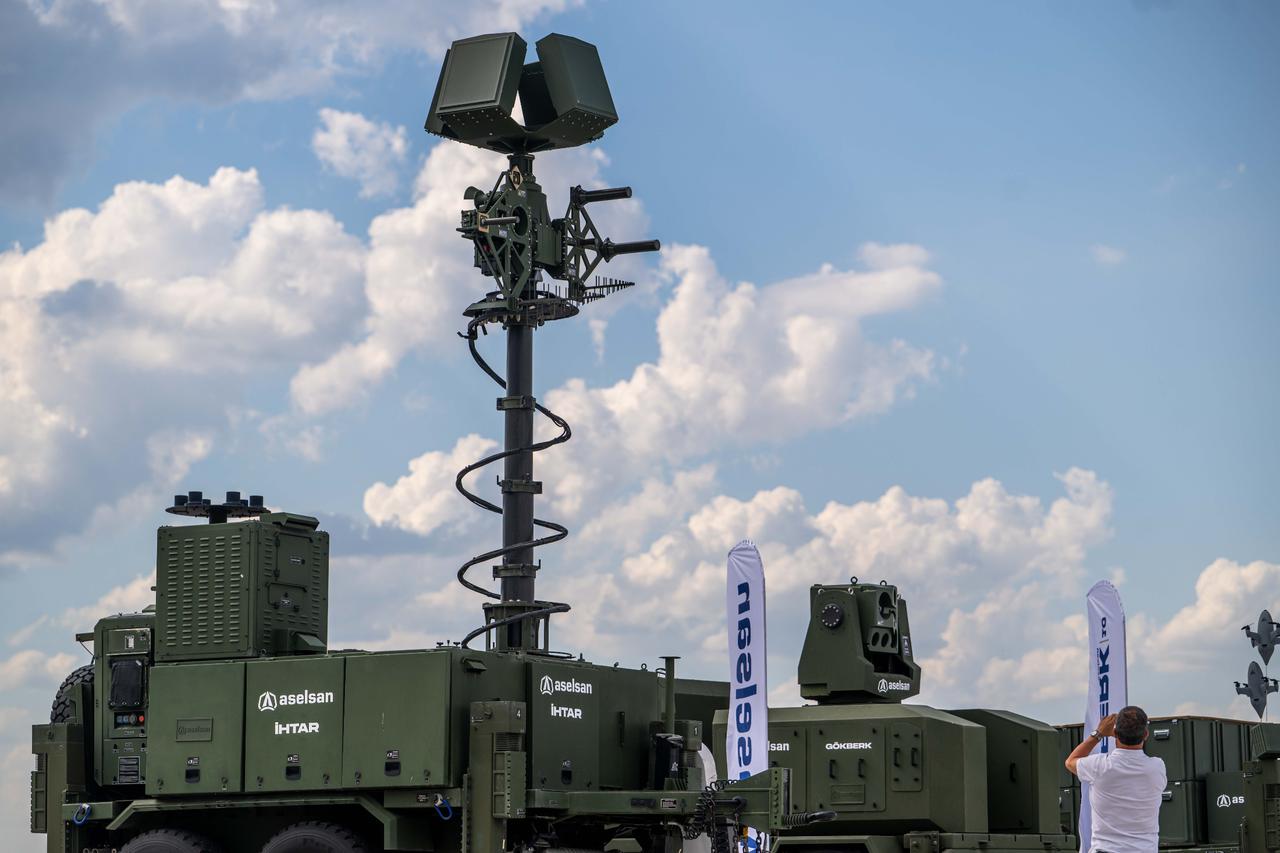
The visit showcased the company's capabilities across critical areas, including the Steel Dome multi-layered air defense architecture, drone defense solutions, land systems, naval technologies, electronic warfare systems and unmanned aerial vehicle payloads.
Aselsan's integrated, system-level approach to addressing the evolving requirements of modern warfare was highlighted throughout the program.
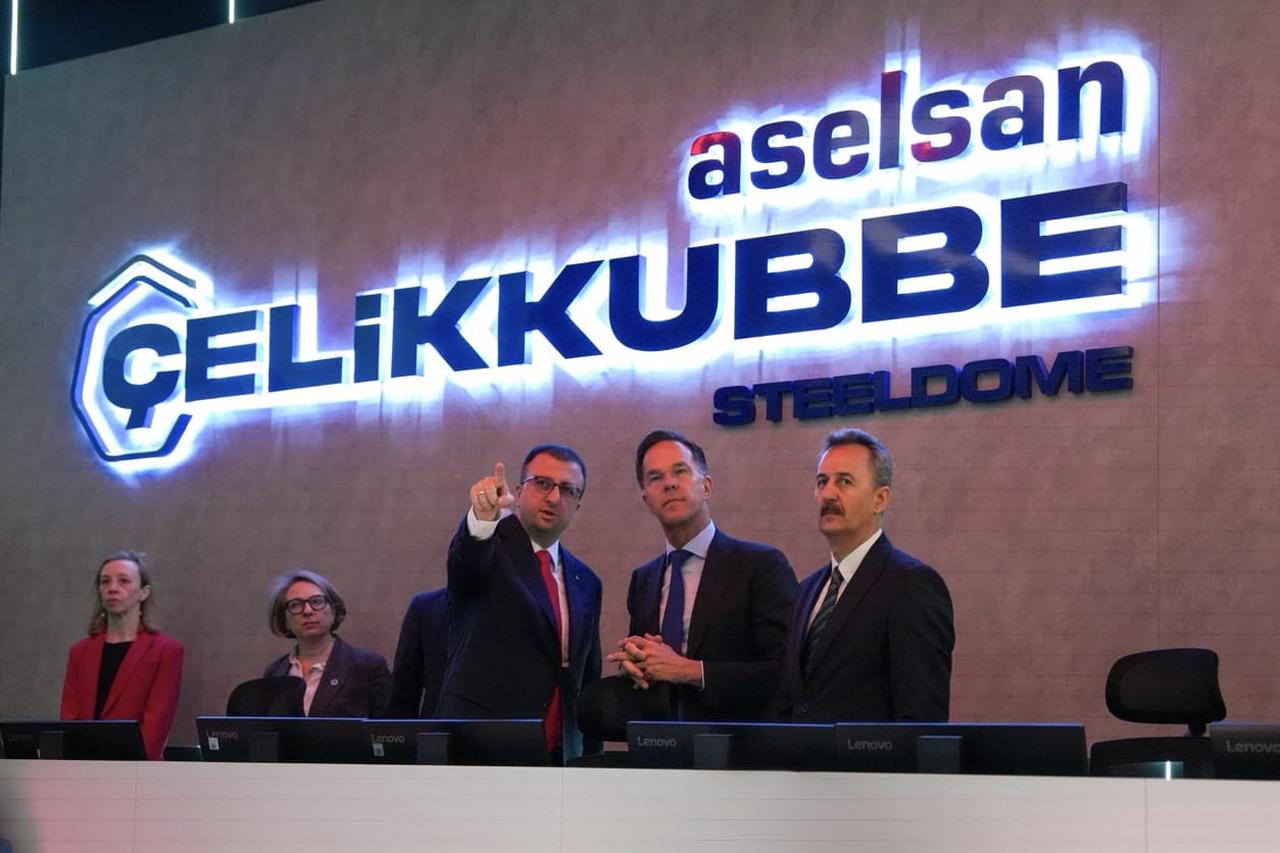
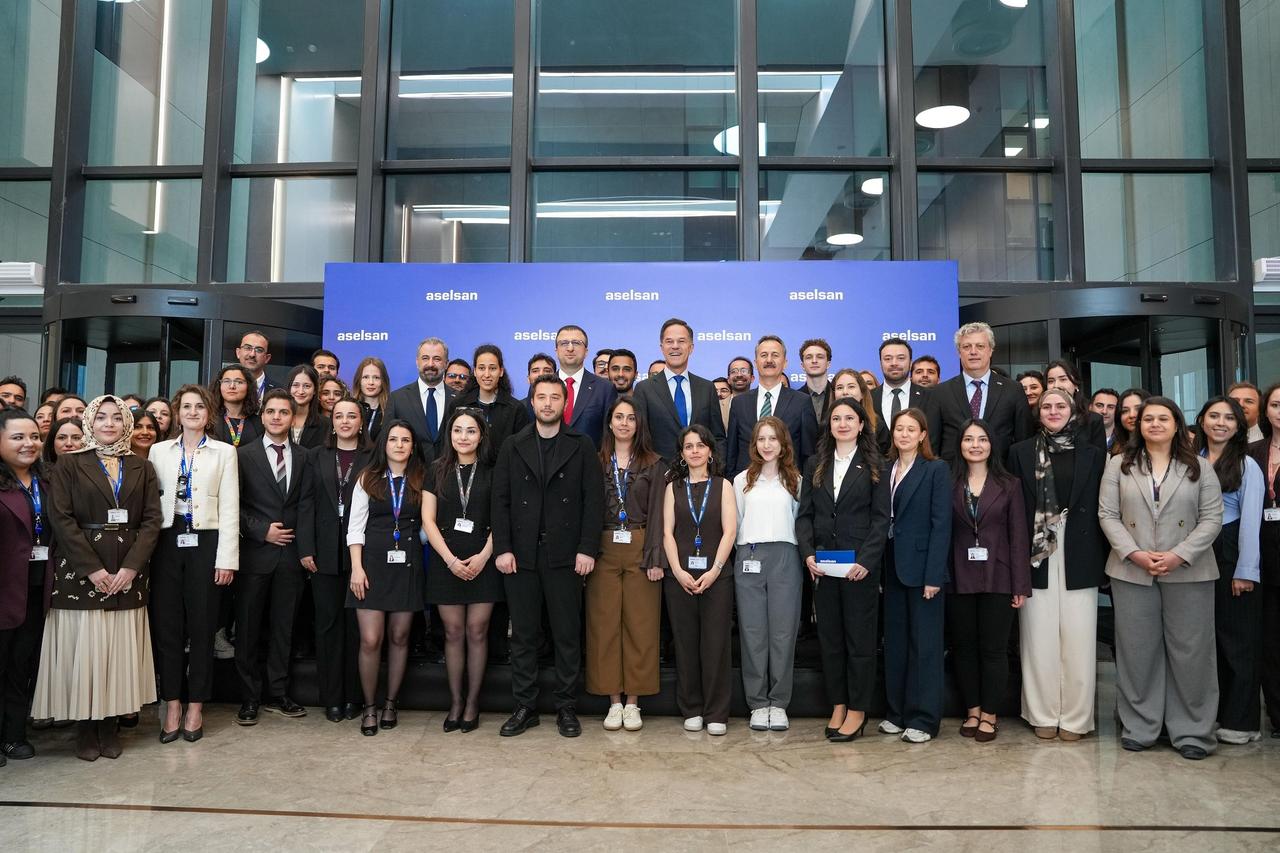
As part of the visit, Rutte also met with Aselsan's young engineers, emphasizing the company's focus on innovation, technological development and human capital.
The program also highlighted Aselsan's advanced serial production capabilities. The NATO delegation toured state-of-the-art manufacturing facilities and final assembly lines, where key components of the Steel Dome architecture and flagship systems across Aselsan's core technology areas were displayed.
The visit demonstrated Aselsan's ability to deliver interoperable, scalable and mission-ready defense solutions supported by high-tech manufacturing capabilities and engineering expertise.
Rutte said NATO would show it is ready to defend all allies and every inch of allied territory, adding that his biggest expectation from the Ankara Summit was a historic transformation in defense investment.
Recalling that a historic decision was taken at the Hague Summit to allocate 5% of gross domestic product to defense by 2035, Rutte said Estonia, Latvia, Lithuania and Poland had already exceeded the target, while Germany was on track to double its defense spending by 2029.
Rutte said European allies and Canada allocated an additional $1.2 trillion to defense between 2016 and 2026, while defense investment increased by nearly 20% in 2025.
"This is a transformative development," he said.
Rutte said such a shift in defense spending could not have been imagined 10 years ago, noting that the threat environment had helped drive the transformation, but that the leadership of U.S. President Donald Trump had also played a decisive role.
Rutte said European allies and Canada had begun closing the defense spending gap with the U.S., taking on more responsibility in the NATO command structure, contributing more to deterrence activities on the eastern flank, in the Baltic region and in the Arctic, and leading support for Ukraine.
"This is NATO 3.0: a stronger Europe and a stronger NATO; unity of purpose, large-scale steps and a real transformation," Rutte said.
He emphasized that production capacity was now needed to meet rising defense demand.
Rutte said the defense industry and innovative technologies would be central themes at the Ankara Summit.
"In Ankara, I expect to see industry and innovation brought into the process so that we can provide the capabilities required by credible deterrence and effective defense," he said.
Noting that allies had increased their defense budgets but that the military capabilities needed could not yet be produced at sufficient speed and scale, Rutte said the challenge was not only about stockpiles but also about developing innovative solutions.
Rutte said NATO aimed for a fundamental transformation in the transatlantic defense industry.
"What we need and are trying to encourage is a real transatlantic defense industrial revolution," he said.


 Set as preferred source
 Set as preferred source


 2 min read
 1 min read


