Newsletters


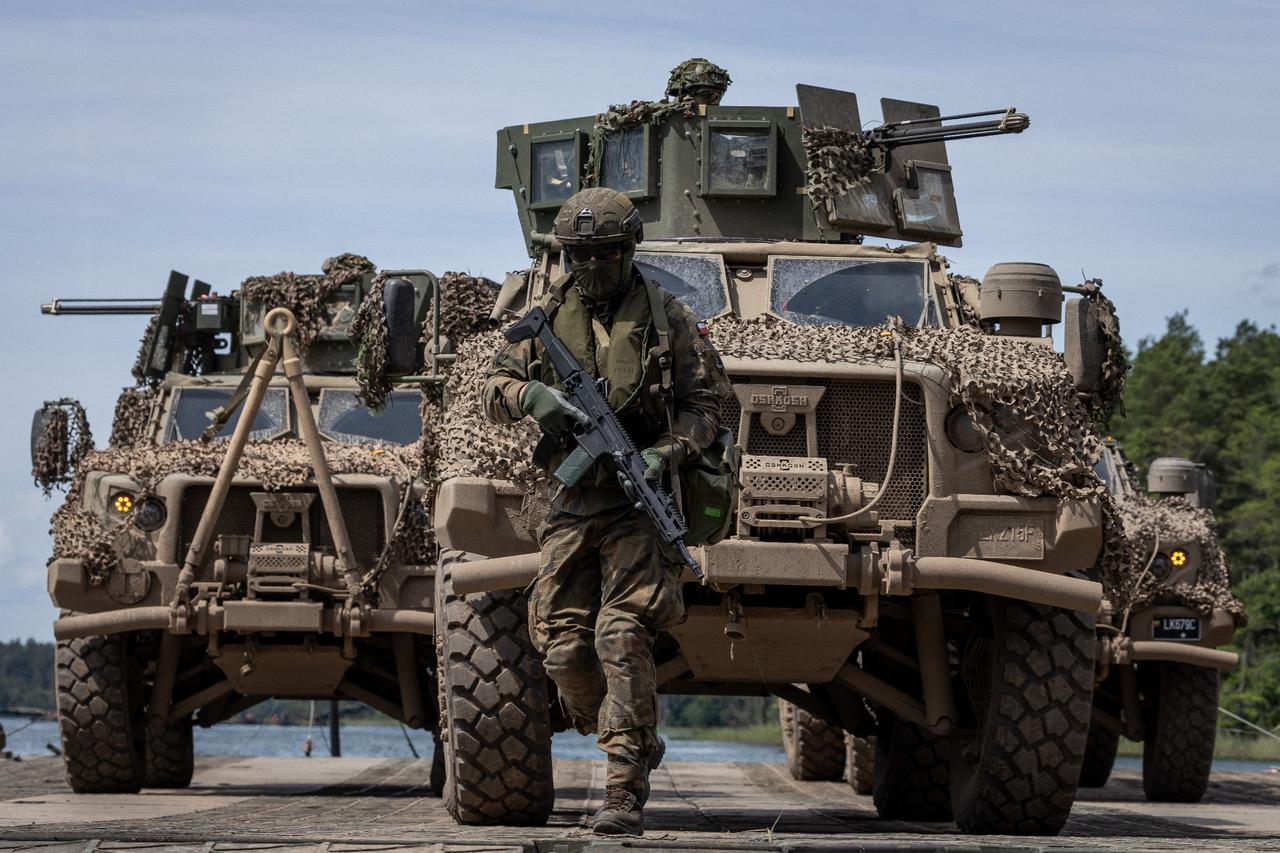


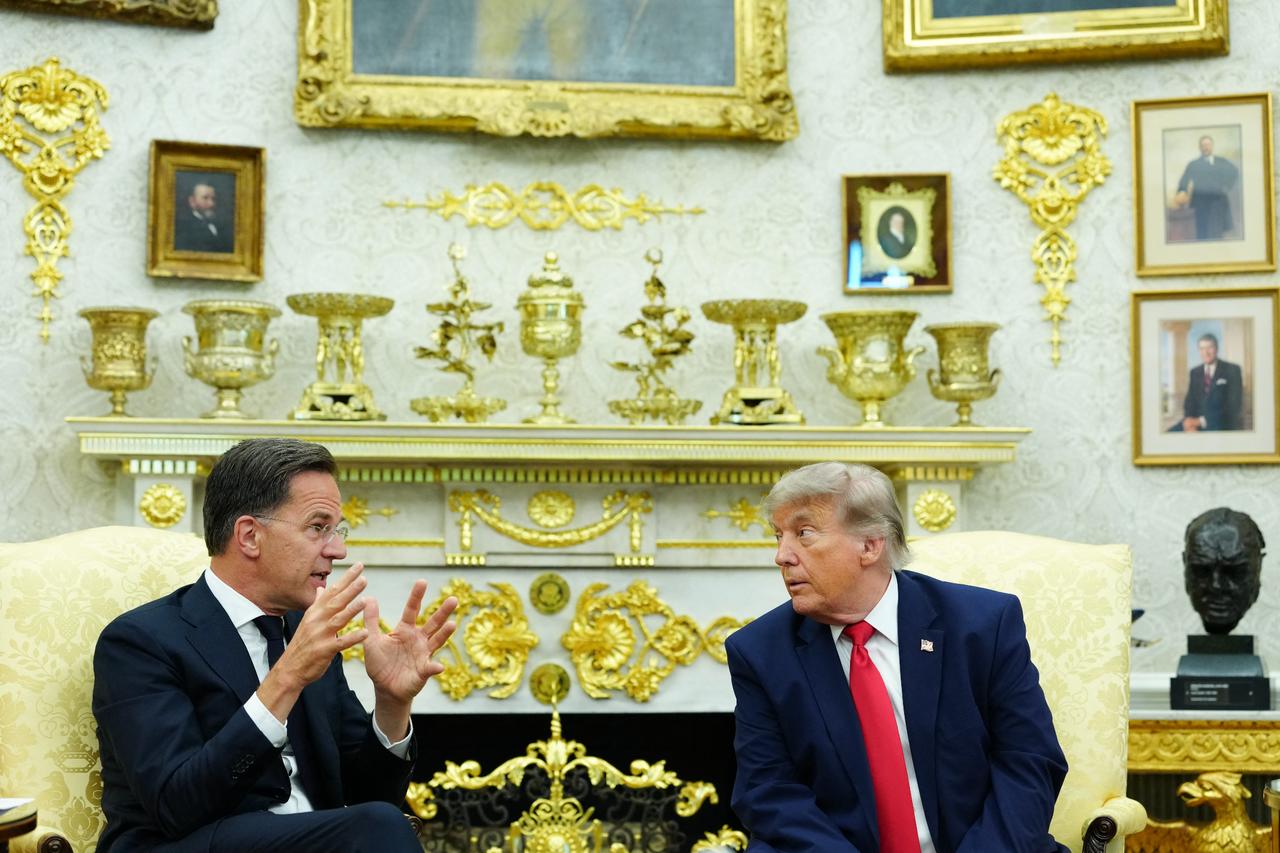
NATO Secretary-General Mark Rutte said Thursday that the alliance will unveil "tens of billions of dollars" in new defense contracts at next month's summit in Ankara.
Speaking at the Atlantic Council in Washington on the final day of a visit ahead of the July 7-8 summit, Rutte said NATO allies must do more to convert economic strength into military capability.
"We need to ensure that we are translating our economic might into military capabilities," he said.
"This means overcoming fragmented national defense industries on basically the other side of the Atlantic, cutting red tape here in Washington and keeping innovation front and center across the alliance," Rutte noted.
Rutte said the Ankara summit would showcase progress on defense industrial cooperation.
"Bottom line, the prospects are plentiful, and in Ankara we will provide a platform to showcase how we are seizing the opportunities and making this revolution a reality," he said.
"We will announce tens of billions of dollars of new contracts," Rutte added.
He said the summit's first day will include a dedicated defense industry day.
"At the summit, we will have a big defense industry day on the first day, and you will see a massive amount of new contracts, MoUs, letters of intent, but also big contracts being signed, which will give a clear signal to our 1 billion citizens in NATO territory. We are really doing what is necessary," Rutte said.
He described the broader economic stakes.
"The result is not only improved security. We are in the early stages of a defense industrial revolution that will help grow our economies" and support hundreds of thousands of jobs, he said, describing defense industrial cooperation stretching "from Arlington to Ankara."
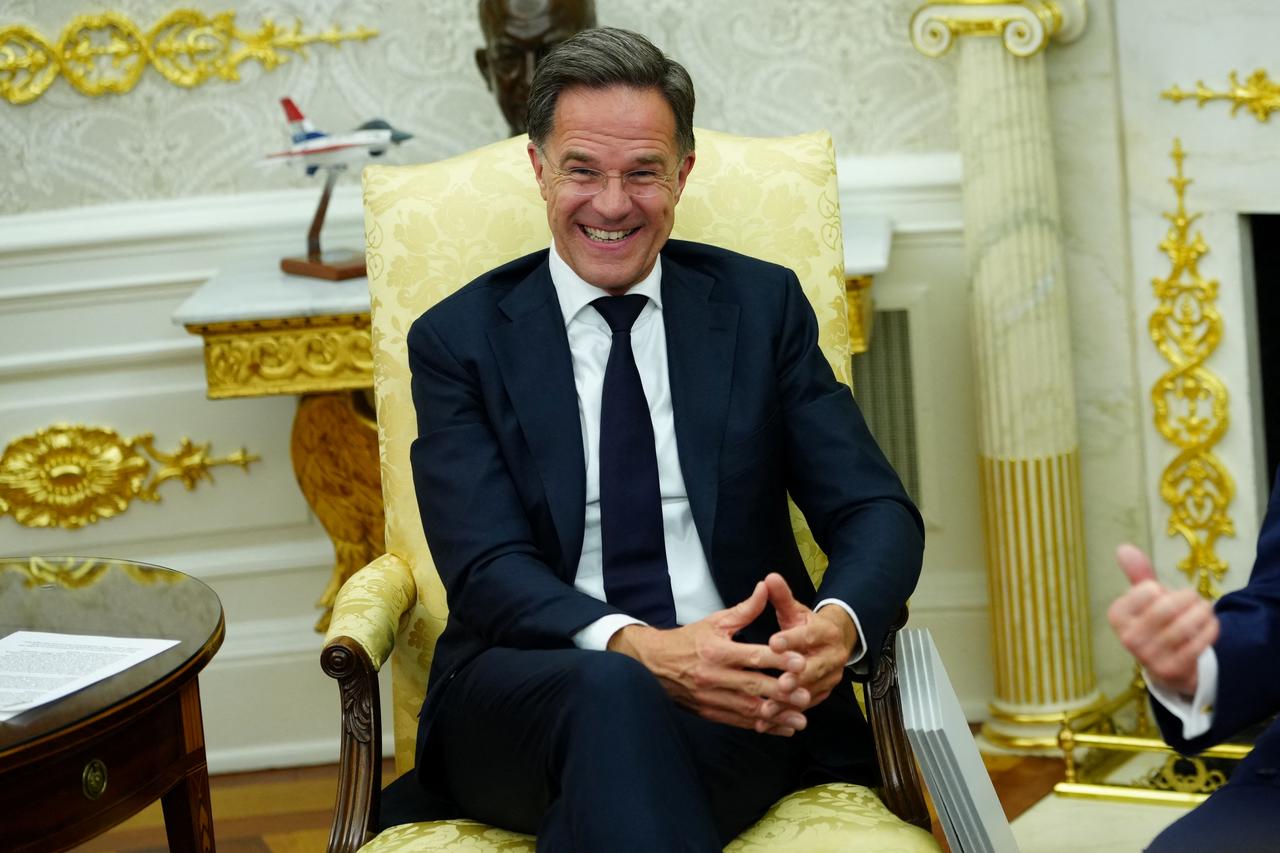

Rutte singled out Türkiye's defense sector for praise.
"This spring, I spoke with talented young engineers at Aselsan, Türkiye's largest defense electronics company. They are driving Türkiye's defense industrial revolution, which will benefit every member of our alliance," he said.
Rutte said Türkiye has approximately 3,000 defense industry companies operating across NATO territory.
"We need to do this in a truly transatlantic way and understand that this industrial base stretches from California to Türkiye," he said.
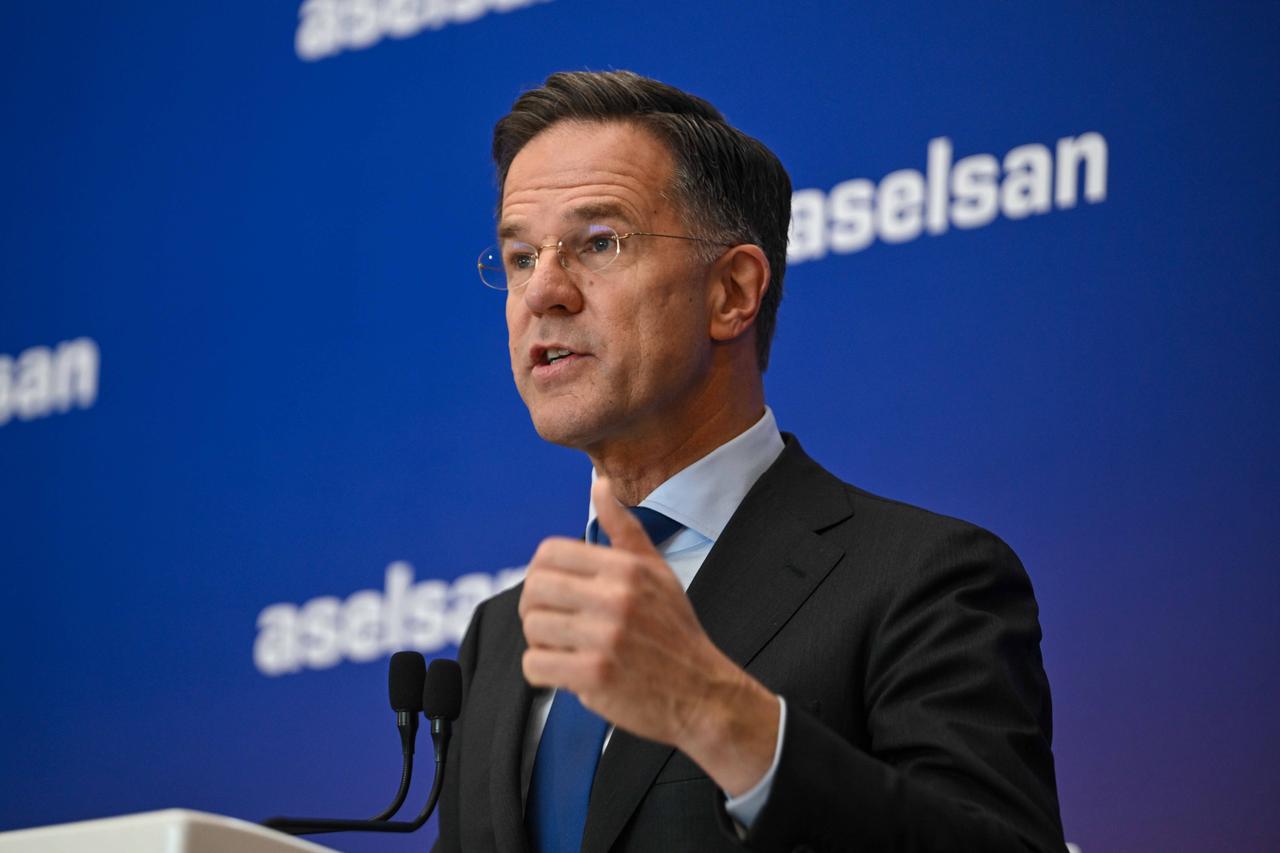
Rutte said the summit would send a clear message to Russian President Vladimir Putin that the 32-member alliance is prepared to respond to any "silly move against us."
Addressing Putin directly, he said: "Putin is not afraid of commitments, he is afraid of (us) implementing commitments, and that's exactly what we are doing, Vladimir. We will defend ourselves."
He described Russia as NATO's foremost threat, both now and over the long term.
"Russia is, today and in the long term, our greatest threat," he said, adding that Russia, China, North Korea and Iran are increasingly cooperating with one another. "That is the picture we are facing," he said.
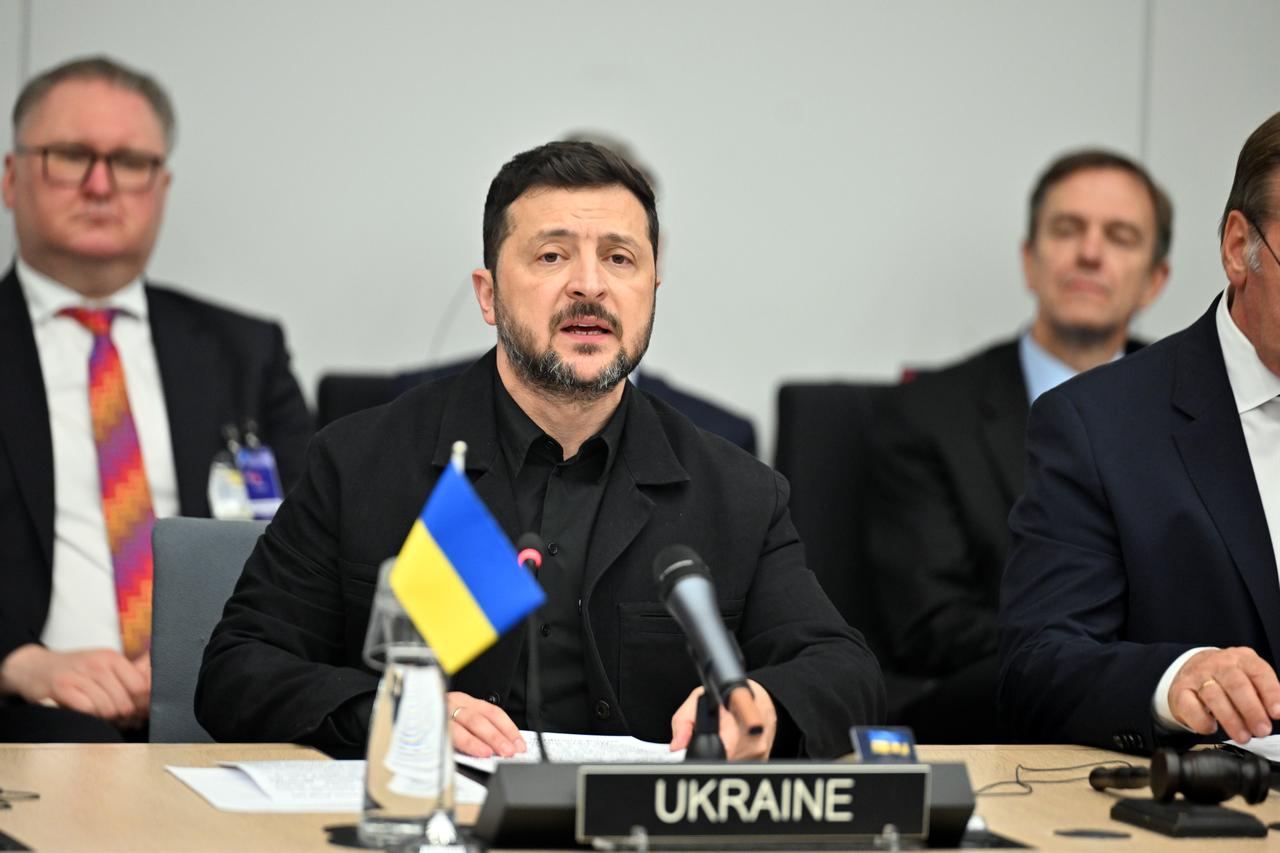
Rutte confirmed that Ukrainian President Volodymyr Zelenskyy will attend the Ankara summit.
"President Zelenskyy will join us in Ankara," he said.
"We expect to show him and all Ukrainians that our support endures, and remind President Putin that we are not going anywhere," Rutte added.
He said Ukraine continues to perform well militarily despite the ongoing war.
"They are still ahead of the Russians when it comes to innovation, for example, in the drone and the counter drone technology. They are more and more successful in hitting essential energy infrastructure in Russia," Rutte said, adding that NATO needs to continue supplying Ukraine with all the air defense systems "we can give them."
He added, "Our security is interlinked. Ukraine has shown that we won't be deterred by Russia's aggression."
Asked how the Ankara summit compares to last year's gathering in The Hague, Rutte said this year's meeting would focus on delivery rather than pledges.
"It was amazingly important that in The Hague we agreed on the 5% (defense spending target) and to support Ukraine, and to ramp up defense production," he said.
"This summit is about delivery, the credible trajectory, and the fact that last year we spent almost 20% more is already evidence that this is happening, and now we have to make sure that we have the credible path to the 5%, and I'm seeing it absolutely happen," Rutte noted.
He went further, suggesting Ankara could surpass The Hague in significance.
"I would say (the Ankara Summit) is really important, and maybe even more important than The Hague, because it's great to have the commitments, and The Hague was a big success, but then to deliver on the commitments, and that's what I'm seeing is going to happen in Ankara, is even more important," he said.
"In the end, Putin is not afraid of commitments, he's afraid of implementing those commitments, and that's exactly what we are doing... we will defend ourselves," Rutte said.
Rutte recalled that the Hague summit produced a historic decision to raise defense spending to 5% of gross domestic product (GDP) by 2035, with Estonia, Latvia, Lithuania, and Poland already exceeding that target and Germany on track to double its defense spending by 2029.
Rutte said European allies and Canada had added $1.2 trillion in defense spending between 2016 and 2026, with defense investment rising approximately 20% in 2025 alone.
"This is a transformative development," he said, noting that such a shift in defense spending would have been unimaginable a decade ago, driven both by the threat environment and by the leadership of U.S. President Donald Trump.
He said European allies and Canada are increasingly closing the spending gap with the United States, taking on more responsibility within NATO's command structure, contributing more to deterrence activities on the eastern flank, in the Baltic region and the Arctic, and leading support for Ukraine.
He described this as "NATO 3.0," "a stronger Europe and a stronger NATO; the goal is unity, large-scale steps and real transformation."
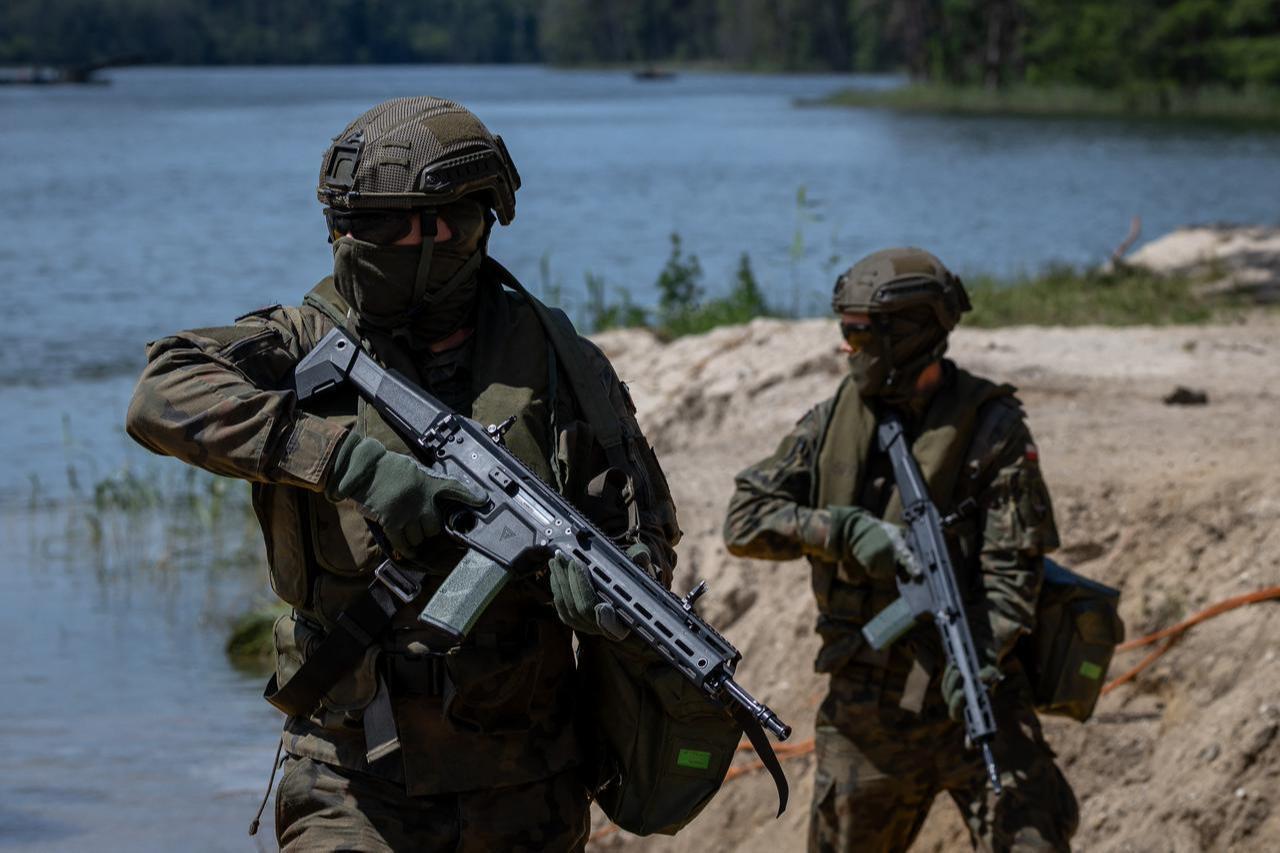
Rutte said allies have increased defense budgets but are still struggling to produce military capabilities at the speed and scale required.
"What we need, and what we are trying to encourage, is a genuine transatlantic defense industrial revolution," he said, adding that this requires innovation, not just inventory.
He said the EU plays an important role in this effort by helping expand production capacity, securing financing, and strengthening coordination among European countries, with NATO and the EU dividing responsibilities to avoid duplicating work.
He said European companies have made significant investments in the U.S., and that European allies purchased billions of dollars' worth of equipment from the U.S. defense industry last year, even as production in both Europe and the U.S. continues to lag behind demand.
Rutte said European countries will take over some NATO air, land and sea command responsibilities within 12 to 18 months, and that Europe and Canada are shouldering a greater share of financing for military support to Ukraine.
He said the U.S. will continue maintaining its conventional military presence in Europe and its nuclear deterrence role, while Europe takes on a larger role, particularly in conventional defense and Ukraine support, a transition he said is being managed deliberately, without allowing gaps to form in NATO's deterrence.
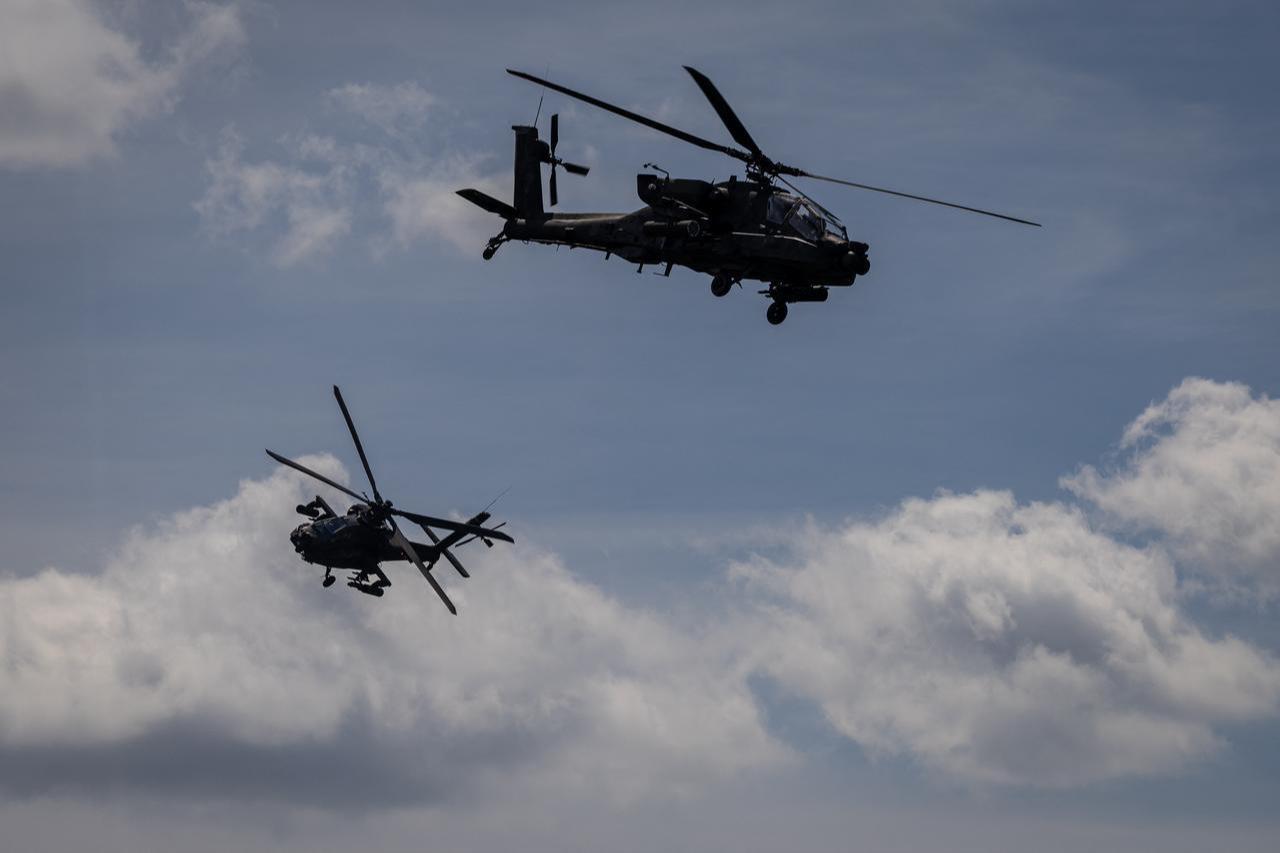
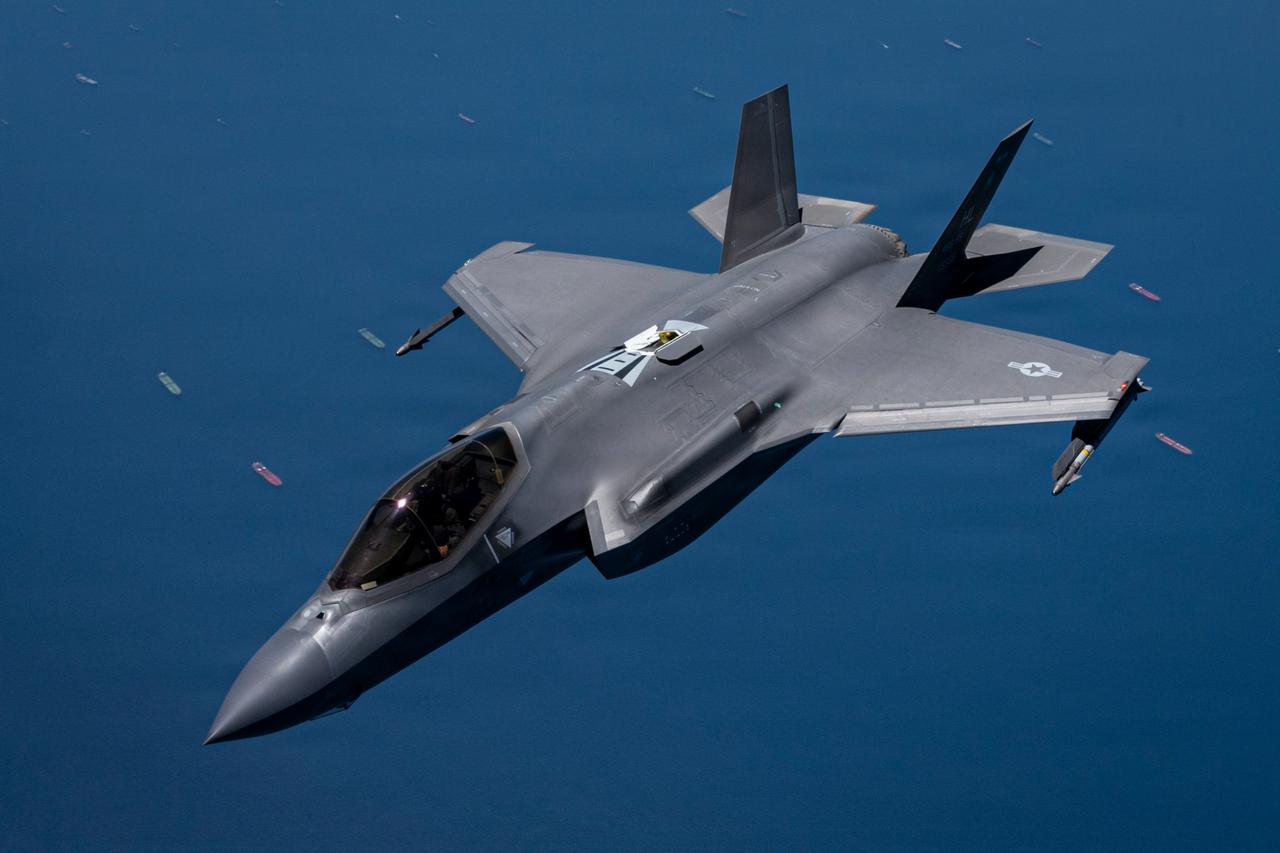
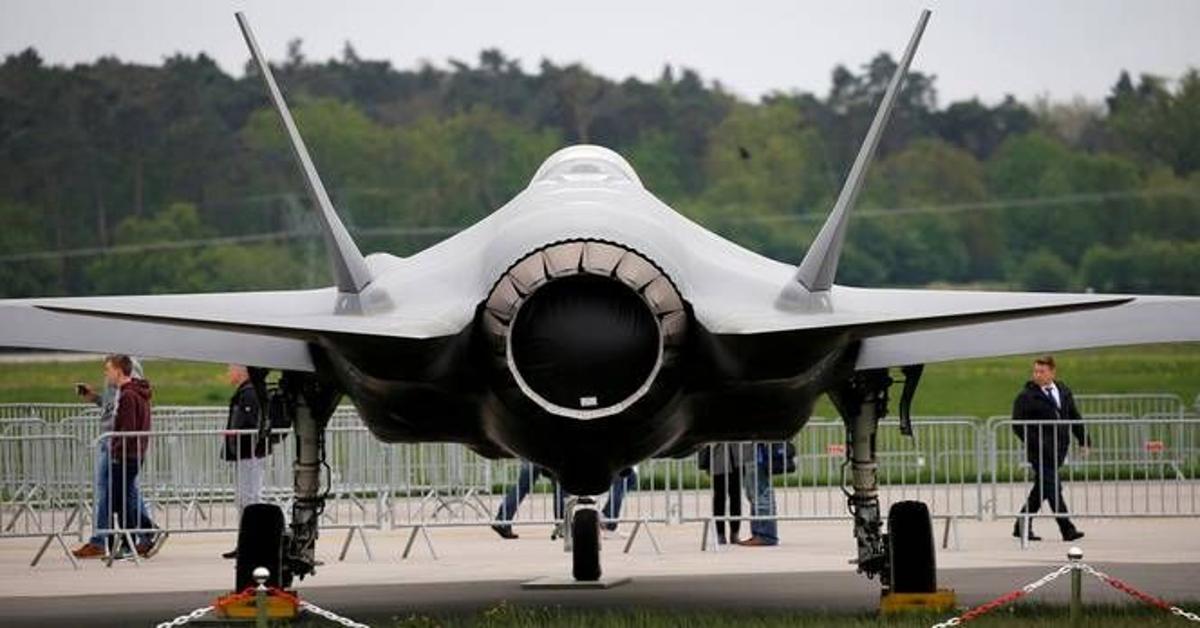
Asked about ongoing talks between the United States and Türkiye over F-35 fighter jets, Rutte declined to comment publicly.
"Because these are primarily matters between the two countries (the U.S. and Türkiye), for example, it is up to the U.S. to decide what defense agreements it will make with Türkiye. You also heard what the President said about this yesterday in the Oval Office," he said.
"Even if I were involved in such processes, I would always do so behind the scenes and confidentially. That's why I can't comment publicly. But what the President and Vice President said about this yesterday already speaks for itself," Rutte added.
NATO's Deputy Supreme Allied Commander in Europe, Air Chief Marshal Sir John Stringer, told The Associated Press (AP) in London that he hopes the Ankara summit will spur member countries to spend more on defense, reaffirm support for Ukraine, and underline alliance unity, while acknowledging current strains within NATO.
"Summits are highly political events and they are a demonstration of any organization's unity," Stringer said, adding that turbulence is not unusual after decades of NATO expansion.
Asked whether the alliance is currently experiencing such a moment, he said: "Are we in one of those moments at the moment? Yes, we are."


 Set as preferred source
 Set as preferred source


 1 min read
 1 min read