Newsletters


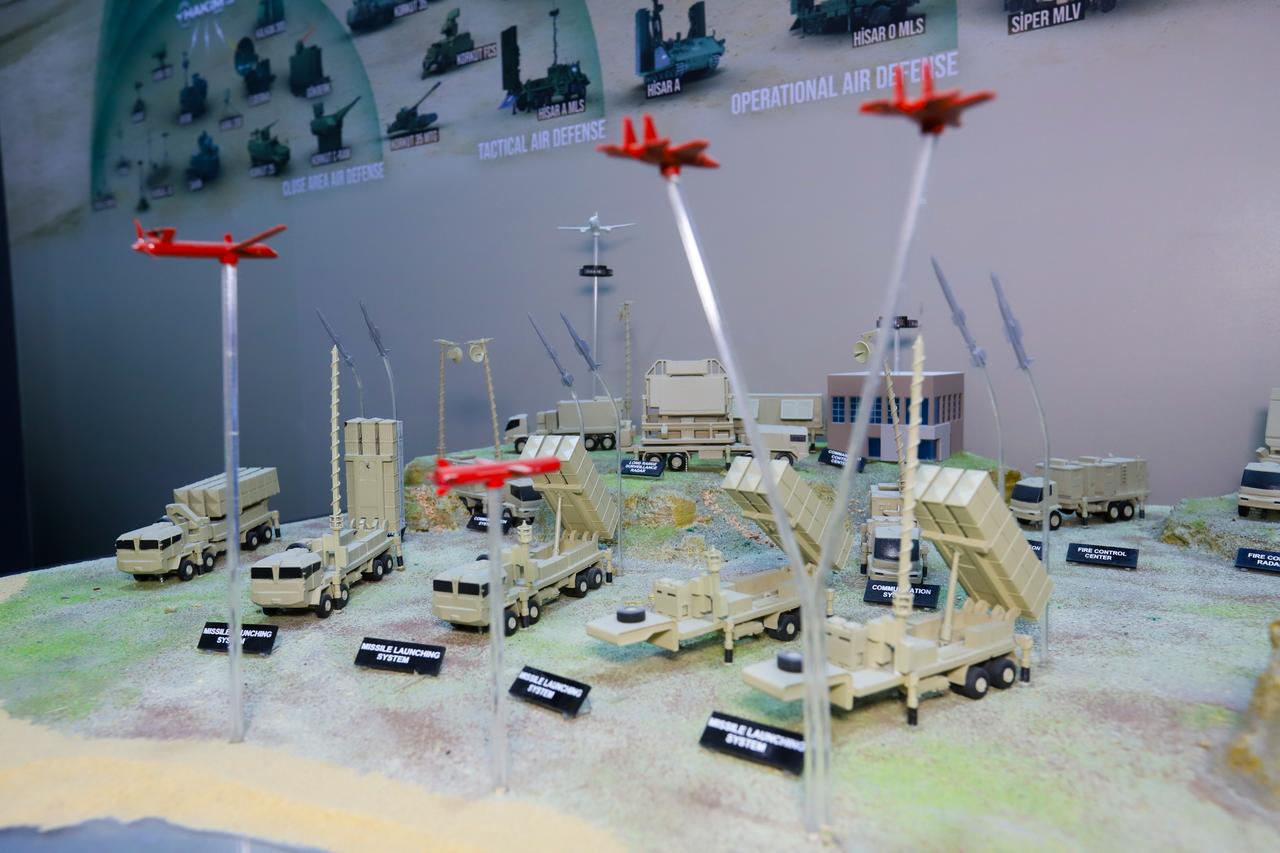


Türkiye's major defense firm Aselsan published an article on the social media platform X on Wednesday titled "Integrated and Layered Air Defense: Operational Requirements and Future Perspective," outlining the strategic requirements and technological advancements necessary for modern air defense systems.
Aselsan stated that integrated and layered air defense is no longer only system integration but a concept that must be addressed together with doctrine, threat perception, and resource prioritization.
"In the current combat environment where attacks occur through combinations of different types of threats, the need for air defense systems to work together and for specialized systems for each target type to operate in an integrated manner emerges," Aselsan wrote.
"This situation shows that a layered air defense solution is an unavoidable necessity for today's warfare environments," the article noted.
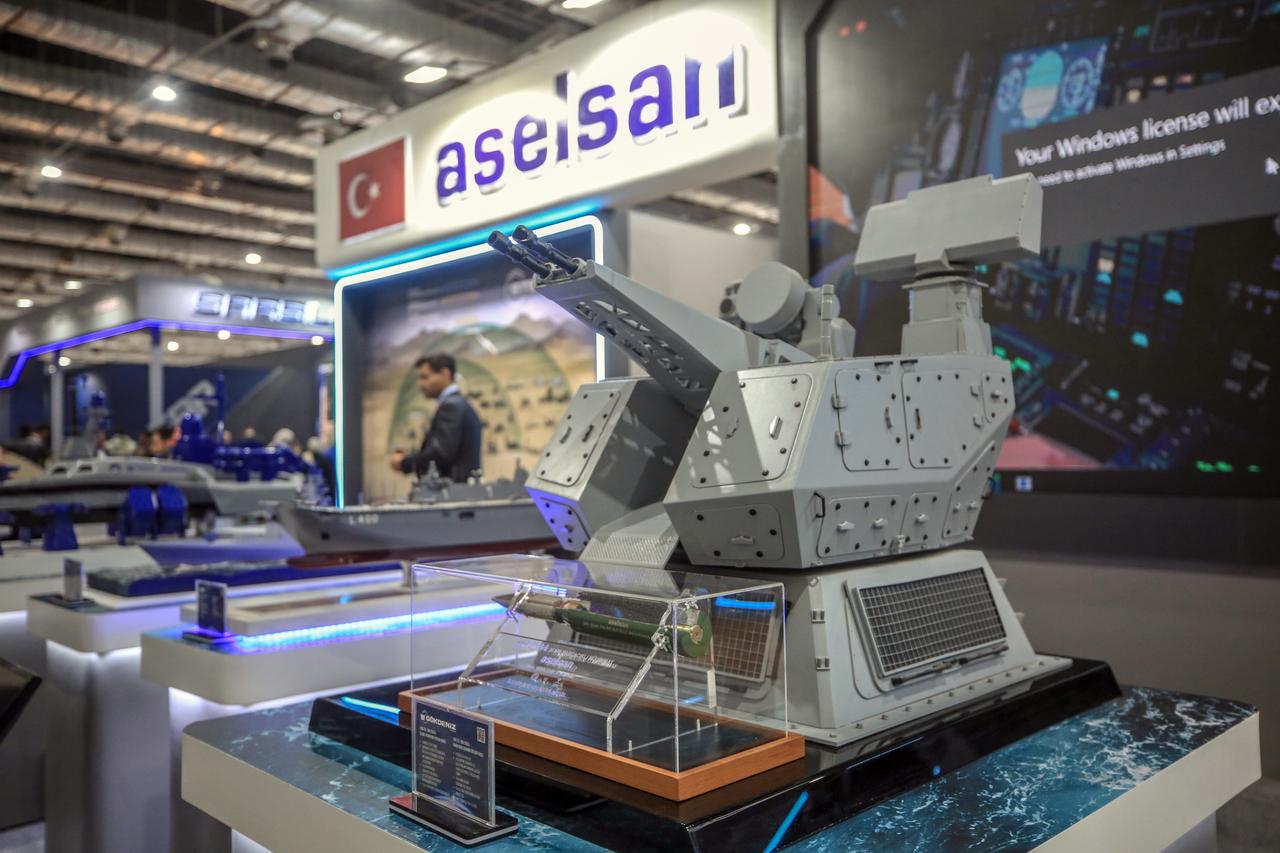

Aselsan identified two distinct categories of air threats: conventional and asymmetric.
"Conventional threats consist of electronic warfare threats, fighter aircraft, helicopters, air-to-ground missiles, cruise missiles, ballistic missiles, ammunition, and UAVs. Asymmetric threats include mini, micro, and small UAVs and tactical UAVs. FPV drones, rockets, and mortars also fall into this category," Aselsan wrote in its article.
Aselsan noted a significant evolution in threat types, stating, "Classical cruise missiles have been replaced by next-generation cruise missiles with very low probability of detection and high maneuverability capabilities. With the development of technological infrastructure, the field use of hypersonic threats with high-speed maneuvering capabilities is also increasing."
"Particularly in attack scenarios targeting countries' strategic regions, the use of ballistic and hypersonic threats is intensifying," the Turkish defense company noted.
Aselsan emphasized the necessity of integrated air defense, saying, "Since it is not possible to prevent all these threats with a single type of system, multiple air defense systems are being developed to prevent different targets at different distances."
"In the current combat environment where attacks occur through combinations of different types of threats, the need for air defense systems to work together and the necessity of having specialized systems for each target type emerge.
This situation shows that a layered air defense solution is an unavoidable necessity for today's warfare environments," the article stated.
"In a multi-layered attack environment where ballistic and hypersonic threats carrying various types of warheads launched from long distances target countries' sensitive regions, and autonomous attacks can be carried out through swarm UAV use, the air defense architecture must work in an integrated and layered structure to prevent the right target with the right weapon," the defense company noted.
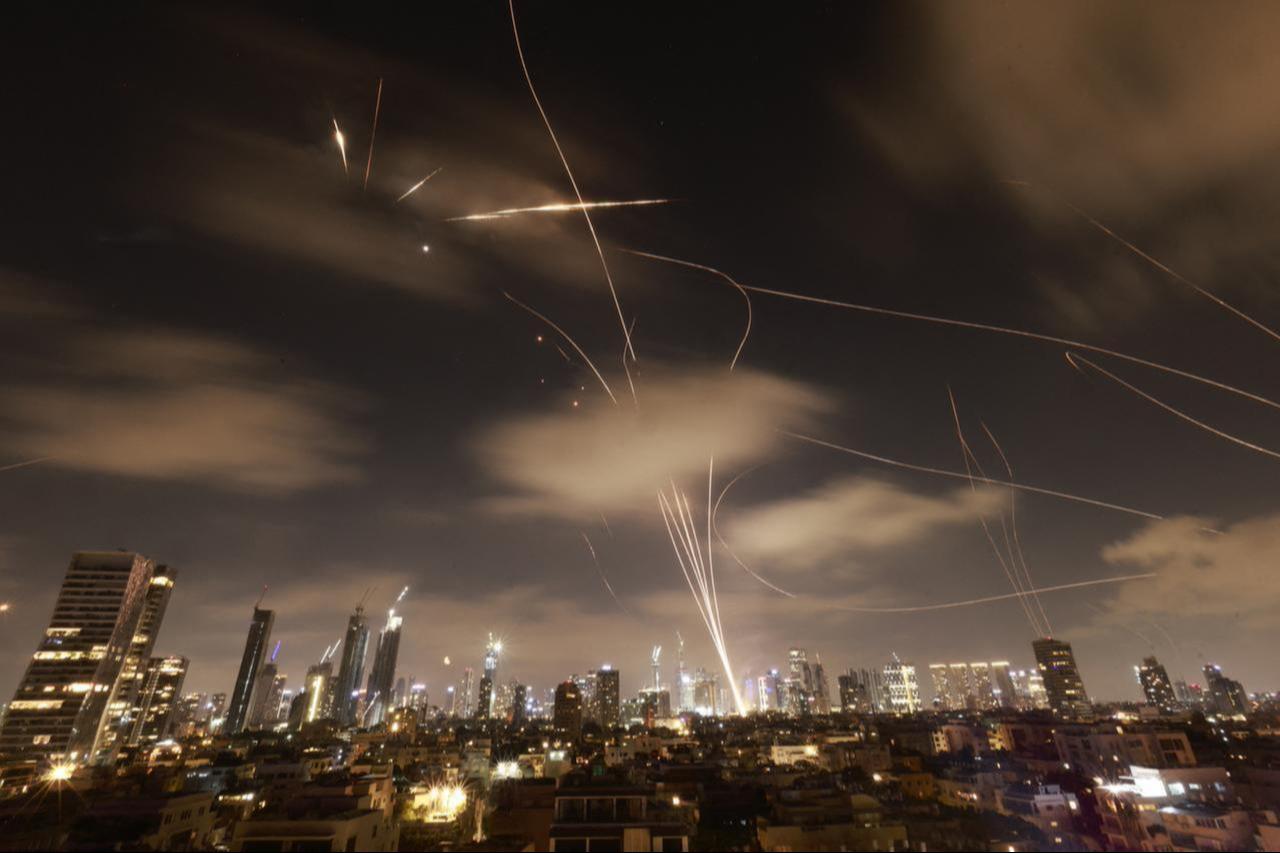
Aselsan outlined five primary advantages:
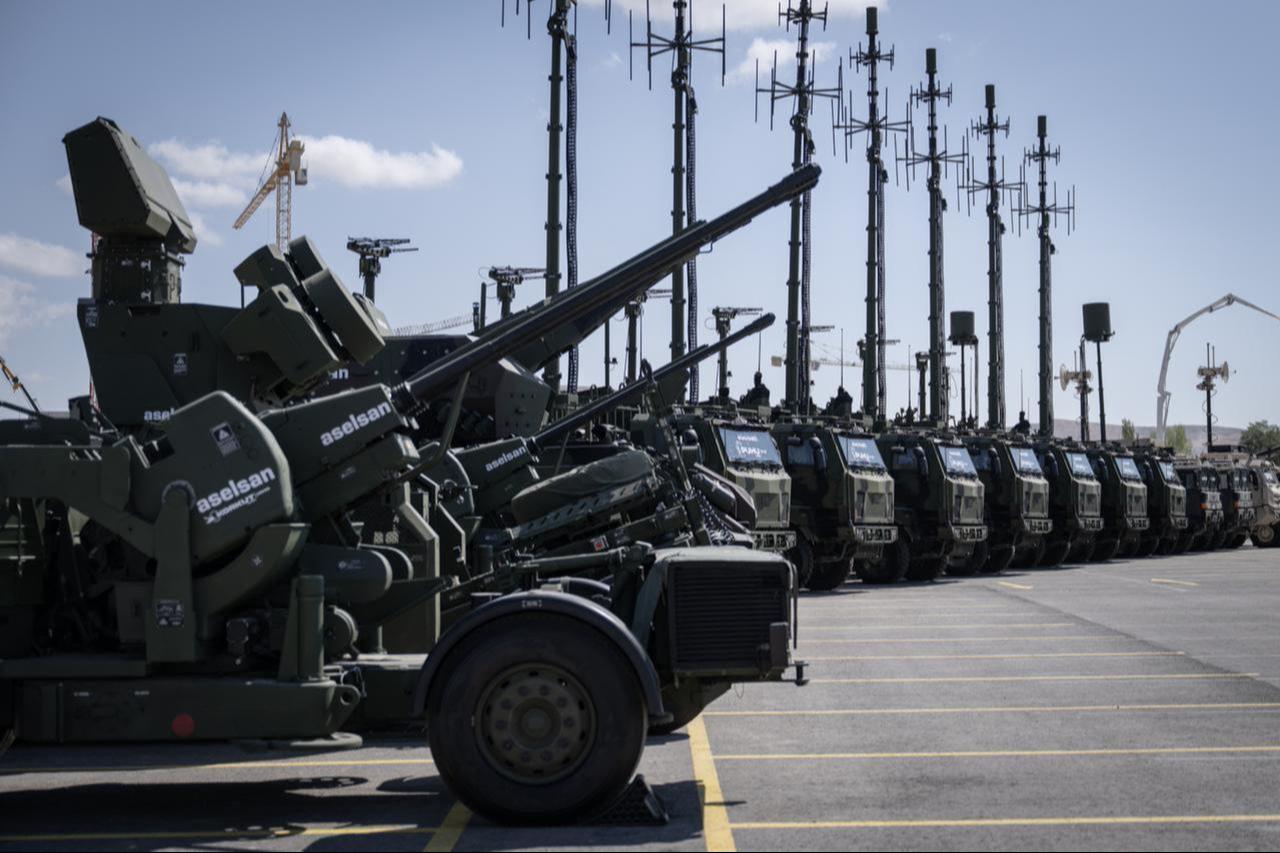
Aselsan defined the layered concept: long range, medium range, short range, and close range.
"The fact that ballistic and hypersonic targets can affect a wide area due to their warheads creates the need for them to be prevented at long ranges. Targets with relatively low impact areas fall within the target set of medium-short-range air defense systems, while close-range air defense systems are prominent in protecting critical facilities and medium-long-range air defense systems," Aselsan wrote.
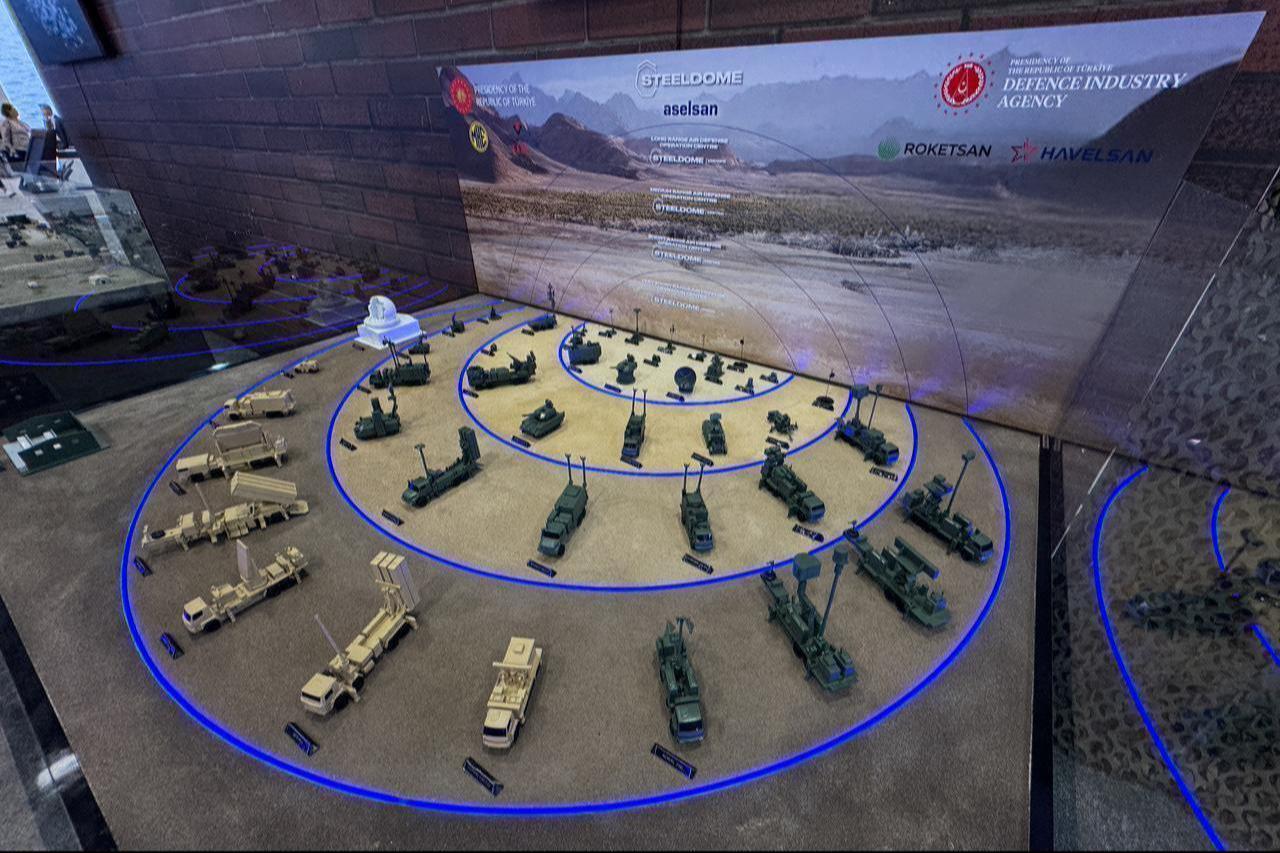
Aselsan stated that layered air defense systems' ability to function as integrated defense mechanisms depends on a unified working architecture of radar and electro-optical subsystems used for target detection and diagnosis, a multi-source data fusion infrastructure, and communication architectures capable of transmitting high volumes of data to multiple users with low latency.
"Particularly for the emerging next-generation layered air defense architectural approach principle of 'Any Sensor—Any Effector' to be achieved, an integrated real-time command and control infrastructure is needed," Aselsan noted.
"The impact of layered air defense architecture increases when it covers all ground, air, and maritime elements. Especially against next-generation threats moving at very high speeds independent of distance and environment, the combination of all force components and 'sensor-weapon' capabilities located in defense elements is of critical importance," the article stated.
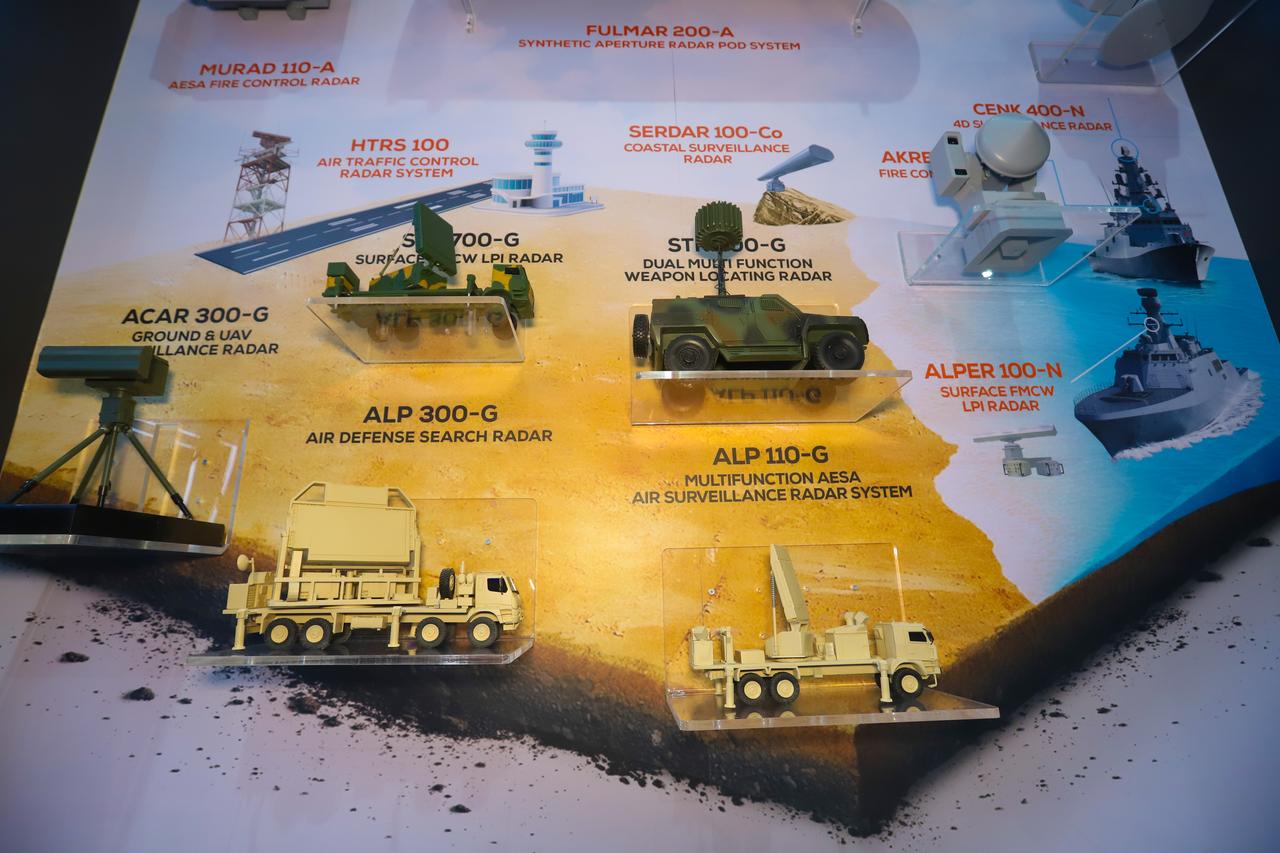
Aselsan emphasized AI requirements by stating, "Particularly due to the high speed and maneuvering capabilities of hypersonic and ballistic threats, there is a need for target classification, course estimation, fire control, and engagement operations to be performed very quickly with high accuracy."
"In this regard, there is a need to use artificial intelligence-supported software that can reduce human interface," the article noted.
"Layered air defense systems' ability to operate time-critical integrated air defense activities requires transition to artificial intelligence-supported operations in optimization and decision support technologies," Aselsan's article wrote.
Aselsan noted expanding UAV roles, writing, "In addition to UAVs performing reconnaissance, surveillance, and damage assessment tasks in land, sea, air, and space missions, work is being conducted on their effective use in different missions."
"In parallel, it is assessed that the direct contribution to operations of current and future UAVs, particularly for close air support, armed reconnaissance, air and missile defense, SEAD/DEAD missions, EW, and information operations, will increase further," Aselsan wrote.
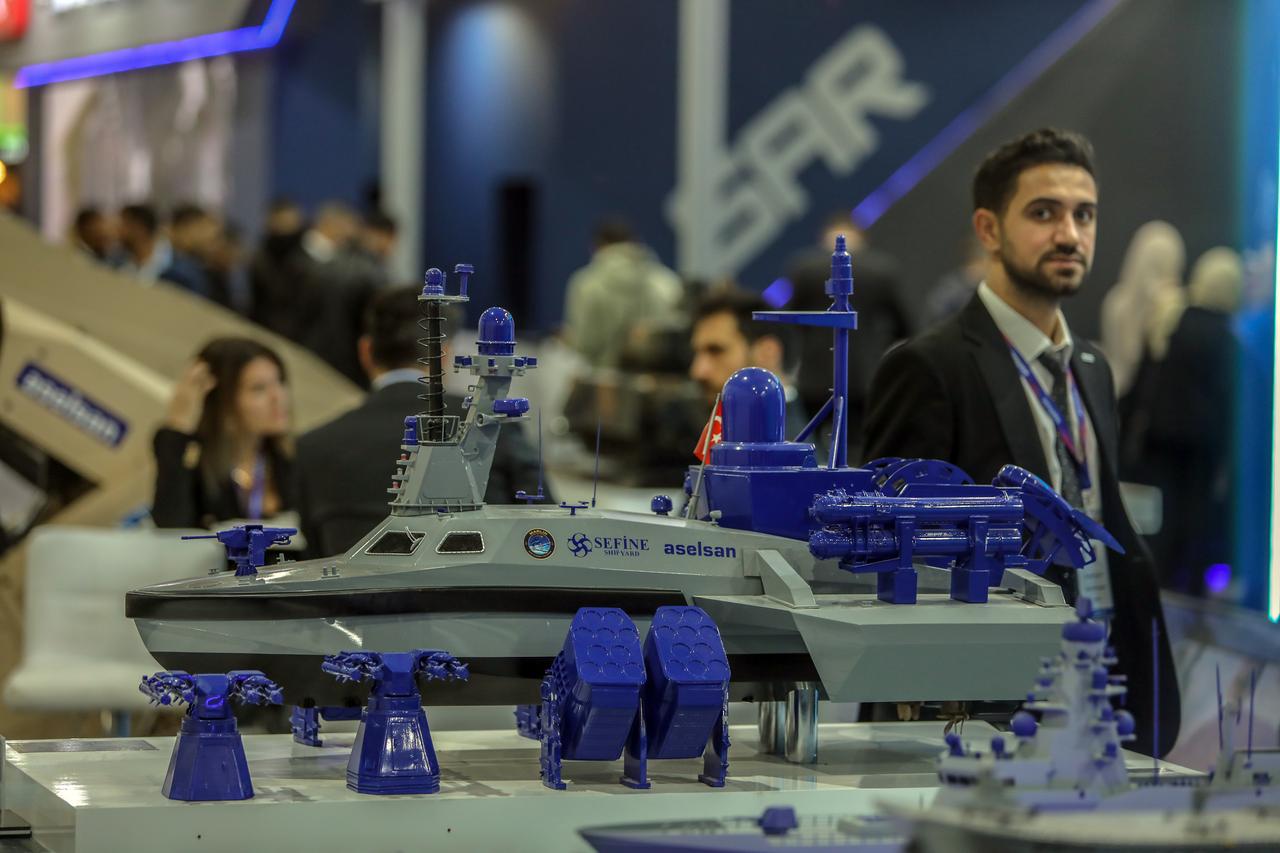
Aselsan also outlined emerging technological challenges in its article, stating, "Ballistic missiles will have autonomous intelligence capable of changing course based on threat perception during flight, updating targets, and performing evasion maneuvers."
"This development will invalidate classical missile defense concepts based on fixed trajectory assumptions. Ballistic threats' maneuvering capability and strike precision are being increased."
"Structural difficulties in hypersonic threat design are increasingly overcome, and threat speed and maneuvering capability are being increased," the article noted, adding, "The ease of FPV drone production, particularly asymmetric threats, reveals that the importance of close defense in the battlefield will increase."
"In this sense, air defense systems that can be effective against swarm FPV/UAV attacks will stand out," Aselsan wrote.
The Turkish defense giant projected future defense architecture evolution, stating: "With the increase in the sophistication level of threats, air defense systems also need to adopt next-generation architectures."
"Due to limited reaction time and field of view of ground-based air and missile defense systems, space-based laser and kinetic prevention systems will be deployed against hypersonic and ballistic threats. These systems will have the capacity to neutralize missile threats outside the atmosphere."
Aselsan concluded with an integrated systems approach: "To provide effectiveness against current high-technology air threats, combined effective use of air defense systems and integration with civil warning systems to enable necessary measures to be taken in the shortest time possible against these threats is of great importance."
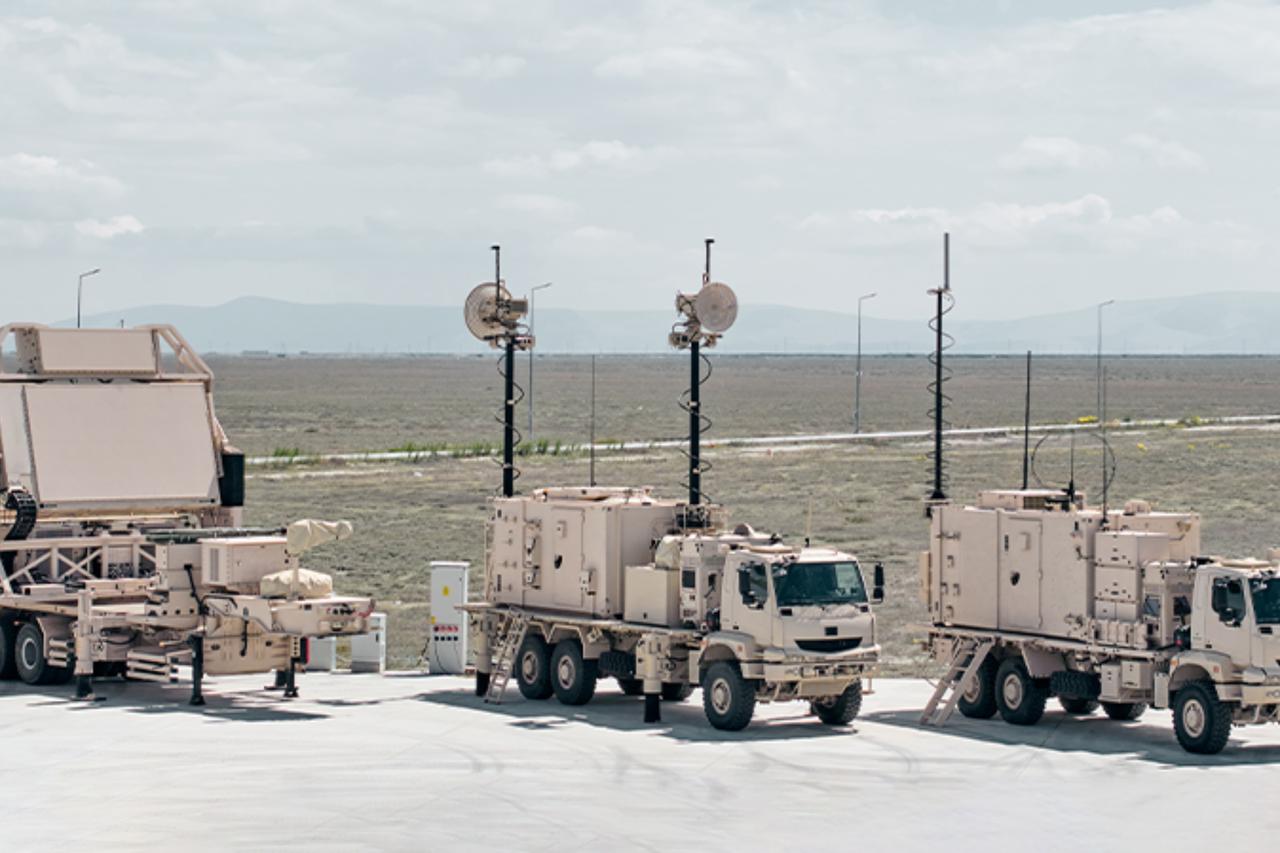
For this purpose, current sensors, weapons, communication, and command-control systems and systems planned to be deployed in the future will provide effectiveness with the system of systems that enables their integrated operation together with Steel Dome."


 Set as preferred source
 Set as preferred source


 1 min read
 1 min read