Newsletters


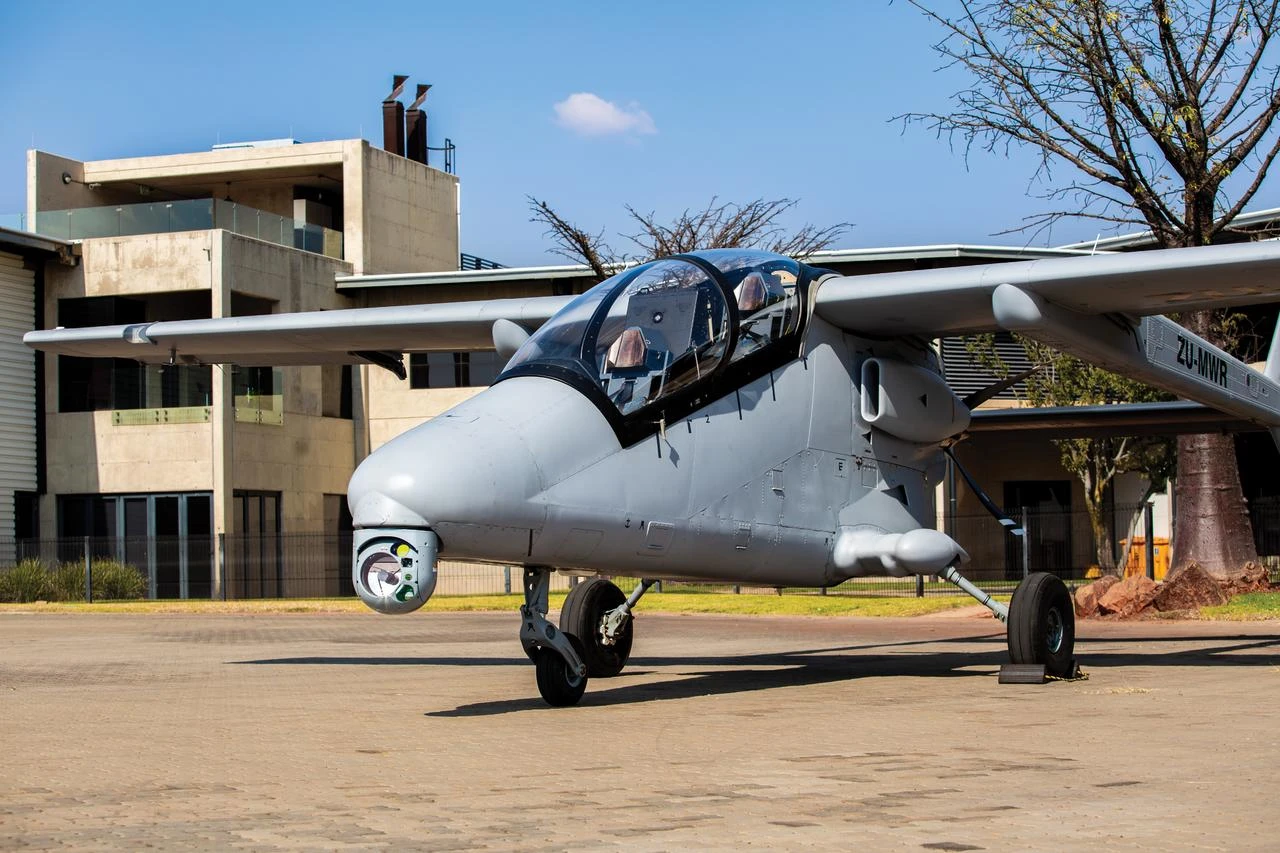


Aselsan's ASELFLIR-500 electro-optical reconnaissance, surveillance and targeting system has been integrated onto South Africa's Mwari counterinsurgency (COIN) aircraft, marking the system's first integration onto a foreign manned platform, the company confirmed.
According to information obtained by state-run Anadolu Agency (AA) from Aselsan, the integration of ASELFLIR-500 onto the Mwari, developed by South Africa's Paramount Aerospace Industries, has been completed.
The integration enhanced the Mwari's reconnaissance, surveillance, target detection, tracking and marking capabilities.
This is the first time ASELFLIR-500 has been integrated onto a manned platform and the first time onto a foreign platform; the system has previously been integrated onto the Bayraktar TB2, Bayraktar TB3, Akinci and Anka-III unmanned platforms.
Designed for use on both manned and unmanned aerial platforms, ASELFLIR-500 incorporates a high-resolution mid-wave infrared camera, a daylight camera and a short-wave infrared imaging channel.
The system operates with laser range-finding, laser target designation, target tracking, precision stabilization and advanced image-processing capabilities.
Weighing approximately 54 kilograms, its laser target designator and rangefinder have a range of up to 35 kilometers.
Aselsan said the AI-supported image-processing capability allows targets to be detected and identified from long distances by processing imagery from its different optical channels. Built with a four-axis gimbal and two-axis optical stabilization, the system is designed to reduce the effects of aircraft maneuvering and vibration on image stability, and offers 360-degree continuous rotation for a wide field of view.
ASELFLIR-500 entered serial production in February 2024 and has since been integrated onto multiple platforms, including the Bayraktar TB2, Bayraktar TB3, Akinci, Anka, Anka-III and Aksungur.
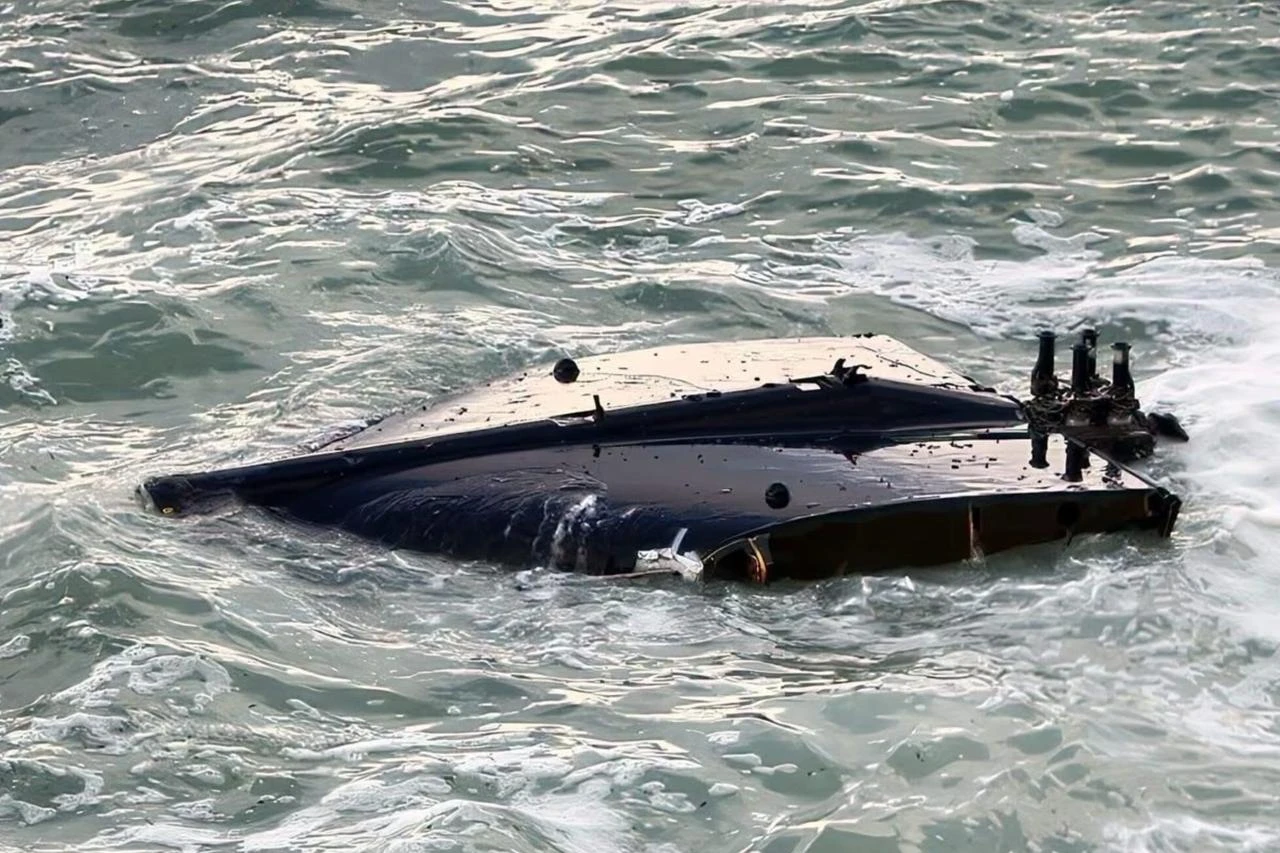
The system has previously been used in an operational context aboard the Akinci combat drone, detecting and laser-marking an unmanned surface vessel at sea that was subsequently struck.
Aselsan said the system has been exported to more than 20 countries to date.
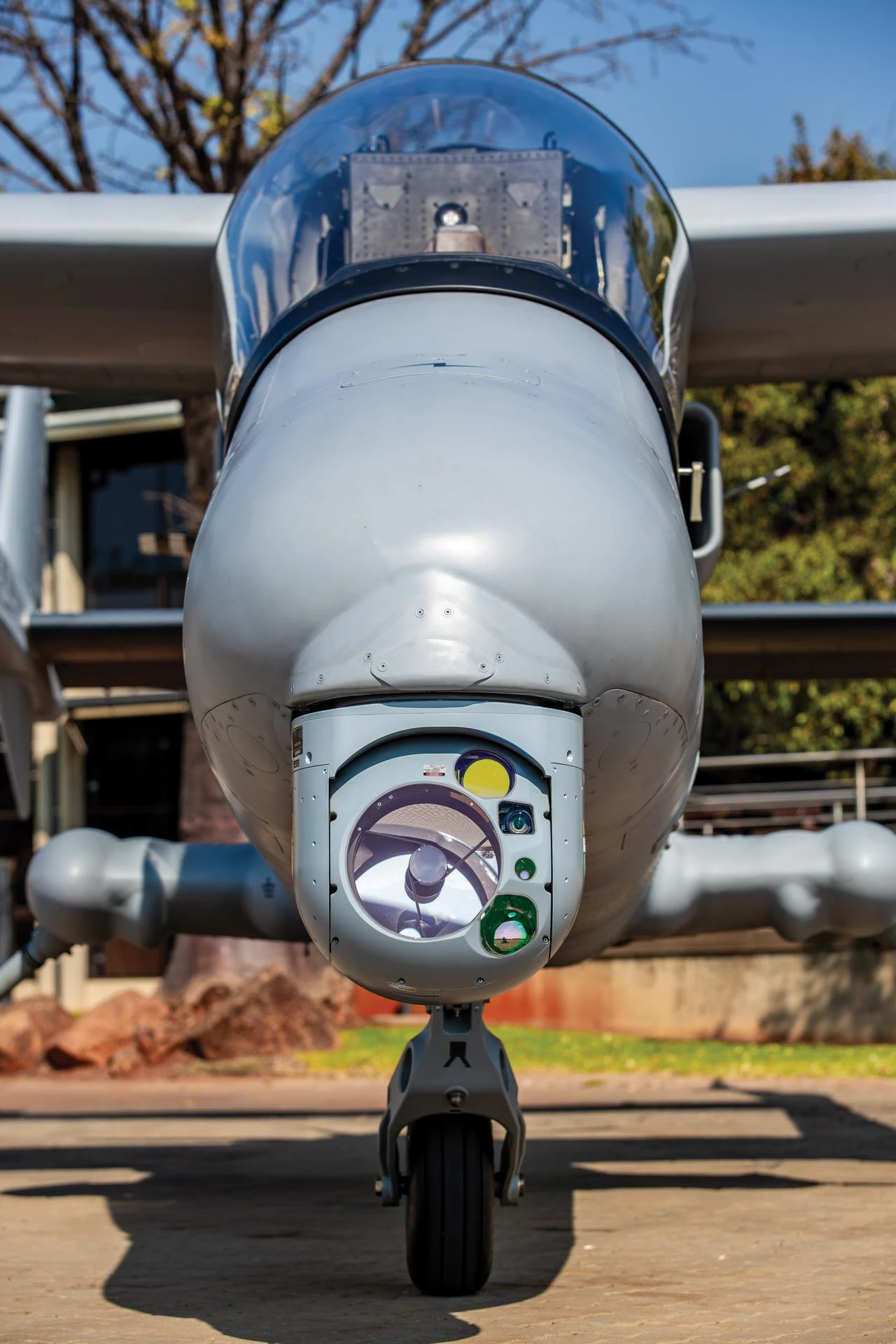

The Mwari, a two-seat light attack and reconnaissance aircraft developed by Paramount Aerospace Industries, is designed for short takeoff and landing (STOL) capability with large, high-mounted wings, and is powered by a Pratt & Whitney PT6A-66B turboprop engine producing 950 shp, with an endurance of up to 10 hours depending on configuration.
The aircraft has an open architecture and modular, plug-and-play mission systems bay, allowing it to be reconfigured quickly with different sensors and weapons. It can be used for intelligence, surveillance and reconnaissance, border and coastal patrol, counterinsurgency and counterterrorism, and precision strike missions.
With six underwing hardpoints, the Mwari can carry between 800 and 1,000 kilograms of payload, including Mokopa anti-tank guided missiles and Mk-81/82 general-purpose bombs.
The aircraft has a maximum cruise speed of roughly 230 knots, a service ceiling of 21,000 feet, and a maximum mission range of 1,150 nautical miles.
Aselsan said the integration is expected to support its access to new markets and to help expand export opportunities for the Mwari aircraft in various countries.


 Set as preferred source
 Set as preferred source



 2 min read