Sign in
 Newsletters


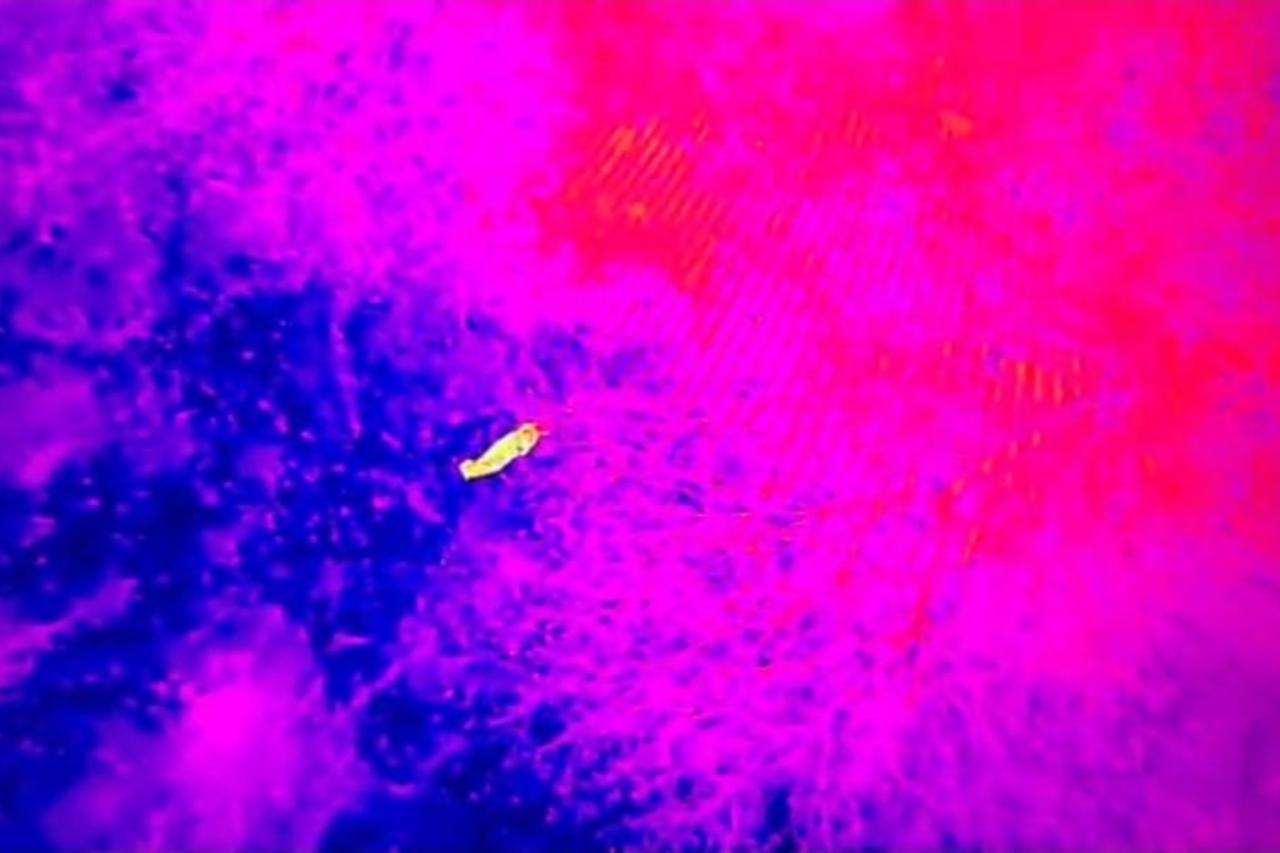
Turkish defense giant Aselsan's Gokdeniz close-in weapon system detected, tracked and destroyed high-speed aerial targets approaching from different directions and altitudes during a live-fire international demonstration off the Black Sea coast, the company announced on Monday.
The targets represented high-speed jet-powered drone threats and flew low-altitude maneuvering profiles simulating modern threats such as drones and cruise missiles.
The test date was not disclosed.
The test was conducted in autonomous mode, in which Gokdeniz automatically carried out target detection, tracking and engagement initiation, with the operator's role limited to approving fire with a single button.
The ship sailed at 5 to 10 knots throughout to recreate realistic operational conditions.
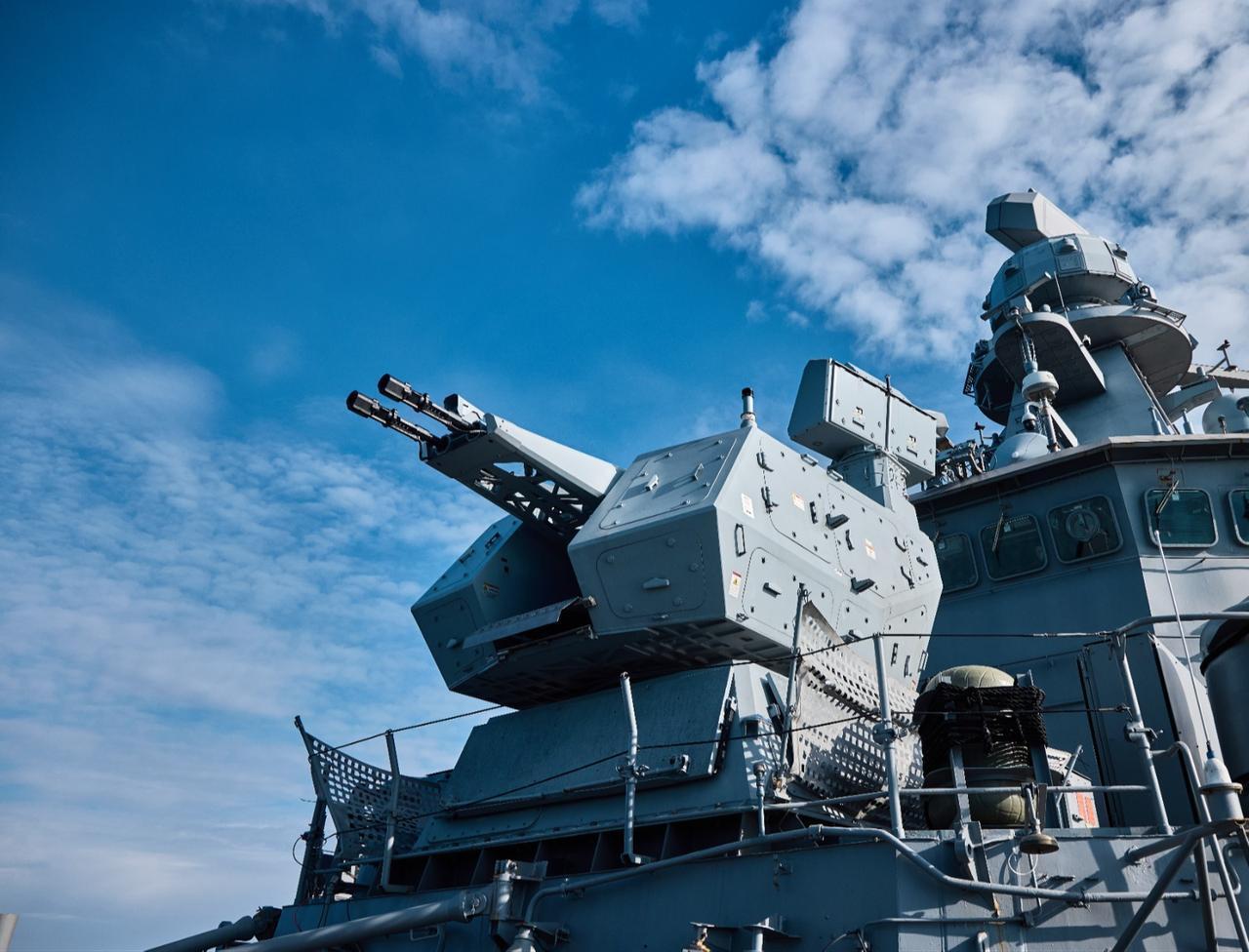

In addition to the autonomous mode used in the test, Gokdeniz has a fully autonomous mode in which it can complete the entire engagement process, including firing, without operator intervention.
Automating detection, tracking and engagement significantly reduces reaction time in time-critical naval defense scenarios, according to Aselsan.
Gokdeniz uses Aselsan's 35 mm ATOM airburst ammunition, with an effective range of 4 kilometers against air threats, and its twin gun fires 1,100 rounds per minute.
An automatic linkless feed allows HEI and airburst rounds to be loaded simultaneously and selected by target type.
The 100/35StA version adds a 3D search radar.
The system is designed to counter anti-ship missiles, helicopters, fighters, drones and asymmetric surface threats.
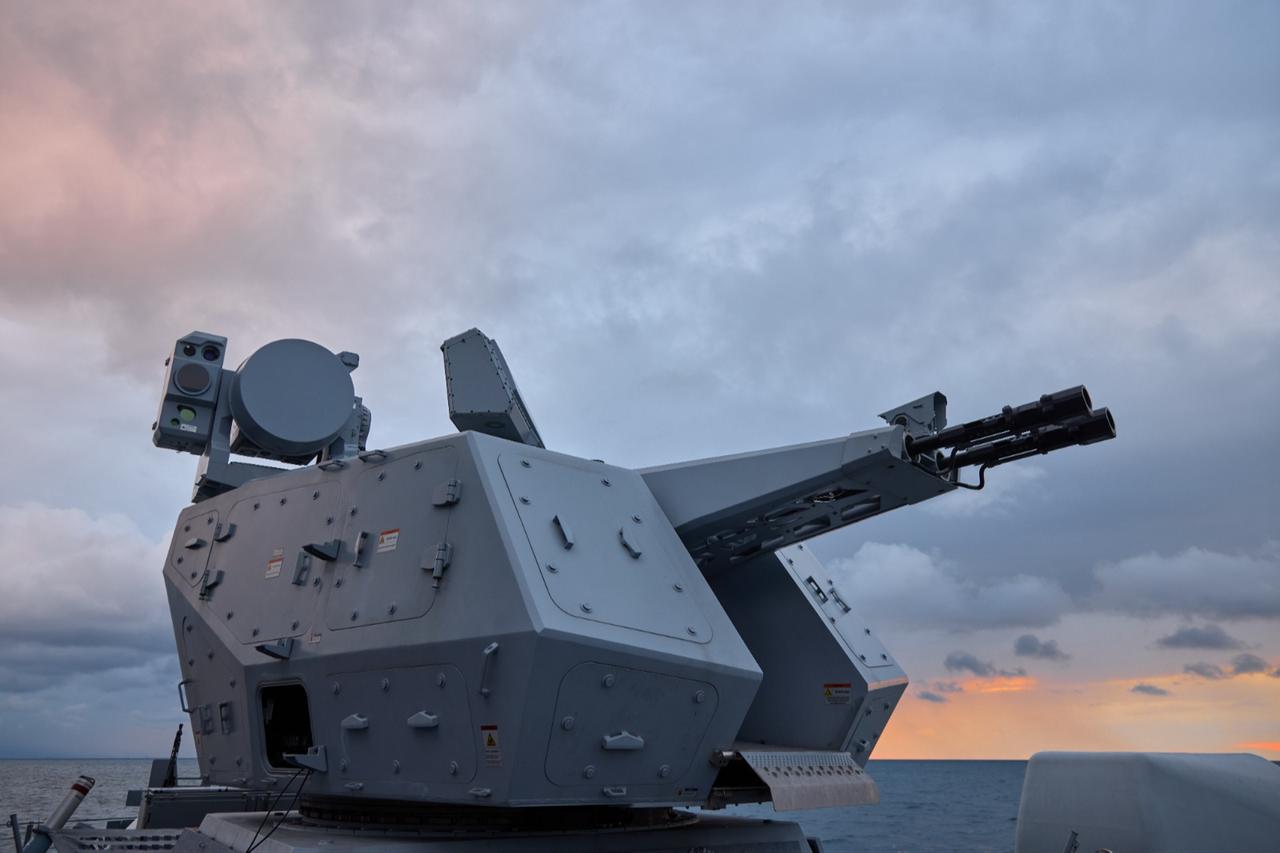
Aselsan recently unveiled a deployable, containerized Gokdeniz configuration at the EURONAVAL exhibition, aimed at giving commercial vessels advanced close-in air defense.
Gokdeniz is used by the Turkish Navy and six other navies, as the Black Sea live-fire test showcased Gokdeniz's autonomous capabilities.


 Set as preferred source
 Set as preferred source


 4 min read