Sign in
 Newsletters


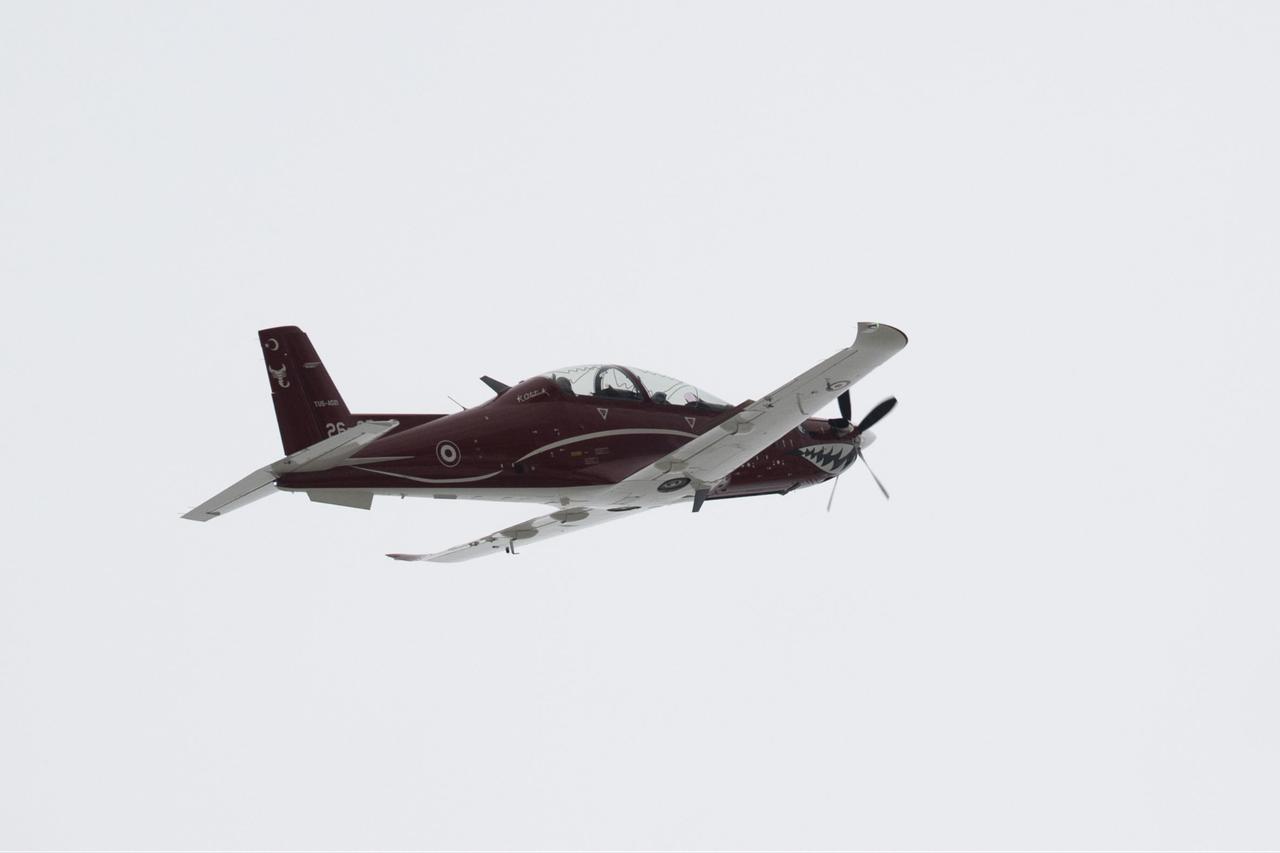


Turkish defense software company Havelsan has completed acceptance processes for its mission planning software for the Hurkus trainer and light attack aircraft developed by Turkish Aerospace Industries (TAI), the company said on Sunday.
Havelsan's Squadron-Level Mission Planning (FSGP) system, used in the Turkish Air Force (TurAF) inventory for many years, is being specially integrated into the Hurkus platform.
Unlike in fighter jets, it offers debriefing capabilities tailored to training-focused platforms, directly supporting pilot development.
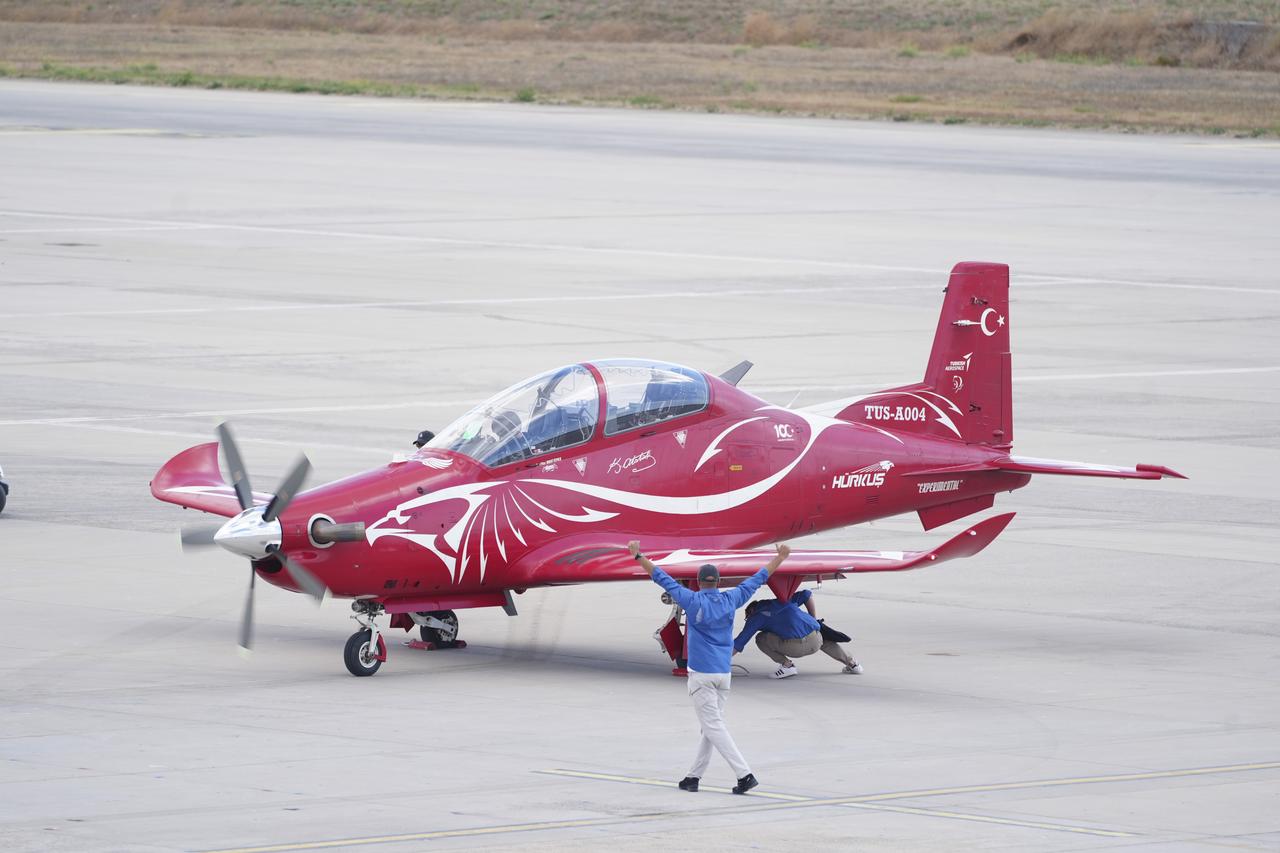

The software digitizes flight preparation by processing route optimization, fuel consumption analysis, weather integration, and emergency scenarios, enabling pilots and air traffic controllers to make faster, error-free decisions and improving time management in training and potential field operations.
The system is fully integrated with the Air Force Information System (HvBS), allowing air tasking orders, airspace information and meteorological data to be used in mission planning, and can also run in standalone mode independent of the network, according to the company.
Havelsan called the capability "a milestone in reducing foreign dependence and in the digital transformation of Türkiye's aviation and defense industry."
 1 min read
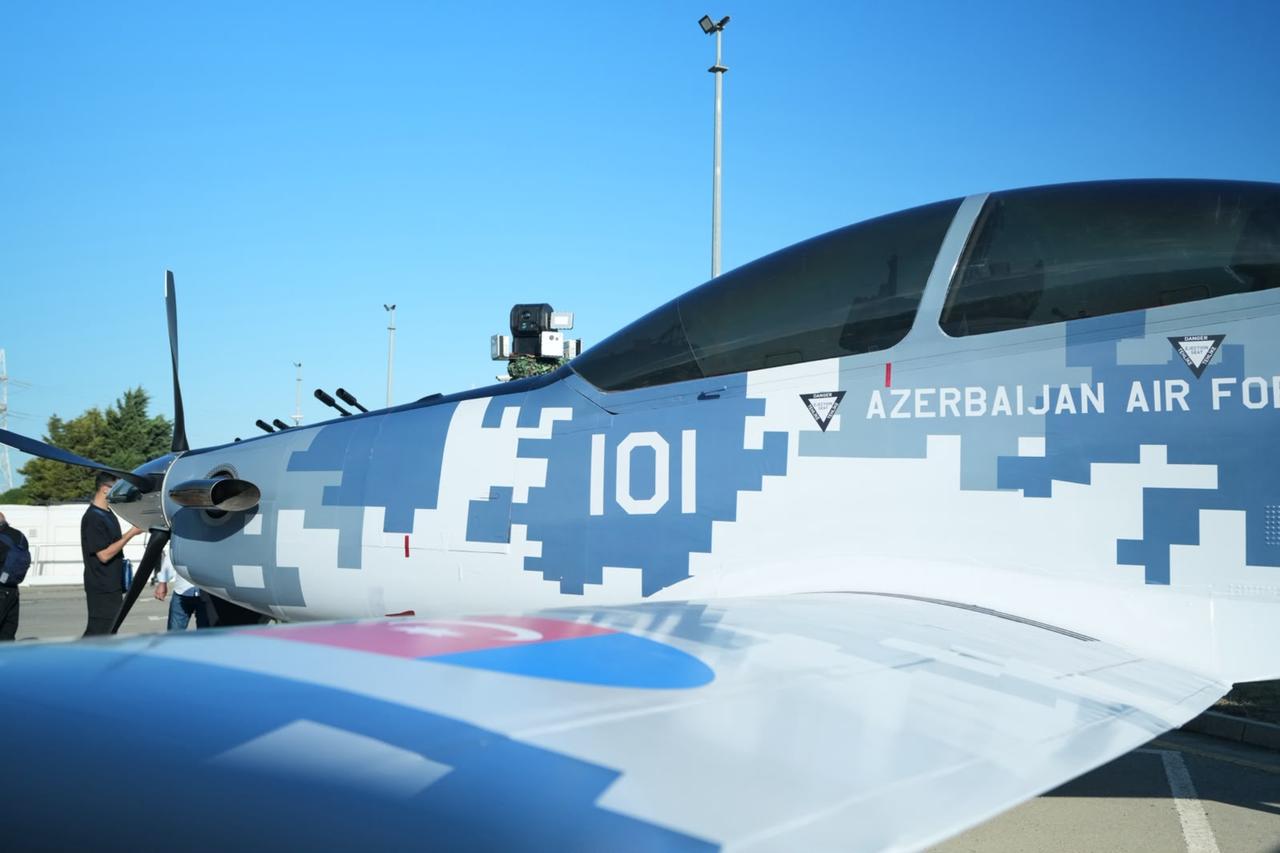
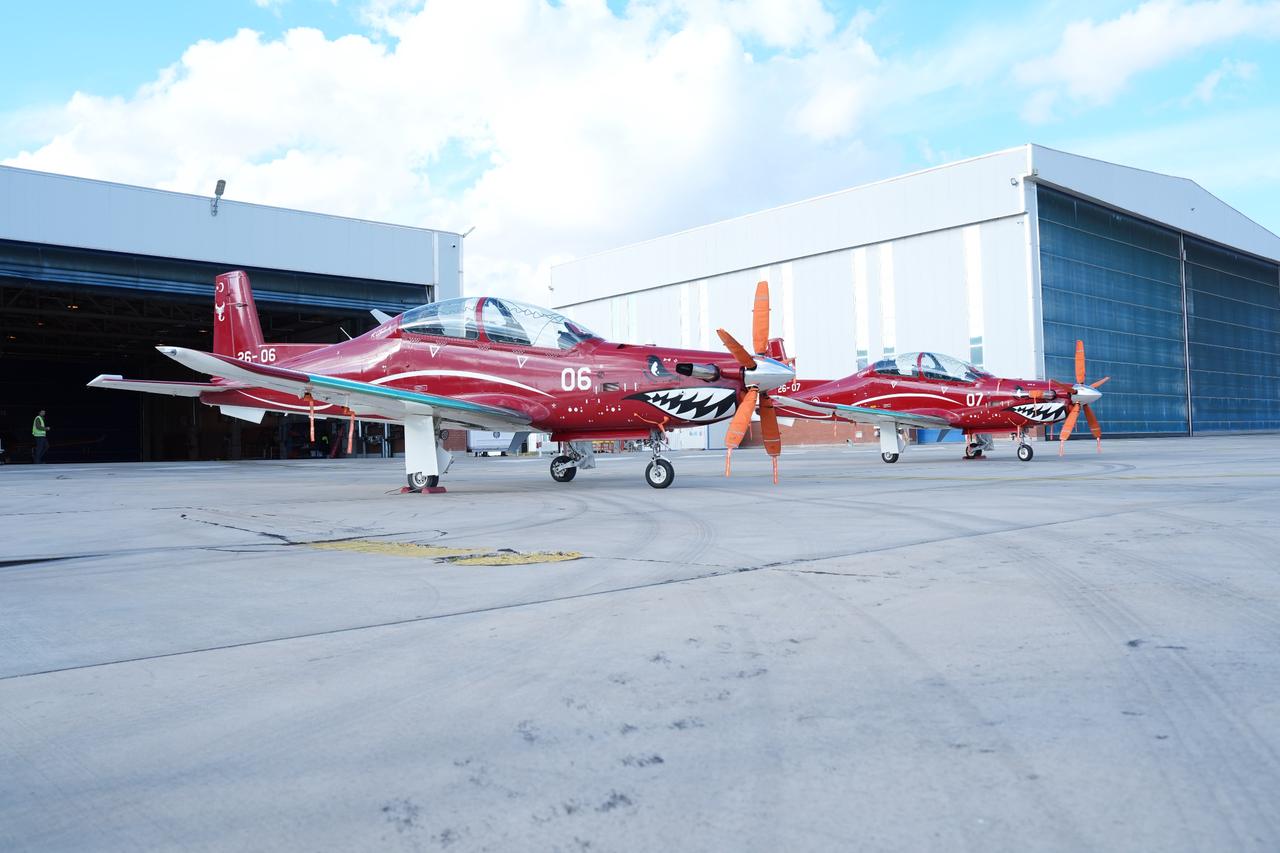
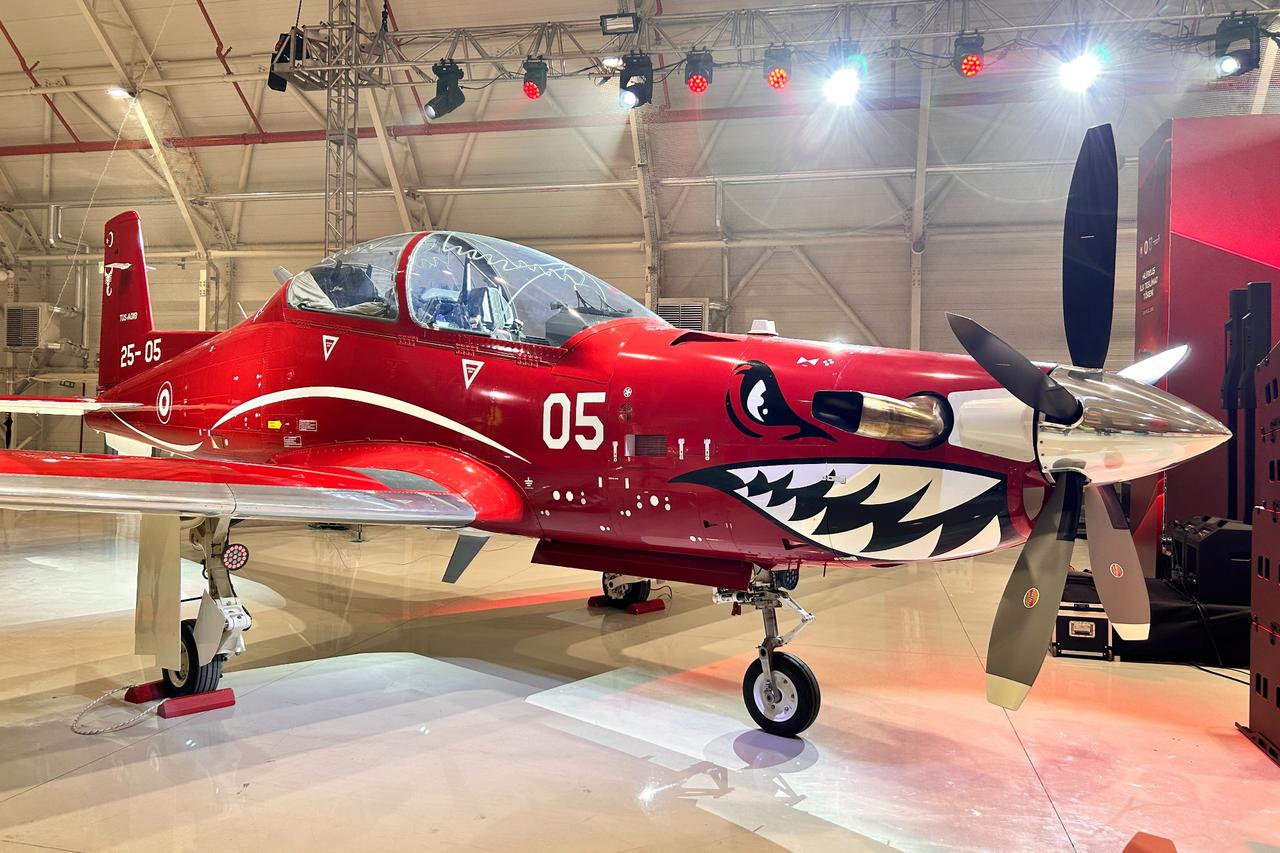
The tandem-seat, single-engine turboprop Hurkus became the first Turkish aircraft to receive EASA type certification, validated in 2016. Fifteen Hurkus-B aircraft have been produced under a 2013 contract, flying about 1,500 sorties and 3,200 hours.
Work on the Hurkus New Generation Basic Training Aircraft began after a 2021 contract amendment, with delivery to the Air Force scheduled for 2026.
Four Hurkus II trainers have been delivered to the Turkish Air Force, and two have reached Cigli, where they will be used to train pilot candidates, as Havelsan's Hurkus software enters service.


 Set as preferred source
 Set as preferred source


 1 min read