Newsletters


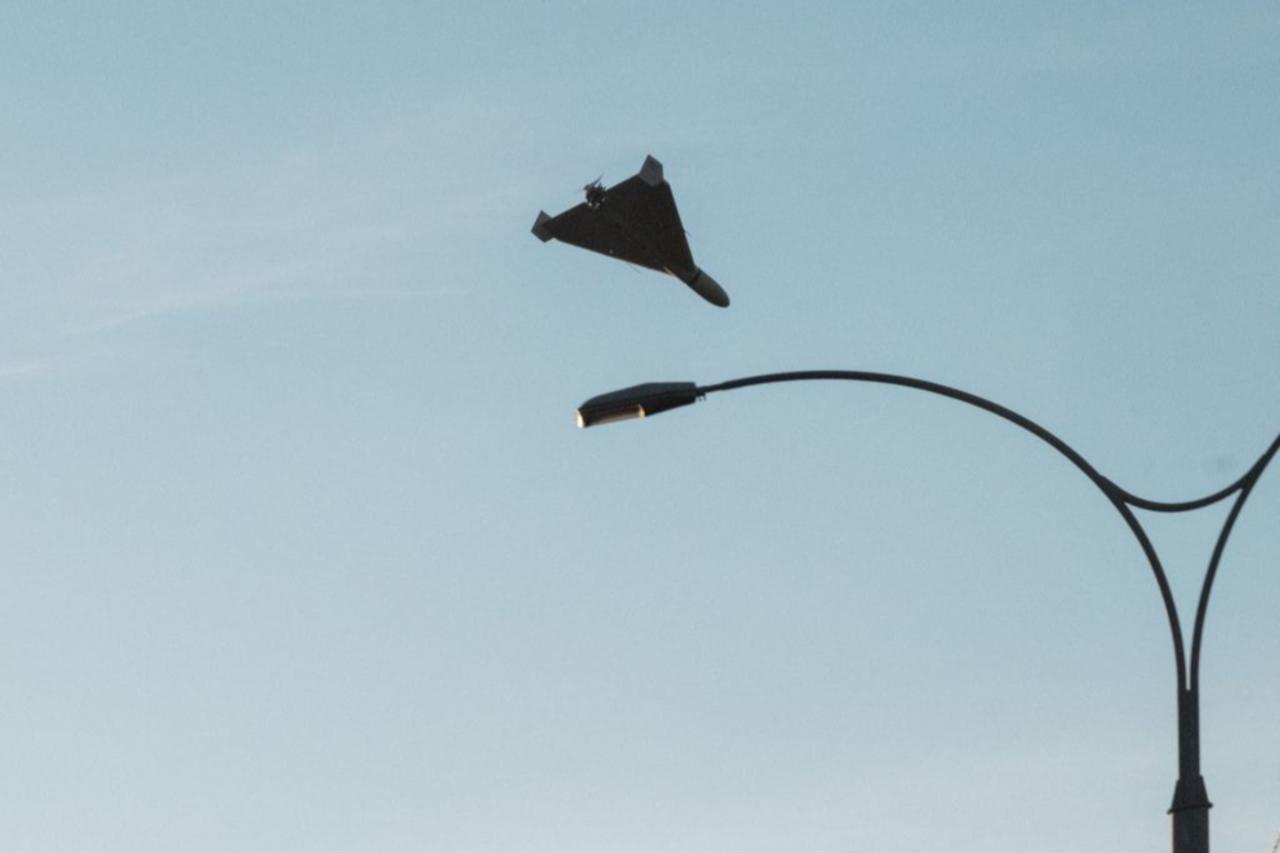


The incidents involving violations of Turkish airspace by Russian drones were not isolated, with several confirmed cases indicating they were not accidental, Sinan Ulgen, director of the Center for Economics and Foreign Policy Studies (EDAM), said in an interview with the National News Agency of Ukraine, Ukrinform.
"I don't think these are accidental, because they started to happen suddenly, and not just one, but at least right now, there are three or four confirmed sightings of these drones violating Turkish airspace. So, if it had been one, we could have talked about it being accidental, but the timing and the frequency tell us that this is not accidental," Ulgen said.

The former Turkish diplomat also said that Ankara should first of all warn Russia that such behavior is unacceptable.
"Türkiye should also, in parallel, devise novel ways to potentially counter this sort of hybrid threat. Because right now, the traditional response of having a fighter jet use multi-million dollar ammunition to down a $5,000 or $10,000 drone does not make sense," Ulgen noted.
According to him, Türkiye needs a certain degree of creativity to develop its means of defense against drones.
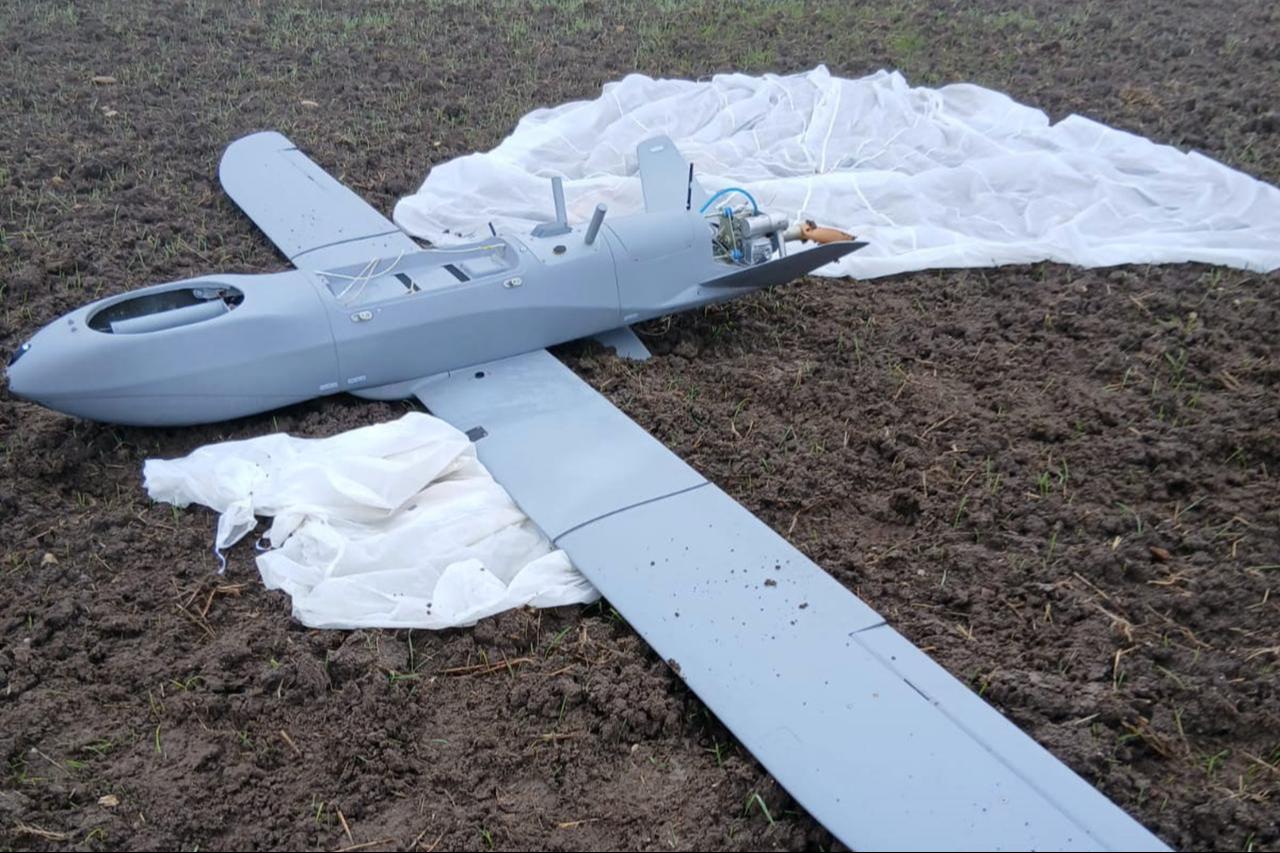
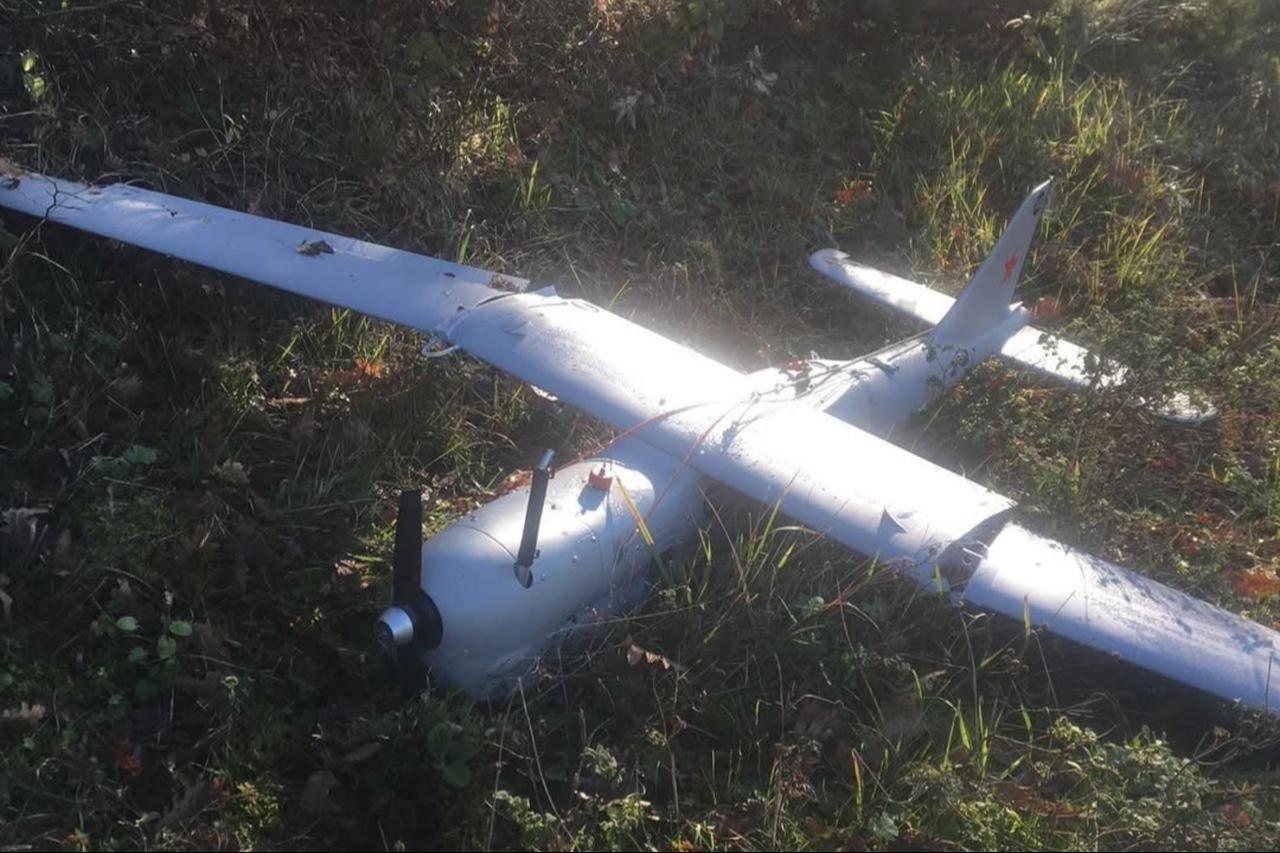
In December, the Turkish Air Force shot down an unmanned aerial vehicle (UAV) over the Black Sea that was approaching Turkish airspace using an F-16 fighter jet. Later, in northwestern Türkiye, in Kocaeli province, which borders Istanbul province, a Russian Orlan-10 drone was found.
Subsequently, in western Türkiye, an unmanned aerial vehicle crashed into a vacant lot in Balikesir province.
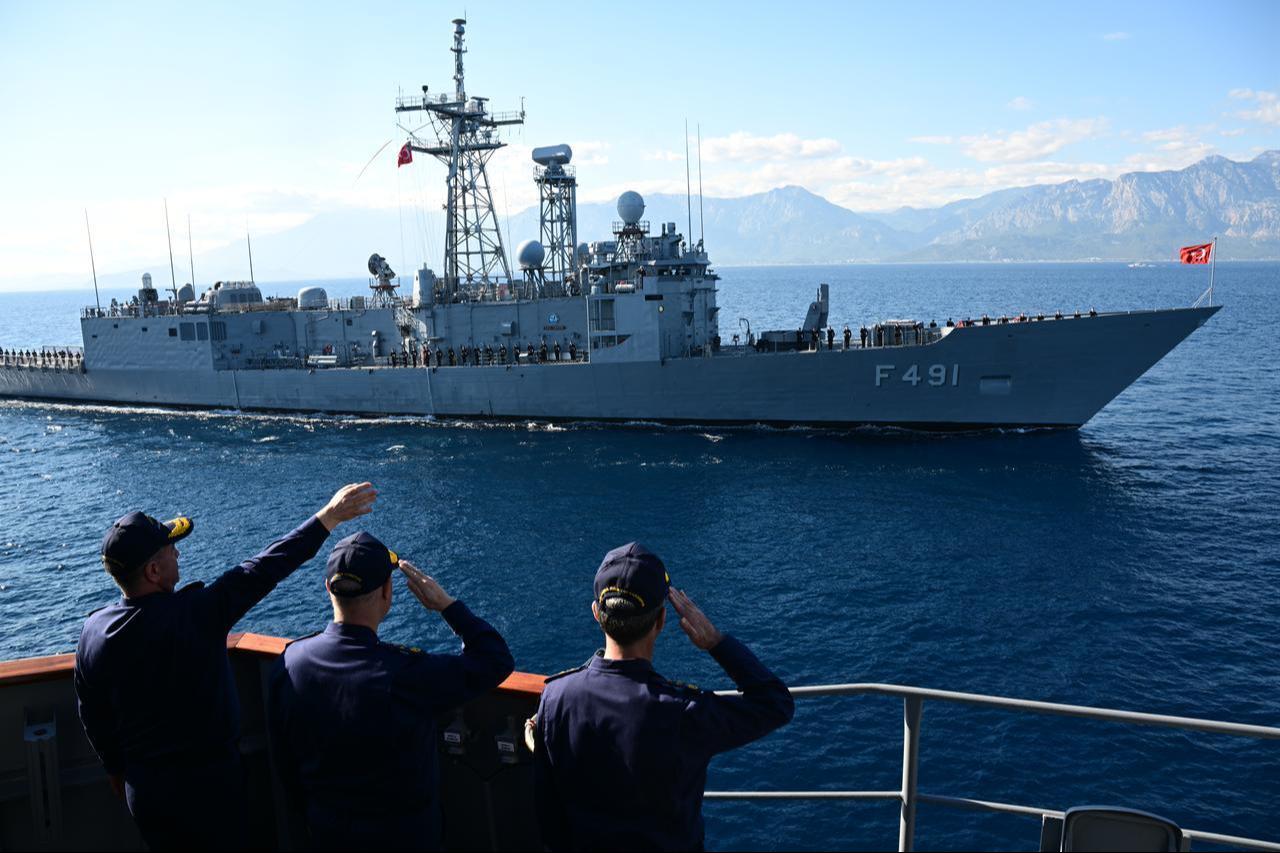
Ulgen added that Türkiye is ready to take leadership in the naval dimension of security guarantees for Ukraine, saying: "This is understandable, considering its position and the fact that it implements the provisions of the Montreux Convention. And it is also ready to contribute to the air dimension through air patrol capabilities."
He noted there are no particular discussions about deploying Turkish soldiers on Ukrainian territory, adding that negotiations are "somewhat unclear" regarding who will be ready, under what conditions, and whether this will happen before or after a settlement.
"However, in general, Türkiye is ready to make its contribution to this package of security guarantees, primarily through the naval and air dimensions," he said.
Ulgen also emphasized that Black Sea security will require a new approach, but it cannot be separated from the discussion of European security and Ukraine's security guarantees.
"If we as an international community really get a reliable package of future security guarantees for Ukraine, there will be a Black Sea dimension in it. In any case," he added.
He said Ukraine and Türkiye need to discuss the details of the naval dimension of security guarantees, including what Türkiye is ready to do, under what conditions, with what capabilities, and what the possible conditions of engagement might be.
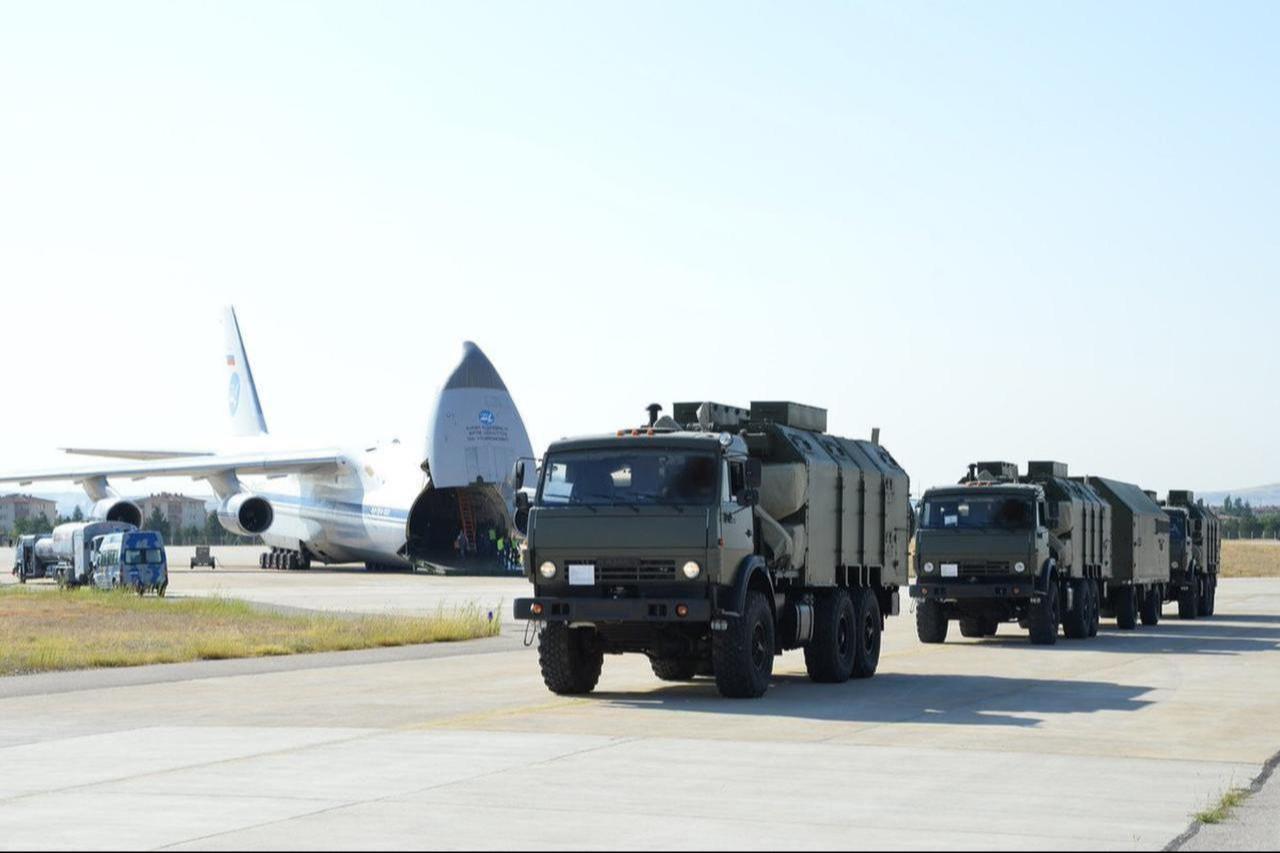
Ulgen said from Türkiye's perspective, the best solution for the S-400 air defense systems is to return them and get the money from Russia.
"But I don't think this is very realistic. I don't think Russia will be ready to solve Türkiye's problem with the S-400. Even if this issue is being discussed again, according to the Bloomberg report, another solution is needed," he stated.
He said one solution would be to send these systems to a Turkish base located in one of the countries where Türkiye has a military presence, such as Libya or Qatar.
"But here the United States must meet halfway. Because now the US condition for lifting the sanctions that were applied due to the S-400 deal is for Türkiye to cease ownership of them. So, returning the S-400 to Russia would fulfill this condition, but sending it to a Turkish base abroad does not fully meet it. But the US can show some flexibility and accept such an outcome," the former Turkish diplomat said.
He noted that a third possible option for Türkiye would be to destroy these systems, but "this is very difficult for the government. We need a face-saving formula."
Regarding the broader European security situation, Ulgen said Russia's aggressive war against Ukraine demonstrated that the only way to deal with Russia is to act from a position of deterrence.
"And this is what European countries must strengthen. In my opinion, this is the only way to ensure security and stability in Europe in the coming years," he added, noting that European countries recognize the need to increase defense budgets and reduce strategic dependence on the United States, but this requires time and cannot happen overnight.
 1 min read
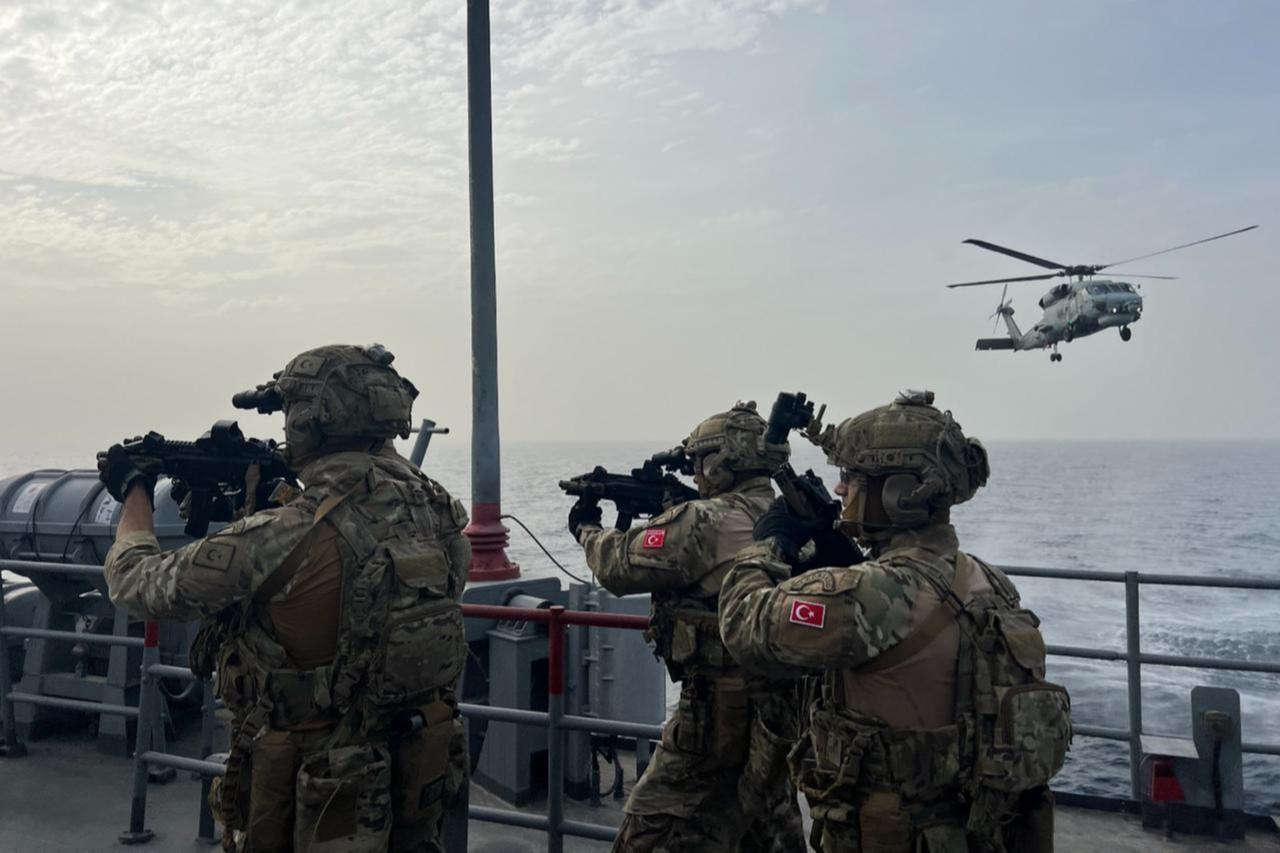
Ulgen finally noted that Ankara's military capability has become a strategic leverage in its relations with other European countries, saying: "Because Türkiye remains one of the most capable NATO partners in terms of military capabilities and deterrence potential. If Europe continues to strengthen its defense capabilities, it will need Türkiye as part of the new European security architecture."
However, he noted there is also a negative side: "If the United States further distances itself from European security, this would also be bad for Türkiye, since U.S. credibility is extremely important for deterring Russia."


 Set as preferred source
 Set as preferred source


 1 min read