Newsletters


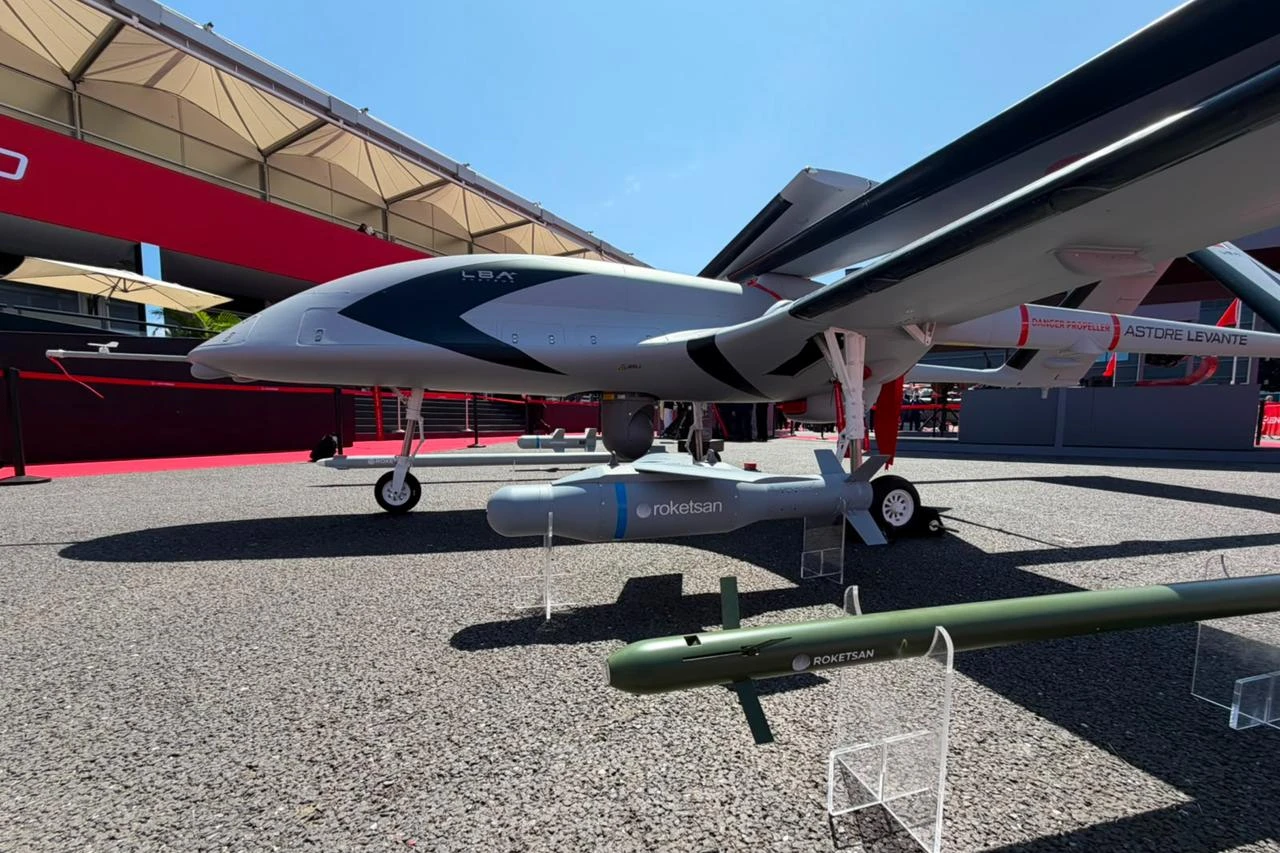


Turkish defense giant Baykar and Italy's Leonardo shared new details of their joint manned-unmanned flight-testing program at the Farnborough Airshow, while their joint venture, LBA Systems, unveiled a European-market variant of the Bayraktar TB3 named "Astore Levante."
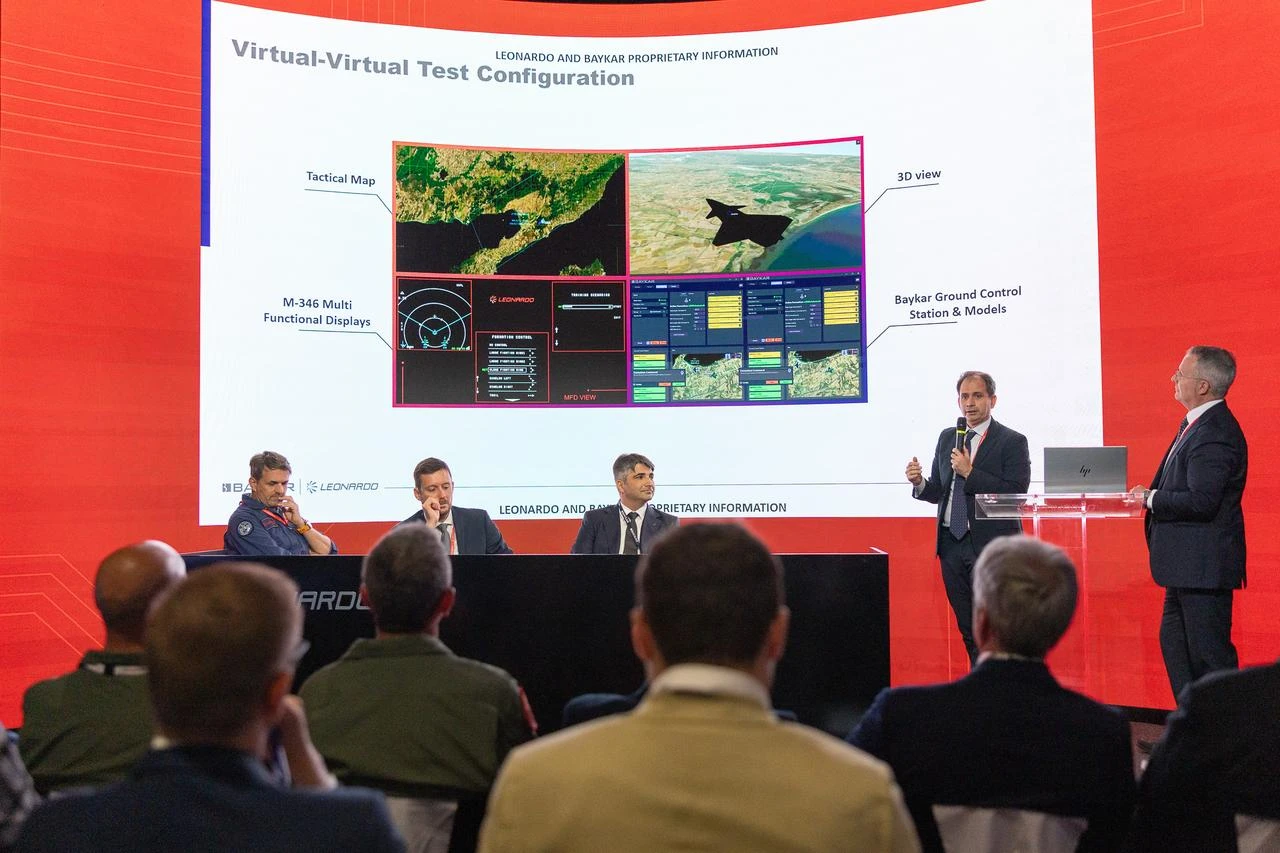
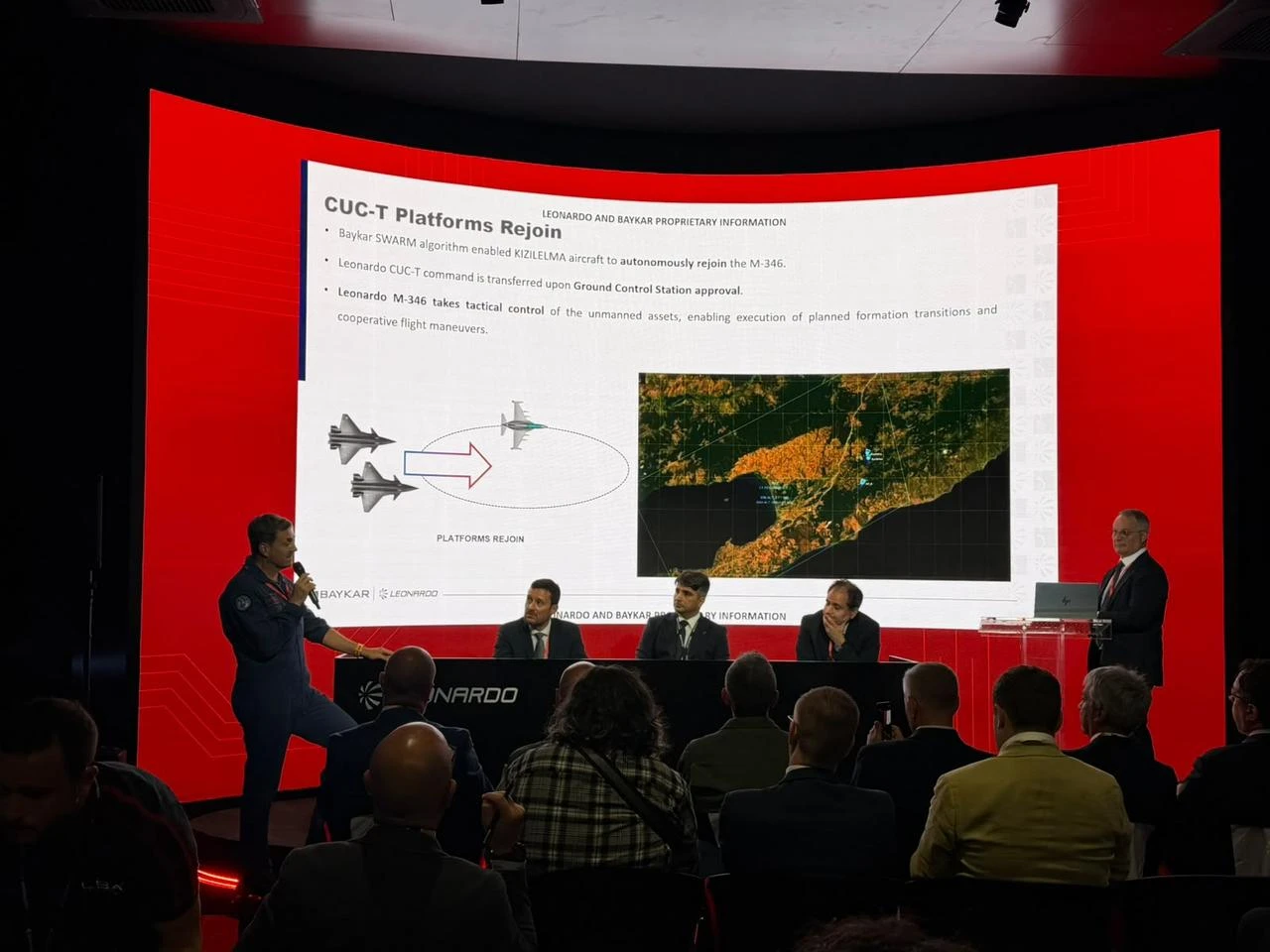
At a briefing held at Farnborough, engineers and test pilots from both companies described the preparation process behind last month's announced joint autonomous flight tests, calling the achievement the start of a new era in aviation history.
The companies said they had reached a significant milestone in developing manned-unmanned teaming and swarm tactics by successfully completing the first live test phase of the K-SWARM program, which aims to design and develop interoperability between manned and unmanned aircraft.
According to the companies, the shift from simulation to live flight operations via a digital engineering approach represented a critical phase in demonstrating the advanced technologies developed under the program, with the capabilities shown seen as both a foundational building block for future air combat systems and a contributor to the development of current-generation fighter aircraft.
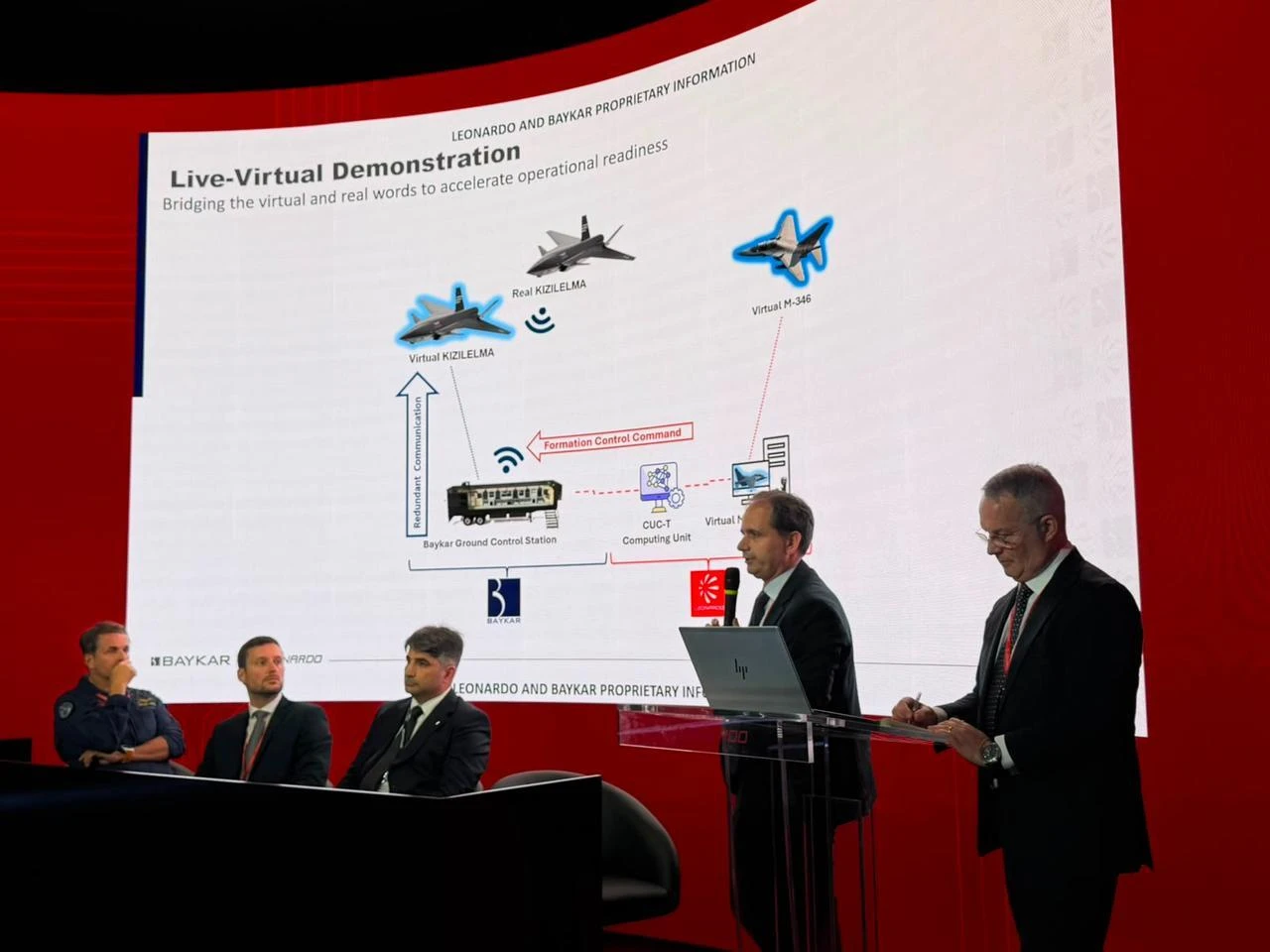

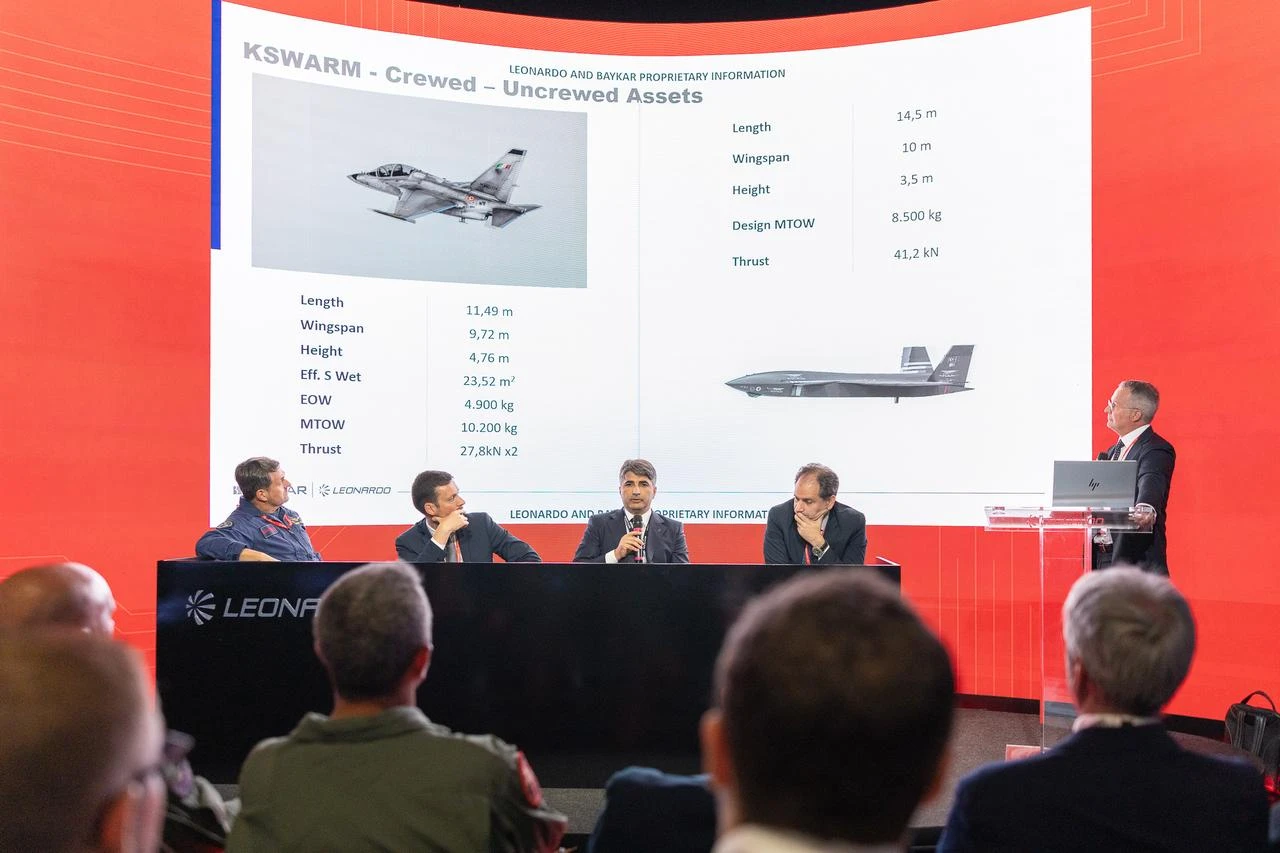
The tests were conducted in May at one of Baykar's flight and test centers in Corlu, in Türkiye's Tekirdag province, involving a Leonardo-owned M-346 Fighter Attack aircraft, an Italian Air Force T-346A serving as a chase aircraft, and the Bayraktar Kizilelma unmanned fighter aircraft.
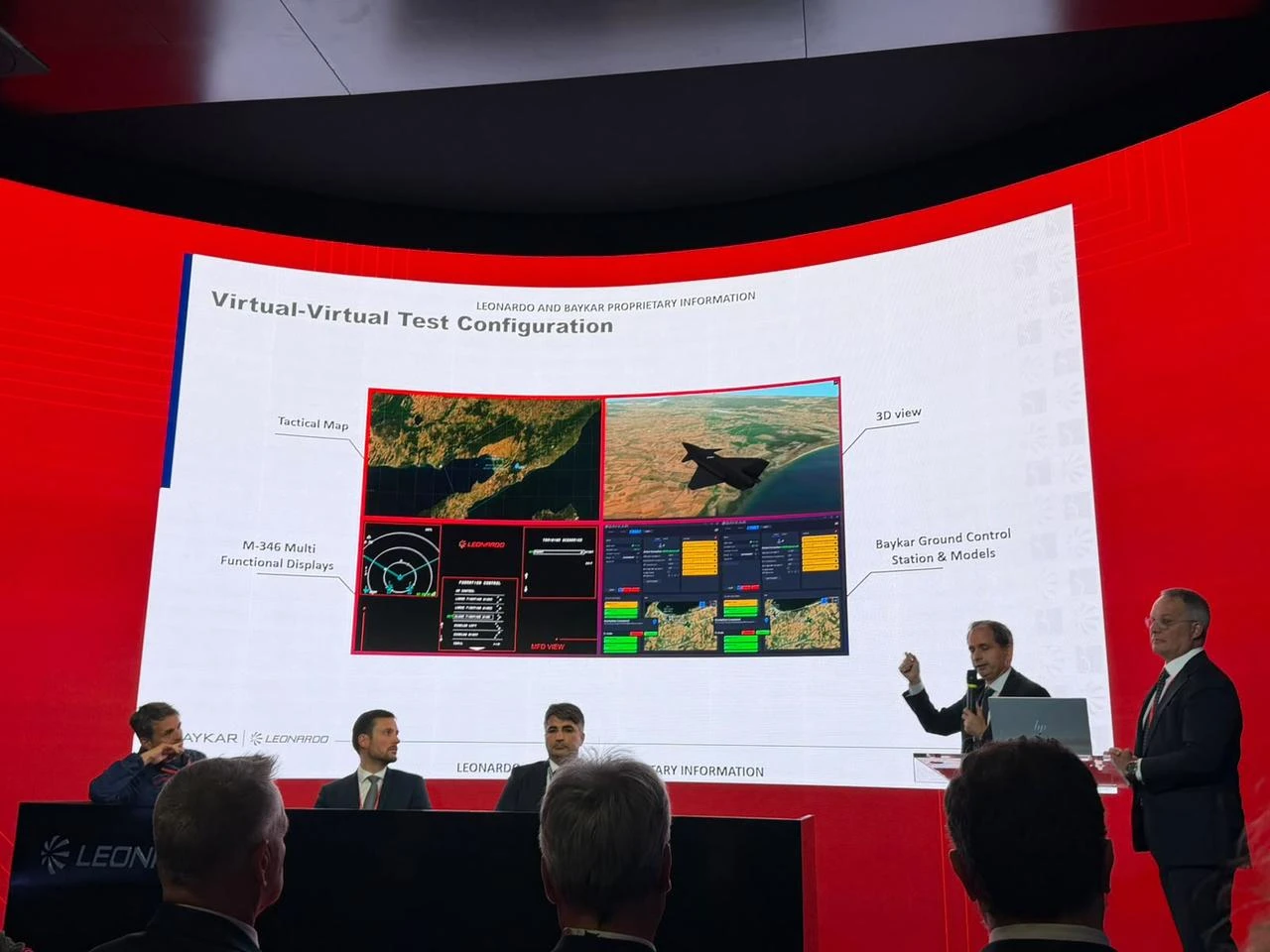
According to the companies, the missions were designed to evaluate next-generation algorithms, tactics, and procedures developed at Leonardo's Avionics and Flight Control Innovation Laboratories and its PC2LAB product capability and concept lab in Turin, integrated with an M-346 Full Mission Simulator in Venegono, Italy.
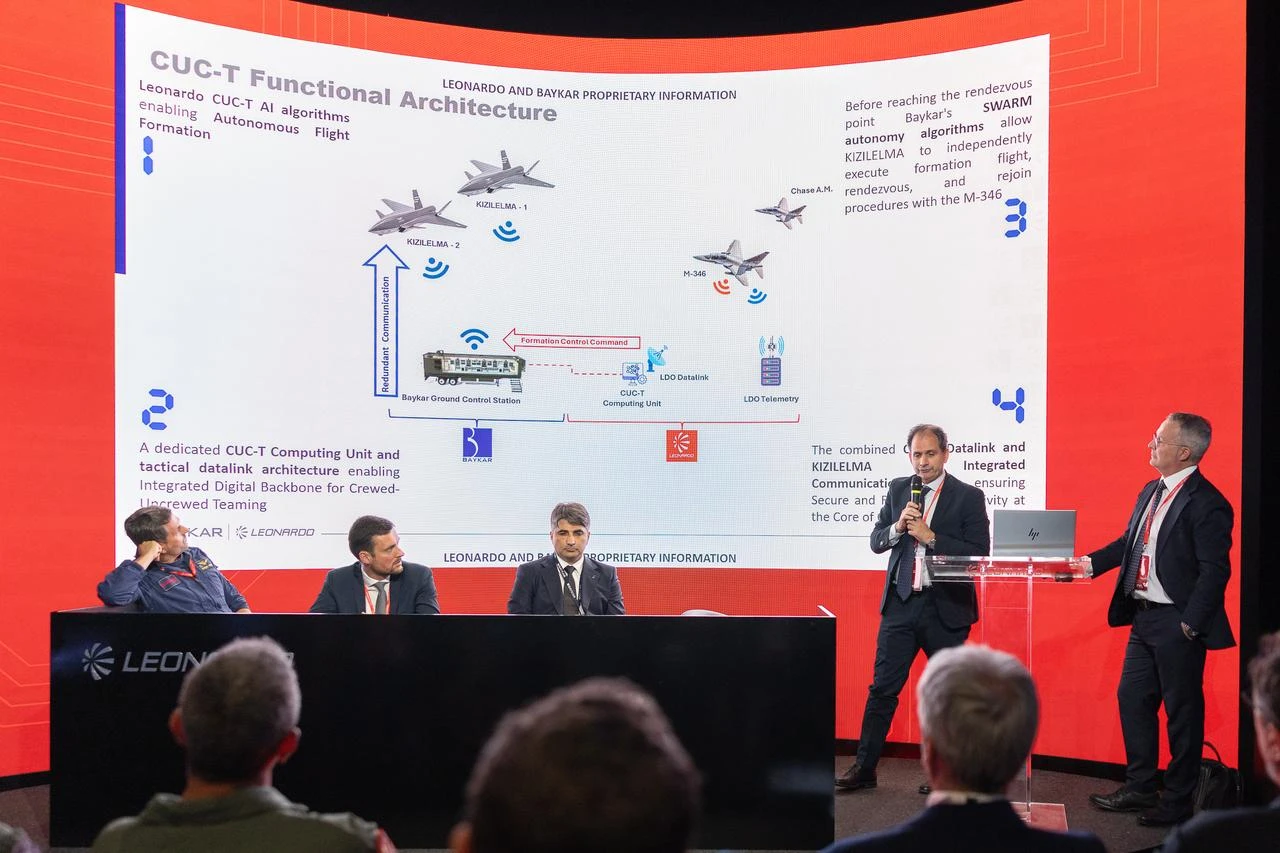
Baykar, for its part, used advanced software and hardware infrastructure at its own facilities to integrate its Smart Fleet Autonomy capabilities into the CUC-T algorithms, which the companies said significantly eased integration and enabled rapid, smooth system deployment.
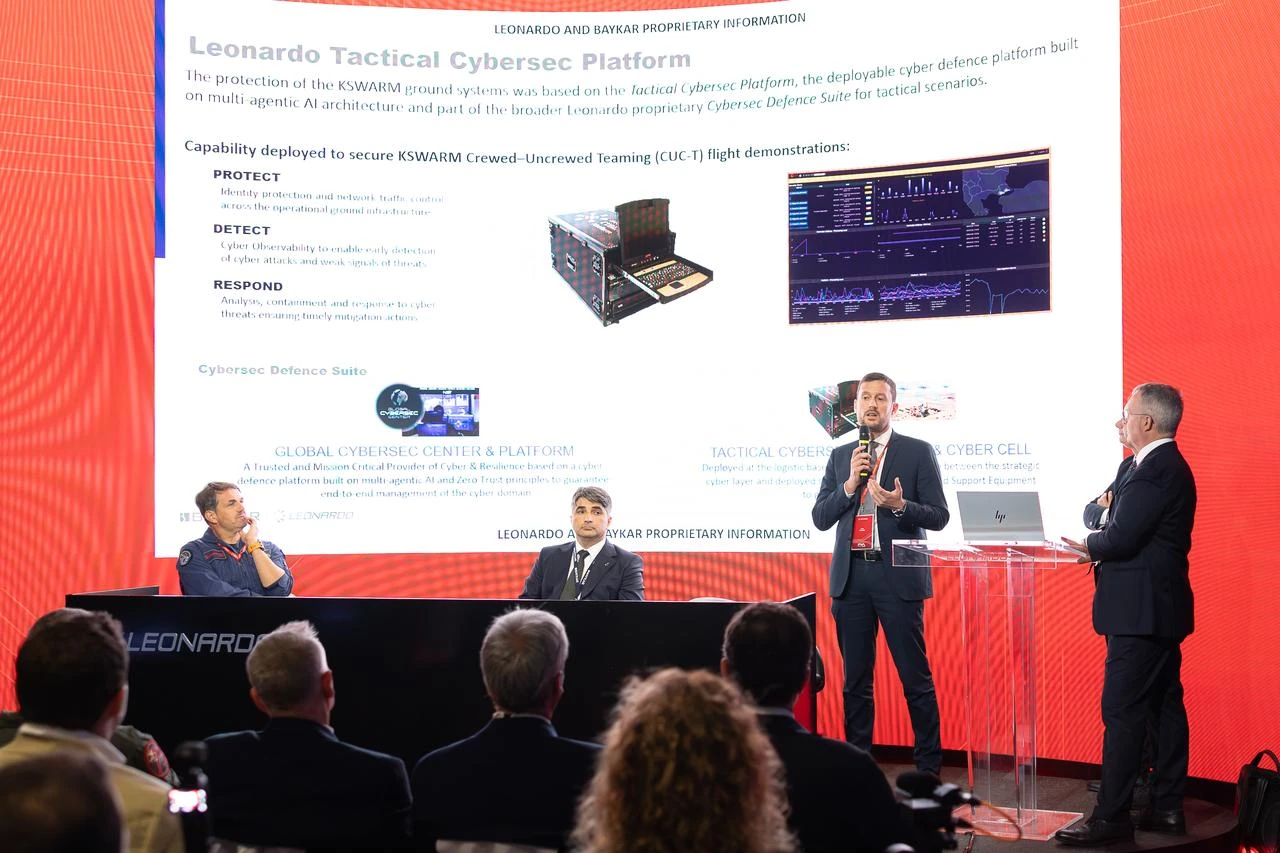
According to the companies, all data exchanged between the M-346 and Kizilelma was synchronized via an advanced radio-frequency-based data-sharing system, protected and monitored in real time by Leonardo's GCC Tactical Platform cyber-defense system to ensure effective command and control of planned flight formations.
Following a fully autonomous taxi and takeoff, Kizilelma autonomously joined formation with the M-346 Fighter Attack using Smart Fleet Autonomy algorithms developed at Baykar's Hardware-in-the-Loop Laboratory, after which the M-346 assumed full control of the unmanned aircraft.
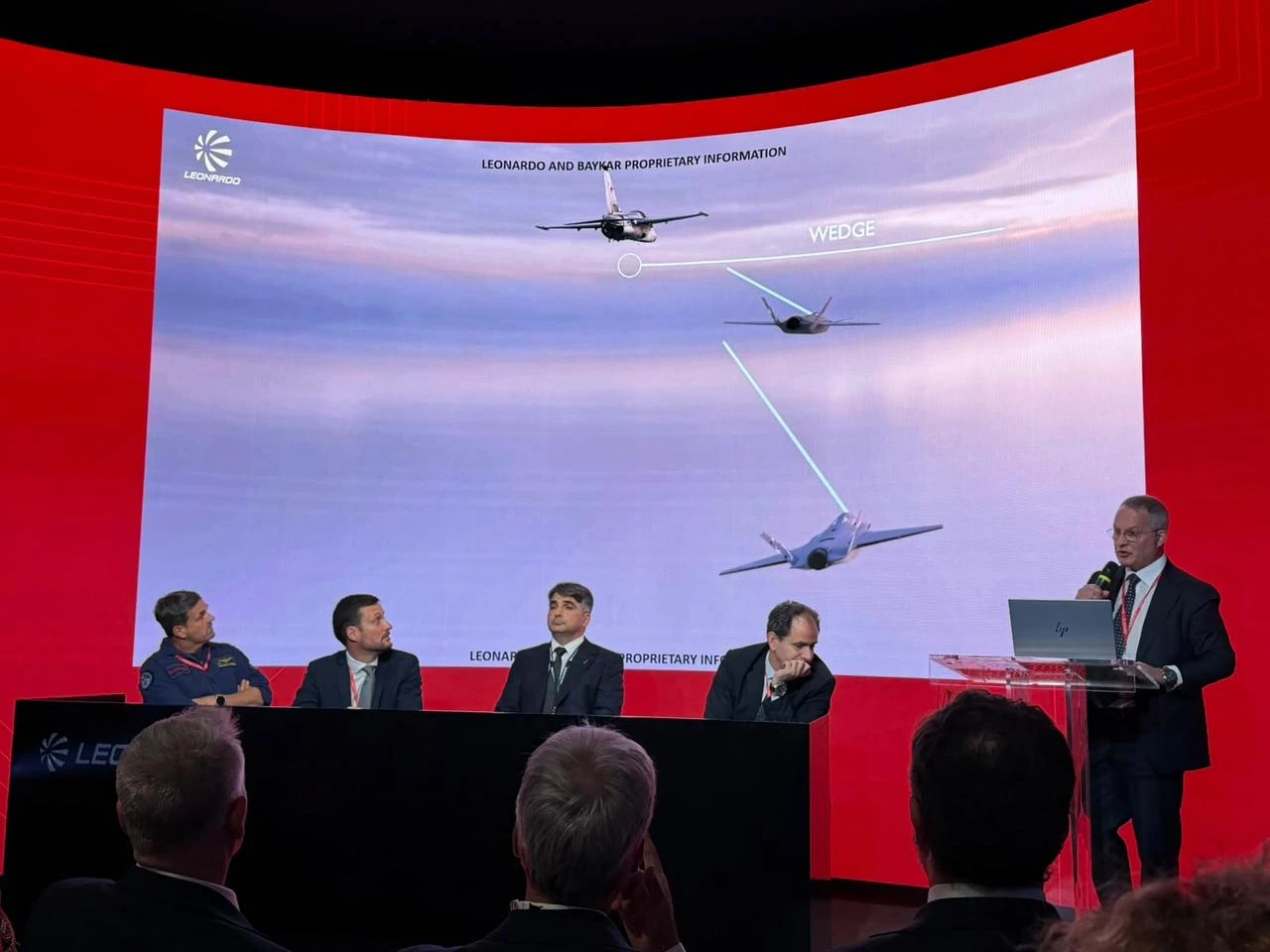
Using a newly developed, fully integrated avionics system, M-346 pilots commanded various formations that Kizilelma carried out fully autonomously via a dedicated manned/unmanned mission computer system, successfully executing maneuvers including position changes, separations and rejoins, with Kizilelma responding precisely to all commands.
The companies said data and analysis from the trials will play a critical role in shaping the next phase of K-SWARM, which is planned to involve more complex operations requiring greater situational awareness, with multiple platforms operating together toward a single mission.
Additional tests involving more complex scenarios and functions are planned in the coming months.
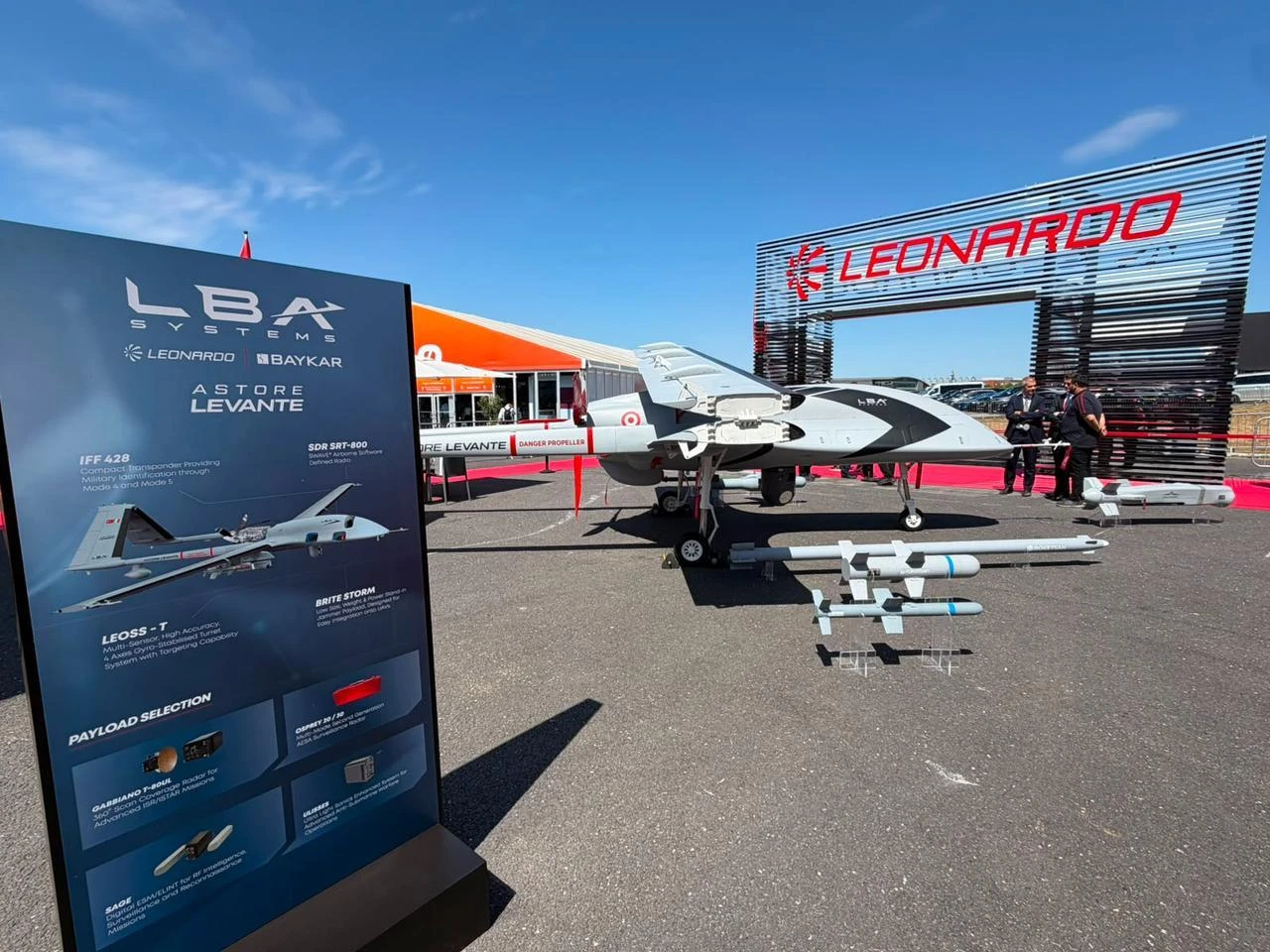
Separately, LBA Systems, the equally owned joint venture between Baykar and Leonardo, unveiled a customized, Italian-market version of the Bayraktar TB3 under the name Astore Levante ("Eastern Goshawk" in Italian, reflecting its status as a Turkish-Italian development) at Farnborough.
Leonardo said in a statement that the aircraft combines Baykar's expertise in unmanned platform development with Leonardo's capabilities in payloads, sensors, electronic systems, certification, mission systems and integration, describing it as "a natural bridge between the air and maritime domains" designed to operate from land bases, aircraft carriers and LHD (landing helicopter dock) platforms.
According to a detailed technical account published alongside the reveal, Astore Levante's onboard systems are set to include Leonardo's LEOSS-T electro-optical/infrared sensor, the BriteStorm integrated electronic warfare system, the IFF428 Mod 4/5 identification-friend-or-foe system, and an SRT-800 software-defined radio, with additional configurable options including the Gabbiano T-80UL multi-function radar, the Osprey 30 AESA radar, the SAGE electronic support measures system, and the ULISSES sonobuoy processing system.
Weaponry integrated on the platform remains Turkish-made, including MAM-C/L/T precision-guided munitions, the Cirit laser-guided missile, the UAV-122 short-range aeroballistic missile, and the Kemankes 1 loitering munition, all previously tested on the Bayraktar TB3.
Astore Levante is expected to be fielded aboard Italy's ITS Cavour aircraft carrier and potentially the ITS Trieste LHD, following the Bayraktar TB3's demonstrated ability to operate from the Turkish Navy's shorter TCG Anadolu LHD.
While Italy's intended operational use has not been explicitly stated, Leonardo's repeated pairing of the ULISSES sonobuoy processing system with the aircraft suggests possible interest from the Italian Navy in anti-submarine warfare (ASW) applications, given the extended endurance the platform offers relative to helicopters.
The aircraft, though designed as a ramp-assisted, short-takeoff-and-landing naval platform, could also potentially see land-based use.
The Turkish Land Forces have separately acquired the TB3, which offers improved takeoff and landing performance compared to the earlier Bayraktar TB2.
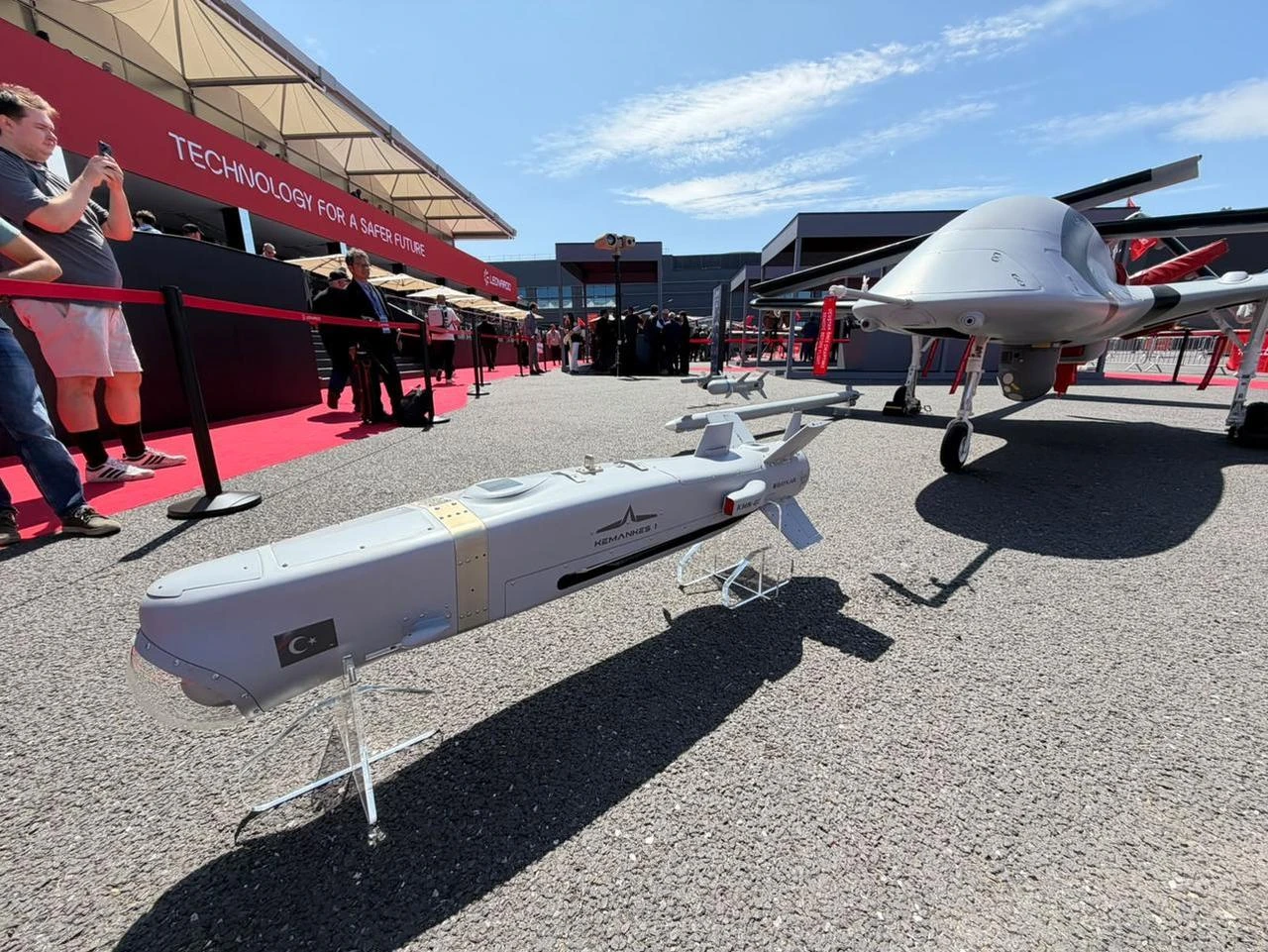
LBA Systems was formally established following a Memorandum of Understanding (MoU) signed by Baykar and Leonardo in Rome in early March 2025, with the joint venture, based legally and operationally in Italy, with each company holding an equal 50% stake, announced at the Paris Airshow at Le Bourget.
The venture covers the design, development, production and maintenance of unmanned aerial vehicles (UAVs).
Leonardo CEO Roberto Cingolani said at the time, "Today we are establishing a key player in unmanned technologies, forging a new strategic international alliance. We believe technological cooperation is a powerful tool to address the unprecedented challenges facing the defense sector.
Integrating Leonardo's experience in certification and integrated multi-domain technologies with Baykar's world-class unmanned platforms can provide truly meaningful support in capturing opportunities both across Europe and on the global stage."
Baykar chairman Selcuk Bayraktar said, "As Baykar, we have always believed that the future of aviation and space lies in bold ideas and boundary-pushing innovation... Together, we are building next-generation unmanned systems that are not only smart and mission-ready but also designed with ethics and interoperability at their core."


 Set as preferred source
 Set as preferred source



 6 min read