Newsletters


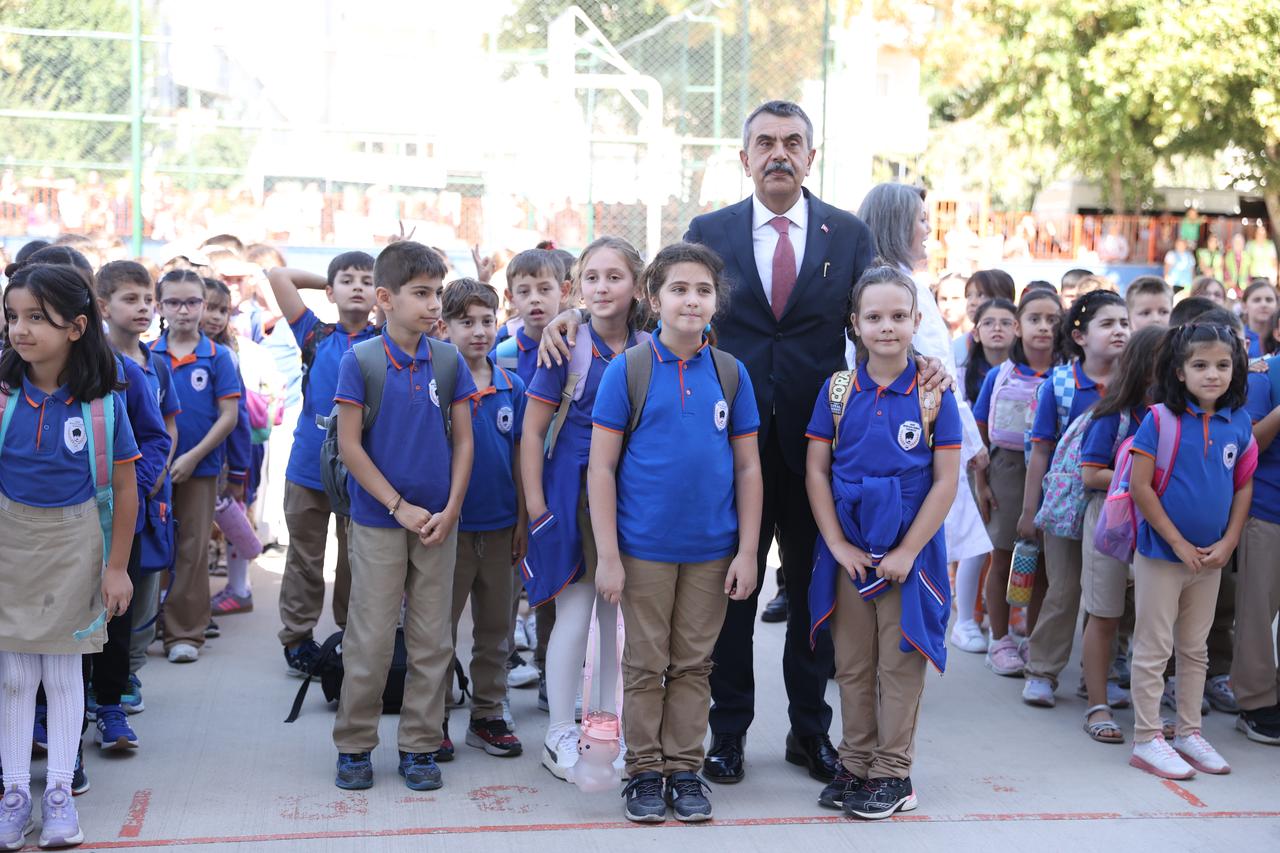


Türkiye has 17,704,308 students in formal education in the 2025-2026 school year, according to statistics released by the National Education Ministry.
Formal education covers preschool, primary, middle and secondary school, including public, private and distance-learning institutions.
The country also has 1,211,799 teachers and 769,933 classrooms, the ministry said in its "National Education Statistics: Formal Education 2025-2026" publication, as reported by Anadolu Agency (AA).
The figures cover the school year that began this autumn across all of Türkiye. The student body includes 9,089,093 boys and 8,615,215 girls.
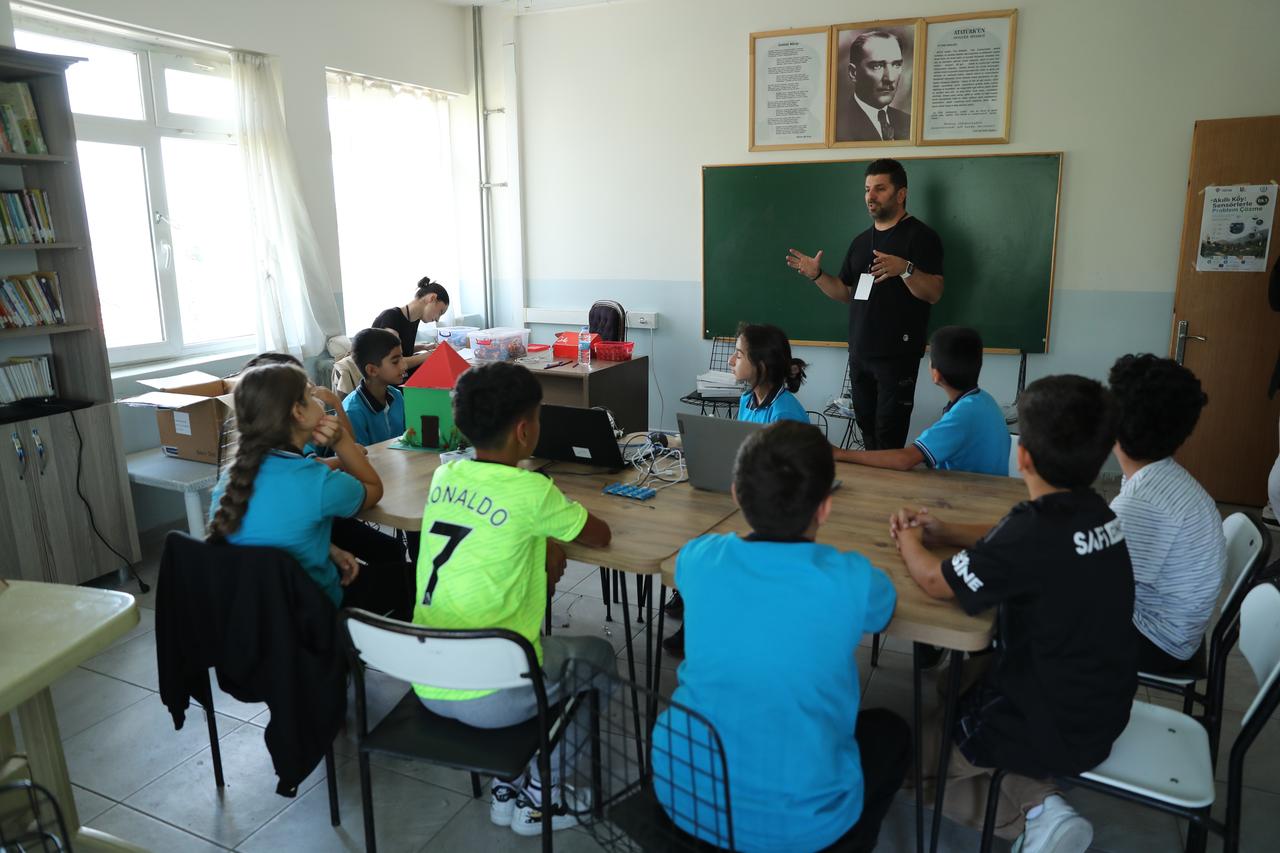

Türkiye's compulsory education lasts 12 years and is divided into three four-year stages: primary school, middle school and high school.
In the ministry's schooling-rate data, primary school covers ages 6-9, middle school covers ages 10-13 and secondary school covers ages 14-17. Preschool is not compulsory.
By level, 1,739,723 students are in preschool, 5,408,899 in primary school, 5,307,934 in middle school and 5,247,752 in secondary education.
Of the total, 15,167,794 students attend public institutions and 1,485,021 attend private ones. Another 1,051,493 study in open education institutions, a distance-learning system where students do not attend classes daily. These groups account for about 85.7%, 8.4% and 5.9% of all students respectively.
Within secondary education, 3,046,666 students attend general high schools and 1,736,473 attend vocational and technical schools. Another 464,613 study at Anatolian imam hatip high schools, which are state-run schools that combine the standard curriculum with religious instruction.
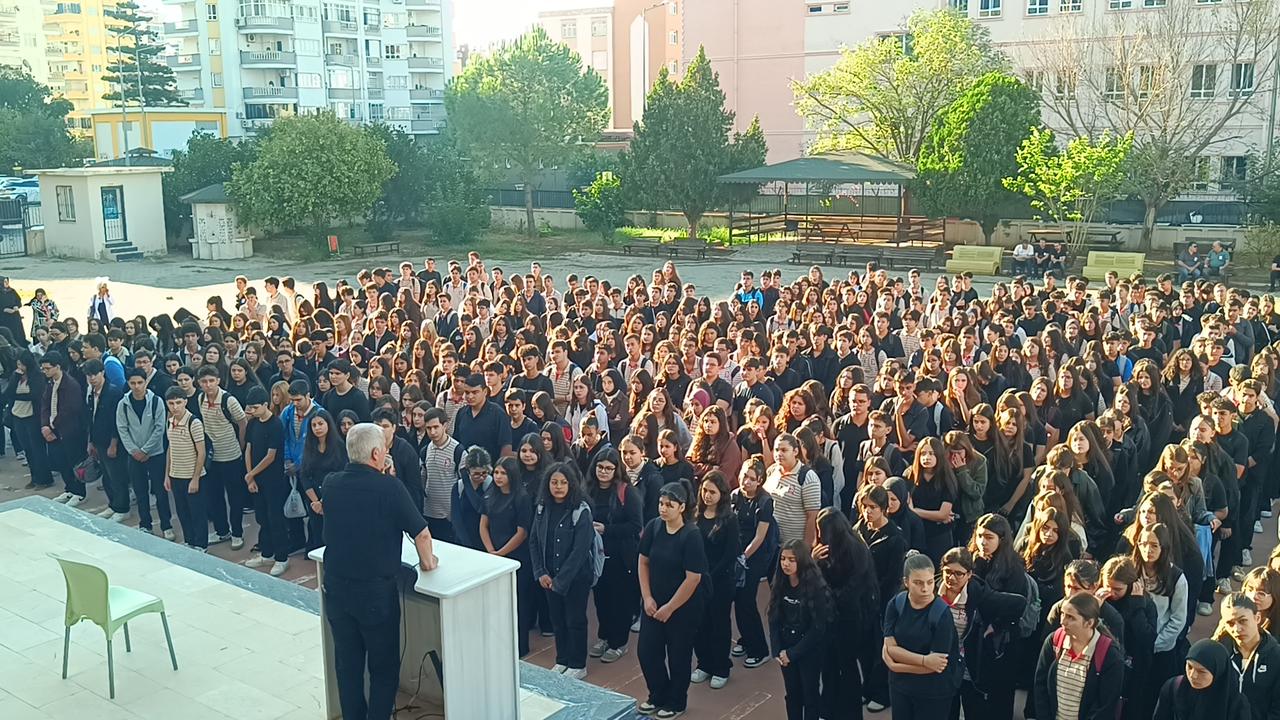
Of the 1,211,799 teachers, 1,170,320 work in formal education institutions, while 41,479 work in non-formal education institutions, such as adult and community courses, and other units.
Public schools and institutions employ 1,067,218 teachers and private ones employ 144,581.
A total of 75,012 schools serve formal education, including 59,914 public schools, 15,094 private schools and four open education schools.
By level, 18,636 are preschool institutions, 25,000 are primary schools, 18,977 are middle schools and 12,399 are secondary schools.
Public schools use 631,736 classrooms and private schools use 138,197, bringing the total to 769,933.
Primary schools have 17 students per teacher, compared with 13 in middle schools and 12 in secondary education. The number of students per classroom stands at 19 in primary schools, 25 in middle schools and 21 in secondary education.
The schooling rate, the share of children in an age group enrolled in school, is 84.14% at age 5, 98.46% for ages 6-9, and 98.16% for ages 10-13. For ages 14-17, the rate rose to 87.09%.
Based on these figures and the recently published report, Türkiye's schooling rate in the 6-14 age group, which covers nearly the entire school-age population, is similar to the Organization for Economic Co-operation and Development (OECD) average.
The OECD is a group of mostly high-income countries that includes the U.S., the U.K. and most European Union members.
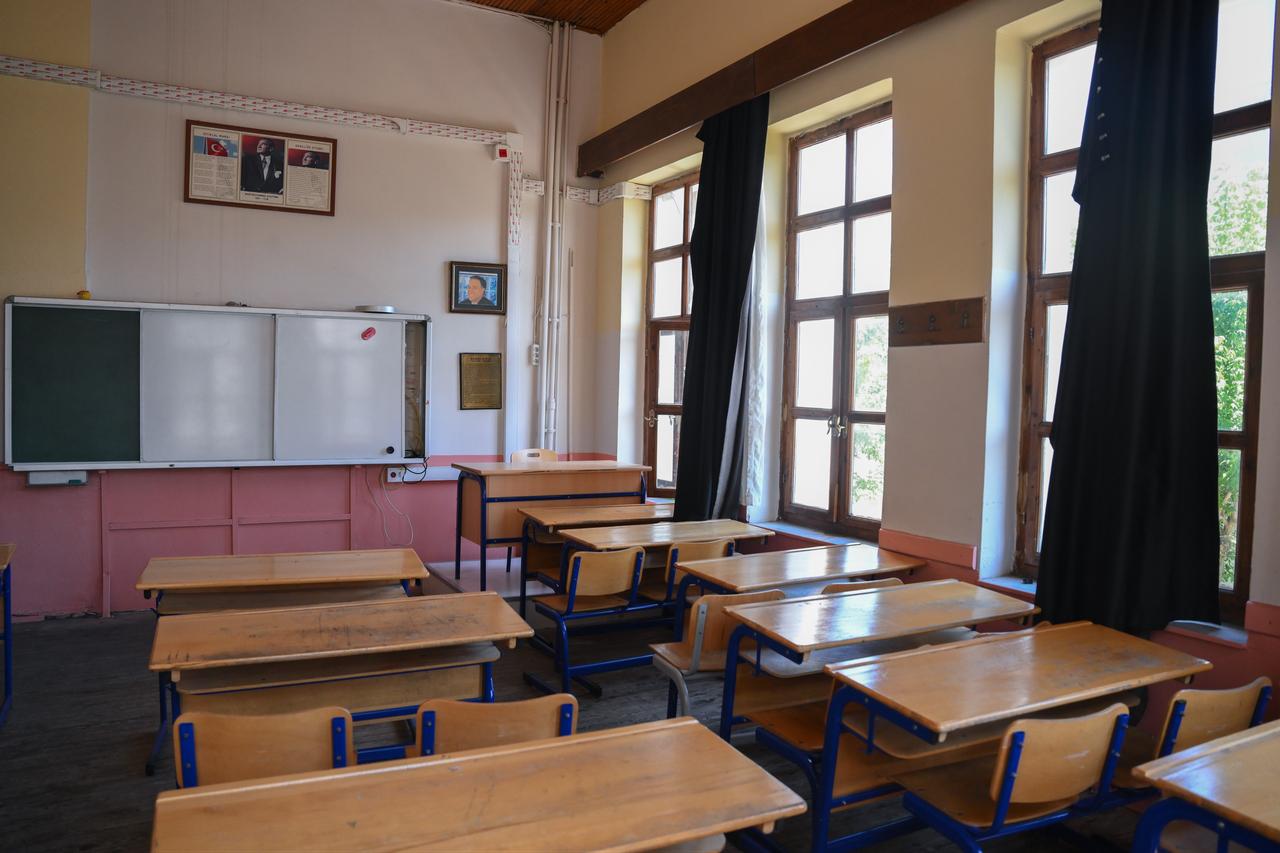
The share of vocational and technical education in formal secondary education rose from 37.56% in the 2024-2025 school year to 39.51% in 2025-2026.
The number of vocational and technical secondary students, including vocational open education, increased from 1,681,100 to 1,736,473 over the same period.
Vocational schools train students for specific trades and professions alongside general subjects.
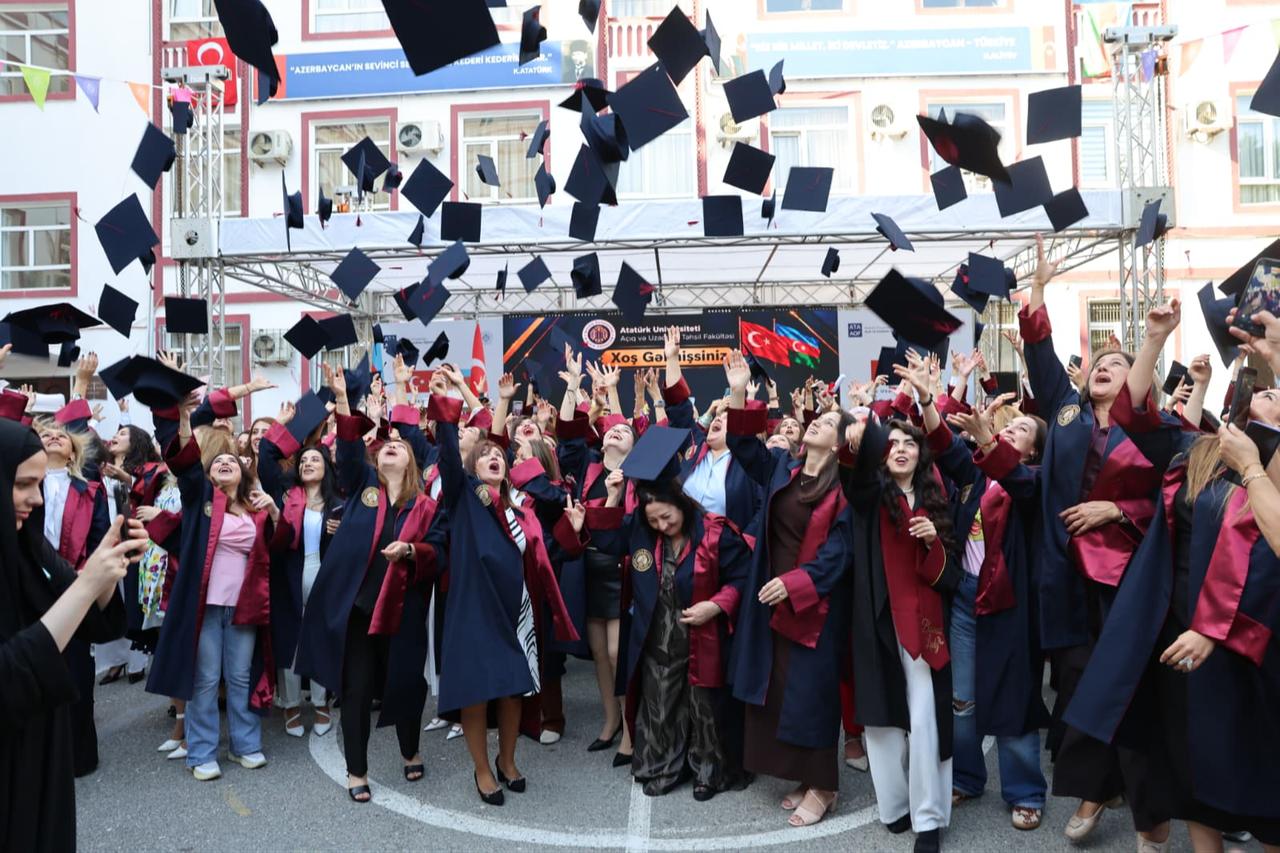
The number of students receiving scholarships rose from the previous year to 345,112. A total of 765,728 primary and secondary students use school transport services, which carry students to schools outside their immediate area.
In special education, the number of students using transport increased from 136,012 to 150,405.
The ministry also provides accommodation for about 500,000 students in 2,852 dormitories, which are boarding facilities attached to schools.


 Set as preferred source
 Set as preferred source


 2 min read