Newsletters


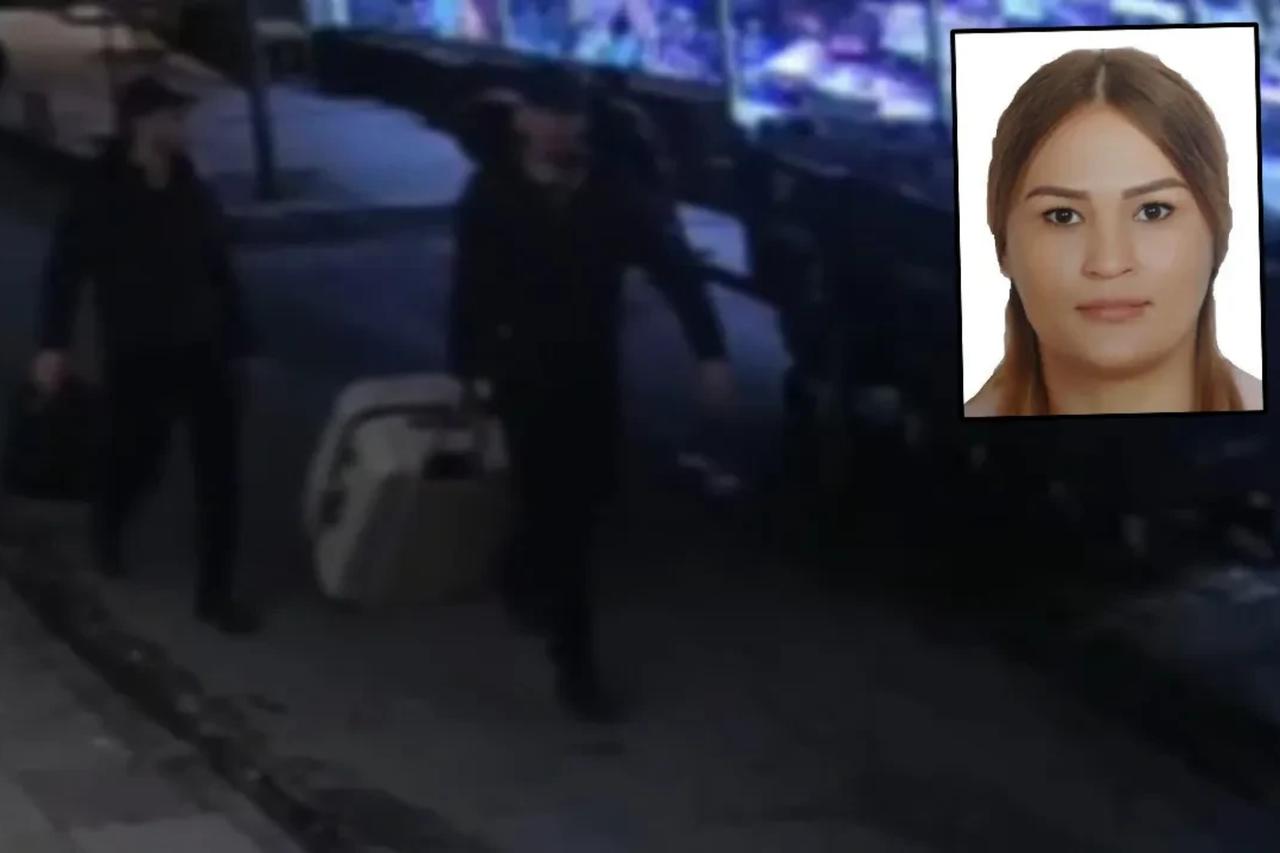


Turkish police have arrested three suspects after the body of a 36-year-old Uzbek citizen, Durdona Khakimova, was found dismembered inside a trash container in Istanbul’s Sisli district.
Authorities say two suspects attempted to flee to Georgia before police stopped them at Istanbul Airport. Investigators report that one suspect confessed to killing Khakimova after a dispute.
The case has triggered protests in Istanbul and Ankara and renewed debate over violence against women and the vulnerability of migrant women in Türkiye.
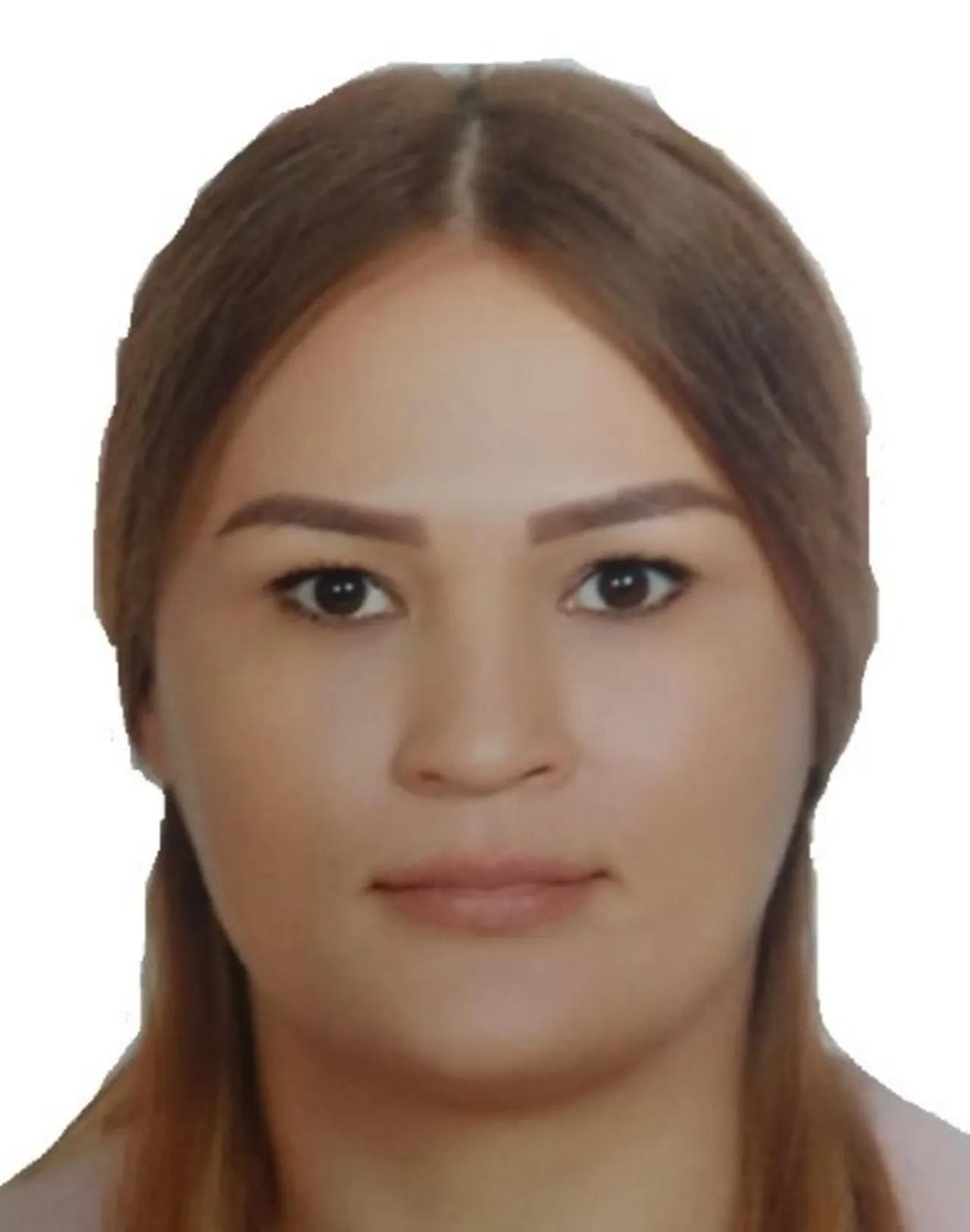

A paper collector discovered the body on Jan. 24 in a container on Kuyulubag Street in the Duatepe neighborhood. Police sealed the area and confirmed the victim had been decapitated.
Investigators later identified the victim as Durdona Khakimova, an Uzbek national who lived and worked in Istanbul.
Prosecutors said on Jan. 27 that Khakimova met the main suspect through social media three months earlier and lived in the Fatih district in a religious marriage household.
Authorities said she told contacts she planned to visit family acquaintance Ekrem K. before leaving home on the day of the killing.
A report said she operated a hunting equipment shop in the city.
Security units reviewed hours of surveillance footage and identified two Uzbek nationals and one Turkish citizen as suspects.
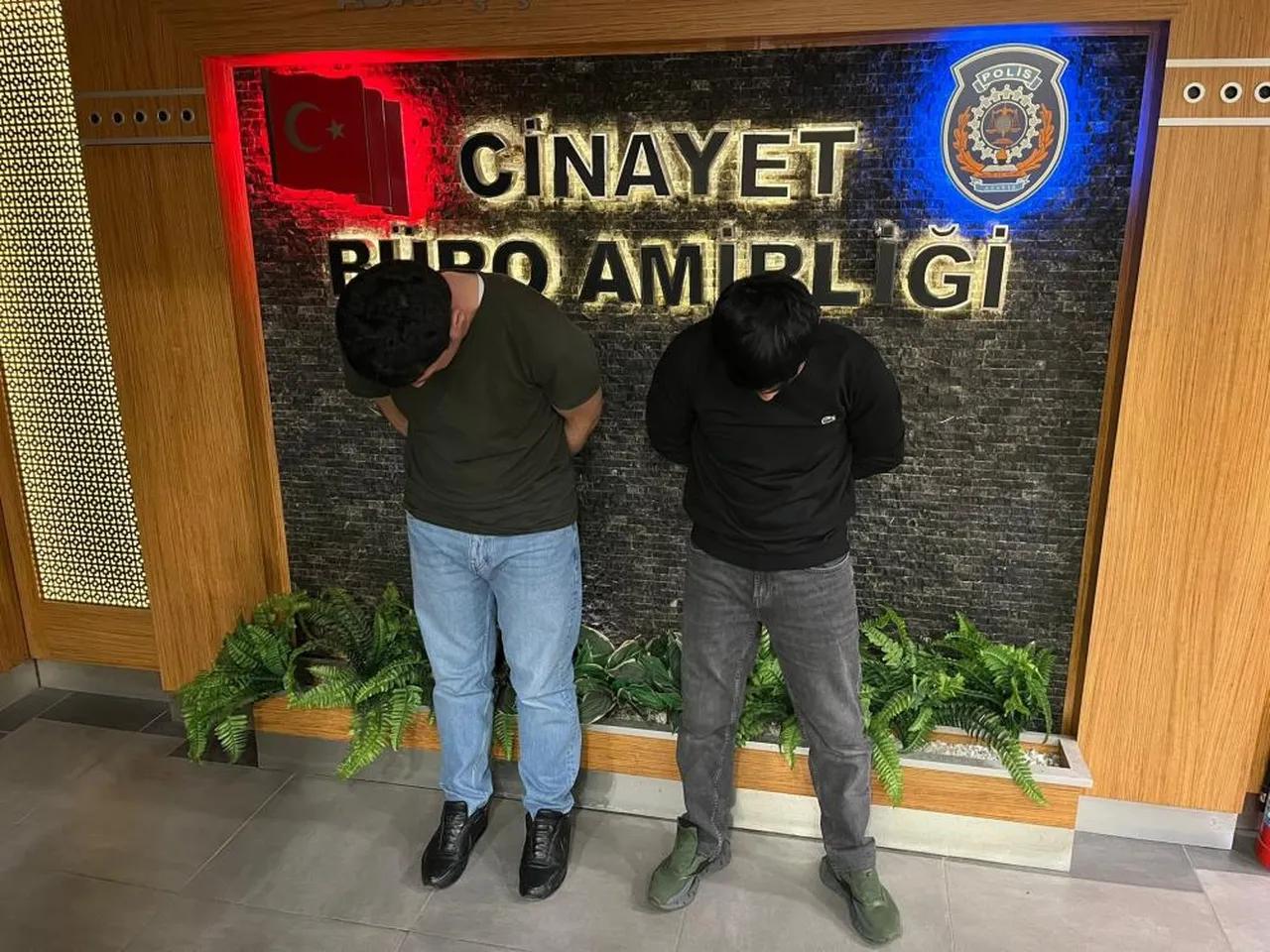
Police detained 31-year-old Dilshod Akhrol Ugli Turdimurotov and 29-year-old Gofurjon Akmalkhonoviych Kamalkhodaev at Istanbul Airport as they attempted to leave Türkiye for Georgia.
Authorities later detained 58-year-old Ekrem K. in connection with the case.
A court ordered pretrial arrest for the two Uzbek suspects on charges of aggravated murder with extreme cruelty and robbery against a defenseless victim, while Ekrem K. was released under judicial supervision.
Prosecutors said the suspects removed jewelry from Khakimova after killing her.

Police say Turdimurotov told investigators he had a romantic relationship with Khakimova and killed her after an argument.
He admitted that he and Kamalkhonoviych Kamalkhodaev dismembered the body at a residence in the Umraniye district before transporting the remains in a suitcase to Sisli.
Prosecutors said later on Jan. 27 the suspects brought Khakimova from Fatih to Umraniye, killed her there, took jewelry from her body, disposed of the remains in trash containers in Sisli, returned to Fatih, and then traveled to Istanbul Airport to flee Türkiye.
In a statement cited by Turkish media, the suspect said, "I stabbed her. Later, my friend and I cut the body into pieces, placed the parts in bags and put them in a suitcase. We took a taxi to Sisli and threw the parts into different trash containers."
Security camera footage shows two men carrying suitcases and later approaching trash containers.
Separate recorded footage shows police detaining the suspects at the airport.
Prosecutors from the Istanbul Chief Public Prosecutor’s Office are leading the homicide investigation. Police forensic teams continue to search for missing body parts and collect evidence from multiple locations.
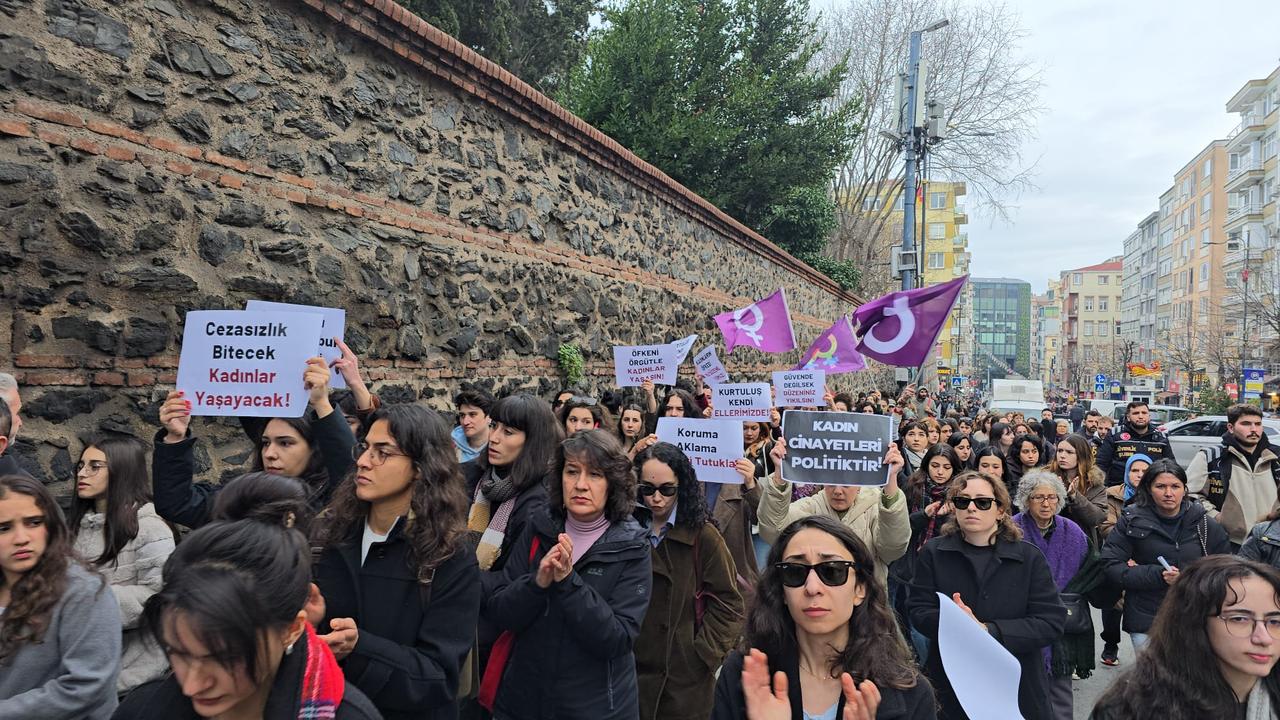
The killing prompted demonstrations in Istanbul’s Sisli district and in Ankara.
Women's rights groups marched from Osmanbey Metro station to the street where the body was found. Protesters carried banners reading "Migrant women are not alone" and "Women's lives matter."
The Women Will Stop Femicide Platform stated that the killing reflected systemic failures to prevent violence against women. In a public statement, the group said, "This case is the result of ignoring women's murders and failing to implement policies that protect women."
A separate statement noted that migrant women often avoid seeking help because they fear deportation.
Demonstrators compared Khakimova’s killing to the 2009 murder of 17-year-old Munevver Karabulut, whose dismembered body was also found in a trash container in Istanbul. Protest leaders said the similarities show continued impunity for gender-based violence.
Activists called for stronger enforcement of restraining orders and protection mechanisms.
Uzbekistan’s Foreign Ministry confirmed cooperation with Turkish authorities to identify the victim and support her family. Ministry spokesperson Ahror Burkhanov said officials were in contact with Turkish law enforcement and forensic institutions and expressed deep sorrow over the killing.
The case has renewed attention on femicide statistics in Türkiye.
Data from the Turkish Women's Associations Federation indicated 420 confirmed femicides in 2025 and 508 suspicious female deaths, bringing the total number of cases to 928.
The Women Will Stop Femicide Platform recorded 294 femicides in 2025.
Rights groups say most women are killed by men they know, often current or former partners.
As police continue the investigation, women's organizations say they will monitor court proceedings and demand maximum penalties for those responsible.
*Updated on Jan 27, 17:29 (GMT+3)


 Set as preferred source
 Set as preferred source


 2 min read