Newsletters


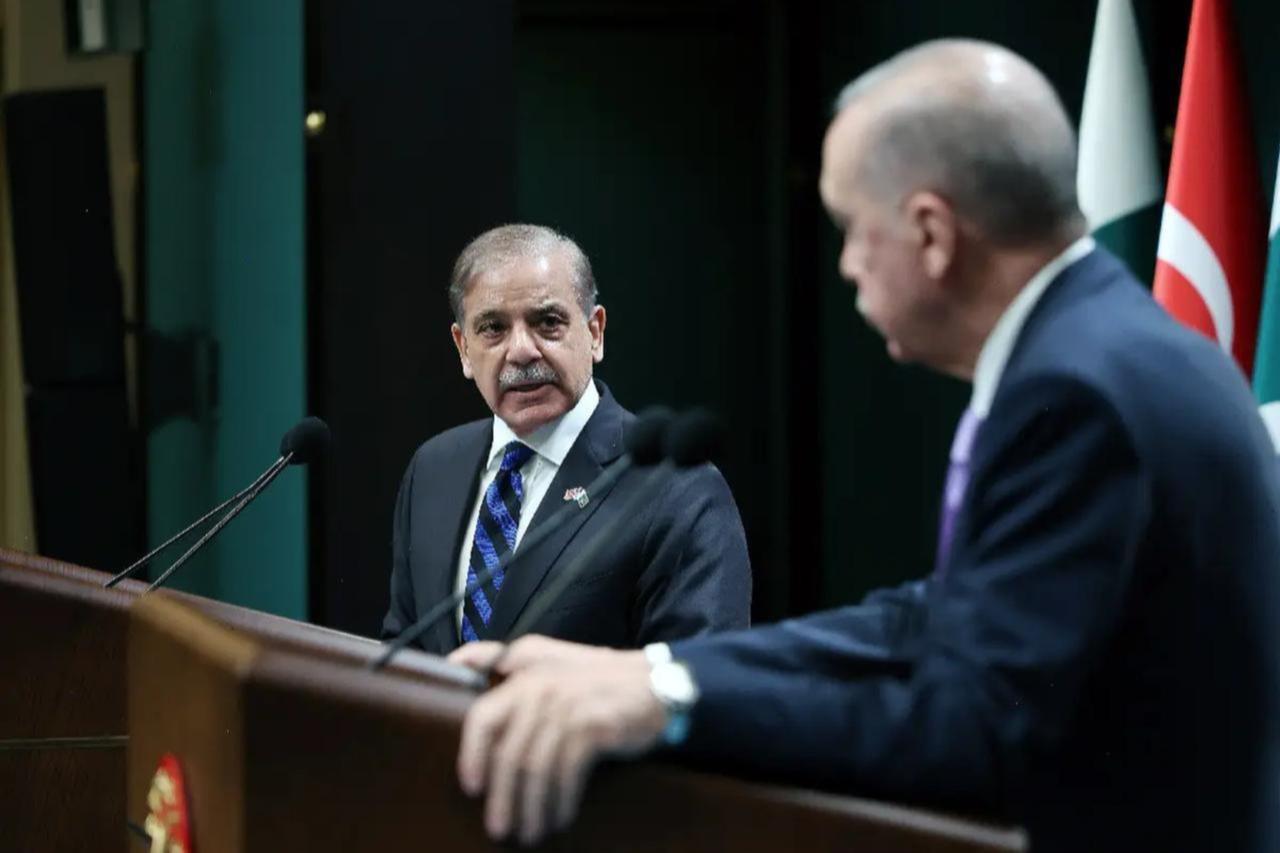


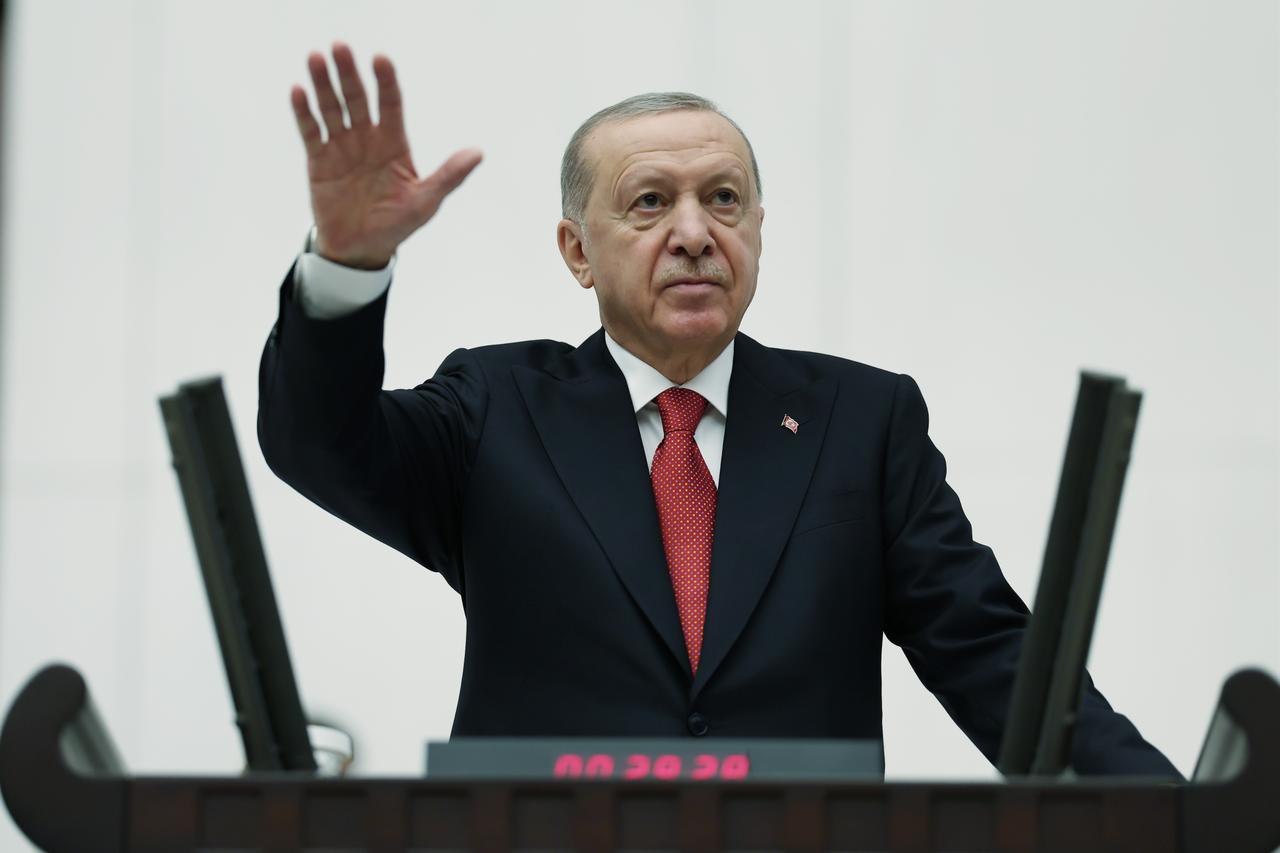
President Recep Tayyip Erdogan spoke by phone with Pakistani Prime Minister Shahbaz Sharif on a day of intensifying regional turmoil, with the two leaders coordinating positions on the widening Middle East conflict triggered by strikes on Iran and the deteriorating security situation along the Pakistan-Afghanistan border.
The call, confirmed by Türkiye's Presidential Communications Directorate and by Sharif on social media, covered bilateral relations as well as the two most urgent crises confronting both governments: the escalation of hostilities across the Persian Gulf following attacks on Iran, and the collapse of a ceasefire between Pakistan and Afghanistan that Türkiye itself helped broker last year.
Erdogan told Sharif that restoring diplomacy in the region following the conflict sparked by attacks on Iran would be of great benefit, adding that Türkiye stood ready to contribute whatever it could to that effort.
The Turkish president's emphasis on dialogue comes as the Middle East faces its most dangerous escalation in years, with coordinated US-Israeli strikes on Iran prompting retaliatory Iranian missile and drone attacks on Gulf states, striking targets in the United Arab Emirates, Saudi Arabia, Qatar, Bahrain, Kuwait and Oman, killing civilians and damaging airports and energy infrastructure.
Sharif, for his part, said he had briefed Erdogan on his recent contacts with Gulf leaders. He condemned what he described as Israel's attack on Iran and subsequent strikes affecting Gulf countries, expressing Pakistan's solidarity with its Gulf partners.
"I briefed President Erdogan on my contacts with brotherly Gulf leaders and confirmed that Pakistan stands in full solidarity with them, and that we are ready to play a constructive role in de-escalation and promoting dialogue," Sharif wrote.
The two leaders agreed that all parties must exercise maximum restraint to prevent further escalation.
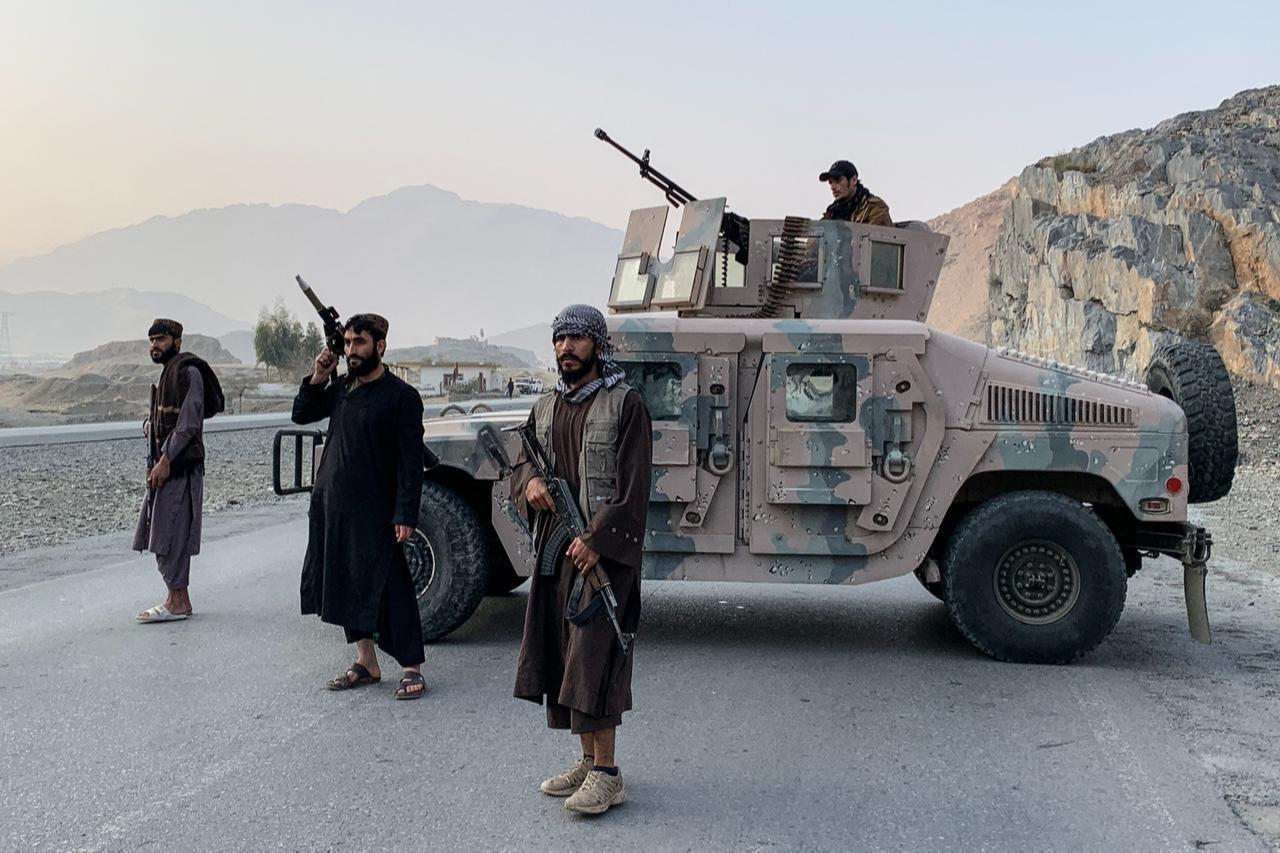

The phone call also addressed the rapidly deteriorating situation between Pakistan and Afghanistan, where Türkiye, alongside Qatar, played a central mediation role in brokering a ceasefire in October 2025 following the deadliest cross-border clashes in years.
That fragile truce has since unraveled completely, with Pakistan launching airstrikes on targets in eastern Afghanistan in late February 2026 following a series of devastating terror attacks on Pakistani soil, including a suicide bombing at a Shia mosque in Islamabad that killed more than 30 worshippers.
Afghanistan's Taliban authorities responded with large-scale military operations along the Durand Line, and Pakistan's defense minister subsequently declared the two countries to be in a state of "open war."
Erdogan condemned the recent terror attacks in Pakistan and reaffirmed that Türkiye would continue to stand with Islamabad in its fight against terrorism. He also pledged to contribute to the restoration of the ceasefire between Pakistan and Afghanistan, one that Türkiye had helped facilitate.
Sharif said the two leaders had exchanged views on the latest developments in Afghanistan and agreed to remain in close and frequent contact. "We decided to stay in close and frequent contact in line with our shared goal of peace and stability in the region," he said.
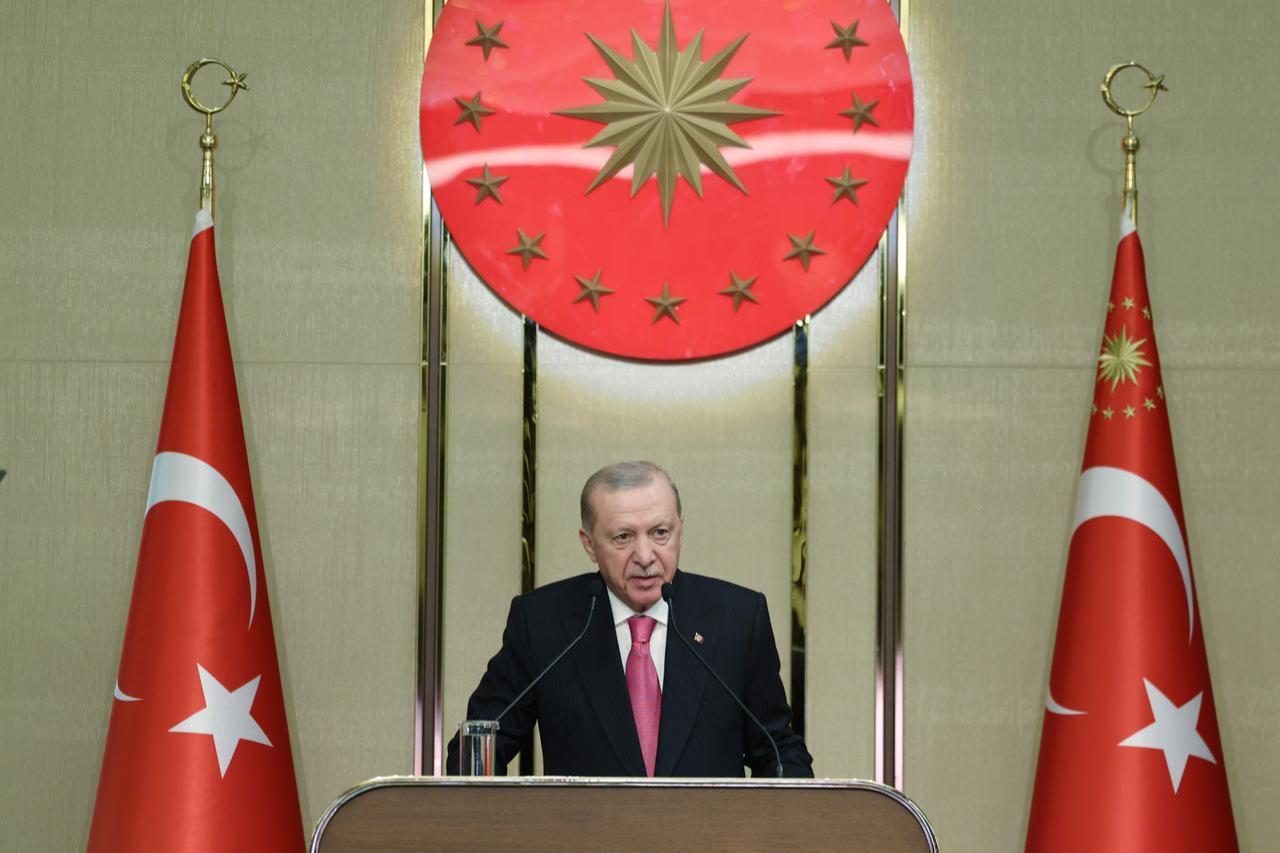
The conversation underscored Ankara's effort to position itself as a diplomatic bridge across several overlapping crises. Türkiye's Presidential Communications Director Burhanettin Duran issued a separate statement emphasizing that Erdogan's peace diplomacy was continuing with determination. "With our diplomatic approach that places humanity's shared conscience at its center, we will continue to mobilize all our resources for de-escalation and the realization of lasting solutions," Duran said.
Türkiye has a long record of offering itself as a mediator in conflicts involving its neighbors and allies. Its involvement in the October 2025 Pakistan-Afghanistan ceasefire talks, held first in Doha and then extended through negotiations in Istanbul, demonstrated Ankara's growing interest in South Asian security dynamics alongside its more traditional focus on Middle Eastern affairs.
The Erdogan-Sharif phone call took place against the backdrop of an extraordinarily volatile moment, with armed conflict escalating simultaneously across West and South Asia.
The Middle East crisis, now in its third day of active hostilities involving multiple state actors, has drawn Gulf states that had sought to remain neutral into the line of fire. In parallel, the Pakistan-Afghanistan conflict has escalated beyond anything seen since the Taliban's return to power in 2021, with Pakistani forces claiming to have struck dozens of targets inside Afghanistan and both sides reporting significant casualties.
For Pakistan, the two crises are closely intertwined. Sharif's outreach to Gulf leaders reflects Islamabad's deep economic and strategic ties with the Gulf Cooperation Council states, which host millions of Pakistani workers and represent critical sources of investment and energy supplies. The simultaneous collapse of the Afghanistan ceasefire, meanwhile, poses a direct security threat along Pakistan's western frontier, where the Tehreek-e-Taliban Pakistan and other militant groups have intensified attacks from Afghan territory.


 Set as preferred source
 Set as preferred source


 1 min read
 1 min read