Newsletters


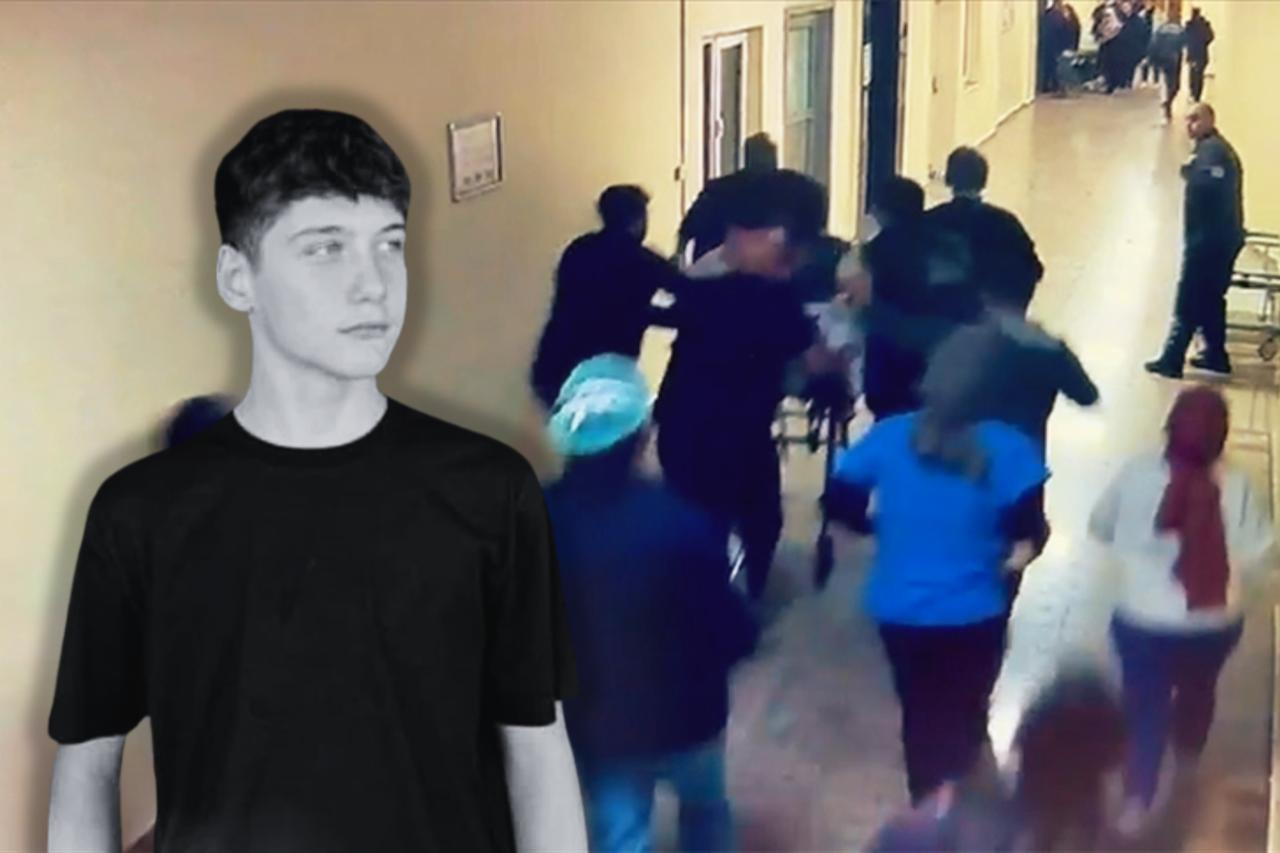


The fatal stabbing of 17-year-old Atlas Caglayan in Istanbul has triggered a nationwide debate over youth violence, emergency response delays, and the growing presence of child street gangs.
Authorities have expanded the investigation in recent days, including arrests linked to threats against the victim’s family, as public pressure for accountability continues.
What happened
Atlas Caglayan was killed on Jan. 14 in the Gungoren district of Istanbul following a street dispute reportedly sparked by an argument over making eye contact.
A 15-year-old suspect identified as E.C. stabbed him in the chest with a switchblade-style knife. Caglayan was transported to Bagcilar Training and Research Hospital, where doctors pronounced him dead despite surgical intervention.
The suspect was detained shortly after the incident and appeared before a court on Jan. 15. He was sent to Karatepe Juvenile Detention Center. Investigators stated that initial checks showed no prior criminal record and no previous connection between the suspect and the victim.
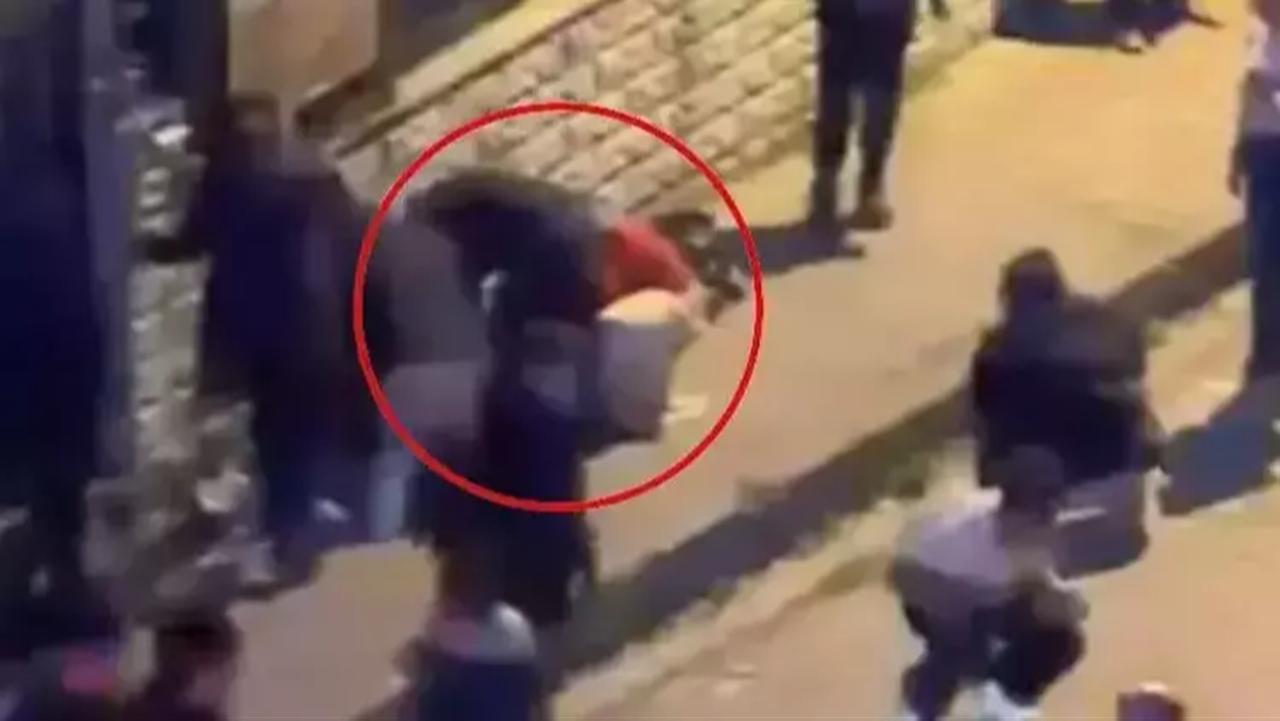

Security camera footage reviewed by investigators shows two youth groups confronting each other outside a cafe in the Mehmet Nesih Ozmen neighborhood.
The verbal dispute escalated within seconds and ended when Atlas Caglayan was stabbed in the chest. Footage shows those involved running away immediately after the stabbing. Witnesses told authorities that bystanders then attempted first aid while waiting for paramedics.
Restaurant owner Yener Baskutlu described the emergency response delay. “No ambulance came from Gungoren, so one arrived from Bayrampasa. We waited around forty to forty-five minutes,” he said. “We tried to stop the bleeding, but we could not.”
Caglayan’s mother, Gulhan Caglayan, also stated that the ambulance arrived late. “They restarted his heart in the ambulance and then took him to the hospital,” she said.
She later rejected the defense statement presented by the suspect’s lawyer, who claimed the stabbing was meant to frighten rather than kill.
“How can you frighten someone by stabbing their chest?” she asked. She heartbrokenly added that her son had wanted to work in healthcare.
Opposition lawmaker Sezgin Tanrikulu submitted a parliamentary inquiry to the Interior Ministry after the killing.
He said children’s violence cannot be addressed through punishment alone and pointed to poverty, exclusion, lack of supervision, family problems, and violent digital content as contributing factors.

Following the killing, police opened a separate investigation into online threats and provocative social media posts targeting the Caglayan family.
Cyber Crime and Security Branch units detained multiple suspects across different provinces.
On Jan. 19, three individuals were jailed on charges of threatening Caglayan’s mother through social media.
On Jan. 21, authorities announced the arrest of another suspect detained in Antalya. Prosecutors took testimony through the national audio-visual court system before ordering detention on threat charges.
Investigators reported that eight suspects were identified for threatening content and provocative posts. Some were released under prosecutorial instructions, while others remain in custody or under judicial supervision.
Authorities stated that arrests related to threats remain ongoing as police continue reviewing digital networks linked to the case.
Despite the official response, the online harassment of a mourning family has left many questioning how such cruelty finds space to flourish so openly.
Returning to social and economic pressures, weakened supervision, and fractured community structures, the case invites reflection on whether deepening social stratification in Türkiye is fueling resentment that now plays out through digital violence.

The killing has revived broader concerns over child street gangs in Istanbul neighborhoods.
Residents in Gungoren reported groups of minors gathering near cafes and schools while carrying sharp objects and demanding money from other children.
One resident described repeated intimidation, saying groups “walk the streets all day, demand money, and record beatings. In the evening, luxury vehicles come and collect these children,” according to reporting by Gamze Erdogan.
Residents also claimed some groups use recent murders to threaten other youths by saying their fate could be the same. These claims have drawn attention to organized extortion methods described in court filings under terms such as street tax" and "protection money."
Phone records connected to another homicide case are still under judicial review, with allegations that minors were paid to provoke courtroom incidents.

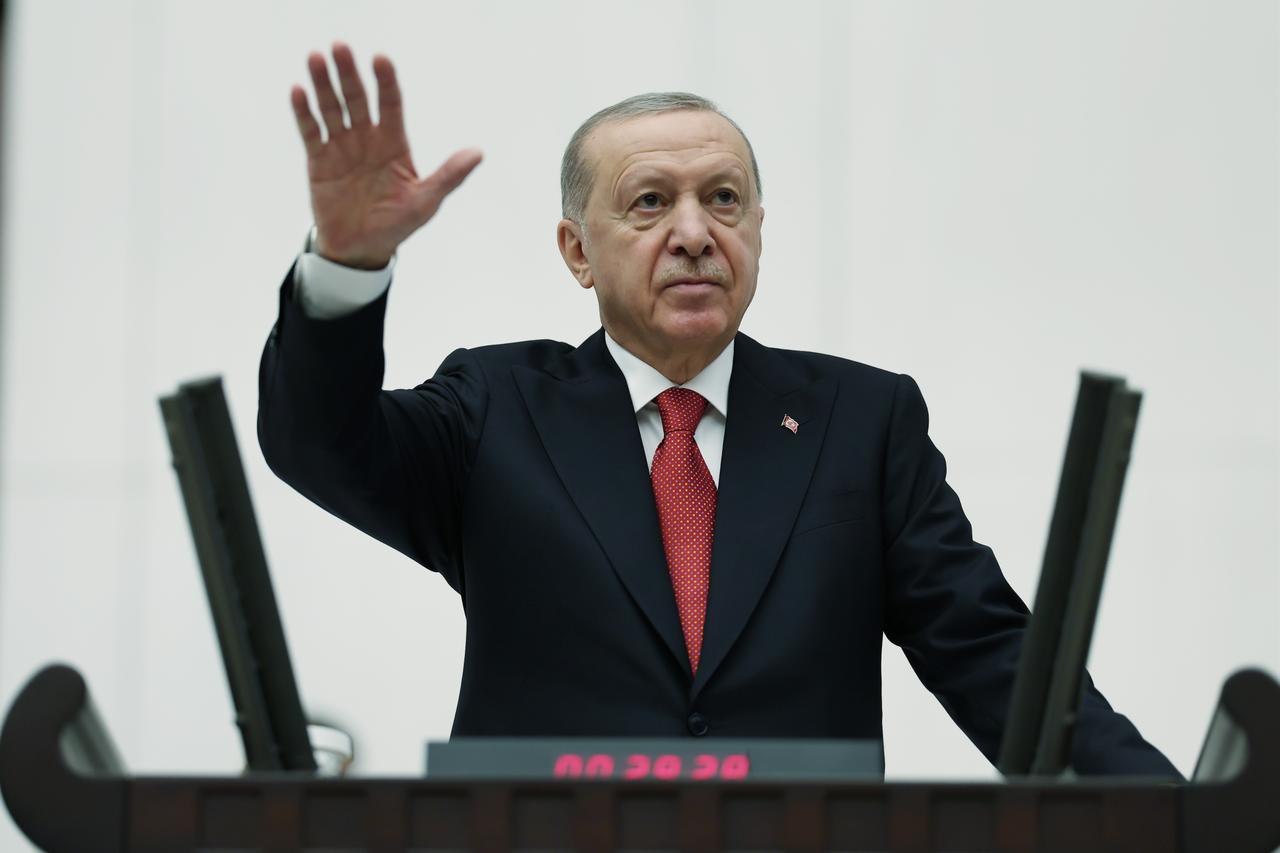
President Recep Tayyip Erdogan addressed the case on January 19 after a cabinet meeting. He said the government would fulfill its responsibilities and called for the perpetrators to receive appropriate punishment.
Justice Minister Yilmaz Tunc met the family and stated that authorities would follow the judicial process until its conclusion.
Political figures visited the family after the killing, while public debate intensified over youth crime prevention, juvenile sentencing, and emergency medical response capacity in dense urban districts.
Multiple witness statements confirmed ambulance arrival delays due to assignment procedures for forensic cases.
As of Jan. 22, the primary suspect remains in juvenile detention. Additional suspects linked to threats and online incitement are in custody or under judicial supervision.
Authorities continue reviewing security footage, phone records, and digital communications related to the case.


 Set as preferred source
 Set as preferred source


 6 min read