Newsletters


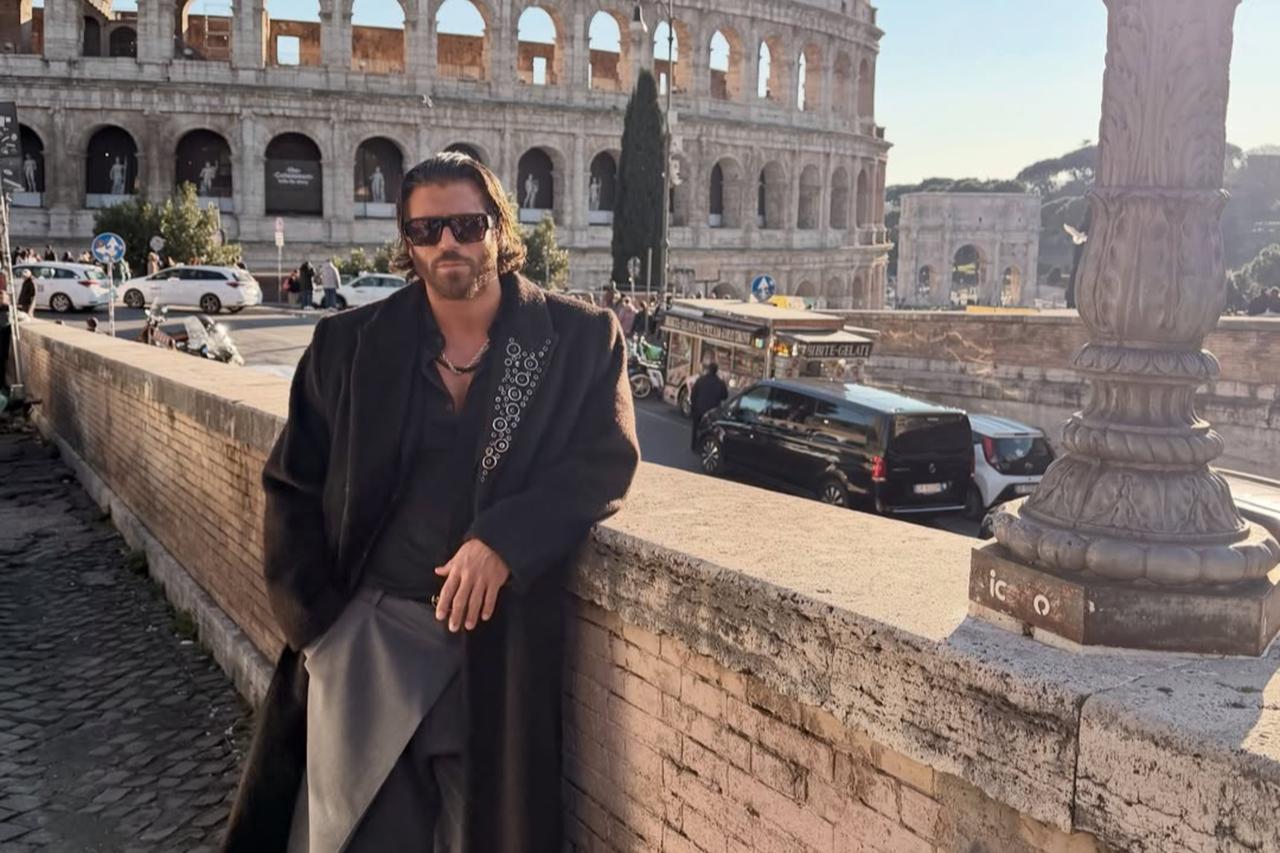


Prominent Turkish actor Can Yaman returned to Italy after authorities in Istanbul detained and later released him during a wide-ranging drug investigation targeting nightclubs, hotel venues, and public figures.
His brief detention, rapid release, and public response drew extensive media attention in Türkiye and abroad, while some journalists began questioning how the operation unfolded and how information circulated during an ongoing investigation.
The Istanbul Chief Public Prosecutor's Office, Smuggling, Narcotics and Economic Crimes Investigation Bureau, launched the investigation earlier this month.
Police raided nine nightclubs in Istanbul and detained venue owners, managers, and individuals linked to drugs found at some locations, while media reports said investigators also acted on a tip and a statement alleging that Can Yaman used drugs.
Actress Selen Gorguzel and Yaman were among seven people detained overnight, and authorities took Yaman to the Forensic Medicine Institute for blood tests as part of an inquiry that also includes allegations of facilitating drug use and encouraging prostitution or providing venues for the act.
Separate court proceedings within the broader probe later led to the arrest of 19 suspects connected to a luxury hotel in Bebek, while authorities allowed Yaman to leave Türkiye, after which he returned to Italy where he lives and works.


After authorities took his statement and completed tests, they released Can Yaman, who returned to Italy on an earlier flight and later posted a message in Italian on social media from Rome, where he addressed Italian journalists directly and criticized Turkish media coverage.
“Dear Italian press, it is well known that the Turkish press has always treated me badly. This is not new. But you are not like that. Please do not fall into the mistake of copy-pasting news. At a time when police detain many celebrities and run large-scale investigations, do you really believe I walk around nightclubs with banned substances? If this were even slightly true, I would not have been released so quickly and been able to return to Italy the next day. I love you all,” he wrote.
His statement drew attention in Turkish and Italian media and highlighted how the story spread beyond Türkiye within hours of his detention.
Drug use and addiction have become serious public health and security concerns in Türkiye.
Health Ministry data shows that 2.6% of the population aged 15 and above has used an illegal substance at least once, equal to roughly 1.74 million people, while reports indicate that new and synthetic substances continue to spread rapidly across the country.
Official assessments state that Türkiye has shifted from being mainly a transit route in international drug networks to becoming a growing consumer market, a trend supported by the 2024 Türkiye Drug Report, which recorded record increases in synthetic drug supply and seizures, and by European wastewater analysis placing Türkiye among the five countries with the highest synthetic substance loads, particularly in Istanbul.
The human and institutional impact of this trend remains significant. Direct drug-related deaths reached 300 in 2023 after a renewed annual increase.
Prison statistics show that about one-third of inmates serve sentences for drug-related crimes, and treatment capacity remains limited, with only 138 centers and 1,396 inpatient beds nationwide, despite hundreds of thousands of outpatient applications.
At the same time, authorities face enforcement challenges due to rapidly changing synthetic substances and online drug sales, and within this broader policy environment, law enforcement agencies present large-scale nightclub raids in Istanbul as part of efforts to curb supply networks, deter use, and reinforce the illegality of drug trade and consumption.

As the operation expanded and public attention intensified, the manner in which raids, detentions, and subsequent media reporting unfolded also became a subject of discussion among journalists and legal observers.
Journalist Baris Terkoglu published a commentary examining the operation and media coverage surrounding the Can Yaman case. He was recently detained in a separate case over allegations of spreading misleading information before his release under judicial control.
Terkoglu wrote that police searched Yaman twice during the nightclub raid and did not find drugs on him. He added that police records reportedly noted that no narcotics were found, even as several media outlets published headlines claiming drugs were discovered on Yaman.
According to Terkoglu, police later detained Yaman on the prosecutor's instruction, held him overnight, and took hair and blood samples at the Forensic Medicine Institute.
He wrote that police asked Yaman 11 questions, including whether he used drugs and whether he had previous criminal cases, to which he responded by denying drug use and stating that forensic results would confirm this.
He also wrote that prosecutors released Yaman without imposing judicial control measures. He added that Yaman returned to Italy earlier than planned despite an upcoming international work schedule. Terkoglu stressed that he could not know what test results would show but argued that procedural conduct and media leaks caused reputational damage during an ongoing investigation.
The investigation remains ongoing, with police and gendarmerie continuing searches at nightlife venues and hotel properties linked to the case.
Authorities have confirmed detentions across several provinces and court decisions ordering arrests, house arrest measures, and travel bans as part of the broader probe.
While officials describe the operation as part of a wider campaign against drug networks, the detention of public figures and the speed at which allegations entered media coverage have continued to prompt debate over due process, privacy and responsible reporting.


 Set as preferred source
 Set as preferred source


 6 min read