Newsletters


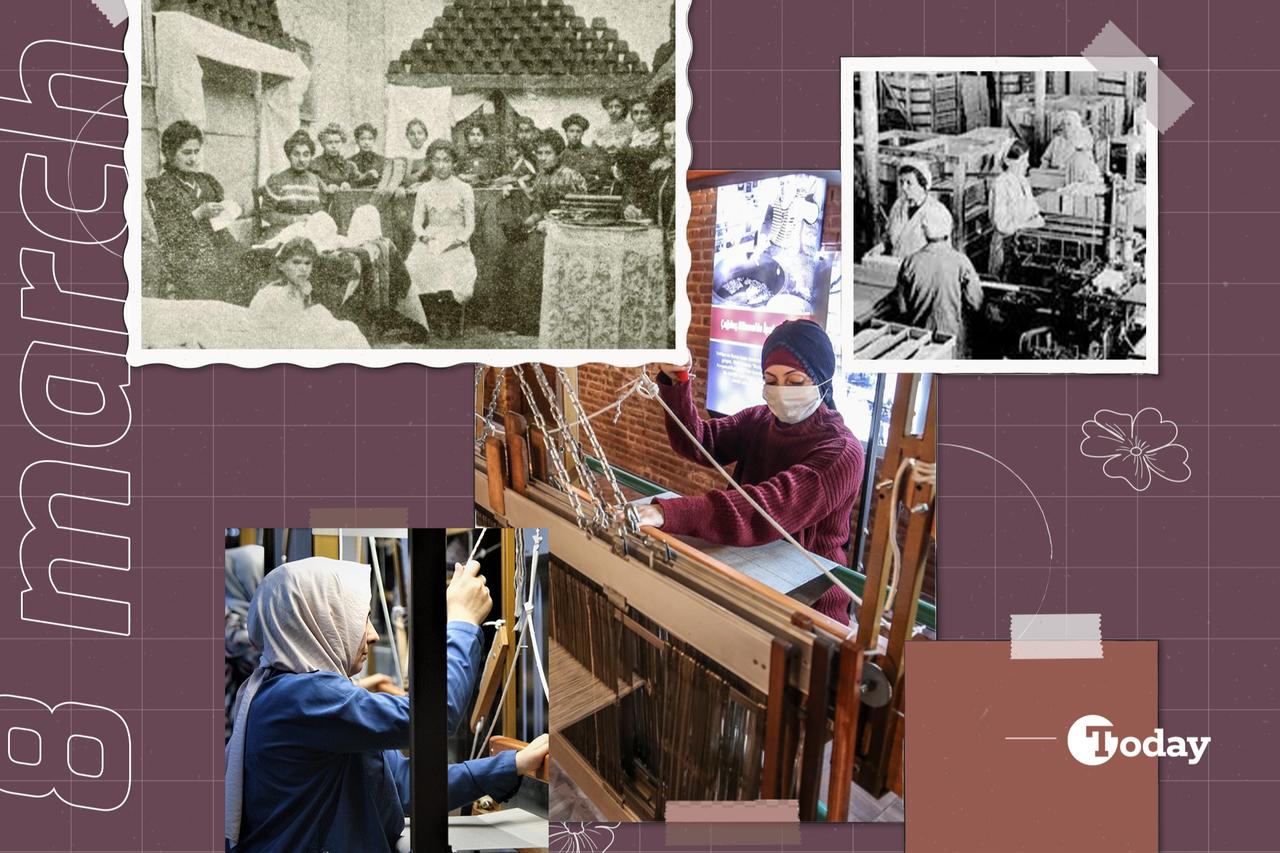


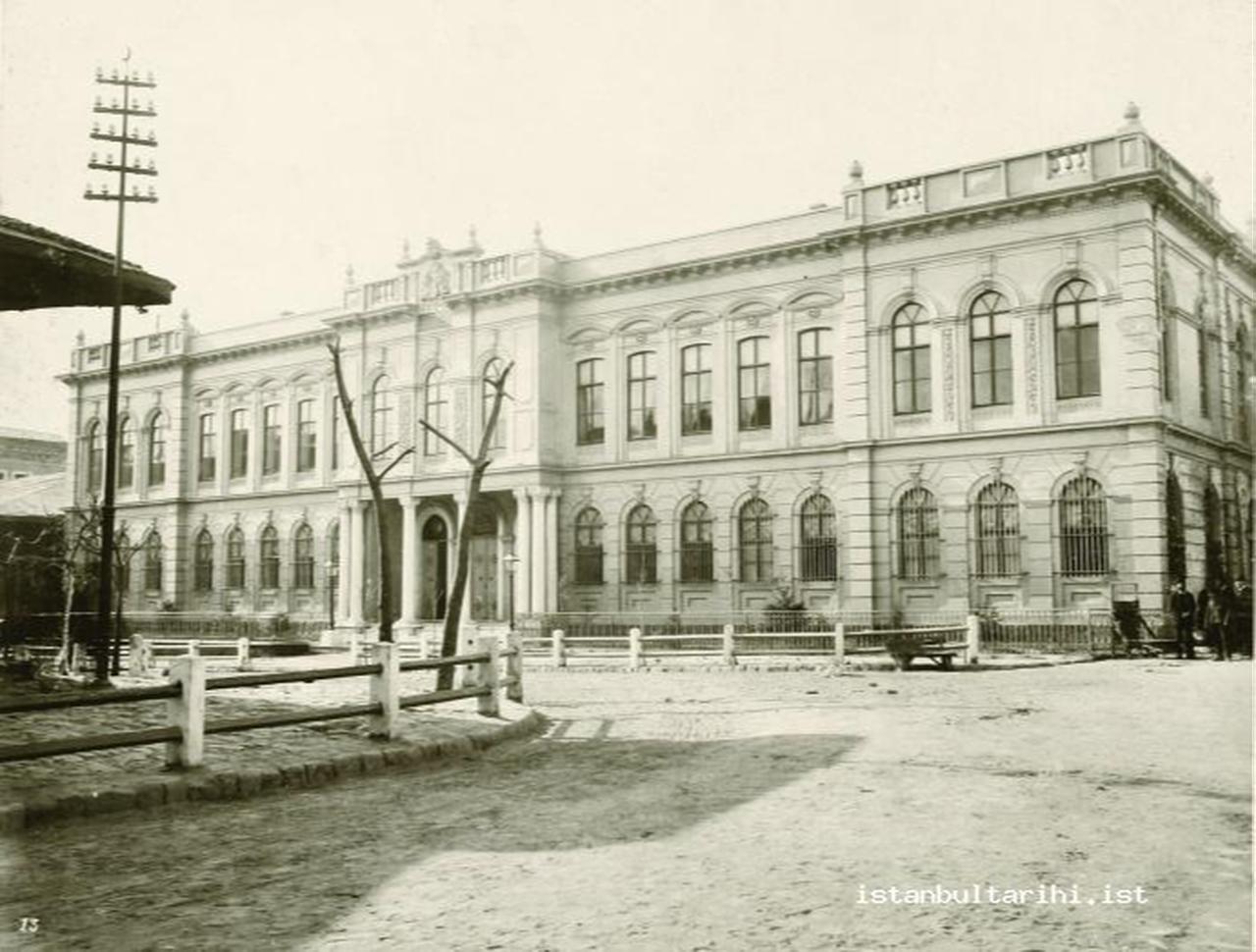
On a damp Tuesday in November 1913, seven women stood dwarfed by a stoic stone ministry in Istanbul. Inside, a single competitive exam waited to puncture a monopoly that had stood for centuries.
History, often preoccupied with the grand declarations of men or the catastrophic maps of war, has largely overlooked this quieter turning point in Turkish history.
Among the candidates were Bedra, Semiha and Hamiyet Hanim, an honorary title meaning lady. They had come to sit for the first exam that would allow Muslim women into the Ottoman civil service, a world long reserved for men and governed by hereditary privilege.
The state did not open its doors out of sudden idealism, of course. The Balkan Wars had drained the bureaucracy of men, and the empire needed workers. Yet for these women, the stakes were personal.
To qualify, they had to be Ottoman subjects, under the age of 30, and, crucially, possess an "iffet vesikasi" (certificate of chastity). In 1913, a woman’s professional merit remained legally tied to her moral reputation.
By passing the exam and taking their places at the switchboards, Bedra and her colleagues quietly crossed a boundary that had stood for generations.

As the world marks International Women’s Day on March 8, the public discourse in Türkiye and across the globe is understandably dominated by the urgent struggle against violence.
These conversations are vital as they address a reality that cannot be ignored.
However, alongside the battle for safety, there is a parallel history that deserves our attention. A history of agency and economic presence.
To understand the Turkish woman of 2026, we should look back to the silk filatures of Bursa in the northwest and the carpet looms of Usak in the west, where the true legacy of labor began.
The Turkish woman has never been a passive observer of history; she has been an indispensable participant, sustaining the economic life of the nation through her labor, often in the face of rigid legal and social exclusions.
Long before the state opened its offices to women, the Ottoman export economy relied on a workforce that history has largely kept in the shadows.
In the mid-19th century, Bursa became the beating heart of the empire's global silk trade. Research suggests that it was a landscape of steam and shadow, where, by the 1840s, nearly 90% of the workers in the silk-reeling factories were women.
These were not home-based "helpers" engaged in a domestic hobby; they were industrial laborers working 12 to 14 hours a day in "filatures," which were massive plants where they stood over basins of near-boiling water to unravel silk cocoons.
The technical precision required was immense. These women managed the delicate transition from raw biological material to the high-grade thread that decorated the courts of Europe. Yet, this "conditional inclusion" of women in the workforce was a matter of regulation rather than emancipation.
By the early 20th century, the pressure of this regulation boiled over.
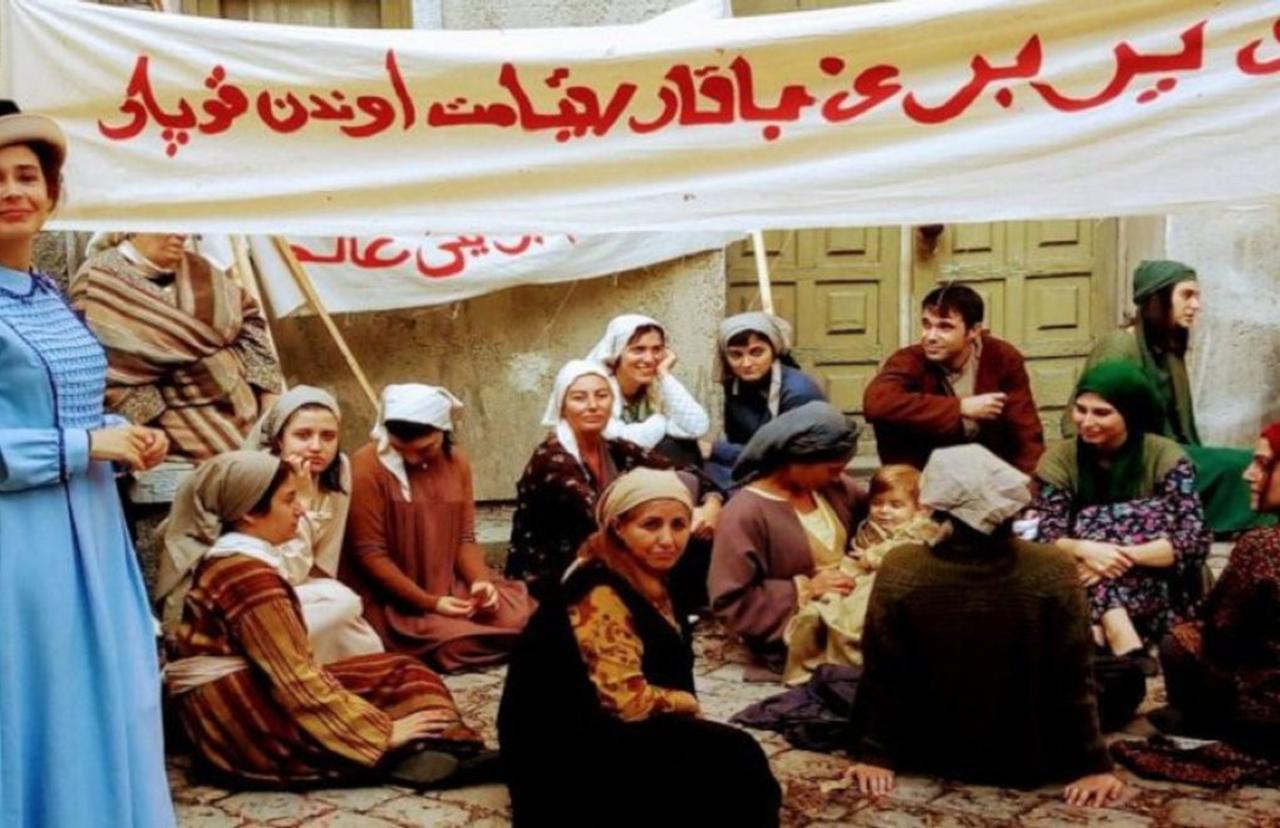
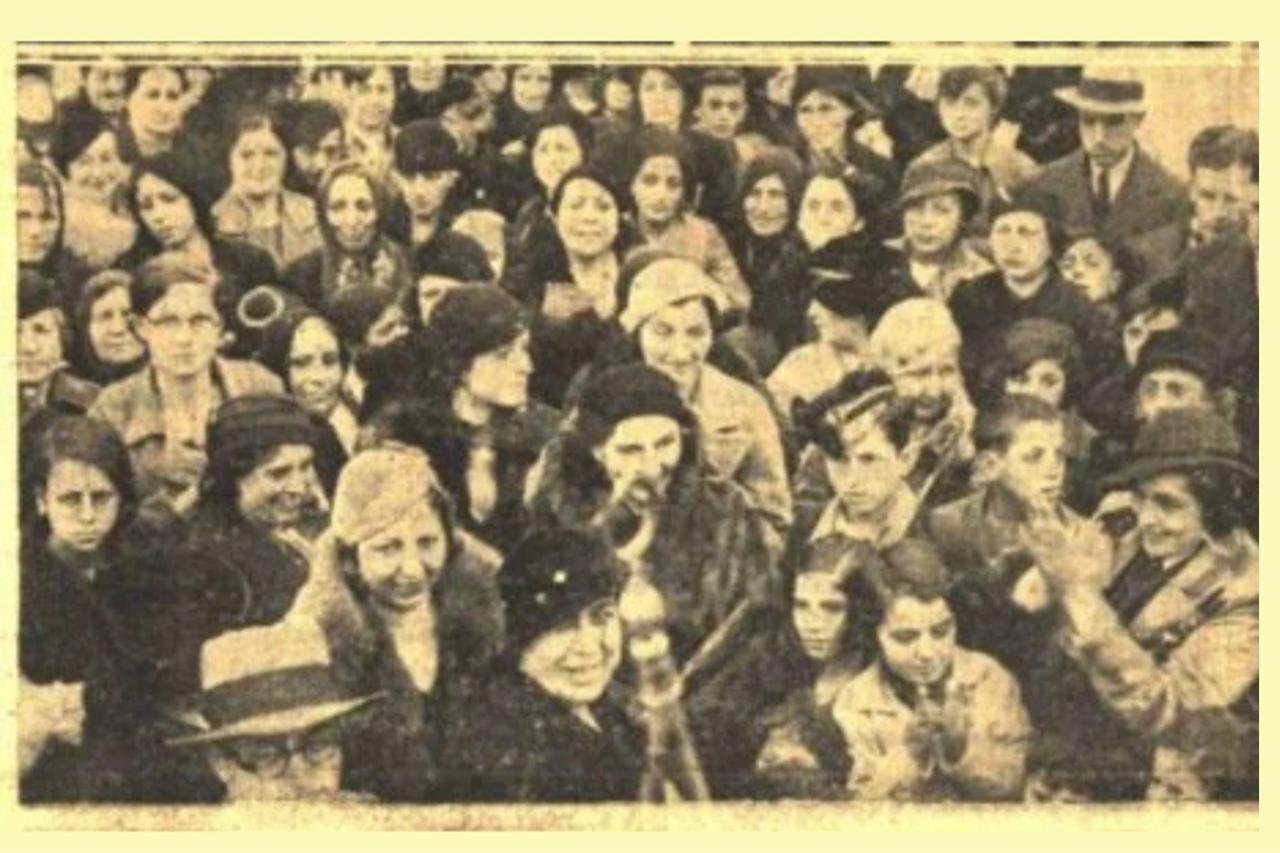
In August 1910, 3,000 female silk workers in Bursa walked out of the factories. They weren't simply asking for more money but were also protesting 14-hour workdays and the abysmal lack of safety in the steam-filled filatures.
This was a sophisticated, cross-ethnic labor movement where Muslim, Armenian and Greek women stood together against the factory owners. They proved that the "silent architects" of the economy could, if pushed, find a very loud collective voice.
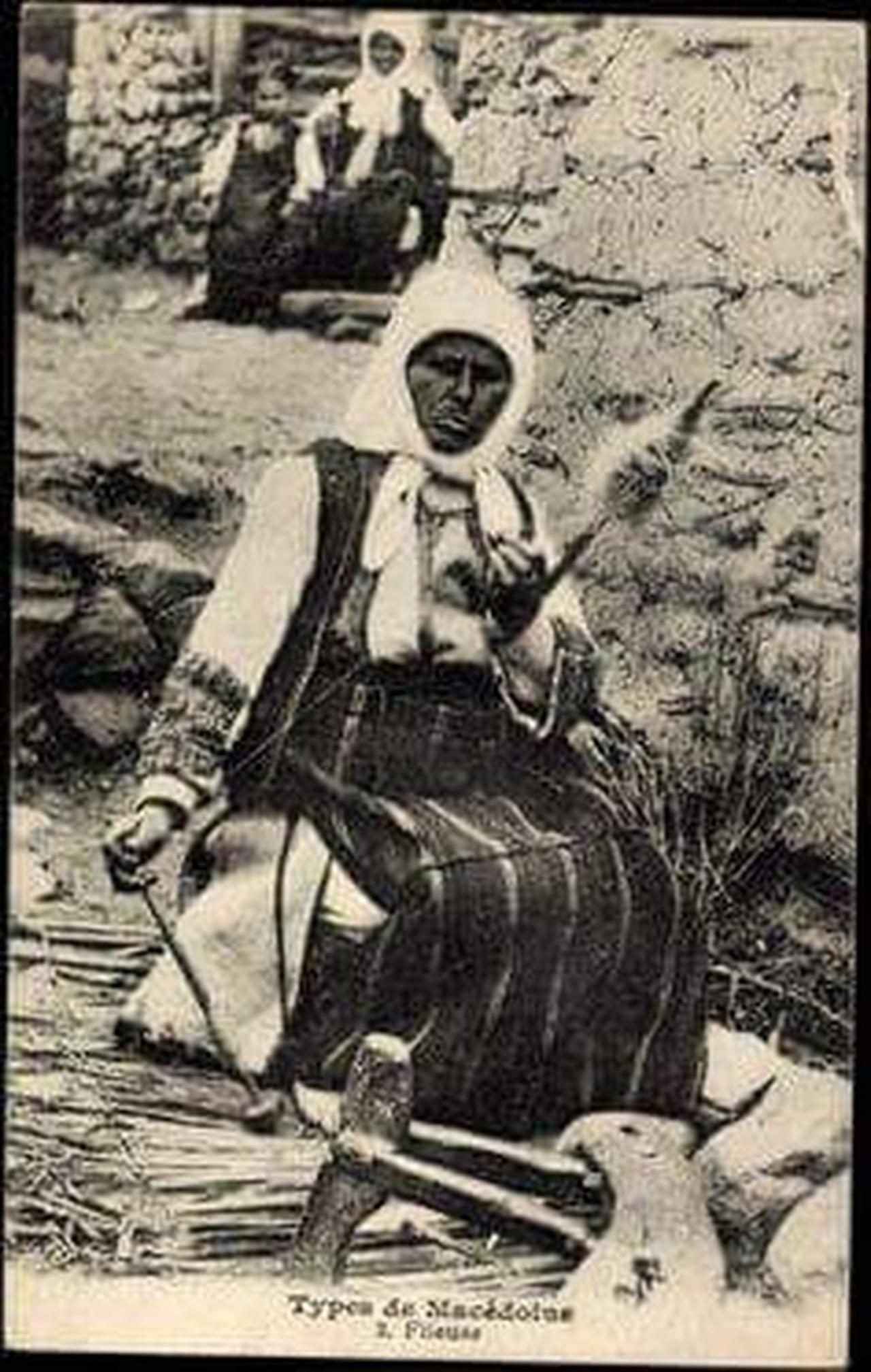
A similar reality grounded the carpet-weaving cities in the West.
In Usak, carpet weaving was the lifeblood of the town, a tradition preserved by tribes like the Kinikli and Tekeli since the 13th century, academic research suggests.
By the late 19th century, the local economy was almost entirely specialized. Men managed the raw wool, but the actual creation of the carpet, the skilled spinning and knotting of world-famous patterns, was the exclusive domain of women. This "home industry" provided families with their primary source of independent income.
By 1908, this order was under siege. Local merchants and foreign firms, eager to feed a surging European market, sought to industrialize the process.
The introduction of steam-powered spinning machines from Europe was an existential threat to roughly 10,000 women who relied on hand-spinning to support their households. These "iron monsters" represented the potential erasure of a woman's economic agency within her own home.
On March 13, 1908, this tension snapped in a literal "Comb Rebellion" (Tarak Yagmasi). Approximately 1,500 women marched on the Usak Sayak Factory. They did not just shout; they acted with tactical precision.
They stormed the warehouse, seized the machine-spun yarn, and began dismantling the steam-powered combs. They dragged the factory's wool to the government house (Hukumet Konagi), demanding that the European machines be expelled.
While traditional accounts often credit merchants as the "shapers of industry," the reality is that the empire's economic resilience rested on the shoulders of women who were willing to physically dismantle the future to protect their place within it.
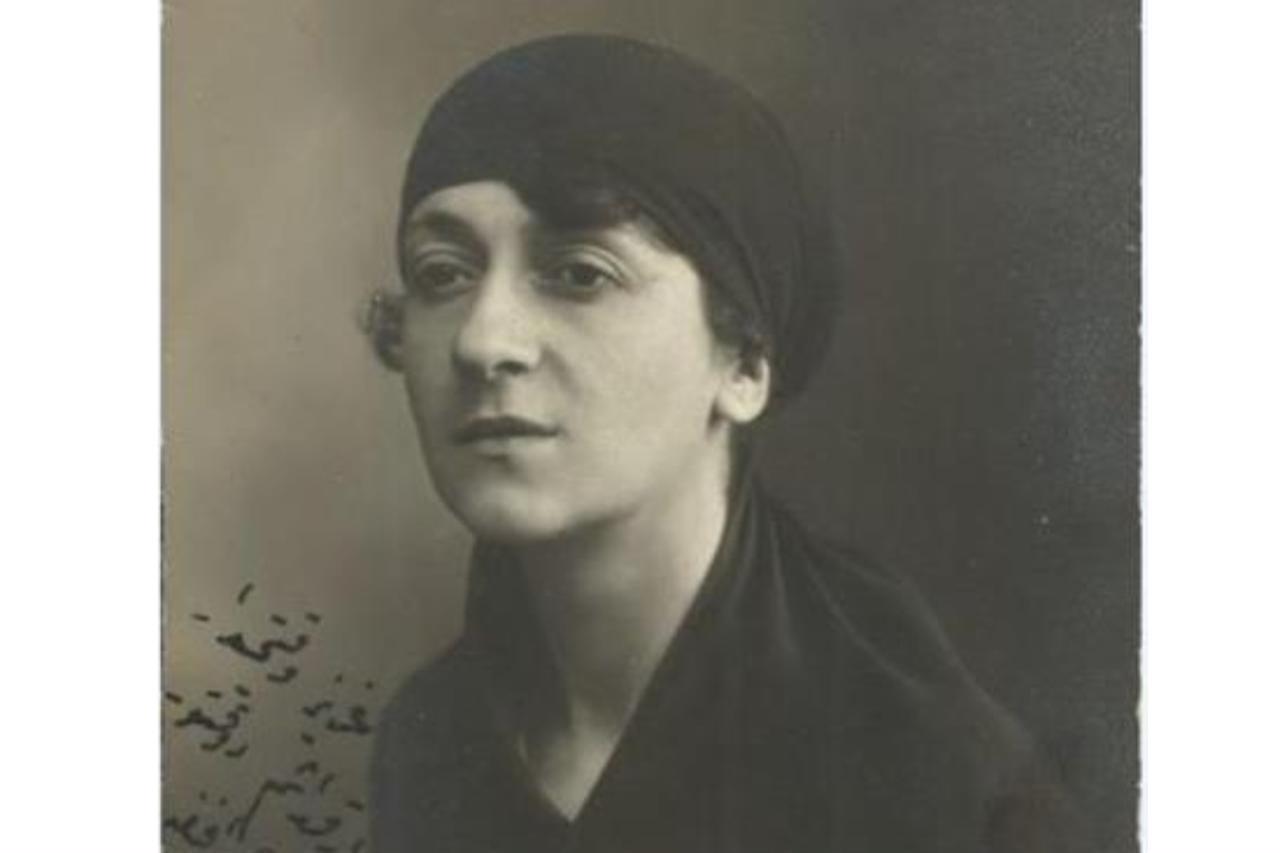
This defiance in the factories was the direct precursor to the defiance in the halls of power.
By the time the Republic was founded in 1923, the "silent architects" of the looms and the switchboards had found their intellectual voice. The most formidable of these was Nezihe Muhiddin
Raised in an environment that debated rights as a necessity rather than a luxury, Muhiddin understood a fundamental truth: economic participation without political representation is a half-measure.
In June 1923, before the Republic or its ruling party had even taken form, Muhiddin and her colleagues founded the Kadinlar Halk Firkasi (Women’s People Party).
Their aim was radical for its time, demanding not just the vote, but expanded education and the right for women to serve in national defense. However, the state’s "pragmatism" had its limits. The party’s application was rejected on the grounds that women did not yet have the legal right to engage in political representation.
The reform of 1934, which granted full voting rights, is often celebrated as a sudden act of modernization that placed Türkiye years ahead of France, Italy and Switzerland.
While true, this narrative often overlooks the decades of work by women like Muhiddin, who had already made political rights a public issue. By the time the ballot was finally granted, it was less a gift and more a recognition of the status women had already earned through their labor and their organizing.
The professional landscape of 2026 is defined by a significant paradox.
While the educational level of women in Türkiye has reached historic highs, the translation of that knowledge into the workforce remains incomplete.
According to the latest Turkish Statistical Institute (TurkStat) figures, women now make up 49.98% of the population, yet their economic participation reflects a different reality:
The data suggest that education is the primary driver of entry; labor force participation rises to 68.7% for women with higher education degrees, compared to just 27.5% for those with less than a high school education.
However, even with these qualifications, the path to leadership remains restricted, with men still holding 78.5% of management roles.
The 1910 Bursa silk strikes and the 1908 Usak machine riots show that women operated as active economic agents decades before the state updated its legal code. This labor sustained the nation during the collapse of the empire and the transition to the Republic, making political representation a practical requirement for a functioning society. The 1934 suffrage law served as the formal recognition of a role already secured on the factory floor and at the switchboard.
Retaining this history is necessary to evaluate the current status of women in the workforce. The 2026 data show that while educational barriers have fallen, the structural obstacles remain.
The 34-point employment gap and the fact that men still hold 78.5% of management positions indicate that the legal recognition of 1934 has not yet translated into economic parity. These figures, alongside the persistent pay gap and glass ceiling, confirm that the right to participate and the actual ability to lead are still not aligned.


 Set as preferred source
 Set as preferred source



 8 min read