Newsletters


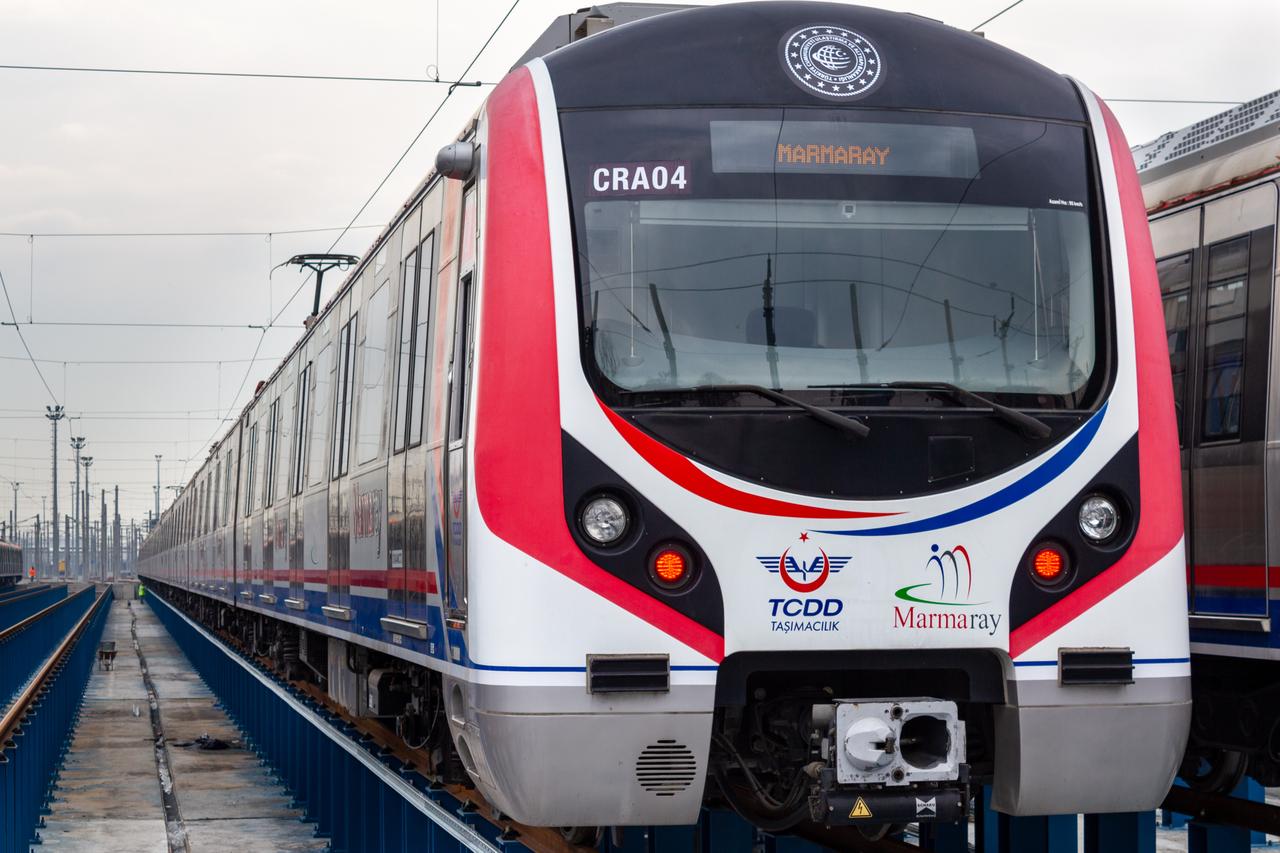


A series of suicides on Istanbul’s urban rail network over the past year has drawn renewed attention to safety gaps and the risk of what experts describe as “suicide contagion,” after several incidents appeared to cluster within short time periods.
Data compiled from local media reports and operator statements shows that at least 11 incidents were recorded across metro and Marmaray lines within a 12-month period. Of these, seven took place on the Marmaray, a commuter rail system linking the European and Asian sides of Türkiye through an undersea tunnel, while four occurred on the city’s metro network.
In each case, individuals entered the tracks deliberately, leading either to death or attempted suicide. While the overall number averages out to roughly one incident per month, the distribution was uneven. A notable spike emerged in April 2026, when four separate cases were reported within a 10-day period, all on the Marmaray line. This clustering drew particular attention because it suggested a short-term concentration rather than a steady pattern.
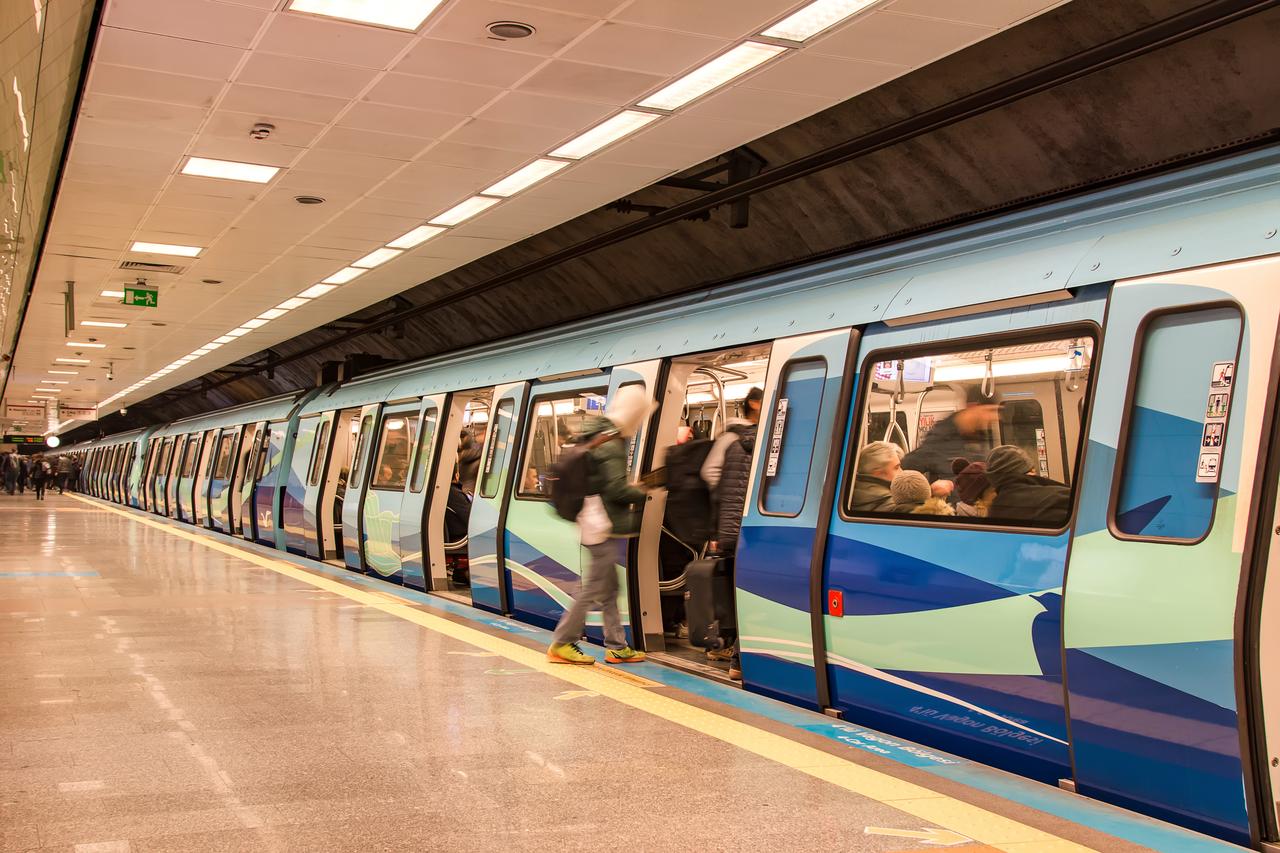

The concentration of incidents within days of each other aligns with what is known internationally as “suicide contagion,” a phenomenon in which exposure to suicide cases, especially when widely reported, can increase the likelihood of similar acts in a short time frame.
Although no direct causal link was officially established in the reported cases, the timing of the April incidents raised concerns among observers that repeated disruptions and public announcements may have amplified awareness in a way that can influence vulnerable individuals.
The incidents were not evenly spread across the network. On the metro side, the M2 line, which runs between Yenikapi and Haciosman and is one of the busiest in the city, appeared multiple times in reports, with cases recorded at stations such as Sisane, Mecidiyekoy and Haciosman.
On the Marmaray line, incidents were reported at stations including Atakoy, Goztepe, Uskudar, Sureyya Plaji and Aydintepe. These stops are located in densely populated districts and serve high passenger volumes throughout the day.
The repeated appearance of certain stations suggests that location-specific factors, such as platform design or passenger flow, may play a role, although no official assessment was included in the available reports.
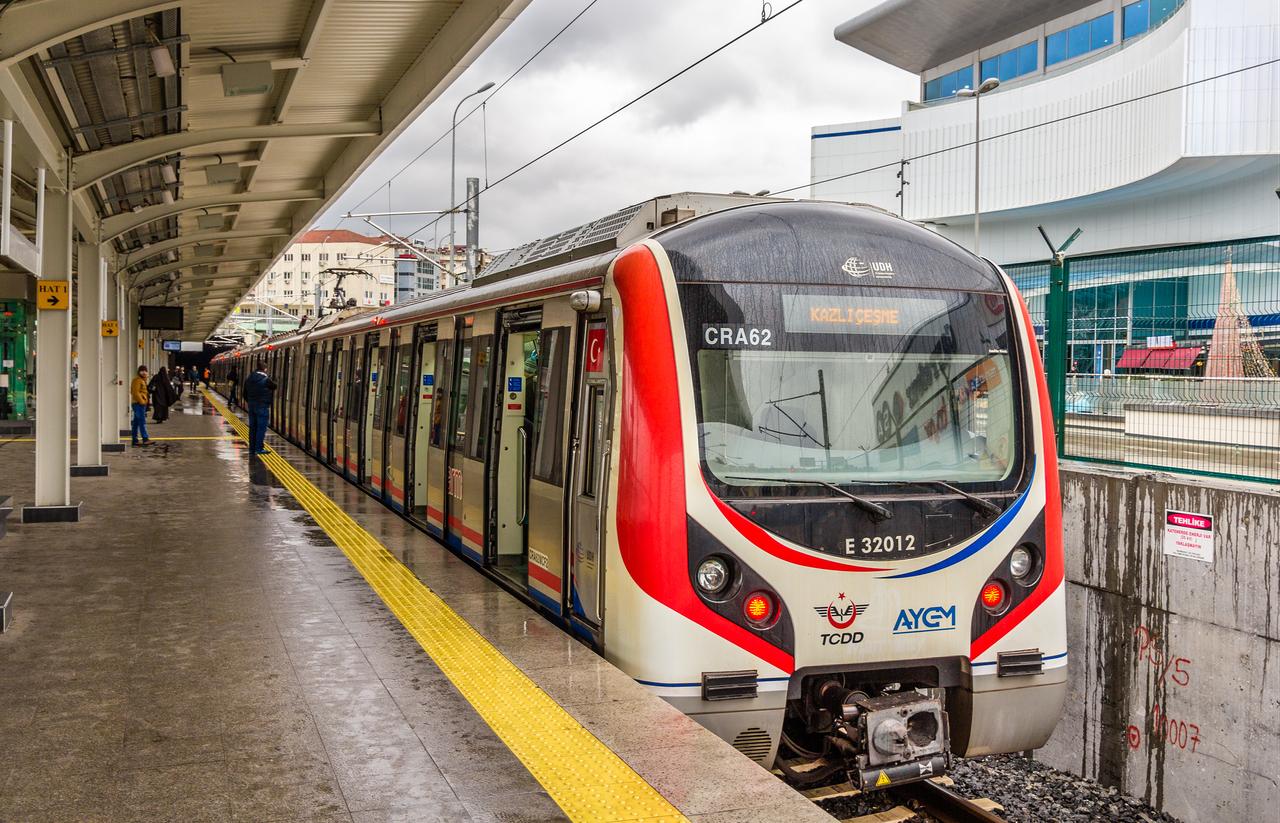
One key distinction between lines lies in infrastructure. Some newer metro lines in Istanbul operate with platform screen doors, which physically separate passengers from the tracks and only open when trains arrive. These systems are widely used in automated or driverless lines.
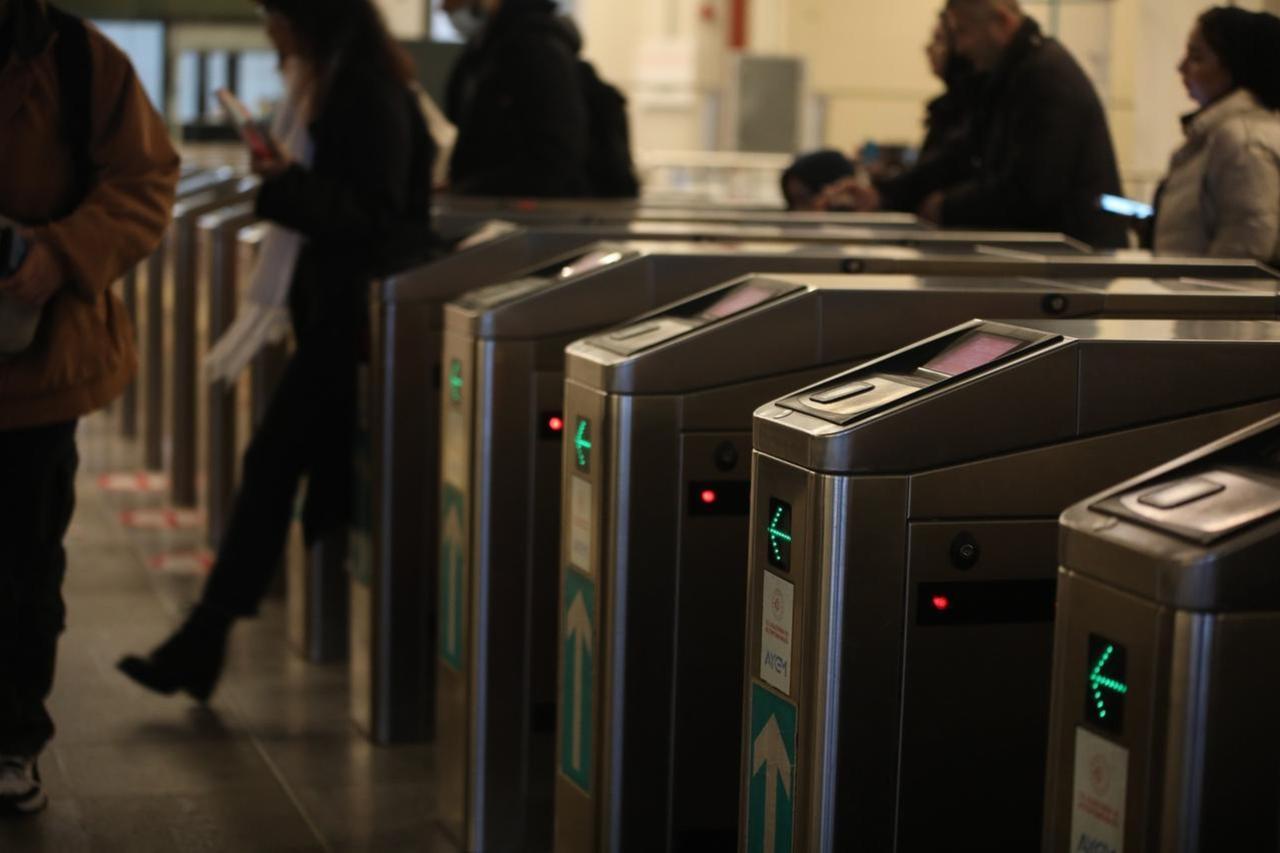
By contrast, much of the Marmaray network and older metro lines lack such barriers, allowing direct access to the tracks from the platform. The absence of these systems has been noted in coverage of the incidents, as it may increase vulnerability in both accidental and intentional cases.
While no official policy change was announced in connection with the incidents, the difference in infrastructure has become a focal point in discussions about prevention.


 Set as preferred source
 Set as preferred source


 1 min read
 1 min read