Newsletters


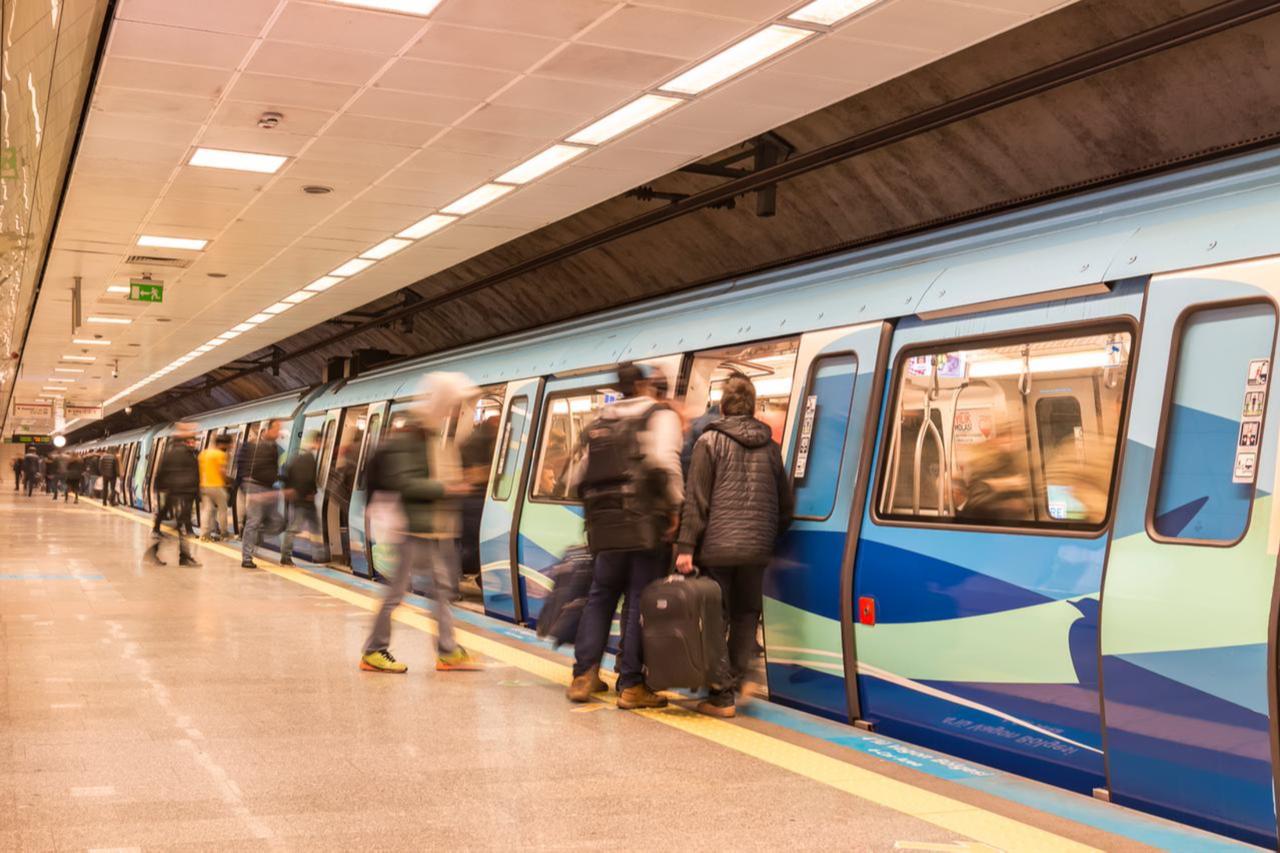


Istanbul is expected to gain 23 additional metro stations by the end of 2026, as four separate rail projects move forward in the city and its wider commuter belt, Turkish Transport and Infrastructure Minister Abdulkadir Uraloglu said.
Speaking to Anadolu Agency (AA), Uraloglu framed the expansion as part of a broader push to scale up urban rail in major cities where TCDD Tasimacilik operates metro-standard suburban services.
According to Uraloglu, station construction planned through year-end is distributed across four lines:
Together, the projects add up to 23 stations, with Istanbul accounting for the Arnavutkoy–Halkali, Altunizade–Camlica Bosna Bulvari, and Gebze OSB–Darica lines, while Bursa’s extension is listed alongside them in the same year-end plan.
Uraloglu also outlined how much additional route length is being targeted by the end of the year across the same set of projects. He said the overall urban rail route length stood at 445.6 kilometers as of the end of last year and is aimed to reach 487.1 kilometers by the end of this year, based on new construction across four corridors:
Uraloglu pointed to Marmaray’s daily ridership to underline how rail projects have been taking pressure off Istanbul’s roads. He said Marmaray carries an average of 610,000 passengers per day on the Halkali–Kazlicesme–Ayrilikcesme–Gebze corridor, describing it as the “backbone” of city transportation.
He also noted that the Gayrettepe–Istanbul Airport Metro Line carries an average of 35,000 passengers per day, and said projects like these are building up a transport corridor that “increases Istanbul’s global accessibility.”
Expanding beyond Istanbul, Uraloglu said TCDD-run urban rail services in Istanbul, Ankara, Izmir, Gaziantep, and Sakarya collectively carry an average of 932,000 passengers daily.
He provided city-by-city averages for several flagship commuter systems:
Uraloglu said additional capacity-boosting projects are being carried out quickly, highlighting two examples.
In Konya, he said a 23 km Konyaray suburban line is being built up, and once completed it is expected to bring travel time down from around 1 hour by road to 35 minutes between Konya Station and Selcuklu High-Speed Train (YHT) Station, with links to the Organized Industrial Zone (OSB) and a logistics center.
In Ankara, he said work is continuing on a project that would link Baskentray to Yenikent, operating on a 16 km corridor referenced as the Sincan–Kazan Soda line.


 Set as preferred source
 Set as preferred source



 6 min read