Newsletters




The cost of living ranks as Türkiye's top issue for 71.3% of respondents in a new Betimar Research survey, Hurriyet columnist Abdulkadir Selvi wrote on Friday.
The same poll shows President Recep Tayyip Erdogan with more than double the support of his nearest rival, Mansur Yavas, in a presidential race.
Selvi shared the results of the survey by Betimar, chaired by Gurkan Duman, in his column.
"Politics is slowly entering the election process. From now on, I will follow the polls more closely," Selvi wrote. The cost of living came first with 71.3% in Betimar's survey of Türkiye's agenda, according to the results.
The "terror-free Türkiye" process ranked second with 19.6%, while the fund crisis came third with 16.3%.
Selvi said he regularly tracks the Consumer Confidence Index alongside polls.
"I monitor not only the polls but also the Consumer Confidence Index regularly," he wrote.

Betimar also asked respondents about the political impact of the fund investigation.
About 50.5% said it would reduce trust in the government, while 34% said its political impact would remain limited. Another 15.5% said it would strengthen the opposition’s rhetoric.
On the "terror-free Türkiye" process, 65.6% said they support it, while 34.4% said they do not.
"Terror-free Türkiye is my special area of interest. Because I see it as Türkiye's survival issue and the perspective of its next century," Selvi wrote.
 1 min read
The ruling Justice and Development Party (AK Party) led with 31.7%, followed by New Party (Yeni Parti) with 21.5%. Selvi wrote that the New Party has settled into the position of main opposition.
The remaining parties came in as follows:
"It wouldn’t do to publish a poll and not give the political parties’ vote shares," Selvi wrote.
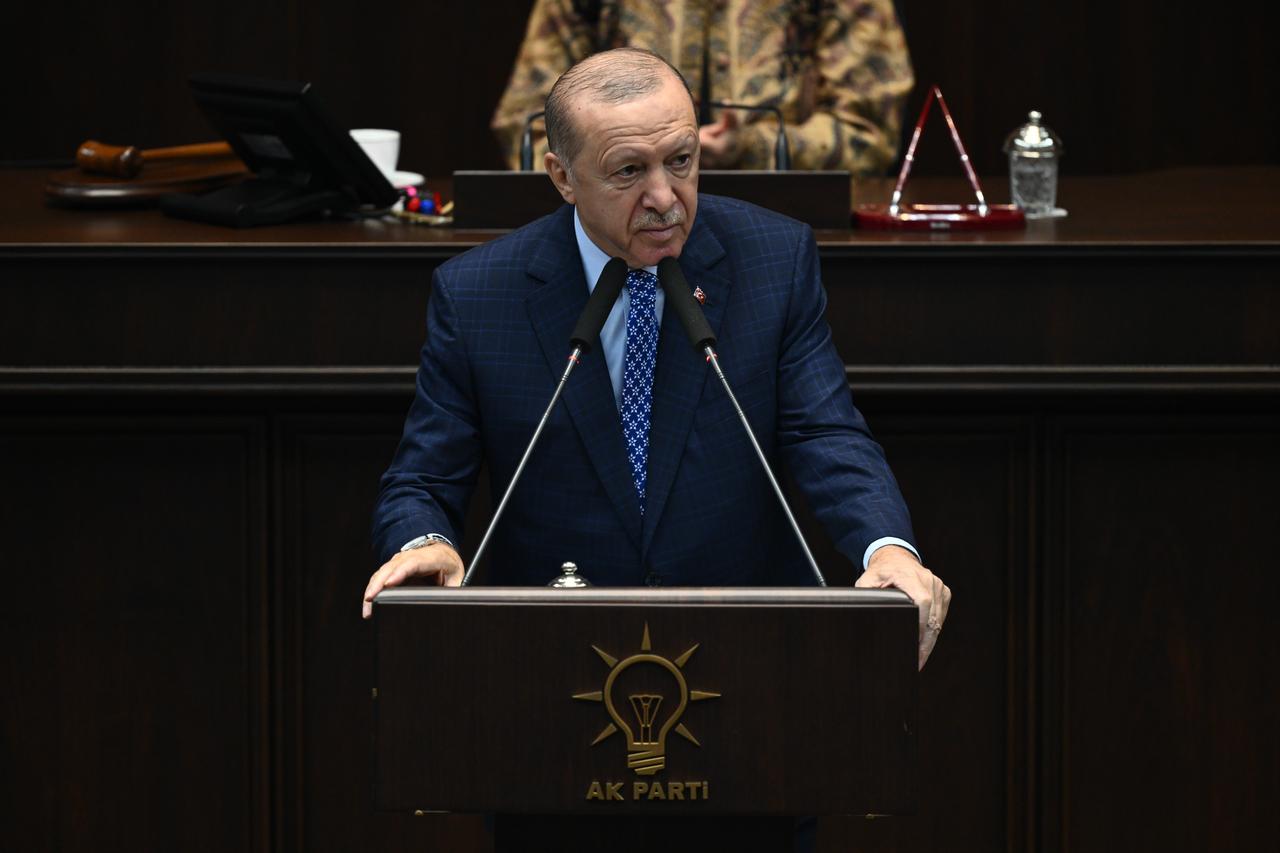
In the presidential survey, 30.4% said they want to see Erdogan as president.
Yavas followed with 14.2%, ahead of Selahattin Demirtas with 8.7%. Ekrem Imamoglu stood at 8.1%.
"Ekrem Imamoglu continues his decline," Selvi wrote.
Selvi said the share of undecided voters stands out in current polling.
"These days, the data on undecided voters catches my attention the most. Because the election campaign has not yet started, the undecided rate comes out high," he wrote.
"Our people love politics. When the election campaign starts, polarization increases. Voter preferences become clear and the rate of undecided voters falls," Selvi said.


 Set as preferred source
 Set as preferred source


 1 min read