Newsletters


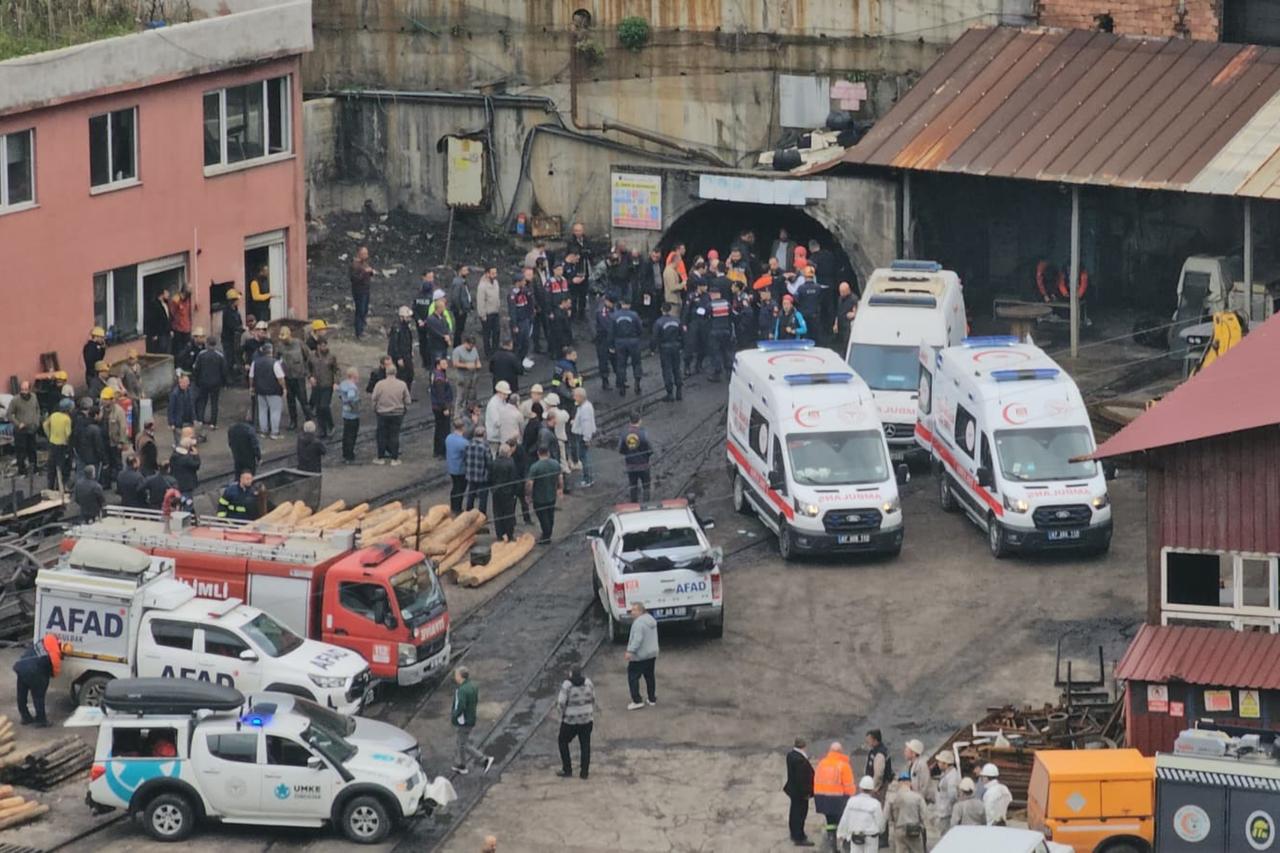


A firedamp explosion at a private coal mine in northern Türkiye killed two workers and injured five others on Friday, including two who were in serious condition.
The blast occurred at a mine in the Dereici area of Gelik, a town in the Kilimli district of Zonguldak, a major coal-mining region on Türkiye’s Black Sea coast.
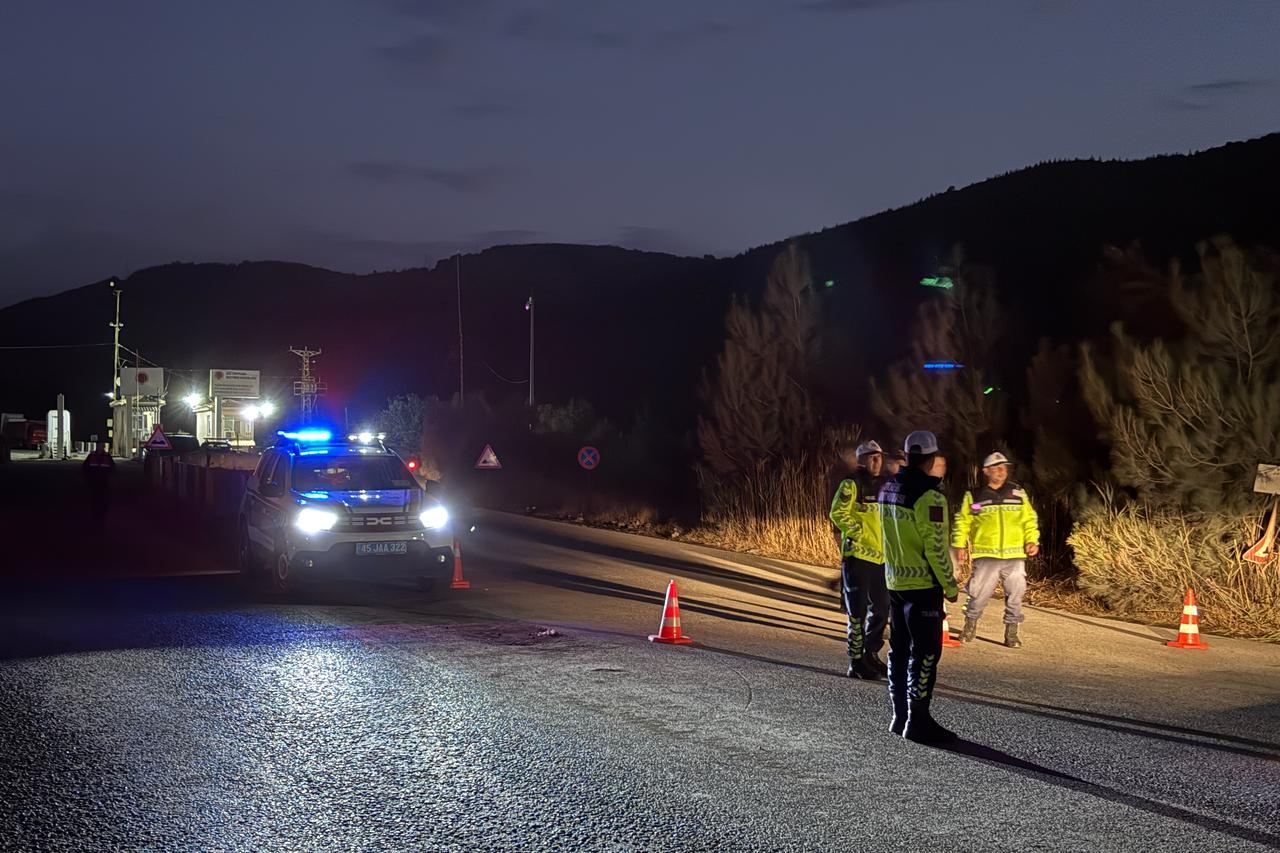
Emergency crews from the Disaster and Emergency Management Authority (AFAD), firefighters, and medical teams rushed to the mine after receiving reports of the explosion.
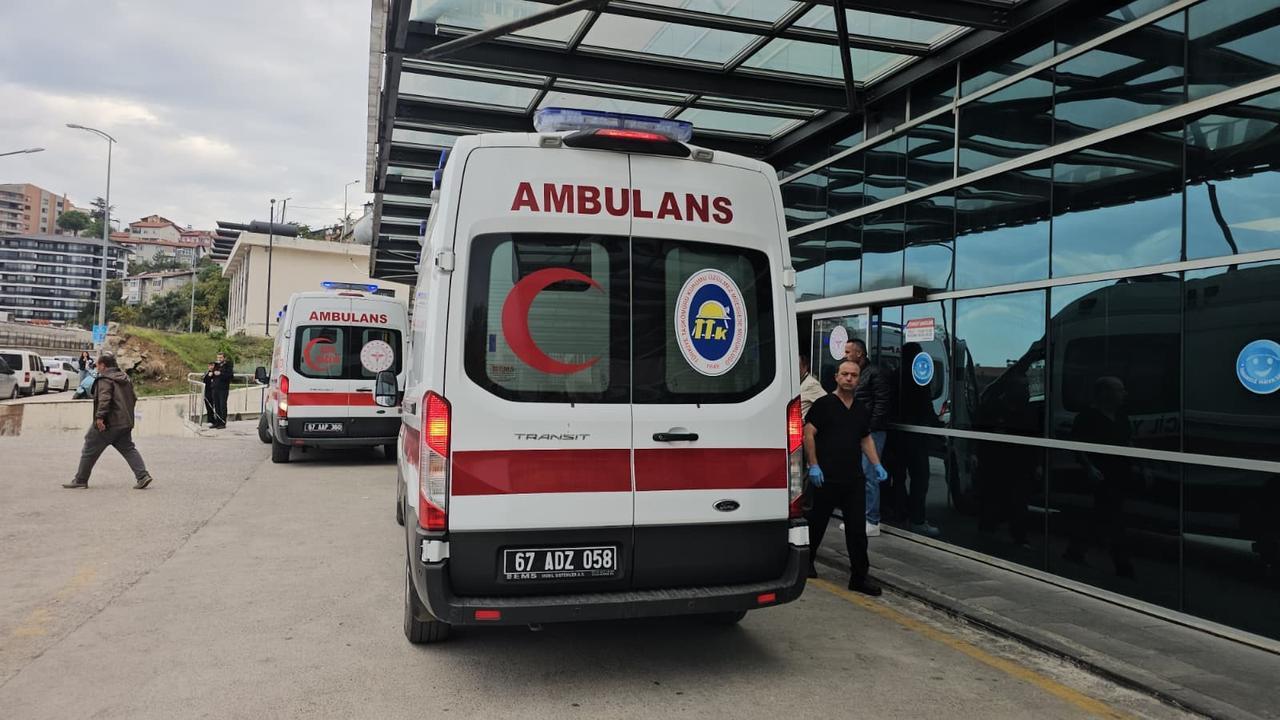
Rescue workers brought the miners out of the underground site. The injured workers were taken to hospital, with two reported to be in critical condition.
Authorities have launched an investigation to determine what caused the firedamp explosion. The incident remains under investigation, and officials have not yet released further details about what led to the blast.

Firedamp is a flammable gas, mainly methane, that can accumulate in underground coal mines. When it mixes with air at an explosive concentration, a spark, electrical fault or open flame can trigger an explosion.
Methane is released naturally from coal seams during mining. If ventilation systems fail to remove the gas, it can build up to dangerous levels. Coal dust can also ignite and intensify an explosion, allowing the blast to spread through underground tunnels.
Methane becomes explosive when its concentration in air reaches roughly 5% to 15%. Mines use ventilation systems, gas detectors and methane drainage equipment to reduce the risk.
Firedamp explosions can be particularly dangerous underground, where the force of a blast can travel through narrow tunnels and fires or toxic gases can complicate rescue efforts.


 Set as preferred source
 Set as preferred source


 1 min read
 1 min read