Sign in
 Newsletters


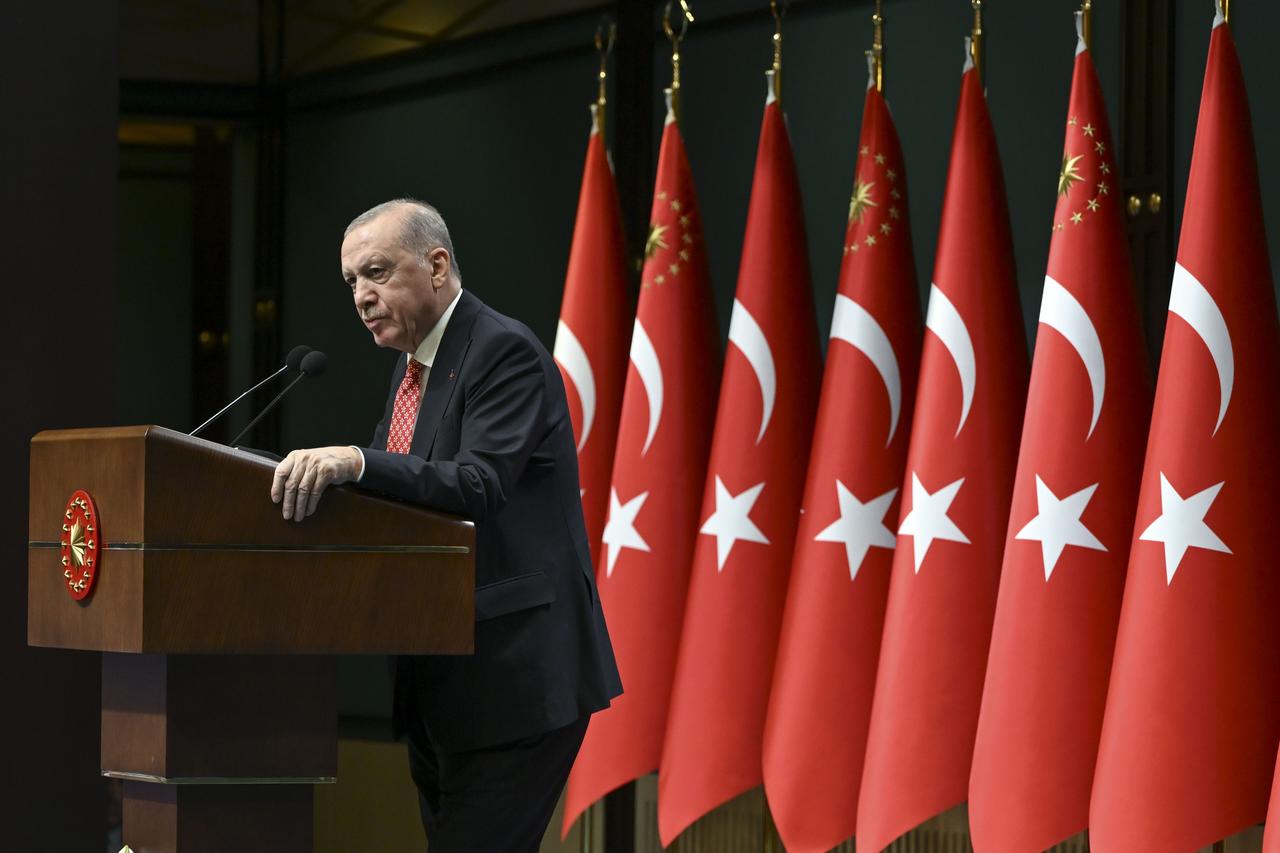


Turkish President Recep Tayyip Erdogan vowed Monday to press ahead with the "Terror-Free Türkiye" initiative without retreating, calling for broad political and social consensus while warning against attempts to turn the process into a tool of political pressure.
Speaking after a Cabinet meeting at the Presidential Complex in Ankara, Erdogan said his government remained determined to complete the process and remove longstanding obstacles to security, economic development and social stability.
"We intend to advance the Terror-Free Türkiye process with the broadest possible political and social consensus. But we will not allow such an issue to be turned into a tool of political blackmail," Erdogan said.
"We will keep moving forward without taking a single step back and, God willing, remove this issue entirely from our nation's plate," he added.
The president also outlined Türkiye's economic priorities and renewed his government's commitment to achieving full independence in the defense industry, highlighting recent developments involving the Kizilelma unmanned fighter jet and the Ejderha counter-drone system.
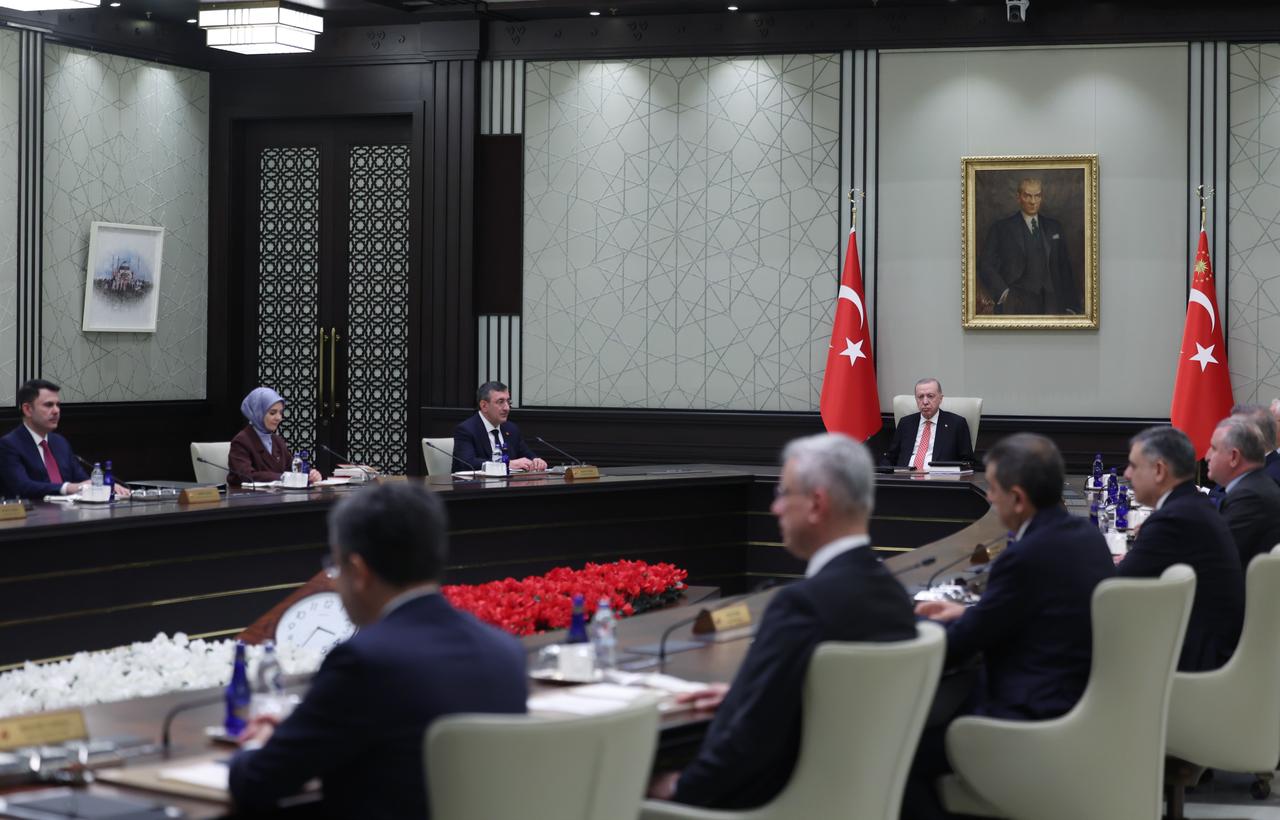

Erdogan placed particular emphasis on preserving what he described as the spirit of "467," referring to the parliamentary support behind legislation establishing a legal framework for the next stage of the disarmament process.
The Law on Strengthening National Solidarity and Social Integration was adopted Aug. 10 with 467 votes in favor, 87 against and seven abstentions, while two votes were recorded as duplicates.
Under the legislation, certain investigations, prosecutions and sentences may be suspended once Turkish security institutions verify that the PKK/KCK and affiliated structures have ended their activities and surrendered their weapons, and the National Security Council formally confirms that assessment.
The law followed work by Parliament's National Solidarity, Brotherhood and Democracy Commission, whose report was approved in February by 47 of its 50 members.
Erdogan said addressing longstanding problems would become easier once weapons and violence were removed from the equation.
He stressed that the government was conscious of its responsibility to bring the initiative to a successful conclusion.
"We are aware of the responsibility entrusted to us. We have put our hearts, our souls, and even our entire bodies on the line for the success of this process," he said.
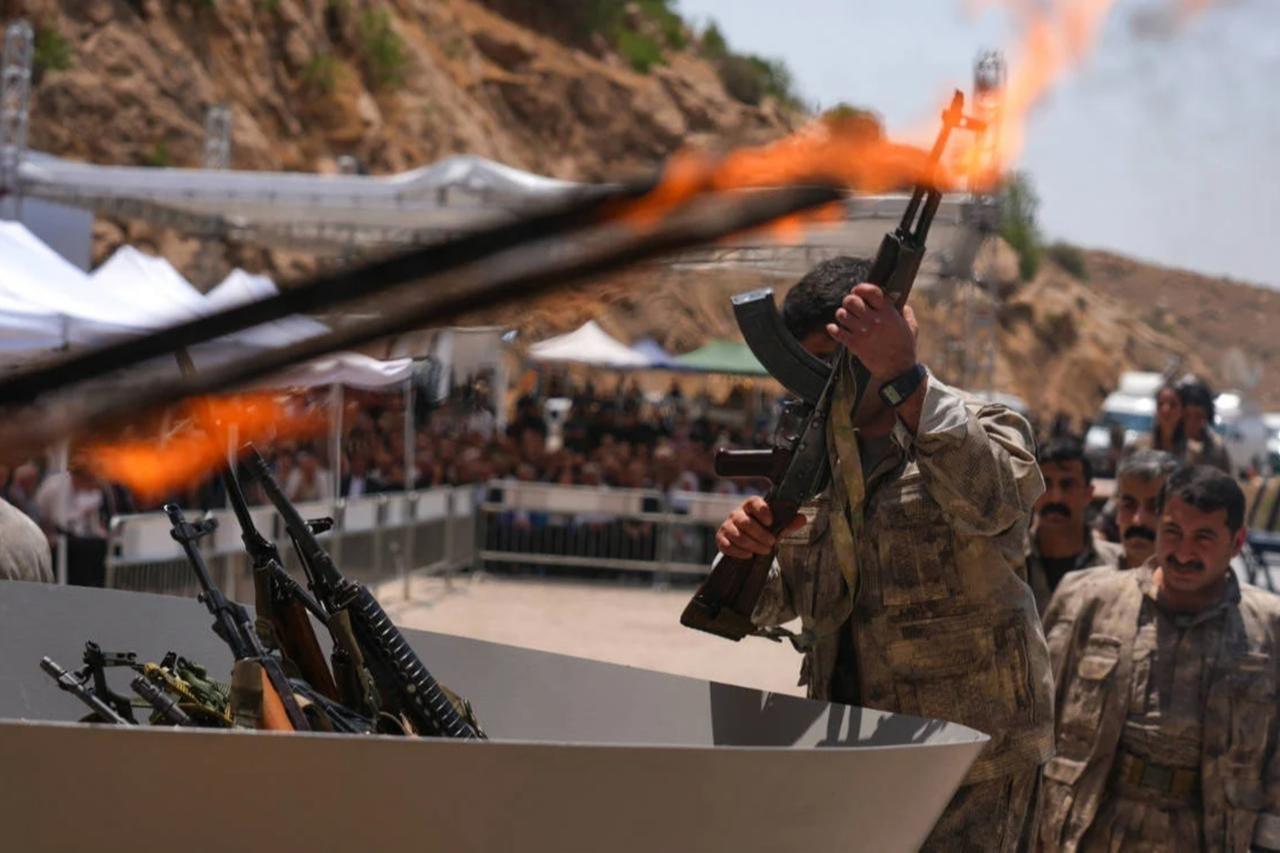
Erdogan said improving security conditions in southeastern Türkiye and neighboring regions were helping remove barriers to investment, production, employment and tourism.
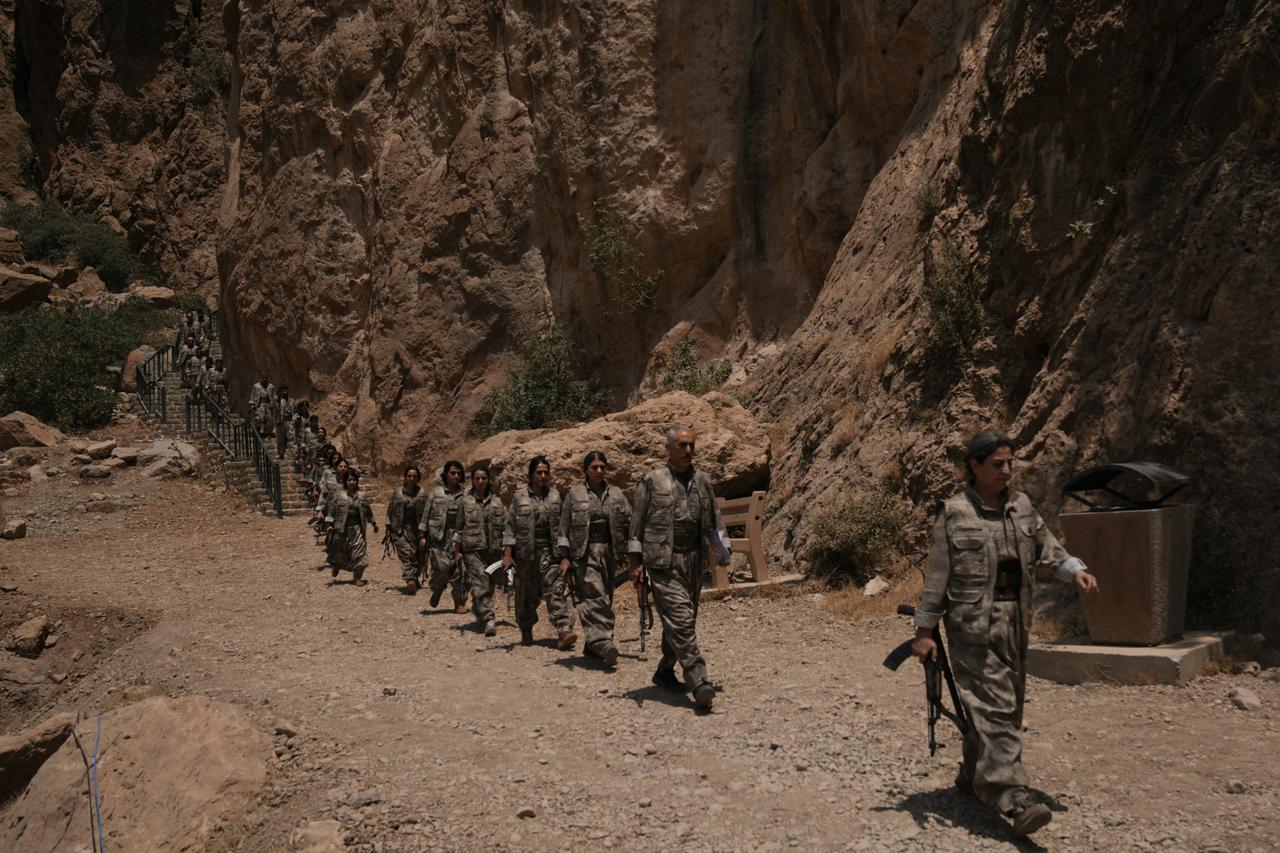
He announced that 14 additional caves in northern Iraq's Hakurk region had been cleared, bringing operations against former PKK positions in Hakurk, Zap and Metina close to completion.
Turkish security sources said earlier Monday that the PKK had vacated 14 additional shelters in Hakurk on Nov. 18, following the evacuation of four sites in Metina on Oct. 8.
The Defense Ministry plans to render the abandoned caves and shelters unusable.
"As the climate of security takes root in the region, obstacles to investment, production, employment and tourism are being removed one by one," Erdogan said.
The PKK, designated a terrorist organization by Türkiye, the United States and the European Union, announced its decision to dissolve and disarm in May 2025 following a February appeal by its imprisoned ringleader, Abdullah Ocalan, to end the group's decades-long armed campaign.
A first group of 30 PKK members destroyed their weapons in Iraq's Sulaymaniyah province on July 11, 2025.
Erdogan emphasized that the country could no longer afford to lose opportunities for peace and development.
"The east and the southeast can no longer tolerate losing. None of my citizens can tolerate losing anymore," he said.
"Regardless of their origins, this nation no longer wants to lose. The People's Alliance and the government are striving to make this happen," he added.
Turning to the defense industry, Erdogan reiterated Türkiye's goal of achieving full technological and industrial independence.
He pledged to continue developing domestic defense capabilities "without stopping, without resting and, most importantly, without paying attention to those lacking vision."
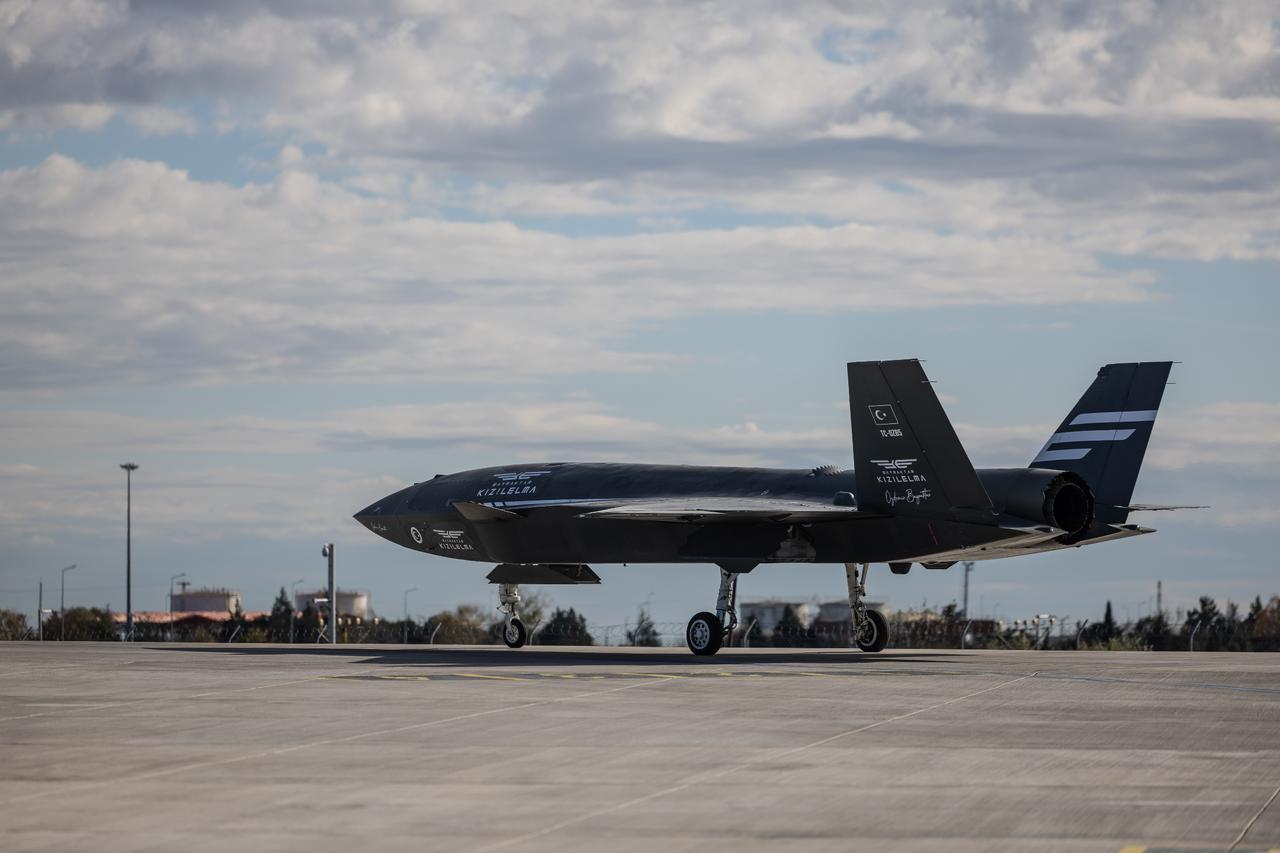
Referring to the Kizilelma unmanned fighter aircraft and Ejderha electromagnetic counter-drone system, Erdogan said the projects represented only the beginning of Türkiye's ambitions.
"These are just the beginning. God willing, we will develop much more advanced and much stronger ones," he said.
His remarks came after Türkiye's first three Bayraktar Kizilelma unmanned fighter jets completed acceptance tests and entered the inventory of Turkish security forces Nov. 19.
Developed by Turkish defense manufacturer Baykar, Kizilelma is designed to conduct air-to-air combat and strikes against surface targets.
Ejderha, developed by Turkish defense company Aselsan, is a high-power electromagnetic counter-drone system incorporated into Türkiye's Steel Dome multilayered air defense architecture.
During a demonstration earlier in November, Ejderha simultaneously neutralized 51 drones using electromagnetic waves without launching missiles, according to Aselsan.
Erdogan also reaffirmed his government's commitment to economic growth, identifying investment, industrial production, employment and exports as the foundations of its economic strategy.
"Our government is determined to grow Türkiye, its industry, our food, our bread, our peace and our prosperity," he said.
"We are firmly implementing our stable growth strategy based on investment, production, employment and exports," he added.
The president linked the government's economic ambitions to efforts to improve security and stability, arguing that progress in the disarmament process could create more favorable conditions for investment and development.
He reiterated that the government would continue pursuing its economic and security objectives while maintaining its commitment to the "Terror-Free Türkiye" initiative.


 Set as preferred source
 Set as preferred source


 1 min read

 1 min read