Newsletters


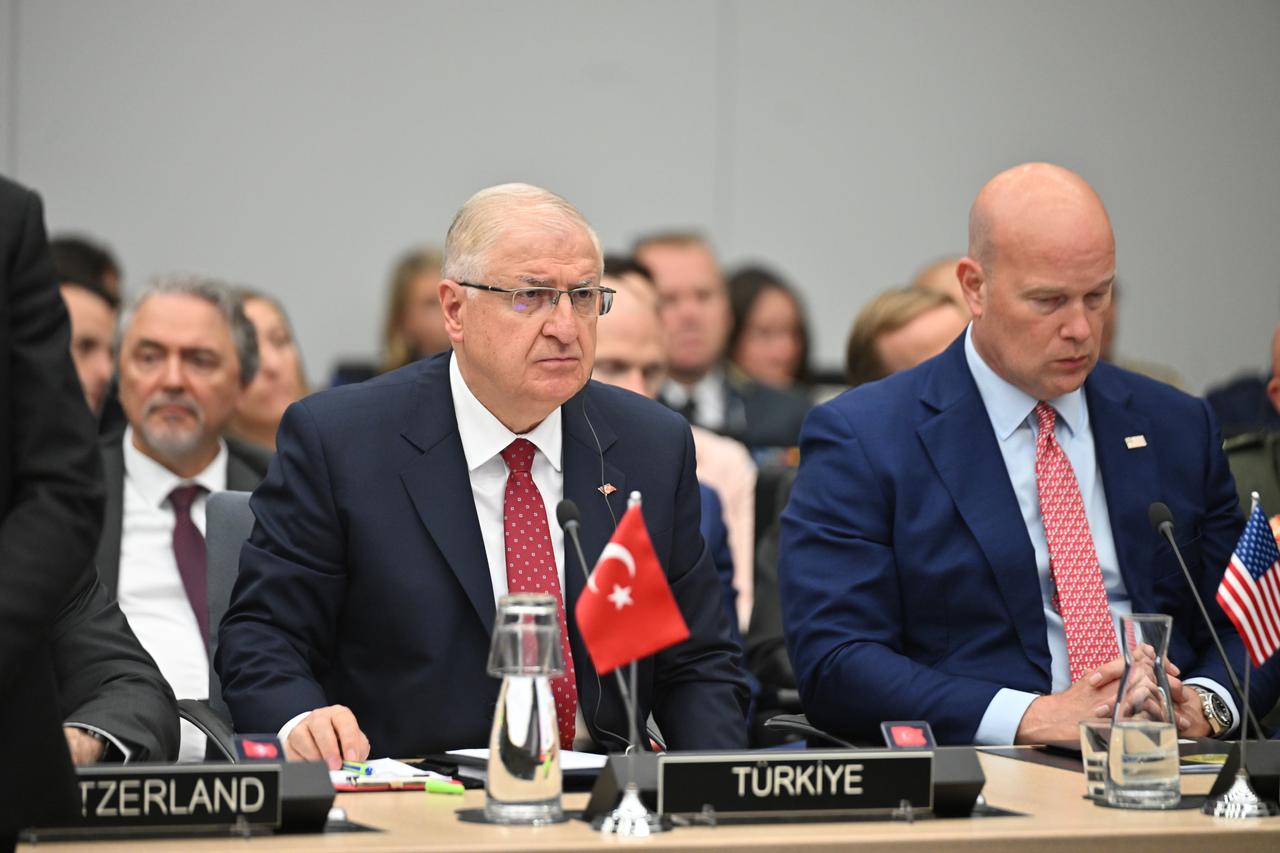


Turkish Minister of National Defense Yasar Guler said the limited role Türkiye has been afforded in the European Union's defense initiatives is "shaped less by rational considerations than by political approaches," arguing that Ankara should be regarded as an "essential pillar" of European security rather than a peripheral partner, ahead of the NATO summit set for July 7-8 in Ankara.
In written answers to questions from Turkish defense media outlet TurDef, Guler addressed NATO's changing agenda, Türkiye's defense production capacity, lessons drawn from recent wars, and Türkiye's place in Europe's future security architecture.
Guler said Europe's move to take on greater responsibility for its own security is an inevitable consequence of the current strategic environment but argued Türkiye's role in that conversation has been understated.
"We believe that, when discussions are held regarding the future of European security, the role played by Türkiye and the contributions it provides should not be overlooked," he said.
He pointed to Türkiye's military strength, defense technology gains and geographic position as reasons for a larger role.
"When its operational experience, developing defense industrial infrastructure and geographical position are taken into account, Türkiye is not merely a partner contributing to European security but one of the essential pillars of this architecture," Guler said.
Guler directly criticized the EU's defense framework for sidelining Türkiye.
"We believe that the limited place afforded to Türkiye in the European Union's defense initiatives is shaped less by rational considerations than by political approaches," he said.
"Yet today's security environment requires strategic decisions to be shaped not by political preconceptions but by real needs and concrete capabilities. The purpose of defense cooperation should not be to create new divisions but to strengthen common security capacity," the Turkish defense minister noted.
He said that if the EU adopted a more holistic decision-making approach grounded in shared security interests, rather than "the political ambitions of certain member states," Türkiye's strategic contribution would become more clearly visible.
"Türkiye should be regarded not as a temporary or external actor in Europe's long-term security framework, but as a strategic partner and a structural component," he said.
"It is clear that European security cannot be considered independently of NATO, nor NATO's deterrence independently of Türkiye's contributions," Guler noted.
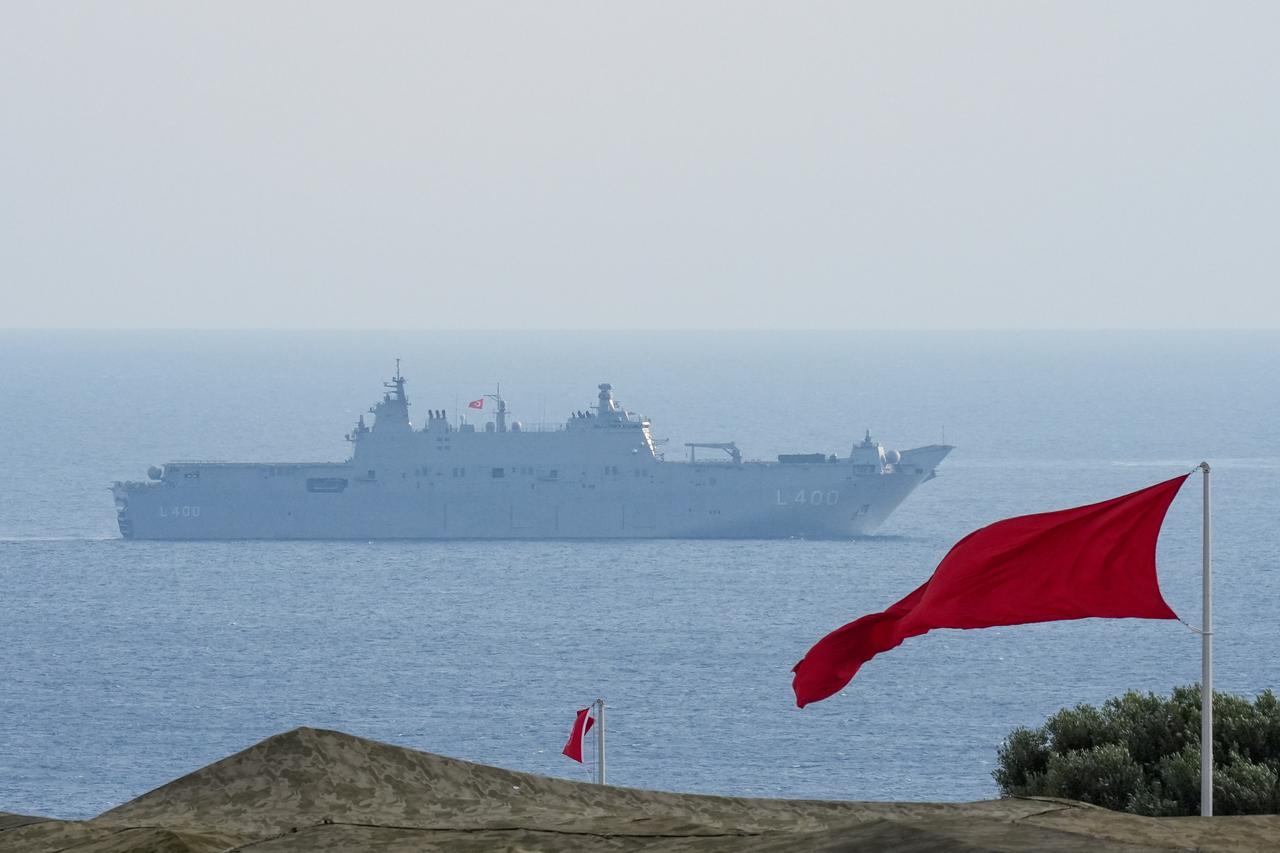

Guler said NATO's agenda has expanded well beyond force structures and operational plans to include defense production capacity, ammunition stockpiles, supply-chain security, and industrial resilience, areas he said Türkiye anticipated and prepared for in advance.
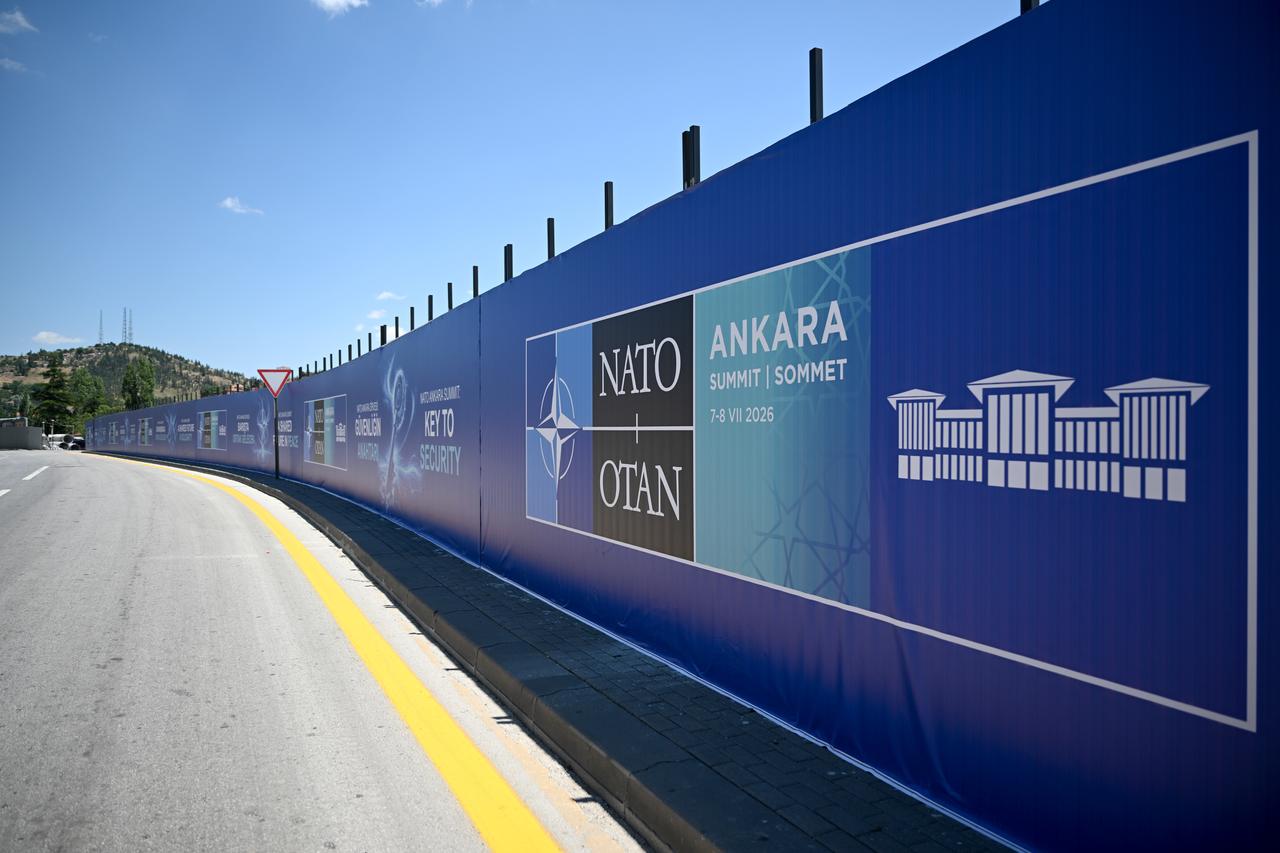
He outlined four areas of focus ahead of the Ankara summit: expanding defense production capacity, particularly in artillery ammunition, guided munitions, air defense systems, missile technologies, unmanned systems and electronic warfare; strengthening NATO supply chain resilience through Türkiye's defense industry, engineering capacity and SME ecosystem; investing in next-generation technologies including AI-enabled systems, autonomous platforms, electronic warfare, cyber defense and integrated air and missile defense, with the Steel Dome program as a central pillar; and deepening defense industrial cooperation with NATO through a defense industry forum to be held as part of the Ankara summit, aimed at expanding joint production, technology sharing and mutual investment.
"In this regard, we see the Ankara Summit as a strategic opportunity to contribute to shaping NATO's future defense production architecture," Guler said.
Guler said Türkiye's defense industry has evolved over the past two decades into a structure capable of designing, developing, producing, and exporting systems and platforms, strengthening NATO's collective defense capacity in addition to Türkiye's own national security.
He said the Turkish defense industry can respond rapidly to allied and NATO needs in munitions and missile systems, unmanned land and air vehicles, naval and land platforms, and electronic systems.
He listed investment priorities drawn from recent conflicts and assessments of future operating environments:
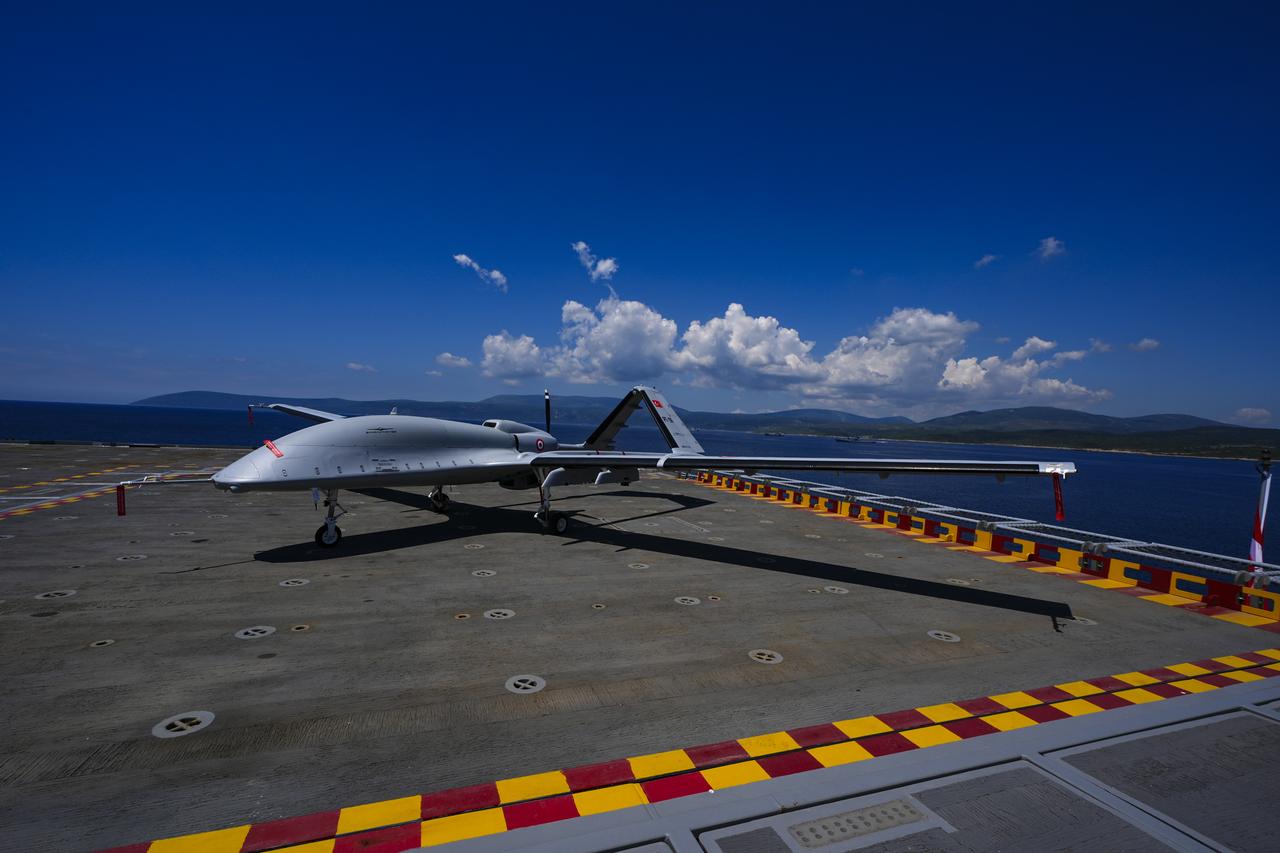
Guler said operations launched in northern Syria and northern Iraq since 2016 to eliminate what he called the "terror corridor" to Türkiye's south demonstrated directly the importance of unmanned systems, electronic warfare, and low-cost precision strike capabilities, informing the Turkish Armed Forces' (TAF) ongoing modernization.
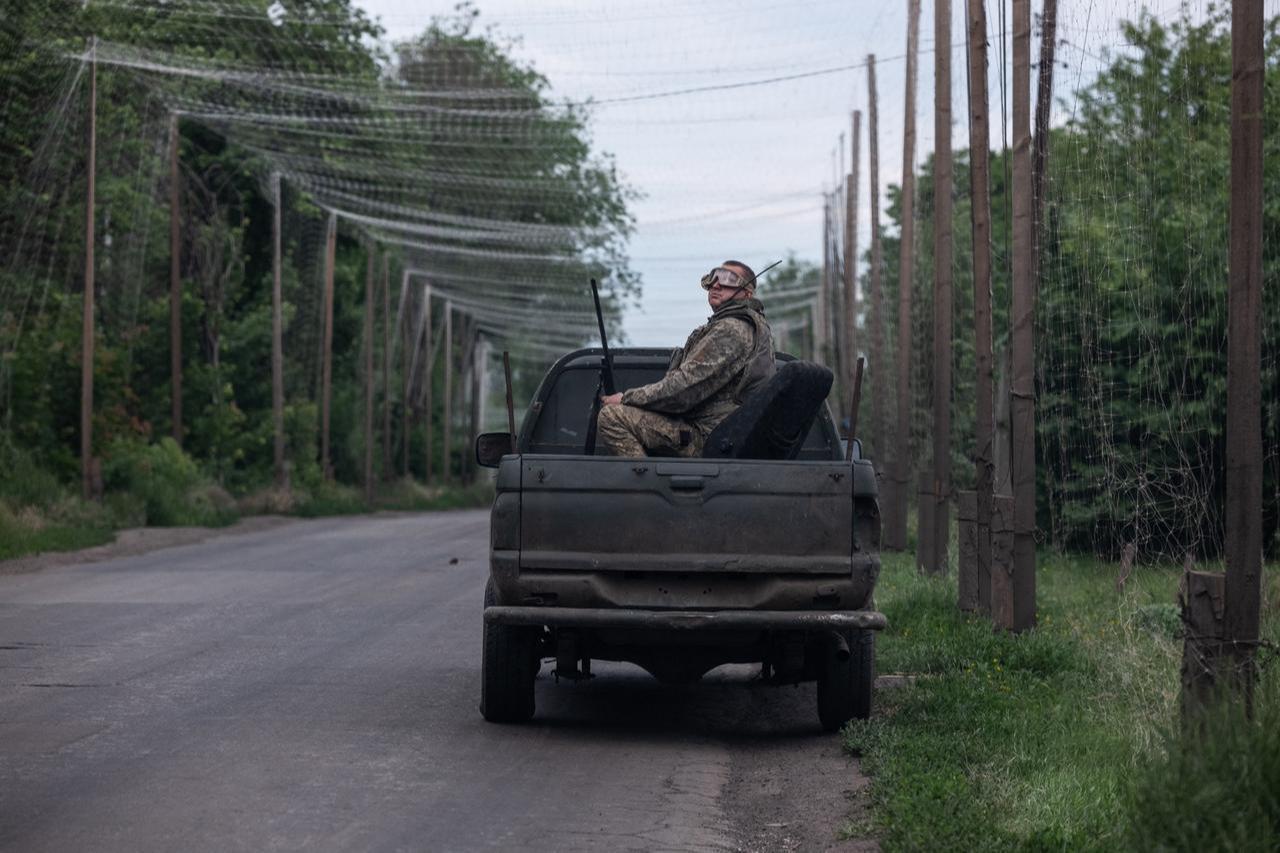
He said the Russia-Ukraine war, which began in 2022, confirmed the changing nature of warfare, while the U.S./Israel-Iran war exposed the importance of multi-layered air defense systems.
He credited NATO's adaptability as the source of its historical success, pointing to the Deterrence and Defense Concept and the 2022 NATO Strategic Concept as responses to the changing global security environment.
Guler said the 2024 Hague summit's decision to set the defense spending target at 5% of GDP would drive Türkiye to increase its own defense spending, further develop the Steel Dome system, expand shipyard production capacity, and advance its hypersonic, ballistic missile, and autonomous and unmanned systems capabilities.
Guler said instability in the Middle East, particularly following the U.S./Israel-Iran war, is affecting global security and the economy, including assistance flows to Ukraine, and said NATO should respond to these crises in a balanced manner through its "360-degree approach."
He described Türkiye as positioned at the center of that balance.
He said Türkiye has applied the Montreux Convention "with great care" since the start of the Russia-Ukraine war, preventing the conflict from spreading into the Black Sea and ensuring international maritime trade is not disrupted.
He also cited measures taken with Romania and Bulgaria under the principle of regional ownership, including the Mine Countermeasures Black Sea (MCM Black Sea) Task Group, as contributing to regional stability.
On NATO's southern flank, Guler said Turkish counterterrorism operations in northern Syria and northern Iraq contribute not only to Türkiye's security but to Europe's as well.
"As one of NATO's strongest members, Türkiye is ensuring both its own security and that of the Alliance by creating an area of stability in its region, while also making highly significant contributions to regional and global stability," he concluded.


 Set as preferred source
 Set as preferred source


 6 min read