Newsletters


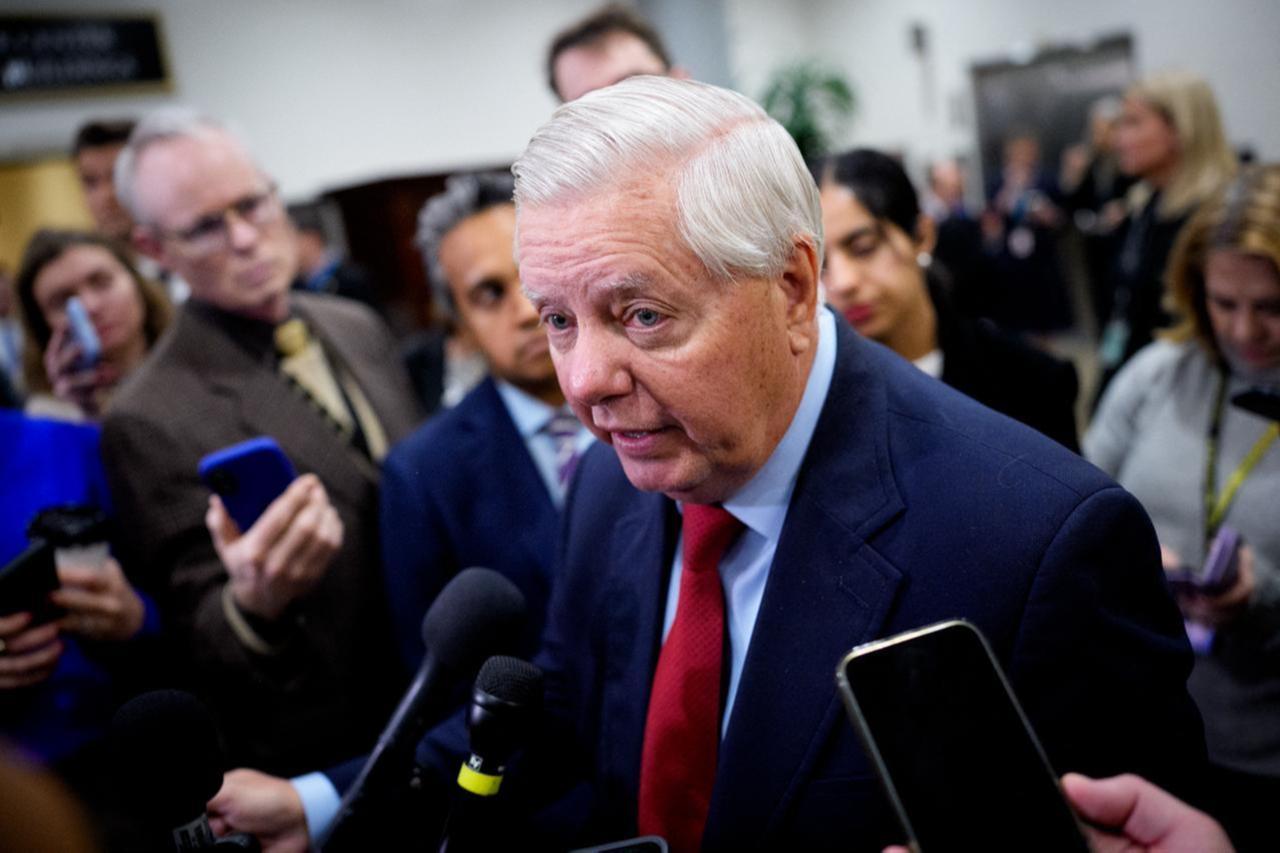


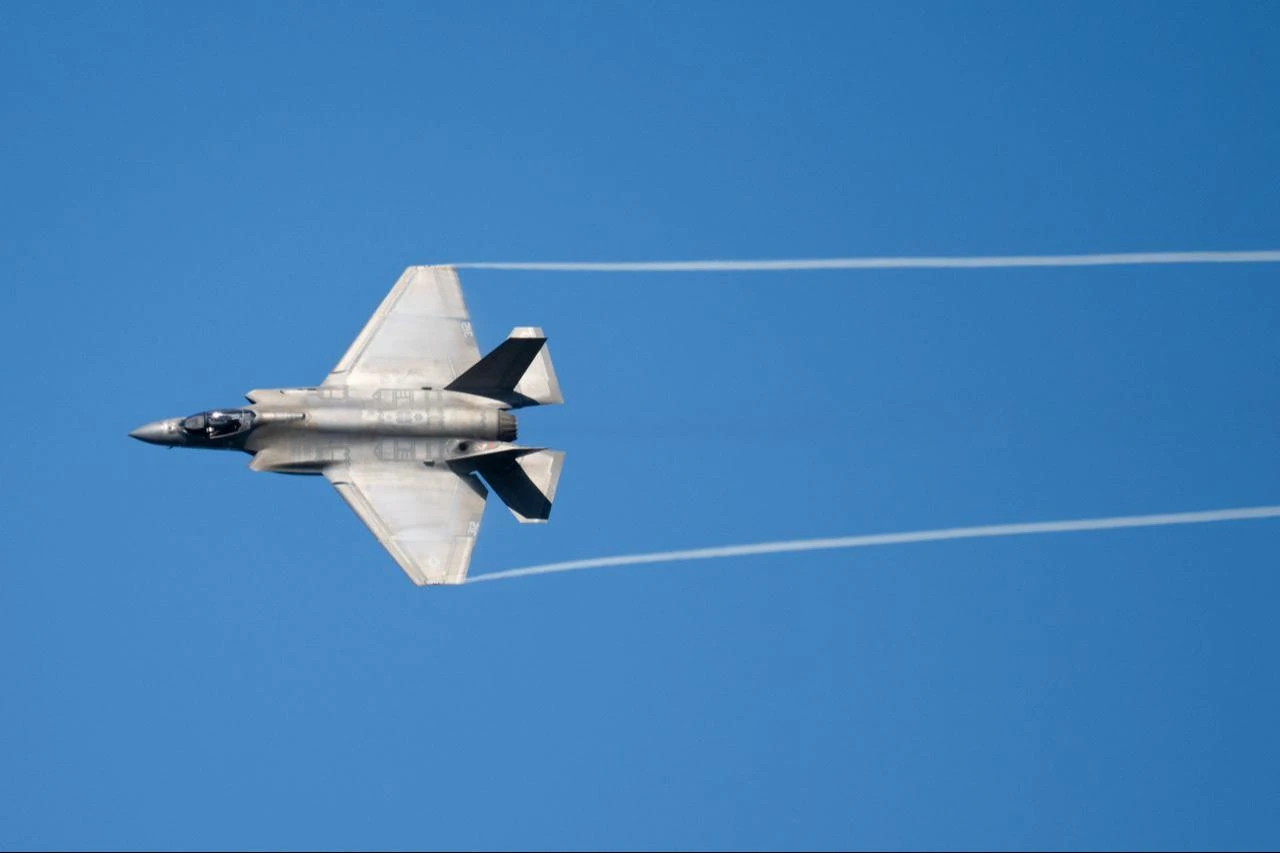
U.S. Senator Lindsey Graham said Tuesday he is open to the idea of delivering F-35 fighter jets to Türkiye after a New York Times report indicated President Donald Trump is considering such a move.
Speaking to Türkiye Today during the NATO summit in Ankara, Graham acknowledged that the proposal could face resistance on Capitol Hill. "There might be some pushback in Congress. Türkiye's relations with Israel are not very helpful in Congress," Graham noted.
Despite the challenges, Graham said he believes a solution could be found to allow the delivery of F-35s to Türkiye. He also described Türkiye as "a great ally and the only Muslim nation in NATO."
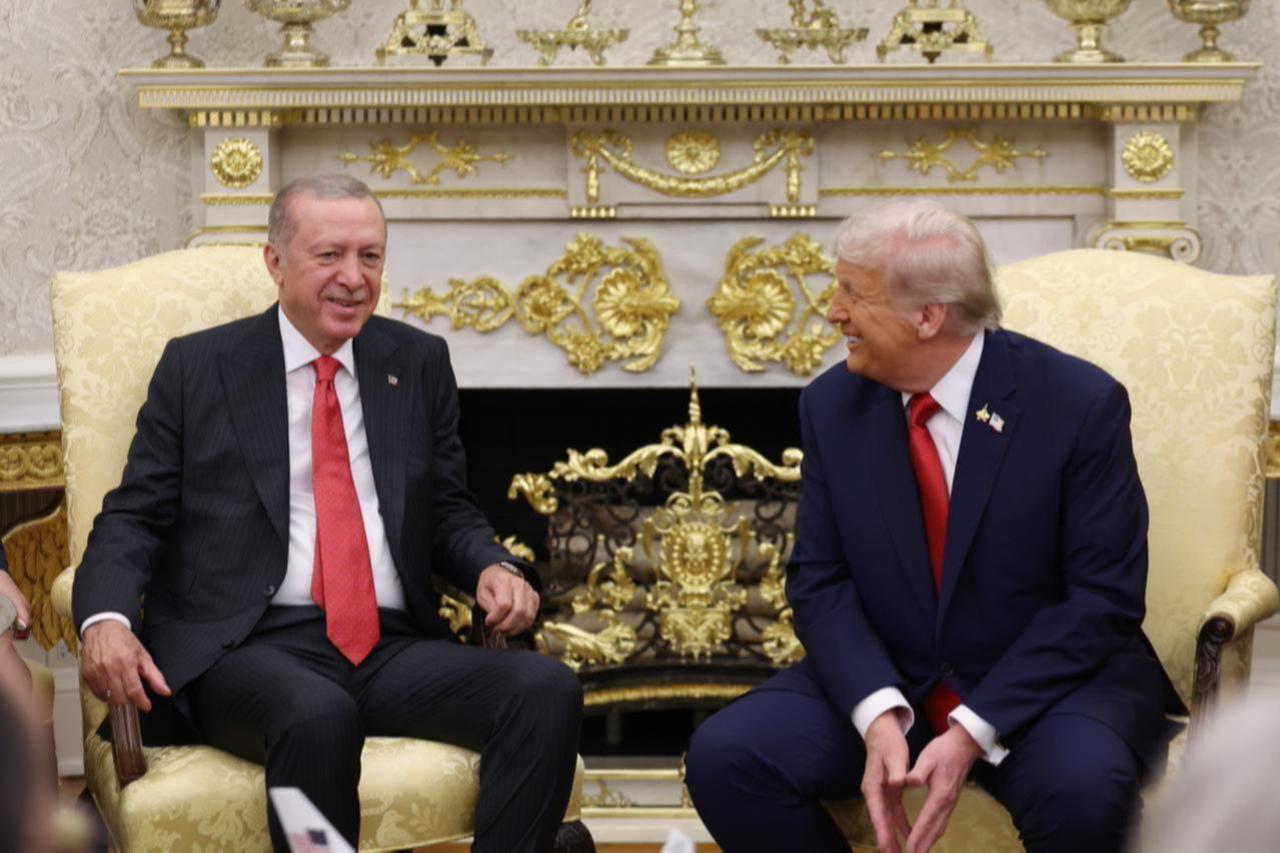
Graham's remarks came after The New York Times reported that Trump is expected to tell Turkish President Recep Tayyip Erdogan during their meeting in Ankara ahead of the NATO summit that he is prepared to restore Türkiye's access to the F-35 fighter jet program.
Citing four senior administration officials, the newspaper reported that the proposal follows weeks of behind-the-scenes efforts by national security officials to break the impasse.
According to the report, Trump is expected to signal his intention to move ahead with providing the fighter jets to Türkiye, although it remains unclear when such a step could be taken.
The report noted that significant legal and congressional hurdles remain. Congress has previously restricted F-35 sales to Türkiye unless the administration determines that Ankara no longer possesses the Russian-made S-400 air defense system.
Last month, Trump said he was likely to take a step that would make Erdogan "very happy" when asked about Türkiye's request for F-35 fighter jets and jet engines.

Defense researcher Kubilay Yildirim said no outcome is final until it is formally completed, referring to Trump’s phrase that “nothing is done until it is done,” but added that several signs show progress in the F-35 process.
Speaking to Türkiye Today, Yildirim said Türkiye’s S-400 system has not been seen or publicly emphasized for a long time, adding that it is not mentioned in air defense systems or in inventory discussions. He also said Trump avoided answering a question on the S-400s in the Oval Office and passed it to Vice President JD Vance, who referred to the certification process.
Yildirim noted that the obstacles surrounding Türkiye’s removal from the F-35 program remain critical, specifically regarding the U.S. defense budget and Article 1245, which requires Washington to certify whether Ankara possesses the S-400 system. He explained that the U.S. administration does not need to persuade Congress; instead, it can simply declare that technical evaluations have been conducted, officially certifying that the S-400 system is inactive and cannot be reactivated.
“In my view, there is no major question mark left about the process,” Yildirim said, adding that the resolution mechanism appears to be underway. He argued that Türkiye no longer technically requires the Russian S-400 system due to its own Siper, Steel Dome, and Hisar domestic air defense networks, emphasizing that Ankara primarily wants to clear this long-standing friction from its diplomatic agenda.
Yildirim said he believes the U.S. shares a constructive outlook and sees no structural reason why the dispute cannot be settled. The primary questions now revolve around how the transition will evolve, the number of aircraft Türkiye will ultimately secure, their operational deployment, and whether Ankara will rejoin the F-35 program as a manufacturing partner.
While an official announcement could occur during the NATO Summit in Ankara, Yildirim noted that an immediate public statement might not materialize if the certification paperwork is not fully finalized. He stressed that a lack of an immediate announcement would not mean that behind-the-scenes progress has stalled.
Looking ahead, Yildirim stated that future negotiations should focus on the mechanics of Türkiye's reentry into the F-35 ecosystem. This includes discussing the fate of the six jets previously built for Türkiye and leveraging the production infrastructure the country originally established.
Highlighting Türkiye's uniquely robust defense industrial capabilities, he concluded that talks must define Ankara's modern requirements: whether it seeks a full return to consortium production or a flat purchase of 30 to 40 jets, and whether the scope will eventually include deploying F-35s on the amphibious assault ship TCG Anadolu.
Aerospace and defense sector executive and scholar Arda Mevlutoglu said the key factor in the F-35 process will be Congress rather than Trump’s initiative alone.
Mevlutoglu told Türkiye Today that Trump could start the process and that this may now be visible, but added that Türkiye has not yet reached an agreement with the U.S. on the S-400 issue.
“This is the key point,” Mevlutoglu said, adding that lobbying groups in Congress and their influence will play a major role in the process.
He said if a solution or a step is being taken, its reflection may be seen soon. Mevlutoglu added that an acceleration of the process could be announced in Congress, while the overall process appears to be moving in a positive direction.
The United States removed Türkiye from the F-35 program in 2019 after Ankara purchased the Russian-made S-400 air defense system, arguing that it could compromise the security of the stealth aircraft and is incompatible with NATO systems.
Türkiye has consistently rejected that argument, insisting there is no conflict between operating the S-400 and the F-35. Ankara has proposed forming a joint commission to examine the issue and maintains that it fulfilled all of its obligations under the program.
Turkish officials also argue that bringing Türkiye back into the F-35 program would strengthen both the country's defense capabilities and NATO's collective security.


 Set as preferred source
 Set as preferred source


 1 min read
 1 min read